

A resource for those seeking information on organizing and transforming spaces.

9 Decluttering Habits to Adopt for the New Year
Decluttering your home has many benefits. Not only will the space feel cleaner, but so will your mind! As 2021 gets started, it’s important to develop these decluttering habits now so you can continue them throughout the rest of the year. Here are some of the best decluttering habits you can start now as the new year kicks off.

Decluttering your home has many benefits. Not only will the space feel cleaner, but so will your mind! As 2021 gets started, it’s important to develop these decluttering habits now so you can continue them throughout the rest of the year. Here are some of the best decluttering habits you can start now as the new year kicks off.
1. Avoid replacing items you get rid of. Your home will never truly be decluttered if you just replace the items you’ve gotten rid of with newer versions. You should seriously consider each item you’re looking at before putting it in your shopping cart. If you already have one or two of the items, do you really need another one? By doing this, you’ll keep your home from staying cluttered and overwhelming.
2. Take inventory every season. Each season, take inventory of your home. Go through all your closets, drawers and even your bathroom cabinets. No stone should remain unturned. Make a list of items you have and how often you use them. Be honest with yourself. Don’t try to make an item more important than it actually is. If you find items that you haven’t used at all that season, consider donating or tossing them. There really are some items that are seasonal (i.e., seasonal holiday decorations), but other items are usable all year, such as mixing bowls or cleaning products. If you haven’t used certain items at all over two seasons, then you should definitely consider donating them.

3. Declutter before organizing. You can’t organize things if you have too much of them. Before you tackle organizing any spaces, desks or cabinets, you’ll want to completely declutter. An organized home is a decluttered one – not a home that has organized clutter. In fact, decluttered spaces increase productivity, making it easier for you to organize your space efficiently because you’ve removed all the clutter around you. It will also help you be more productive in your work life and personal life because your space isn’t overwhelming.
4. Only take on one or two small projects at a time. When you take on too many home improvement projects at once, your home becomes easily cluttered and disorganized. Suddenly, halls are filled with tools, hardware and boxes that wouldn’t be there otherwise and you get overwhelmed just looking at it. To eliminate clutter in your home during projects, only take on one or two at a time, such as installing RTA cabinets. You’ll feel much better in the long run, and your home will stay decluttered.
5. Take stock of your sentimental items. Getting rid of sentimental items – photos, diaries, letters and other keepsakes – can be a very difficult thing to do. Those items were important to you at some point, and some of them still are. That’s why you need to take stock of them. There are some key signs that you should let go of that sentimental item: it’s been packed away for awhile, you’re only keeping it out of guilt or it annoys you to look at it. You should keep the things that still bring you joy or have a purpose for you. For items such as photos or letters, you can scan them into an external hard drive to have as digital copies and clear up space.

6. Minimize the amount of planners you have. Some people have a planner for every aspect of their life. While it’s important to keep everything compartmentalized, consider switching to a full day planner instead of using a different weekly/monthly planner for work, personal and health aspects of your life. You can also keep a small pocket calendar with you or use your phone calendar and reminder app to keep track of events and tasks on-the-go. Using one planner will keep everything together and ensure you don’t miss anything. Use a variety of pens, stickers and highlighters to organize your planner. Draw a helpful key on the front page of your planner to remind you how to set up your events.
7. Write a to-do list. To-do lists aren’t just for your mom anymore. Decluttering your space also means decluttering your mind. You can’t do this unless you have a plan for the day-to-day. In your planner or on a designated notepad, keep a to-do list. You can have multiple ones – one for monthly, weekly and daily. Some tasks you’ll do daily (checking your email, writing in your journal) and others you’ll do monthly (wiping the baseboards). Your weekly to-do list should include tasks such as cleaning the shower, going grocery shopping and vacuuming or mopping. You can set reminders on your phone to keep track, or you can create these to-do lists by hand after each round.
8. Invest in storage and organizing tools. Traditional plastic storage containers and even decorative ones are great ways to keep track of items. Don’t be afraid to break out the label maker, either. Some Etsy stores even have label decals that you can have customized to match specific items in your home. Things don’t have to look drab. You can use patterned canvas storage totes on your coffee table shelves and leave the traditional plastic storage totes for your hall closet. You’ll want to get clear storage totes, though, so you can easily see what’s inside. That way, you don’t have to worry about purchasing multiples of something.
9. Give your items to a good cause. Instead of just trashing your items as you declutter, consider giving them to a local charity. Some organizations that typically need donations are domestic violence shelters, homeless shelters and addiction recovery programs. When you know your items are going to a good cause, you won’t feel as upset about getting rid of them. It’ll also be easier for you to get through the decluttering process.

Book Review - The House We Grew Up In
Set in Cotswold Village England we meet the Bird Family. There are four children all with very different personalities. Meg is the oldest, followed by Bethan and then twin boys Rory and Rhys. Their dad Colin is a lanky young looking college professor. At the center of the novel is the mom Lorelei a bit of a hippy, fun loving stay at home mom. Lorelei “treated the children like precious gems and made every moment sparkle.”

The House We Grew Up In by Lisa Jewell
Set in Cotswold Village England we meet the Bird Family. There are four children all with very different personalities. Meg is the oldest, followed by Bethan and then twin boys Rory and Rhys. Their dad Colin is a lanky young looking college professor. At the center of the novel is the mom Lorelei a bit of a hippy, fun loving stay at home mom. Lorelei “treated the children like precious gems and made every moment sparkle.”
One Easter weekend tragedy strikes and as a result the family starts to fall apart. We follow the Bird family over the next three decades even as they are estranged. Ms. Jewell explores a variety of topics such as mental illness, family secrets, emotional trauma, incarceration and death. However, the main topic which is threaded throughout the entire book is Lorelei’s hoarding. We find out that Lorelei is a compulsive shopper and hoarder which ultimately damages all her relationships.
So what exactly is hoarding? Many times in casual conversations people who collect many things refer to themselves as hoarders. Yet, hoarding is not the same as collecting.
The American Psychiatric Association states “People with hoarding disorder excessively save items that others may view as worthless. They have persistent difficulty getting rid of or parting with possessions, leading to clutter that disrupts their ability to use their living or work spaces.”
As in the book, hoarding can cause a strain on family relationships. Many times family members get frustrated after trying for years to help their family member. Ultimately, Lorelei is left alone and isolated from her family. Hoarding may also lead to safety concerns such as fire hazards or tripping and falling due to lack of paths and open spaces.
So what to do when you are in this situation?
Encourage the person to seek professional help. There are many therapists trained in hoarding. Hoarding is not something that just goes away. The disorder that leads to hoarding will likely be something your significant other will face forever. Having a good therapist will help the person not just during the cleanout but with moving forward in their life.
Read and learn about hoarding. There are many good resources online such as The International OCD Foundation and The Mayo Clinic.
Try not to judge. Try to be supportive and suggest professional treatment.
If they ask for your help try to be helpful. If you find the task too daunting or it leads to arguing consider hiring a professional organizer to work with the individual. Make sure you find an organizer that has experience dealing with hoarding issues.
Decluttering can take months and even years with a person with lived in experience as a hoarder. Do not expect overnight success. Be encouraging and supportive. Baby steps can lead to bigger steps and success down the road.
The House We Grew Up In is an emotional book filled with twists and turns. In the end the family returns back to the house they grew up in to come to grips with the many secrets and topics they need to discuss as a family. It certainly will keep the reader hoping that the Bird family can move forward in spite of all the history and issues they have faced.
Lisa Jewell is the #1 New York bestselling author of eighteen novels, including Then She Was Gone, The Family Upstairs and Invisible Girl.

Considering a Move? Here Are 4 Things That You Should Think About
If you're thinking of moving to a new city or state, there are several things you should think about in advance. Moving can present great opportunities, but it can also bring unexpected challenges. Here are four things you should think about ahead of a move to ensure your relocation goes as smoothly as possible.

If you're thinking of moving to a new city or state, there are several things you should think about in advance. Moving can present great opportunities, but it can also bring unexpected challenges. Here are four things you should think about ahead of a move to ensure your relocation goes as smoothly as possible.
Finding a New Place to Live
The first and most obvious thing you should consider before you move to a new area is where you'll live once you get there. Decide in advance whether you want to look at residential properties or rent while you get settled. The process of finding a place to live may require you to visit the area a few times before you actually move there to view properties or apartments. These visits can also give you the opportunity to learn about the area and decide whether you really want to live there or not.
Making Arrangements for Your Kids
If you have children, you'll also want to start planning early for their education in your new area. Compare schools and see which ones will offer your kids the best educational opportunities. If you have very young children, you'll also want to start looking at childcare providers in the area.
Finding a New Job
Unless you're able to transfer to the area you want to live in while still working for your current employer, you'll need to find a new job. If possible, see what different companies will offer you in terms of moving expense coverage. Some companies will help you manage your relocation expenses, which can be a real leg up in getting yourself established.
Setting Up a New Social Circle
One of the most difficult yet often overlooked parts of moving to a completely new area is the need to find a new circle of friends. While your work colleagues can be a good start, you'll also need to get out and meet new people outside of your professional life. Try to find groups or events in the area that you can attend where you may encounter people with interests similar to your own. The faster you can get out and meet new people, the sooner you'll actually feel at home in your new city.
If you consider these four factors in advance, you should be able to make a largely seamless transition to a new area when you move. Above all, be sure to research the area you're thinking of moving to in order to find out what it has to offer.

4 Areas in Your Kitchen Where You Can Add Some Extra Storage Space
You probably spend time in your kitchen everyday cooking and cleaning up after meals. In addition to storing food, cookware, and small appliances in that room, you might also have pet food, cleaning supplies, and other odds and ends. If your kitchen is starting to feel cramped and overflowing with a need for more storage space, the following suggestions may help.
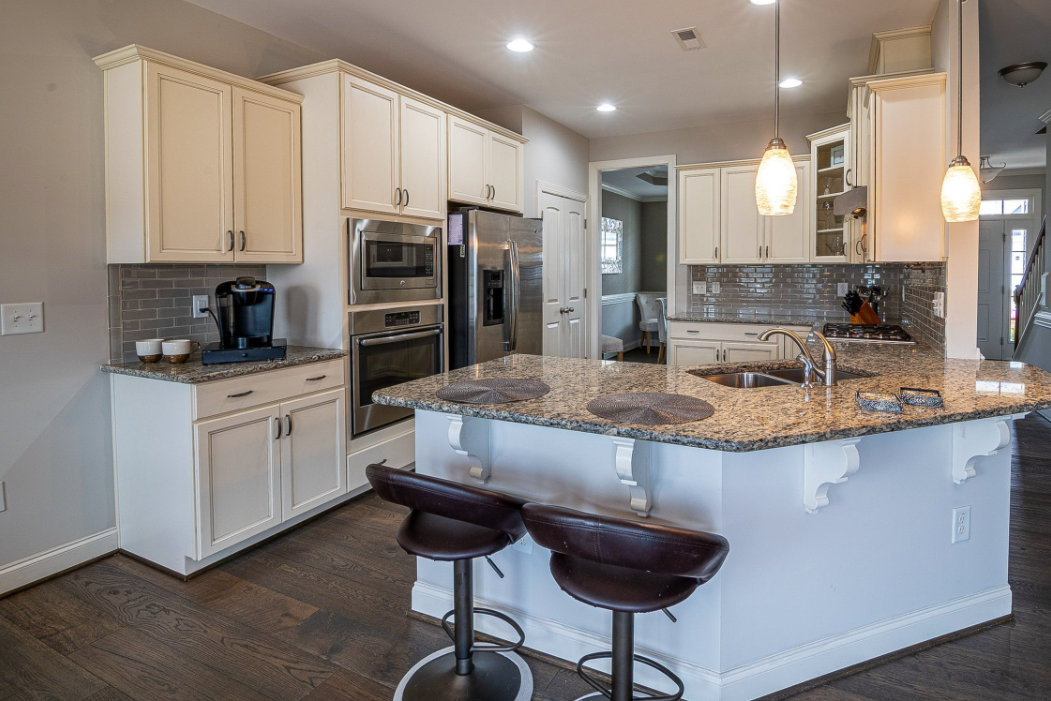
You probably spend time in your kitchen everyday cooking and cleaning up after meals. In addition to storing food, cookware, and small appliances in that room, you might also have pet food, cleaning supplies, and other odds and ends. If your kitchen is starting to feel cramped and overflowing with a need for more storage space, the following suggestions may help.
Drawers
Clear out your kitchen drawers that are packed with odds and ends like keys, paper clips, old grocery lists, and flashlights. Find a more relevant place for items that don't belong to free up space for kitchenware. Buy inexpensive drawer organizers for silverware and dishcloths to keep everything in its place and easy to find when needed. You can get color-coded separators in various configurations based on your preference.
Cupboards
Try vertical shelves in addition to horizontal shelving to add more storage area to your cupboards. Slender plates or serving dishes can be stored in either type of shelf to allow room for other dishes as well. Some shelves might accommodate being separated into another level or two for smaller dishes and pans. If your cupboards have open space on top, artfully arrange your less commonly used cookware or serving dishes as visual décor until you need to use them.
Pantry
Pantries always seem to be stocked with long-expired food cans and packages along with items that don't take up much space. Add more shelves to use the open areas. You could also install wall mounts for larger packages of dry goods and canned items. Add a door hanger with wire or wooden shelves as additional storage space to separate cleaning items, for example, or foods that are more often used.
Above the Countertop
In addition to storing certain foods on top of the countertops, like dred goods canisters or packets of coffee or tea, consider installing storage shelves below your upper cabinets above the countertops or use racks that sit on infrequently used areas of your counters. Many people install their microwave ovens below the cupboards but above the cooking range or countertops.
Kitchen Remodeling Options
When you remodel or update your kitchen, remember to include plans for expanding your storage areas. You can never have too much storage in a kitchen, as it is a main living area and food preparation center of the home. Every kitchen remodeling project should build in extra storage shelving to efficiently utilize available space without creating a crowded effect.
As you look around your kitchen, you will likely find areas that can be neatly arranged to provide more storage space for necessary supplies and dishes. Take advantage of them to help keep your kitchen from becoming cluttered and unwelcoming.