

A resource for those seeking information on organizing and transforming spaces.

Tips for Planning Your Kitchen Redesign
Kitchen redesign matters profoundly because this central space impacts daily functionality, overall home aesthetics, and property value more than any other room. Whether motivated by outdated styles that no longer reflect personal taste, inefficient layouts that frustrate meal preparation, or lifestyle changes like growing families or newfound passion for cooking, homeowners eventually recognize when their kitchens no longer serve their needs. This comprehensive guide provides a roadmap for planning and executing a successful kitchen redesign, from initial assessment through final execution, ensuring the result enhances both practical function and visual appeal.
Kitchen redesign matters profoundly because this central space impacts daily functionality, overall home aesthetics, and property value more than any other room. Whether motivated by outdated styles that no longer reflect personal taste, inefficient layouts that frustrate meal preparation, or lifestyle changes like growing families or newfound passion for cooking, homeowners eventually recognize when their kitchens no longer serve their needs. This comprehensive guide provides a roadmap for planning and executing a successful kitchen redesign, from initial assessment through final execution, ensuring the result enhances both practical function and visual appeal.
Assessing Needs and Goals
Begin by prioritizing functionality over superficial changes. Honestly evaluate your cooking habits—do you prepare elaborate meals or reheat takeout? Consider family size and whether entertaining guests regularly factors into kitchen use. Identify specific pain points: insufficient storage forcing appliances onto countertops, poor lighting creating shadows over work surfaces, or cramped layouts that prevent multiple people from working simultaneously.
Budget considerations establish realistic expectations early. Kitchen redesigns range from modest cosmetic updates costing a few thousand dollars to complete overhauls exceeding six figures. Determining available funds guides every subsequent decision about materials, appliances, and whether to pursue phased renovations or comprehensive transformation.
Planning the Layout
The classic work triangle principle remains relevant, positioning sink, stove, and refrigerator in an efficient triangular arrangement that minimizes steps during meal preparation. Modern kitchens increasingly favor open layouts that integrate with living spaces, promoting family interaction and entertaining flow, while closed layouts maintain traditional separation and contain cooking mess.
Traffic flow deserves careful attention—ensure pathways allow easy movement without forcing people through active work zones. Strategic zoning creates distinct areas: prep spaces near refrigerators and cutting boards, cooking zones around stoves with adequate ventilation, cleaning stations by sinks with dishwasher access, and storage concentrated where items are actually used.
Choosing Materials and Finishes
Cabinetry selection dramatically influences kitchen character. Consider styles ranging from traditional raised-panel doors to contemporary flat-front designs, colors from classic white to bold navy or two-tone combinations, and durability factors like solid wood versus engineered materials. Countertops balance aesthetics with practicality—granite offers natural beauty and heat resistance, quartz provides uniformity and low maintenance, butcher block adds warmth but requires sealing, while laminate delivers budget-friendly versatility.
Flooring must withstand heavy traffic, spills, and dropped items. Tile provides water resistance and design flexibility, hardwood brings warmth despite requiring more care, luxury vinyl planks mimic natural materials affordably, and eco-friendly options like bamboo or cork appeal to environmentally conscious homeowners. Backsplash selections serve both decorative and functional purposes, protecting walls from splashes while establishing visual focal points through subway tile, mosaic patterns, or dramatic slabs.
Appliances and Fixtures
Energy-efficient appliances reduce utility costs while minimizing environmental impact—look for ENERGY STAR certifications indicating superior performance. Stainless steel appliances remain popular for their professional appearance, durability, and ability to coordinate seamlessly across different brands and price points. Smart technology integration offers convenience through connected ovens with remote monitoring, refrigerators with inventory cameras, and programmable lighting systems controlled via smartphone apps.
Sinks and faucets combine functionality with style. Consider undermount versus drop-in installation, single versus double basins, and features like pull-down sprayers or touchless operation that conserve water. Lighting requires a layered approach: task lighting illuminates work surfaces, ambient lighting provides overall visibility, and accent lighting highlights architectural features or decorative elements.
Storage Solutions
Maximize cabinetry efficiency through pull-out shelves that eliminate dead corner space, lazy Susans for easy access to back items, and deep drawers accommodating pots and small appliances. Pantry organization options include walk-in closets for generous storage or built-in floor-to-ceiling cabinets for compact spaces. Creative solutions like vertical racks for baking sheets, hanging systems for pots and utensils, and hidden compartments for trash and recycling maintain an uncluttered appearance.
Design Styles and Inspiration
Modern kitchens feature sleek lines, minimalist hardware, and neutral tones emphasizing clean simplicity. Traditional designs embrace warm wood finishes, classic raised-panel details, and timeless appeal that ages gracefully. Farmhouse style incorporates rustic finishes, signature apron-front sinks, and cozy charm evoking country living. Transitional approaches blend modern efficiency with traditional warmth, satisfying those seeking balanced aesthetics.
Execution and Professional Help
Deciding between DIY and hiring professionals depends on project scope and personal skills. Tackle painting, hardware updates, or backsplash installation yourself while engaging contractors for plumbing, electrical work, and cabinetry installation requiring expertise. Working with designers ensures a cohesive vision and prevents costly mistakes. Maintain clear communication about expectations, establish detailed timelines, and plan for inevitable disruptions during renovation—temporary kitchens and takeout meals become necessary realities.
Redesigning kitchens successfully blends functionality addressing daily needs, style reflecting personal aesthetics, and practical considerations respecting budgets and timelines. Thoughtful planning transforms good intentions into spaces that genuinely enhance daily life, making cooking more enjoyable and gathering more inviting. A well-designed kitchen serves as both the heart where families connect and the engine powering household functions.

Wall Treatments to Transform Your Space with Style
Walls represent the largest visual surfaces in any home, serving as the backdrop for daily life and setting the tone for every room. Whether you're creating a serene bedroom retreat, an energizing living space, or a sophisticated dining area, wall treatments play a crucial role in enhancing style, adding texture, and establishing focal points that draw the eye. This article explores practical and creative wall treatment methods that can elevate your interior design, from timeless paint techniques to contemporary textured applications and artful framing strategies.
Walls represent the largest visual surfaces in any home, serving as the backdrop for daily life and setting the tone for every room. Whether you're creating a serene bedroom retreat, an energizing living space, or a sophisticated dining area, wall treatments play a crucial role in enhancing style, adding texture, and establishing focal points that draw the eye. This article explores practical and creative wall treatment methods that can elevate your interior design, from timeless paint techniques to contemporary textured applications and artful framing strategies.
Paint Options
Paint remains the most versatile and accessible wall treatment available. Classic finishes create distinct atmospheres: matte absorbs light for a sophisticated, modern look; satin offers subtle sheen with easy cleanability; and gloss reflects light dramatically while highlighting architectural details. Accent walls using bold colors or contrasting shades can define a space without overwhelming it, directing attention to specific architectural features or furniture arrangements.
Trendy techniques like ombré gradients, geometric patterns, and color blocking allow homeowners to express creativity beyond solid colors. These approaches transform ordinary walls into artistic statements with relatively minimal investment. Additionally, eco-friendly paints with low-VOC (volatile organic compound) formulations contribute to healthier indoor air quality while delivering beautiful results, making them ideal for bedrooms and nurseries where air purity matters most.
Wallpaper and Alternatives
Traditional wallpaper has evolved far beyond grandmother's floral prints, now offering countless patterns, textures, and contemporary designs that suit any aesthetic. Peel-and-stick wallpaper revolutionizes temporary spaces, providing renter-friendly solutions that update instantly without permanent commitment or damage. Large-scale murals create dramatic impact by transforming entire walls into scenic landscapes, abstract art, or custom photography that becomes the room's defining feature. Wall decals offer simple, customizable graphics perfect for children's rooms or adding playful touches to kitchens and home offices, with easy application and removal when tastes change.
Textured Wall Treatments
Dimensional treatments add tactile interest that flat paint cannot achieve. Wood paneling options like shiplap, beadboard, or reclaimed barn wood introduce warmth and character, particularly effective in farmhouse or coastal design schemes. Stone or brick veneer brings rustic or industrial vibes without the weight and expense of genuine masonry, ideal for accent walls in living rooms or commercial-style kitchens. Plaster and stucco finishes evoke old-world charm with their handcrafted, irregular surfaces that catch light beautifully throughout the day. Modern 3D wall panels create sculptural designs that cast intriguing shadows, adding contemporary depth and sophistication to minimalist interiors.
Framing as a Wall Treatment
Gallery Walls and Display Strategies
Picture frames and gallery walls transform collections of photographs, prints, or artwork into compelling visual narratives that tell personal stories. These curated displays work beautifully in living rooms, hallways, and stairwells, turning otherwise blank expanses into engaging focal points. Oversized frames create particularly bold statements, whether showcasing large-scale artwork or strategically placed mirrors that expand spatial perception and reflect light throughout the room.
Mixing Styles for Personality
Combining different frame styles prevents visual monotony and adds distinctive character to wall displays. Mix modern metallic finishes with vintage wood frames and eclectic painted options to create dynamic compositions that reflect evolving tastes and collected treasures. This eclectic approach works especially well in transitional spaces where multiple design eras coexist harmoniously, allowing homeowners to honor both contemporary preferences and cherished heirlooms.
Professional Custom Framing
For treasured artwork, important photographs, or investment pieces, professional custom framing elevates presentation significantly beyond ready-made options. Custom framers, for example, Picasso Gallery Custom Framing, offer expert guidance on matting colors that complement artwork, frame profiles that enhance without overpowering, and protective glazing that guards against UV damage and environmental deterioration. The precision craftsmanship and archival-quality materials provided by professionals ensure your most meaningful pieces receive the presentation they deserve, transforming them into true focal points that command attention and preserve value.
Practical Considerations
Successful wall treatments balance aesthetic vision with practical realities. Budget considerations vary dramatically—simple paint costs least while specialty treatments like reclaimed wood or custom murals require greater investment. Maintenance requirements differ too: painted walls need occasional touch-ups, wallpaper resists scuffs but can tear, and textured treatments collect dust, requiring specific cleaning methods. Room function dictates appropriate choices; bathrooms demand moisture-resistant solutions, while high-traffic areas benefit from durable, washable finishes.
Walls serve as blank canvases awaiting creative expression, from simple paint transformations to bold textures and thoughtfully curated framing displays. Experimenting with treatments that reflect personal style and accommodate lifestyle needs turns generic spaces into distinctive environments. Well-designed walls don't merely decorate—they transform houses into homes filled with character, comfort, and visual delight.
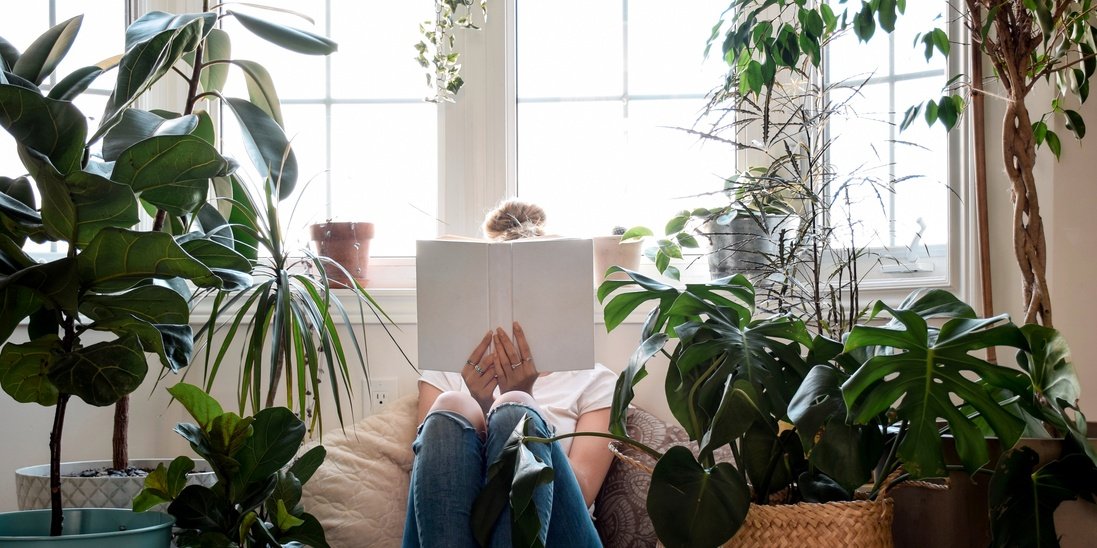
How to Create a Wellness Sanctuary at Home
Transform your home into a wellness sanctuary with serene spaces, clean air, natural touches, calming scents, and mindful activities for true relaxation.
Creating a wellness sanctuary at home is about cultivating a space that nurtures your body, mind, and soul. With the right approach, your home can become a personalized retreat designed to support relaxation, mindfulness, and overall well-being. Discover the tricks on how to create a wellness sanctuary at home and maintain your peace of mind.
Designing a Serene Space
The foundation of any wellness sanctuary begins with the physical space. Choose an area in your home that feels peaceful and is free from distractions. Keep the design minimal yet functional, focusing on soft colors, natural materials, and comfortable furnishings.
Incorporate textures like cozy blankets, cushions, or a soft rug to create a soothing ambiance. Adding candles, soothing lighting, and personal touches can further enhance the tranquility, making this space uniquely yours.
Using Natural Elements for Calming Energy
The presence of natural elements can dramatically increase the calming energy of your sanctuary. Consider adding indoor plants to your space, as greenery helps reduce stress and purify the air.
Incorporate materials like wood, stone, or bamboo for a grounding effect, and if possible, position your sanctuary near a window to create a connection with the outdoors and allow natural light to uplift the atmosphere. Bringing nature indoors is a simple yet effective way to feel more at ease.
The Role of Air Quality in Wellness
Air quality is a key factor when designing a wellness sanctuary. Clean, fresh air can improve mental clarity, sleep quality, and overall health. Invest in a good air purifier to remove allergens, dust, and pollutants from your space; when putting in a purifier, make sure you know how to select the best type of filter for your needs.
Alternatively, plants like peace lilies, snake plants, and spider plants can act as natural air purifiers. Ensure proper ventilation by occasionally opening windows to allow fresh air to flow through. A sanctuary with improved air quality fosters a refreshing and rejuvenating environment.
Mindful Activities in Your Sanctuary
Your wellness sanctuary is the perfect place for engaging in mindful activities that restore balance. Whether it's yoga, meditation, reading, or journaling, dedicate time to activities that help you center yourself.
Keep distractions like phones and other devices out of this space to maintain its intent for mindfulness and relaxation. Make this your retreat, a sacred space to reconnect with yourself free from the pressures of everyday life.
Your Wellness Sanctuary Journey
Creating a wellness sanctuary at home is an investment in your personal health and happiness. By crafting a serene space, enriching it with natural elements, ensuring good air quality, incorporating calming scents, and engaging in mindful activities, you can foster an environment that promotes lasting well-being. Your sanctuary doesn’t need to be elaborate, what matters is that it resonates with you and becomes a haven for rejuvenation and inner peace.
Creating a wellness sanctuary at home is about cultivating a space that nurtures your body, mind, and soul. With the right approach, your home can become a personalized retreat designed to support relaxation, mindfulness, and overall well-being. Discover the tricks on how to create a wellness sanctuary at home and maintain your peace of mind.
Designing a Serene Space
The foundation of any wellness sanctuary begins with the physical space. Choose an area in your home that feels peaceful and is free from distractions. Keep the design minimal yet functional, focusing on soft colors, natural materials, and comfortable furnishings.
Incorporate textures like cozy blankets, cushions, or a soft rug to create a soothing ambiance. Adding candles, soothing lighting, and personal touches can further enhance the tranquility, making this space uniquely yours.
Using Natural Elements for Calming Energy
The presence of natural elements can dramatically increase the calming energy of your sanctuary. Consider adding indoor plants to your space, as greenery helps reduce stress and purify the air.
Incorporate materials like wood, stone, or bamboo for a grounding effect, and if possible, position your sanctuary near a window to create a connection with the outdoors and allow natural light to uplift the atmosphere. Bringing nature indoors is a simple yet effective way to feel more at ease.
The Role of Air Quality in Wellness
Air quality is a key factor when designing a wellness sanctuary. Clean, fresh air can improve mental clarity, sleep quality, and overall health. Invest in a good air purifier to remove allergens, dust, and pollutants from your space; when putting in a purifier, make sure you know how to select the best type of filter for your needs.
Alternatively, plants like peace lilies, snake plants, and spider plants can act as natural air purifiers. Ensure proper ventilation by occasionally opening windows to allow fresh air to flow through. A sanctuary with improved air quality fosters a refreshing and rejuvenating environment.
Mindful Activities in Your Sanctuary
Your wellness sanctuary is the perfect place for engaging in mindful activities that restore balance. Whether it's yoga, meditation, reading, or journaling, dedicate time to activities that help you center yourself.
Keep distractions like phones and other devices out of this space to maintain its intent for mindfulness and relaxation. Make this your retreat, a sacred space to reconnect with yourself free from the pressures of everyday life.
Your Wellness Sanctuary Journey
Creating a wellness sanctuary at home is an investment in your personal health and happiness. By crafting a serene space, enriching it with natural elements, ensuring good air quality, incorporating calming scents, and engaging in mindful activities, you can foster an environment that promotes lasting well-being. Your sanctuary doesn’t need to be elaborate, what matters is that it resonates with you and becomes a haven for rejuvenation and inner peace.
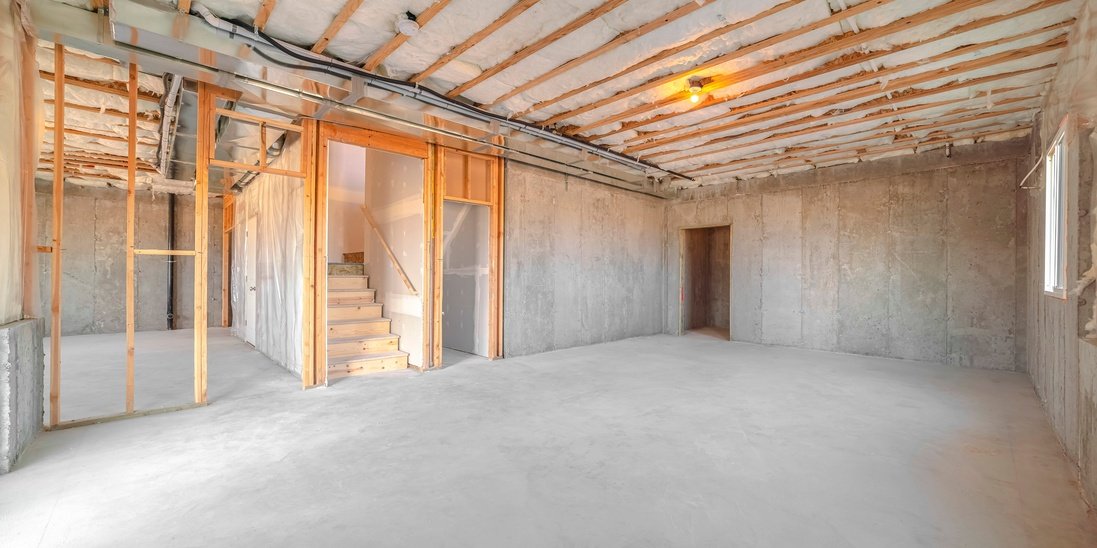
Hidden Secrets of a Basement: Red Flags in Your Home
Your basement is likely hiding a few secrets and if you don’t attempt to uncover them, you’ll risk your health. Watch for these red flags in your home.
Your basement is a wonderful bonus space—perfect for a playroom, home office, or extra storage. But it can also hide serious problems that affect your home’s health and safety. Knowing what red flags are in your home can save you time, money, and stress. Let’s uncover the hidden secrets of a basement.
Signs of Water Damage
Water is a basement’s number one enemy. Even small leaks can lead to big problems, so you need to spot the signs early.
Look for discolored patches or streaks on the walls and floors. These stains, often yellow or brown, show where water has been. You might also notice peeling paint or bubbling wallpaper, which indicates trapped moisture behind the surface. A damp, musty smell is another clear giveaway that you have a moisture issue, even if you can’t see a visible leak.
Cracks in the Foundation
Finding cracks in your basement walls or floor is alarming. While some small, hairline cracks are normal as a house settles, others can signal serious structural issues.
Pay close attention to these types of cracks:
Horizontal Cracks: These often indicate pressure from the soil or water outside, which can cause your walls to bow inward.
Stair-Step Cracks: Cracks that run in a zig-zag pattern through concrete blocks or bricks can mean the foundation is settling unevenly.
Wide Cracks: Any crack wider than a quarter of an inch needs a professional evaluation.
Ignoring these warnings could compromise your home’s entire structure, so address them quickly.
Watch Out for Mold and Mildew
Where there’s moisture, mold and mildew are sure to follow. These fungi can grow on walls, ceilings, and even stored items. Mold often appears as black, green, or white patches and can have a fuzzy or slimy texture.
Mold damages your home and poses health risks, triggering allergies and respiratory problems for your family. It’s important to act fast if you see or smell mold. For small areas, a simple cleaning solution might work. For larger infestations, you will need professional help.
After cleaning, you must fix the underlying moisture problem to prevent the mold from returning. If you have ongoing issues, you will need to choose the right mitigation system for your basement to keep it dry for good.
Pest Infestations
Basements provide a dark, quiet shelter for pests like insects and rodents. Look for droppings, nests made of shredded paper or fabric, and gnaw marks on wood or boxes.
Small holes in the foundation or gaps around pipes are common entry points for these unwanted guests. Sealing these openings and keeping your basement clean and dry can keep pests away.
By regularly checking your home’s basement for these red flags, you can catch problems before they become costly and dangerous. A safe and dry basement means a healthier home for you and your loved ones. If you spot any of these issues, don’t hesitate to contact a professional for an inspection.

