

A resource for those seeking information on organizing and transforming spaces.

Clear Signs You’ll Need New Mulch Next Spring
Your mulch is likely fine the way that it is but it could stand for a refresh. These are the clear signs you’ll need new mulch next spring.
If you’re already dreaming of sunny spring days and getting your garden ready, you’re not alone. Planning ahead is a great way to make sure your yard looks its best. One of the most important tasks is checking on your mulch. Over winter, mulch can break down or wash away, leaving your plants without the protection they need.
Knowing the signs of old or ineffective mulch can help you get a head start on your spring gardening to-do list. Let’s look at a few clear signs you’ll need new mulch next spring and what to watch for so that your garden beds are healthy and beautiful.
Your Mulch Looks Thin and Patchy
Walk around your garden beds and take a close look at the mulch layer. Do you see bare spots where the soil is peeking through? Can you easily see the fabric liner underneath? A healthy layer of mulch should be about two to three inches deep. This depth keeps weeds down and holds moisture in the soil.
If your mulch looks thin and uneven, it’s a clear signal that it has decomposed or been displaced by winter wind and rain. You’ll need to add a fresh layer to restore its protective benefits.
The Color Has Faded
Fresh mulch has a rich, vibrant color, whether it’s reddish-brown, dark brown, or black. Over time, sun and rain will cause that color to fade to a dull gray. While faded mulch isn’t necessarily a problem for soil health, it does make your garden beds look tired and less appealing.
If the appearance of your landscaping is important to you, faded color is a definite sign that it’s time for a refresh. A new layer will instantly boost your home’s curb appeal.
Weeds Are Popping Up Everywhere
One of the main jobs of mulch is to prevent weeds from sprouting. It does this by blocking sunlight from reaching the weed seeds in the soil. If you notice a lot of new weeds coming up through your mulch, it’s a strong indicator that your mulch layer is too thin or has broken down too much to be effective. Before you add new mulch, make sure to pull out any existing weeds to give your garden a clean start.
You See Signs of Pests or Disease
Take a moment to inspect your old mulch for signs of trouble. Look for things like fungus, mold, or insects. Sometimes, old, compacted mulch can create a damp environment that invites pests or plant diseases.
You might also find that mixing mulch, soil, and rocks creates drainage issues or harbors unwanted guests. If you notice any of these problems, it’s best to remove the old material completely before adding a fresh, clean layer in the spring.
Refresh Your Garden This Spring
Being watchful for the signs you’ll need new mulch next spring saves you time and effort when the busy season arrives. A fresh layer does more than just make your garden look good; it helps your plants thrive by:
Retaining soil moisture
Suppressing weeds
Regulating soil temperature
By adding “check the mulch” to your winter checklist, you set yourself up for a beautiful and healthy garden that you can enjoy all season long.

Small Daily Habits That Completely Change Your Home Life
A calm and organised home rarely comes from one big effort or a sudden burst of motivation. More often, it’s built through small daily habits that slowly shape how we live, think, and interact with our space. When everyday routines are intentional and simple, home life becomes easier to manage, healthier, and far less stressful.
A calm and organised home rarely comes from one big effort or a sudden burst of motivation. More often, it’s built through small daily habits that slowly shape how we live, think, and interact with our space. When everyday routines are intentional and simple, home life becomes easier to manage, healthier, and far less stressful.
Many people feel overwhelmed at home not because they do too little, but because they wait too long. Mess, unfinished tasks, and forgotten responsibilities tend to pile up quietly. The good news is that consistency matters more than intensity. A few mindful actions each day can completely change how your home feels and functions over time.
Start the Day by Resetting Your Space
Beginning the day with a quick home reset sets a positive tone. Making the bed, opening the windows, and clearing visible clutter helps your space feel fresh and welcoming. These small actions create a sense of control and order before the day truly begins.
A tidy morning environment reduces stress and helps you approach your responsibilities with more focus. When your surroundings feel calm, it’s easier to move through the day with clarity and intention.
Clean as You Go Instead of Letting Mess Build Up
One of the most effective habits for maintaining a clean home is cleaning as you go. Washing dishes immediately after meals, wiping down surfaces, and putting items back where they belong prevents clutter from accumulating.
This habit eliminates the need for long, exhausting cleaning sessions. Over time, your home stays consistently tidy, and cleaning becomes part of your routine rather than a task you constantly postpone.
Create Simple Evening Routines
Evenings are the ideal time to prepare your home for the next day. Spending 10–15 minutes tidying shared spaces, setting out clothes, or preparing lunches can make mornings far smoother.
A simple evening routine also provides a sense of closure at the end of the day. Knowing that things are organised allows you to relax more fully and wake up feeling prepared instead of rushed.
Declutter a Little Every Day
Decluttering doesn’t need to be overwhelming. Focusing on one small area each day, a drawer, a shelf, or a single surface, is often enough to see real progress.
Removing items you no longer use creates physical space and mental clarity. Over time, this habit prevents clutter from returning and makes cleaning quicker and easier.
Stay on Top of Everyday Responsibilities
A well-run home isn’t only about cleanliness, it’s also about managing responsibilities consistently. Paying bills on time, handling paperwork, and keeping track of appointments all help reduce long-term stress and prevent small tasks from turning into bigger problems.
Health-related responsibilities are just as important. Booking regular check-ups instead of postponing them helps you stay organised and avoid unnecessary worry. For example, scheduling routine dental visits with a trusted dentist in Jordan Springs can become part of your regular home and life maintenance routine, supporting both your health and your peace of mind.
Use Short Daily Time Blocks for Household Tasks
You don’t need hours to maintain your home. Short, focused time blocks are often more effective. Ten minutes to fold laundry, five minutes to sort mail, or a quick sweep of the floor all make a noticeable difference.
These small bursts of effort add up quickly and are much easier to maintain, even on busy days. Over time, your home stays cleaner with far less effort.
Create Clear Organisation Zones
Giving everyday items a designated place makes daily life easier. Keys, bags, shoes, mail, and cleaning supplies should all have clear homes.
When everything has a place, clutter becomes easier to control. This habit saves time, reduces frustration, and helps everyone in the household stay organised without constant reminders.
Build Health-Supporting Habits at Home
A healthy home supports your overall well-being. Simple habits like airing out rooms, cleaning high-touch surfaces, and maintaining hygiene routines contribute to a safer and more comfortable living environment.
These habits also extend beyond the home. Keeping hygiene supplies stocked, staying consistent with self-care routines, and managing health appointments all play a role in creating balance and reducing stress.
Practice Mindful Consumption
One often-overlooked habit is being mindful about what enters your home. Before buying new items, ask whether they are truly needed and where they will be stored.
Mindful consumption reduces clutter, saves money, and makes it easier to maintain an organised space. Over time, this habit helps your home feel lighter and more intentional.
Use Checklists to Stay Consistent
Checklists are powerful tools for building habits. A simple daily or weekly list for cleaning, errands, or maintenance tasks helps ensure nothing gets forgotten.
Checking off tasks provides a sense of progress and accomplishment. Eventually, many tasks become automatic, reducing mental effort and decision fatigue.
Share Responsibilities Within the Household
A home functions best when responsibilities are shared. Dividing tasks fairly reduces pressure on one person and builds a sense of cooperation. Clear expectations and simple routines help avoid tension around chores. When everyone contributes, the home feels more balanced and easier to maintain.
End the Day With a Calm Reset
Before going to bed, take a few minutes to reset your space. Clear the living area, wash any remaining dishes, and prepare for the next day. Waking up to a tidy home makes mornings calmer and more productive. This small habit has a surprisingly large impact on daily stress levels.
Review and Adjust Your Habits Weekly
Once a week, take a few minutes to review what’s working and what isn’t. Adjust routines as needed and let go of habits that no longer serve you.
Home life changes over time, and flexibility is key. Regular reflection helps keep your routines realistic and sustainable.
Conclusion: Small Habits, Lasting Change
A peaceful home is not created overnight. It’s built through small, consistent actions that support cleanliness, organisation, and responsibility. By managing daily tasks, staying organised, and caring for your health, you create a space that works for you rather than against you.
Over time, these habits lead to a calmer, healthier, and more enjoyable home life. The changes may seem small, but their impact is lasting.

How to Choose the Right Professional Organizer for Your Home
Clutter can make a home feel chaotic and stressful, with every room serving as a reminder of unfinished tasks. A professional organizer can help turn this chaos into a calm, functional space that suits your lifestyle. By the end, you’ll know what to look for in the right organizer for your home.
We partnered with a home organizing company for this post. The opinions in the post are honest. All reviews and opinions expressed in this post are based on our personal views. We are excited because we know you will love it.

Clutter can make a home feel chaotic and stressful, with every room serving as a reminder of unfinished tasks. A professional organizer can help turn this chaos into a calm, functional space that suits your lifestyle. By the end, you’ll know what to look for in the right organizer for your home.
Step 1: Get Clear on What You Need
Before searching for a professional organizer, take a moment to identify what you truly need support with, whether it’s general clutter, a life transition, or a specific area, such as the kitchen or home office. Pinpoint the main trouble spots—closets, the garage, or a workspace that no longer functions well. Consider your timeline, whether you want quick progress or a slower, steadier approach, along with any limits related to budget, energy, or readiness to let things go. Clarifying these pieces provides a clearer picture of the type of organizer who will best suit your situation.
Step 2: Find Organizers Who Match Your Style and Situation
Each professional organizer brings a distinct approach, so take a moment to find someone whose methods align with how you want your home to function. Some emphasize a minimalist aesthetic, while others create spaces that feel warm and comfortably lived-in. You may prefer a polished, Instagram-ready result, or you may want solutions that prioritize practicality and everyday ease. It helps to be clear about which direction feels most suitable for your household.
Specializations also vary widely. Many organizers focus on whole-home projects, while others concentrate on packing and unpacking, supporting moves or downsizing, or working with specific groups such as families, seniors, or neurodivergent clients. These distinctions shape your experience, so look for someone whose background naturally fits your needs.
As you review websites and portfolios, take note of the photos, language, and overall tone. Do the rooms look achievable for your lifestyle? Do the descriptions feel approachable and realistic? These small cues offer helpful insight into whether their style aligns with your expectations. If you’re in the Washington, D.C. area, Sort It Out—led by professional organizer Gillian Economou—shows how a team can communicate its specialties and a judgment-free philosophy.
Selecting an organizer whose outlook resonates with your own sets the stage for a steady, reassuring partnership as you refresh your space.
Step 3: Check Experience, Process & Reviews
Once you’ve narrowed your list, take a closer look at the organizer’s background and how they structure their work. Project examples offer a clear sense of their style, the types of spaces they manage, and how they approach different household needs. Their process should feel steady and transparent, typically beginning with a consultation, progressing to hands-on sessions, and concluding with thoughtful follow-up to help you maintain the results.
Reviews can offer even more profound insight. Look for comments from clients who felt comfortable throughout the process, appreciated a judgment-free approach, and experienced changes that continued well after the sessions ended. These details often reflect an organizer who listens carefully, adapts to each individual's needs, and supports clients respectfully and sustainably.
Step 4: Use the Consultation Wisely
The consultation is your opportunity to determine if an organizer is a good fit. Consider setting up a brief call or virtual tour of your space. Use this time to ask specific questions about their methods and how they align with your needs. Find out how they support clients who feel overwhelmed, what a typical session looks like, and whether they provide assistance with donations or recycling. Understanding their pricing and how they ensure systems stay in place will also guide your decision.
Step 5: Compare Pricing and Fit
When comparing organizers, look at their pricing models. Some charge by the hour, while others offer packages that might include multiple sessions or team-based work. Additional services, such as product shopping or donation drop-offs, can also impact the cost. While budget matters, prioritize the value and comfort you have with the organizer rather than the lowest price. The right fit will offer support and solutions that make the investment worthwhile.
Red Flags
Be aware of warning signs as you explore your options. Vague pricing, a lack of photos or reviews, and dismissive language are all red flags. An organizer who doesn't take the time to understand your lifestyle and preferences may not be the best choice for a successful partnership.
Shaping a Home That Works for You
It's normal to feel embarrassed about clutter, but remember that professional organizers have seen it all. The right organizer will approach your home with understanding and support, not judgment. By following these steps, you can find someone who helps transform your space into a more organized, functional environment. Begin by booking a consultation and focus on one area to start. This small step can lead to a more organized and peaceful home.
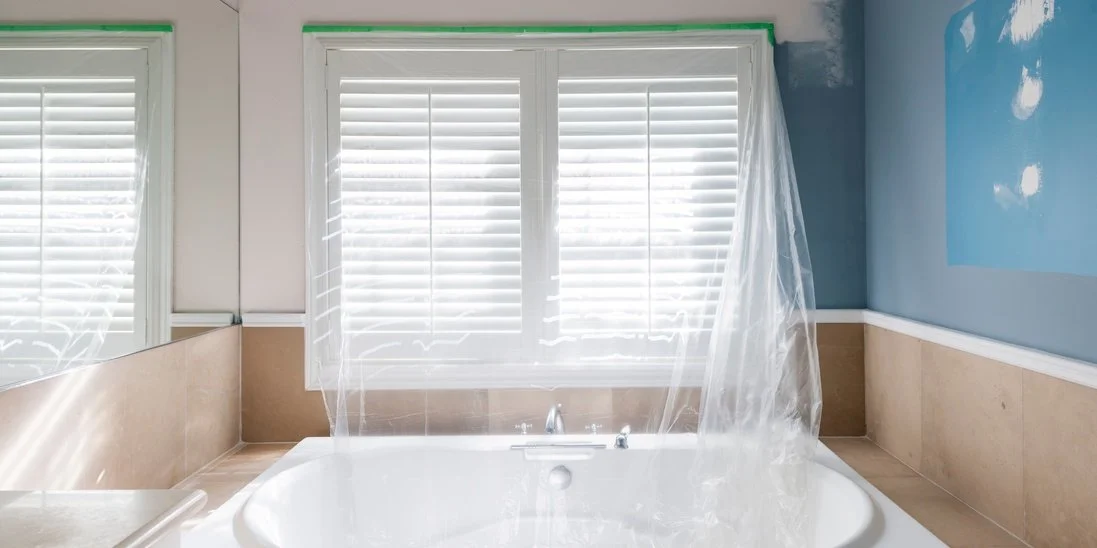
Choosing the Perfect Color Palette for Bathrooms
Choosing the perfect color palette for bathrooms can transform your space. Create a mood that fits your style with colors that inspire and energize.
Imagine stepping into a bathroom that instantly lifts your mood. It’s a place where every color feels just right, inviting you to unwind or energize your morning. The right palette transforms daily routines into small moments of joy.
For homeowners and busy moms juggling countless decisions, choosing the perfect color palette for bathrooms becomes a creative opportunity to shape a comfortable, personal retreat that actually works for your whole family. Let’s look at how to turn inspiration into a space you’ll love waking up to.
Understand Color Psychology
Colors can strongly influence how a space feels. For a calm, spa-like atmosphere, consider soft blues, greens, or light grays. These cool tones often create a sense of tranquility and openness. If you prefer a more energetic, vibrant feel, warm colors like soft yellows or terracotta can add a touch of cheer. White and off-white are classic choices that make a bathroom feel bright and spacious.
Consider the Size of Your Bathroom
The size of your bathroom could dictate what colors you choose. Lighter colors can magically make a small room appear larger and more open by reflecting light. If you have a small powder room, using shades of white, beige, or pastel can create an illusion of space. In larger bathrooms, you have more freedom to experiment with darker or bolder colors, such as navy blue or charcoal gray, to create a dramatic and cozy effect without making the room feel cramped.
Harmonize With Existing Elements
Your bathroom’s existing fixtures will influence your color choices. Look at the undertones in your tiles, countertop, and hardware. Do they lean warm (beige, cream) or cool (gray, silver)? Selecting a wall color that complements these undertones will create a cohesive look. This is also a good time to think about your cabinets, as the best cabinet styles for a contemporary bathroom will tie the whole design together.
Use the 60-30-10 Rule
A helpful design principle is the 60-30-10 rule. This guide suggests using a dominant color for 60% of the space (typically the walls), a secondary color for 30% (like the vanity or textiles), and an accent color for the remaining 10% (towels, art, or accessories). This balanced approach creates visual interest without overwhelming the senses.
Your bathroom is a blank canvas, ready for your creativity. Dive into swatches at the store to find something you like. Remember to trust your instincts; every color reflects your unique aesthetic. All it takes is the thrill of choosing the perfect color palette for bathrooms—and the possibilities are wide open.

