

A resource for those seeking information on organizing and transforming spaces.
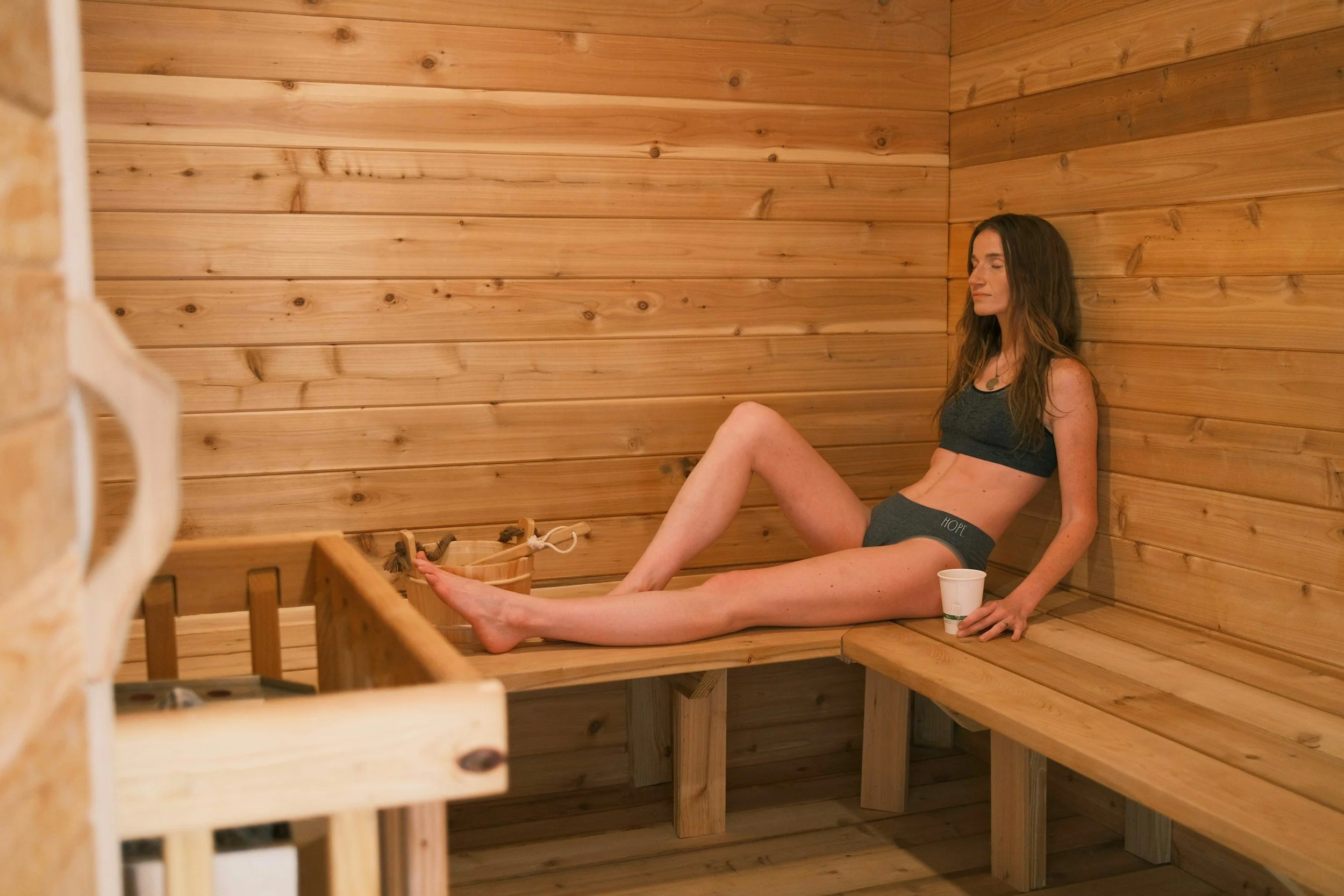
Backyard vs. Indoor Saunas: Which One’s Right for You?
Choosing between an indoor or backyard sauna? Learn the pros and cons of each to find the perfect fit for your home and lifestyle. Read our full guide.
We partnered with a home improvement company for this post. The opinions in the post are honest. All reviews and opinions expressed in this post are based on our personal views. We are excited because we know you will love it.
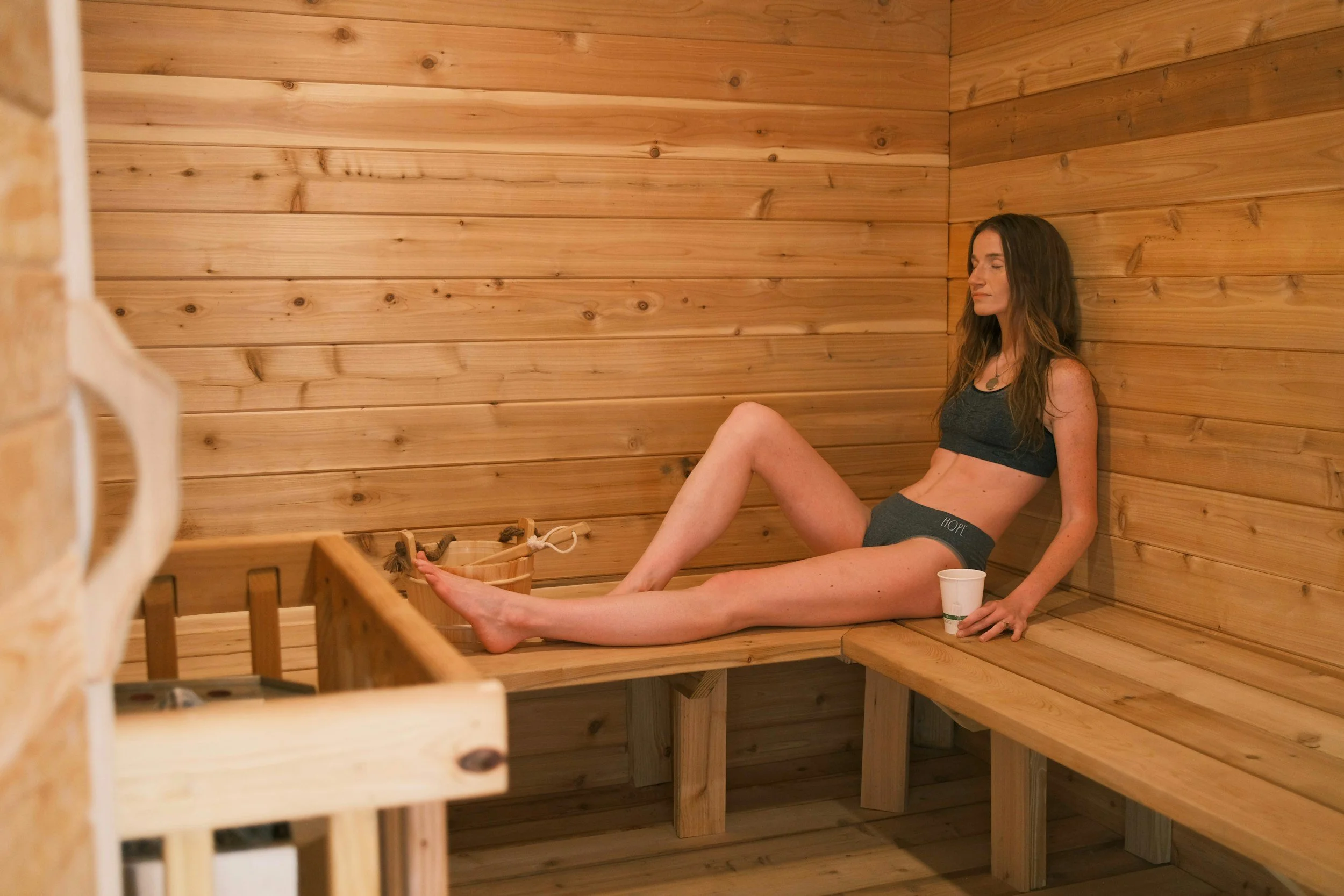
So you’ve decided to bring the spa to your home. That’s a great choice! We think adding a sauna into your at home routine is the best thing for your health. It reduces stress, improves circulation and also feels great after a long day.
Where does it go?
Between a backyard or an indoor sauna that is a big call. What each has to offer is amazing but what works best varies by your lifestyle and space you have. We are going to go through it all to help you find your perfect fit.
The Charm of the Backyard Sauna
There’s a magic to that which happens when you step out for a sauna. Backyard saunas, what we also know as outdoor saunas, are very much in trend at the moment. Here is what people love about them.
The Relationship with Nature.
A home sauna which is set up in the back yard provides a break from daily life which a room in the house can’t. Picture yourself in the warmth as the snow falls or the sun sets beyond the window. It brings your health routine to the great outdoors. If you like the crisp air and the sound of birds that’s what you will get with a backyard sauna.
No space issues:
In your home you are bound by the height of your ceilings and width of your hallways. Outdoors the sky is the limit. We have larger cabin options as well as barrel saunas. These are great for throwing “sauna parties” with friends and family.
Aesthetic value:
In the back yard you will find a beautiful cedar sauna which is a piece of art. Also it can add to the value of your home and may even increase it. Many home owners use them as a focus for their outdoor living which is by the pool or fire pit.
Things to Consider for Outdoor Units
While at home saunas which are beautiful, they do require some work. You will want to create a solid flat base like a concrete pad or a wooden deck. Also bear in which weather condition you live in. In very cold climates your sauna may not get up to temperature as quickly.
Also you will see that we have the task of running in the electrical or gas to your back yard. This adds to the initial price. But for many the experience of privacy which it brings at home is well worth it. For the in-depth tech info on outdoor home saunas which will help you choose your site, see the various Home Sauna resources.
The Convenience of the Indoor Sauna
If you like convenience and ease of use then an indoor sauna may be what you are looking for. These units are to fit into your present home setting.
Ultimate ease of use:
Indoor saunas are the hands down choice in terms of convenience. You don’t have to brave the elements to get to your session which is a plus. Also because they are so easy to access, most people report that they use indoor saunas more often than outdoor ones.
Speed up heat transfer and efficiency:
Indoor saunas are sheltered from the elements. Also they are in a controlled temperature environment which they heat up very quickly. Also they are very energy efficient as they don’t have to counteract the cold of the outdoors.
Lower care:
In your indoor sauna you don’t have to worry about leaves, dirt, or insects they can’t get in. Also the exterior wood is protected from sun and rain which in turn will keep your sauna looking brand new for a very long time with almost no effort.
Where Does an Indoor Sauna Fit?
Many present day homes feature infrared technology in their indoor saunas. What we see is that they produce little to no steam which in turn makes them very safe for use in spare bedrooms, basements and even large master bathrooms. Companies like Sun Home Saunas also do very well at presenting a modern look which is very much at home in a home gym or a dedicated wellness room.
Comparing the Costs
Budget is a key issue. Also it has been noted that in most cases installing an indoor sauna is a more affordable option out there. This is due to the fact that you are reusing the existing floor and roof structure also in many cases the electrical is taken care of.
Outdoor saunas do break the bank. You are creating a small weather resistant structure. Also you have to factor in the cost of the foundation, the roof, and the long distance wiring. But the atmosphere which an outdoor sauna brings to you is hard to put a price on.
Feature
Indoor Sauna
Backyard Sauna
Ease of Access
Very High
Moderate
Installation Cost
Lower
Higher
View/Vibe
Homey/Private
Nature-focused
Maintenance
Minimal
Moderate
Social Space
Limited
High
Which One Is Right for You?
Still unsure? Consider this:.
What can I fit into my space? If you live in a condo or have a small yard go indoors. If you have a large garden, go outdoors.
What’s my climate? If you live somewhere that has very cold winters and you don’t care for it, you may regret going out of your home to get to the sauna.
What are you after? For a quick daily health pick me up indoors is best. If what you are looking for is a “get away” experience to share with friends, head to the backyard.
Final Thoughts
Whether it’s an in-home sauna or a private cabin in the back yard, you are doing what is best for your health. Saunas improve your sleep, they aid in recovery from work out, and also give you a break from the digital world and real life.
Take your time to look at your space, see what your budget is, and imagine which one you will relax in the most. No matter which you choose, the heat will be great!

What Does It Mean To Bleed a Radiator? The More You Know
Having a radiator in your home means full control over your comfort settings, but sometimes you need to perform a radiator bleed—the more you know.
When the weather gets chilly, the last thing you want is a radiator that isn’t working properly. If you’ve noticed your radiator is cold at the top and warm at the bottom, or it’s making gurgling sounds, it might be time to bleed it. This simple maintenance task can improve your home’s heating and save you money on energy bills.
Below, you’ll learn what it means to bleed a radiator, why it’s important, and how you can do it yourself.
Why Radiators Need Bleeding
Over time, air can get trapped inside your central heating system. Since water can’t circulate effectively when air is in the way, this trapped air creates cold spots on your radiators. Bleeding a radiator is simply the process of releasing this trapped air. When you let the air out, hot water can fill the entire radiator again, allowing it to heat your room evenly and efficiently.
This process ensures your heating system runs at its best. A system with trapped air must work harder to warm your home, which increases your energy consumption and, consequently, your heating bills. Regularly bleeding your radiators is a key part of home maintenance.
How To Know When To Bleed Your Radiator
You don’t need to be a heating expert to spot the signs. Here are the main indicators that your radiator needs bleeding:
The top of the radiator feels cold yet the bottom feels warm.
You hear bubbling or clanking noises coming from your radiators or pipes.
The room feels colder than usual, even when the heating is on full.
If you notice any of these signs, bleeding your radiator is a good first step. It’s a quick fix that often solves the problem without needing to call a professional.
How To Bleed a Radiator
Bleeding a radiator is a straightforward job you can do yourself. First, gather your tools: you will need a radiator key (available at any hardware store), a cloth or rag, and a small bowl to catch any water.
Start by turning off your central heating and waiting for the radiators to cool down completely. This prevents you from getting burned by hot water. Find the bleed valve, which is a small metal square located at the top corner of your radiator. Place your cloth on the floor and hold the bowl under the valve to catch drips.
Insert the radiator key into the bleed valve and turn it counterclockwise. You’ll notice a hissing noise as the trapped air begins to release. Once the hissing stops and water starts to trickle out, quickly turn the key clockwise to close the valve. Make sure not to overtighten it. After you bleed all the necessary radiators, turn your heating system back on.
Check your boiler’s pressure gauge, as you may need to top it up. For even greater control over your heating, you might consider having a professional install a thermostatic radiator valve on each unit.
Bleeding your radiators is a simple task that makes a big difference in your home’s comfort and energy efficiency. By performing this quick maintenance check, you ensure your heating system works effectively, keeping your family warm throughout the colder months.
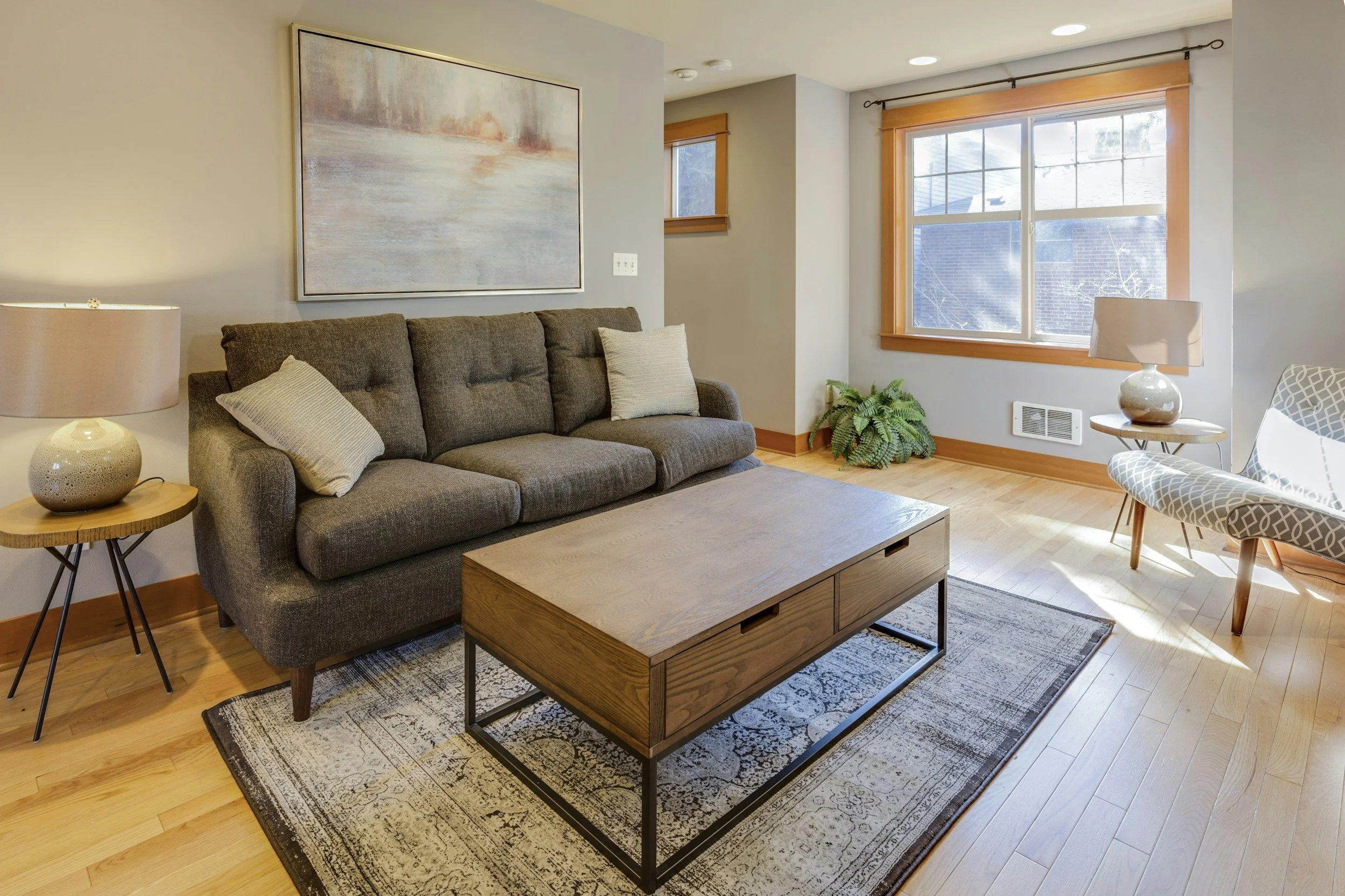
How to Maximize Small Home Spaces with Smart Storage Solutions
Small home living is a design reality shaped by urban density, rising housing costs, and changing lifestyles.
Smart storage solutions are systems and strategies that optimize how space is used, accessed, and maintained without increasing square footage.
We partnered with a home improvement company for this post. The opinions in the post are honest. All reviews and opinions expressed in this post are based on our personal views. We are excited because we know you will love it.
Introduction
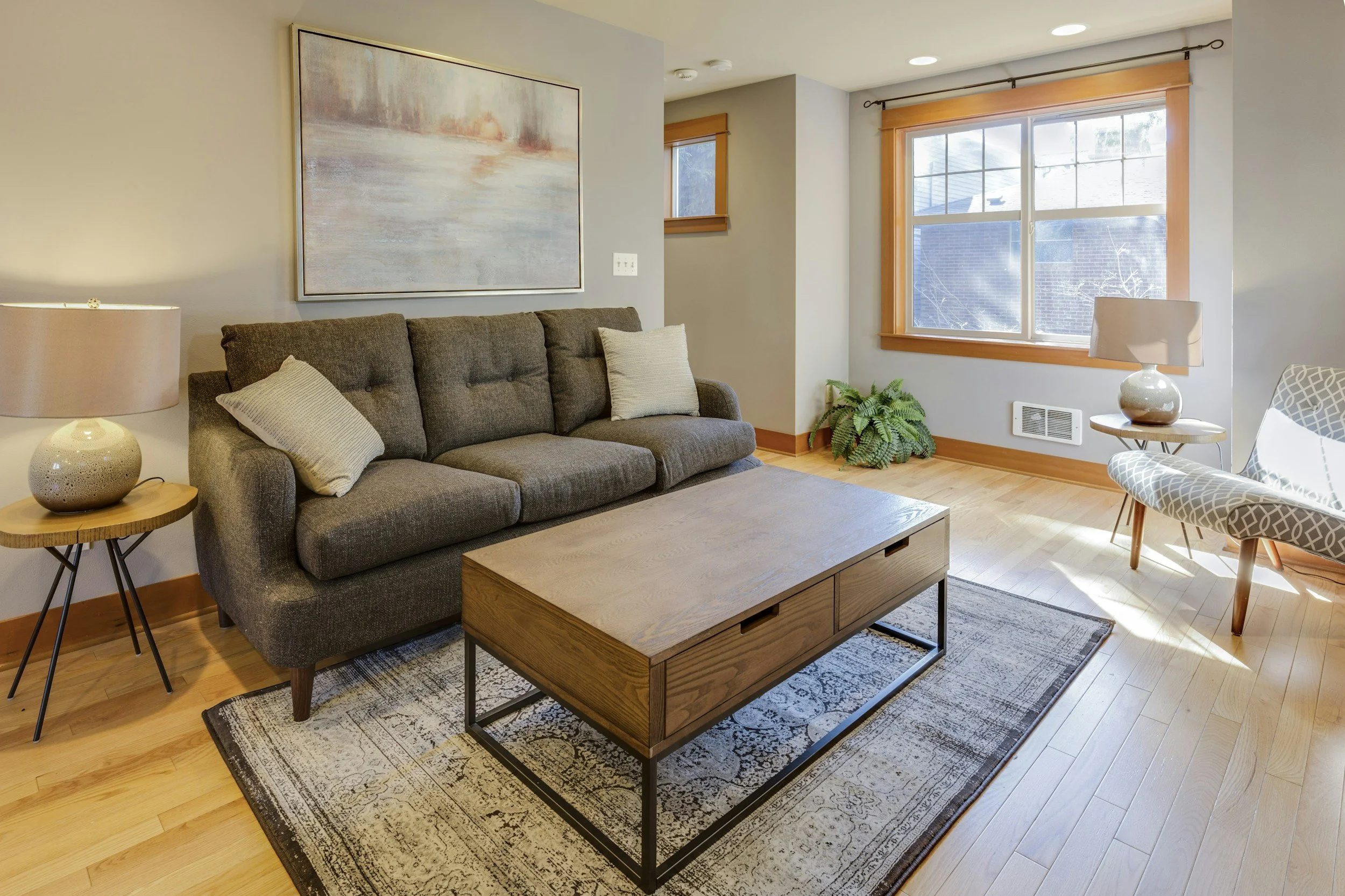
Small home living is a design reality shaped by urban density, rising housing costs, and changing lifestyles.
Smart storage solutions are systems and strategies that optimize how space is used, accessed, and maintained without increasing square footage.
In the UK and US, over 40 percent of urban households live in homes under 1,000 square feet, and storage limitations consistently rank among the top sources of daily household stress.
That pressure builds quietly, one crowded drawer or overflowing closet at a time.
This guide explores how to maximize small home spaces using clever storage solutions that balance function, flow, and long-term usability.
You will learn how to assess your space, select the right storage systems, optimize each room, and maintain organization without constant resets.
Why Do Small Homes Feel Cluttered So Quickly?
Small homes feel cluttered quickly because limited floor area amplifies every storage inefficiency and visual interruption.
When storage is poorly planned, items remain visible, circulation paths shrink, and daily routines become harder to complete smoothly.
Clutter is not only about quantity.
Clutter is the result of friction between how a space is used and how it is designed to support that use.
In compact homes, horizontal storage fills up fast, while vertical space is often ignored.
Without zoning, objects drift into shared areas and accumulate where they do not belong.
Over time, the home loses its ability to reset itself naturally.
Smart storage addresses this by aligning storage location, accessibility, and capacity with real behavior rather than idealized habits.
What Are Smart Storage Solutions?
Innovative storage solutions are integrated systems that organize, conceal, and distribute belongings efficiently within limited space.
They combine physical design, modular systems, and behavioral logic to reduce clutter without sacrificing access.
Unlike basic shelving, smart storage adapts to changing needs.
It prioritizes vertical space, multi-use components, and hidden capacity while maintaining visual clarity.
Common types include modular storage units, vertical wall systems, multi-functional furniture, and concealed compartments.
Each category serves a different purpose, but all share the same goal.
Smart storage makes space work harder without feeling crowded.
How Do You Assess Your Space Before Adding Storage?
Maximizing storage starts with understanding how your home actually functions, not how it looks in photos.
There are three core steps involved in assessing a small home before introducing new storage systems.
Identify underused or dead zones such as corners, high walls, or awkward recesses.
Observe daily movement patterns and friction points.
Measure and prioritize zones based on frequency of use.
This assessment prevents overbuilding storage that looks good but fails in practice.
Step 1: Identify Dead and Underused Areas
Dead space is any area that exists structurally but is not actively used for storage or movement.
In small homes, dead space often appears above doors, under stairs, beneath beds, or along narrow walls.
These areas are valuable because they add capacity without affecting flow.
Vertical expansion is especially effective because it preserves floor area while increasing volume.
Step 2: Analyze Daily Movement and Habits
Storage should support behavior, not fight it.
Analyzing habits reveals where items naturally land and where friction occurs.
If shoes pile near the door or mail stacks on the counter, the issue is not discipline.
The issue is the lack of storage aligned with real routines.
Step 3: Measure, Map, and Prioritize Zones
Measurement converts potential into precision.
Mapping storage zones allows you to assign capacity where it delivers the highest return.
High-frequency zones deserve accessible storage.
Low-frequency items belong in higher or concealed locations.
What Are the Best Smart Storage Solutions for Small Homes?
The best storage solutions for small homes combine adaptability, accessibility, and minimal visual weight.
They increase usable volume while preserving openness.
Four categories consistently deliver strong results in compact spaces.
Vertical Storage Systems
Vertical storage systems are wall-mounted or floor-to-ceiling structures that use height instead of width.
They include shelving units, pegboards, tall cabinets, and rail-based systems.
Vertical storage works because walls are often underutilized.
By lifting storage off the floor, the room remains visually open while gaining capacity.
Common vertical storage types include
Wall-mounted shelving for books and decor
Pegboards for tools and accessories
Tall cabinets for pantry or linen storage
In many homes, these systems are fabricated using precision metal components formed with equipment such as press brake machines, which shape sheet metal accurately for compact, load-bearing designs.
Well-engineered vertical storage maintains strength while minimizing bulk, a principle borrowed from industrial space optimization.
Multi-Functional Furniture
Multi-functional furniture is furniture that integrates storage into its structure.
Examples include beds with drawers, ottomans with compartments, and fold-out desks with shelving.
These pieces reduce the need for separate storage units.
They also simplify layouts by combining functions into a single footprint.
Multi-functional furniture is convenient in studios and shared rooms where zoning matters.
Built-In and Custom Storage
Built-in storage is storage designed to fit specific architectural features.
This includes alcove shelving, under-stair cabinets, and fitted wardrobes.
Built-ins maximize awkward spaces that standard furniture cannot address.
They also enhance visual continuity by blending with the home's structure.
Hidden and Concealed Storage
Hidden storage solutions conceal capacity within existing surfaces.
Examples include toe-kick drawers, lift-up seating, and behind-door racks.
These systems are ideal for storing low-use items while maintaining a clean aesthetic.
How Can You Maximize Storage Room by Room?
Room-specific storage planning ensures each area supports its primary function without overlap.
Small Living Rooms
Living rooms benefit from storage that doubles as furniture or blends into walls.
Floating shelves, storage benches, and media units with concealed compartments work well.
The goal is to keep surfaces clear while maintaining access to everyday items.
Compact Kitchens
Kitchens in small homes demand high-efficiency storage because every inch matters.
Smart kitchen storage relies on vertical organization, drawer segmentation, and equipment scaled to the space.
Drawer organizers, pull-out pantries, and wall-mounted racks reduce congestion.
Choosing compact commercial-grade solutions, such as stainless steel work tables designed for tight footprints, can also improve workflow without crowding.
Many small home kitchens borrow layout logic from professional environments, where space efficiency is critical.
This is why homeowners increasingly reference compact equipment design principles used in commercial kitchen sinks planning when optimizing storage and work surfaces.
Bedrooms with Limited Closet Space
Bedrooms benefit from under-bed storage, headboard shelving, and vertical wardrobes.
Seasonal items should move upward, while daily items stay within reach. If you still have belongings you rarely use but don’t want to part with, a self-storage marketplace like StorageCafe can help you find a small nearby unit, so your bedroom stays calm and clutter-free.
Bathrooms and Utility Areas
Bathrooms require moisture-resistant storage that prioritizes access and hygiene.
Wall cabinets, over-toilet shelving, and recessed niches maximize functionality without clutter.
What Are the Main Benefits of Smart Storage Solutions?
Smart storage solutions deliver multiple advantages that extend beyond the organization.
Five primary benefits consistently stand out.
The five main benefits include
Improve usability by aligning storage with daily routines
Increase capacity by utilizing vertical and hidden space
Reduce visual clutter by concealing low-use items
Enhance flexibility through modular and adaptable systems
Support long-term organization by reducing reset cycles
Each benefit compounds over time as habits stabilize and friction decreases.
What Are the Common Limitations of Smart Storage in Small Homes?
Despite their advantages, intelligent storage systems have limitations.
There are four main disadvantages to consider.
The four key limitations include
Increase upfront cost when custom or built-in solutions are used
Require planning precision to avoid wasted capacity
Limit flexibility when layouts change significantly
Demand maintenance to prevent overfilling
Understanding these limitations sets realistic expectations and leads to better outcomes.
Modular Storage vs Built-In Storage: Which Is Better for Small Spaces?
Modular storage offers flexibility, while built-in storage delivers maximum efficiency for fixed layouts.
The right choice depends on mobility, budget, and long-term plans.
Modular systems are adjustable and reusable.
Built-ins maximize every millimeter but are permanent.
A comparison table should evaluate cost, adaptability, installation complexity, and resale impact.
How Much Do Smart Storage Solutions Cost?
Smart storage costs vary widely based on materials, customization, and installation.
Average price ranges span from affordable modular systems to premium custom builds.
Typical costs range from 300 to 1,500 USD for modular systems and 2,000 to 8,000 USD for built-in solutions.
In the UK, comparable costs range from 250 to 1,200 GBP and 1,800 to 6,500 GBP.
The four main cost factors include
Materials used, such as wood, metal, or composites
Level of customization required
Installation complexity
Hardware and finishing quality
How Can You Maintain an Organized Small Home Long Term?
Long-term organization succeeds when systems support behavior rather than rely on motivation.
Consistency comes from reducing friction and simplifying decisions.
Key habits include regular editing, assigning homes to items, and respecting capacity limits.
When storage fills, reassessment is required rather than expansion.
A small home stays organized when storage systems evolve alongside lifestyle changes.
Conclusion
Maximizing small home spaces is not about adding more storage.
It is about adding the proper storage in the right places.
Smart storage solutions transform limited square footage into functional, adaptable environments that support daily life rather than restrict it.
By carefully assessing space, choosing appropriate systems, and maintaining realistic habits, small homes can feel open, efficient, and calm.
When storage works with you instead of against you, space stops feeling small.

From Rink To Rack: A Smarter Way To Organize Hockey Gear At Home
Hockey equipment has a reputation for being bulky, damp, and difficult to manage. Without a clear system, gear piles up in garages, mudrooms, or bedrooms, creating clutter and lingering odors. A thoughtful organization approach protects equipment, saves time, and keeps shared living spaces functional. With the right storage choices, hockey gear can fit cleanly into a well-run home.
Hockey equipment has a reputation for being bulky, damp, and difficult to manage. Without a clear system, gear piles up in garages, mudrooms, or bedrooms, creating clutter and lingering odors. A thoughtful organization approach protects equipment, saves time, and keeps shared living spaces functional. With the right storage choices, hockey gear can fit cleanly into a well-run home.
Assessing Space and Traffic Flow
Effective organization starts with selecting the right location. Garages, basements, and mudrooms are common options because they provide separation from living areas and allow for airflow. The space should support easy drop-off after practice and quick access on game days. Wall clearance, ceiling height, and proximity to doors all influence how gear can be stored without blocking movement through the area.
Storage Solutions for Bulky Gear
Hockey equipment benefits from vertical storage. Wall-mounted hooks, pegboards, and shelving units keep items off the floor and visible. Helmets, shoulder pads, and gloves dry more evenly when air can circulate them. For smaller items like tape or skate guards, labeled bins or drawer systems reduce searching and prevent loss. Long items such as hockey sticks can be stored upright in narrow racks or secured horizontally along a wall to avoid warping.
Drying and Ventilation Considerations
Moisture control is critical for maintaining equipment condition and minimizing odor. Open shelving and wire racks allow gear to dry naturally. Dedicated drying racks or boot dryers can speed up the process for skates and gloves. If the storage area lacks natural ventilation, a small fan or dehumidifier can make a noticeable difference in air quality and equipment longevity.
Organization for Shared Households
In homes with multiple players, clear organization prevents confusion. Assigning individual zones or color-coded hooks helps each person manage their own gear. Consistent placement encourages habits that keep the system working long term. When equipment has a designated home, cleanup becomes routine rather than a recurring chore.
A well-organized hockey gear setup supports both the sport and the household. By planning storage around space, airflow, and daily routines, families can keep equipment ready for the rink while maintaining order at home. To learn more about hockey equipment, look over the accompanying resource.


