

A resource for those seeking information on organizing and transforming spaces.

Top Mistakes People Make When Building Tiny Homes
Unexpected details affect every stage of your build. Mistakes people make when building tiny homes can shape your outcome more than you think.
Building a tiny home offers freedom and creativity you won't find with traditional housing. However, even well-intentioned plans can go off track without careful preparation. The mistakes people make when building tiny homes come down to overlooked details, from legal rules to overlooked design factors. Starting with a thoughtful approach helps you enjoy your home for years to come.
Neglecting Local Zoning Laws
Before you hire a builder or purchase materials, you must investigate where you can legally park your new home. Many municipalities have strict zoning codes regarding minimum square footage for permanent residences. Assuming you can buy a plot of land and park a tiny house on it is a frequent error. Verify local regulations on accessory dwelling units (ADUs) or RV parking to avoid eviction orders or fines after construction is complete.
Skimping on the Trailer Foundation
Unlike a traditional house, a mobile tiny home relies entirely on its trailer for stability. Trying to save money by purchasing a used or standard flatbed trailer often leads to structural failure. A tiny house requires a trailer specifically engineered to handle the perimeter weight of walls and a roof. Your builder should recommend a heavy-duty option designed for this specific purpose, guaranteeing your home remains level and secure during transport.
Overlooking Proper Insulation
Some people assume a smaller space is naturally easier to heat and cool, but this isn't always true. Thin walls mean less room for insulation, which can make your home freezing in winter and an oven in summer. Prioritize high-quality, closed-cell spray foam insulation over cheaper alternatives. This keeps your interior comfortable regardless of the weather outside.
Underestimating Storage Needs
Minimalism sounds appealing until you have nowhere to put your vacuum cleaner or winter coats. A common design flaw involves prioritizing open aesthetics over practical utility. Every staircase, kickplate, and loft edge offers potential storage space. Work with your builder to integrate hidden compartments and multifunctional furniture from the start, rather than adding them as an afterthought.
Failing To Plan for Future Moves
Thinking ahead about how you’ll relocate your tiny home down the road makes a real difference in both safety and convenience. Building with mobility in mind can help you avoid costly repairs or modifications when the time comes to move. In most cases, working with professionals pays off in the long run. Understanding the benefits of hiring tiny house moving experts ensures your home travels safely, saves you stress, and helps protect your investment from unexpected damage.
Building a tiny home is as much about thoughtful choices as it is about vision. Every phase offers a chance to sidestep the common mistakes people make when building tiny homes. Trust your instincts but rely on expert guidance whenever you reach an unfamiliar step. With planning and creativity, your compact dream space can come to life in a way that feels truly your own.
Selling a House With Old Paperwork or Missing Record
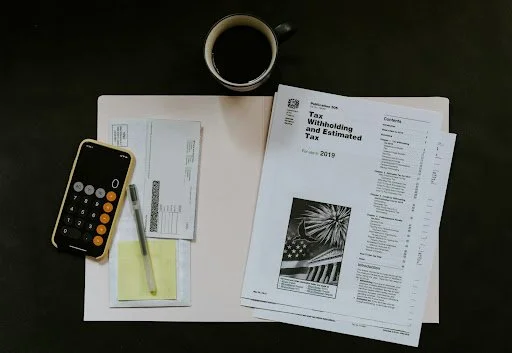
Selling a house can already feel stressful, and missing paperwork can make it even harder. Many homeowners deal with this problem when selling older homes, inherited properties, or houses bought years ago. Important documents like deeds, permits, and repair records may be lost, damaged, or never received. Buyers often want proof that a home is legally owned and properly maintained. When records are missing, the selling process can slow down. Still, with the right steps, a successful sale is possible.
We partnered with a real estate company for this post. The opinions in the post are honest. All reviews and opinions expressed in this post are based on our personal views. We are excited because we know you will love it.
Selling a house can already feel stressful, and missing paperwork can make it even harder. Many homeowners deal with this problem when selling older homes, inherited properties, or houses bought years ago. Important documents like deeds, permits, and repair records may be lost, damaged, or never received. Buyers often want proof that a home is legally owned and properly maintained. When records are missing, the selling process can slow down. Still, with the right steps, a successful sale is possible.
Missing paperwork does not always stop a home from being sold. Some buyers focus more on the property’s condition than on documents. Others are willing to accept risk if the price feels fair. Clear communication helps reduce confusion. Honesty builds trust between sellers and buyers. Preparation makes the process smoother for everyone.
This guide explains why records go missing, how it affects buyers, and what sellers can do to move forward. It also covers helpful solutions for common paperwork problems. Each section focuses on a key part of the selling process. By the end, you will understand how to handle missing documents with confidence.
Why does paperwork go missing
Many homes change owners several times over the years. Each transfer increases the chance that records get lost. Older salespeople often used paper files instead of digital storage. Fires, floods, and moving can damage or destroy documents. Some records were never saved properly. Time plays a big role in missing paperwork.
Home improvements without permits also create gaps. Owners may build rooms, fences, or sheds without official approval. These changes stay undocumented for years. Buyers later ask for proof that the work followed local rules. Missing permits raise safety concerns. This makes buyers nervous. Inherited homes often come with missing records. Heirs may not know the property’s history. Family members may live in different places. Paperwork can be scattered or incomplete. Some files may never have existed. This makes selling more challenging.
How missing records affect buyers
Buyers worry about legal risks when the paperwork is incomplete. Unpermitted work can raise safety questions. Some areas charge fines for undocumented changes. Property line confusion also causes concern. Clear boundaries help buyers feel secure. Documentation reduces fear.
Lenders usually require detailed records for loan approval. Traditional buyers may walk away without them. Loan delays slow the selling process. Cash buyers show more flexibility. They focus more on the home’s condition. Faster deals often happen with cash offers. Clear explanations help calm buyer concerns. Honest answers build trust during negotiations. Transparency shows responsibility from the seller. Buyers feel more confident with open communication. Deals move forward more smoothly. Confidence supports final decisions.
Off-market selling choices
Some sellers choose direct buyers like Revival Homebuyers when paperwork issues feel overwhelming. These buyers often accept homes with missing records. They focus on property condition instead of full documentation. This helps sellers avoid long listing periods. Fewer steps reduce stress. Clear terms make decisions easier.
Direct buyers often skip traditional inspections. Loan approvals are not required. This saves time during the sale. Sellers avoid repair demands. Closings happen faster. Simplicity becomes the main benefit. This option suits owners who want quick results. Complicated paperwork issues feel manageable. The process stays clear. Sellers receive straightforward offers. Fewer delays improve confidence. Peace of mind matters.
Steps that help sellers move forward
Visiting the county recorder’s office helps recover missing deeds. Many older records are stored digitally now. Permit copies may also be available. Official documents increase buyer confidence. Legal proof adds security to the sale. Preparation saves time. Hiring an experienced real estate agent provides helpful support. These agents know how to explain record gaps clearly.
Buyer questions receive simple answers. Market knowledge helps with pricing. Proper guidance reduces stress. Professional support matters. A pre-sale inspection reveals hidden problems early. Fixing major issues improves the home’s appeal. Buyers feel safer during viewing. Closing delays decrease with fewer surprises. Communication stays open. Trust remains strong.
Special issues with inherited homes
Selling an inherited house often includes missing records. Heirs may lack repair history documents. Permit files may not be available. Ownership details can feel confusing at first. Family members may live far away. Coordination becomes difficult. Probate or estate documents confirm legal ownership. These records prove the right to sell. Local offices may provide older files.
Title companies trace ownership history carefully. Legal status becomes clear through research. Confidence improves. Clear disclosure keeps buyers informed. Transparency prevents future disputes. Buyers appreciate honest information. Risks feel manageable with clarity. Sales move forward smoothly. Peace of mind grows.
Permit problems and home value
Unpermitted work can lower a home’s value. Buyers worry about safety risks. Legal penalties may apply in some areas. Insurance concerns also arise. Documentation adds protection for buyers. Value depends on clarity. Some areas allow retroactive permits. This process takes time. Fees may apply. Inspections may be required. Proper permits improve buyer confidence. Value often increases afterward. Pricing can reflect permit risks. Cash buyers often accept these homes. As-is sales move faster. Repairs stay optional for sellers. Simplicity attracts more interest. Results improve with fair pricing.
Legal protection during the sale
Title companies protect sellers from future claims. Title insurance covers unknown ownership issues. Legal safety improves with coverage. Property risks decrease through verification. Protection matters for peace of mind. Security stays strong. Clear contracts explain the seller and buyer responsibilities. Both sides understand the risks. Disputes decrease with written agreements. Expectations stay fair. Trust grows through clarity. Agreements remain strong. Professional guidance supports successful sales. Legal experts provide helpful clarity. Organization improves outcomes. Paperwork stays accurate. Confidence remains strong. Security matters.
Closing thoughts on selling with missing records
Selling a house with old paperwork or missing records does not mean failure. Many homeowners complete successful sales through preparation. Buyers value transparency and fair pricing. Clear communication builds confidence. Support from professionals reduces risk. The right steps lead to success.
Top 7 Benefits of Mold Remediation for a Healthier and Safer Home
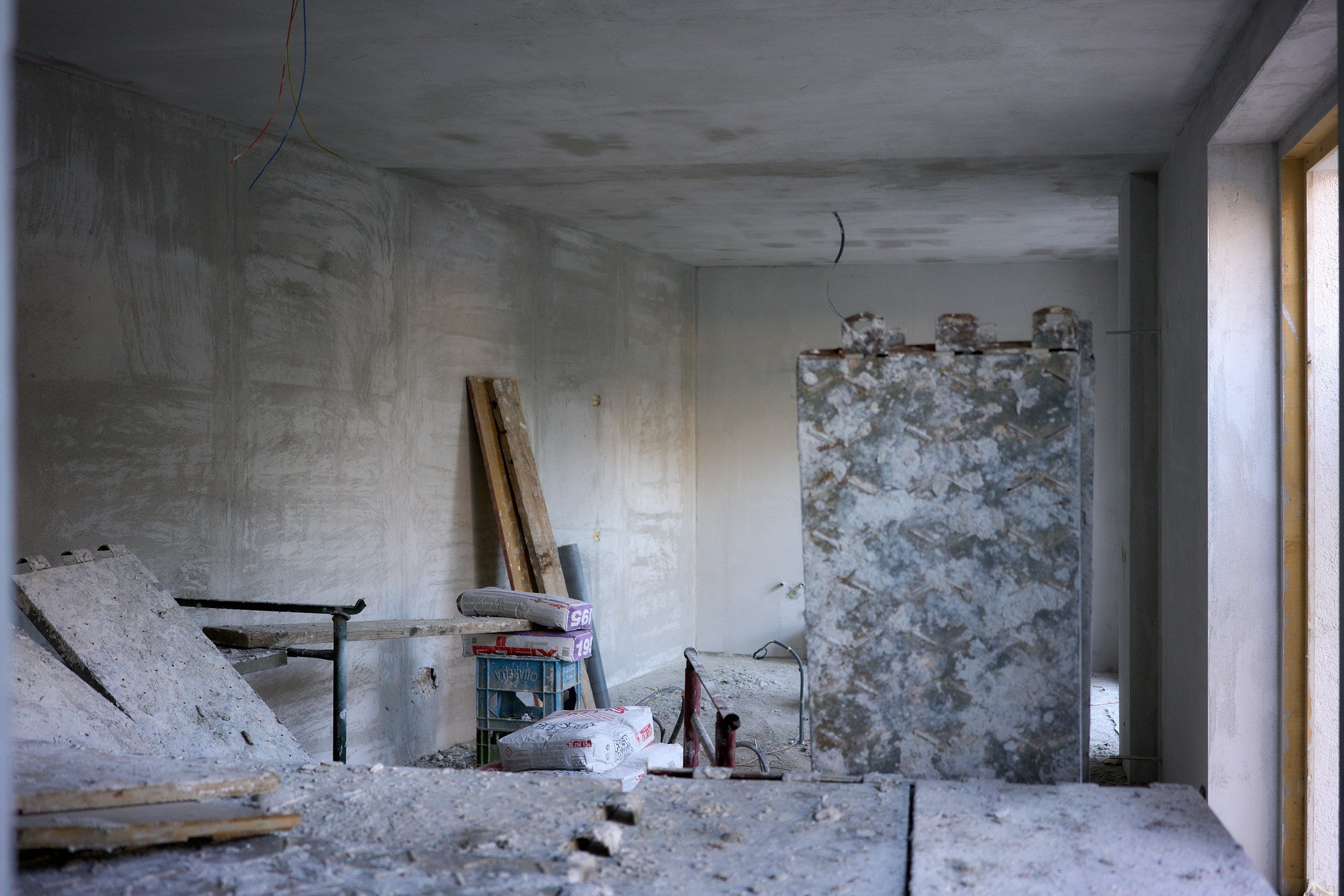
Mold is a common problem in many homes, especially in areas with high humidity or past water damage. It may start as a small spot on a wall or ceiling, but it can quickly grow into a serious issue. Mold is not just ugly to look at. It can also affect your health, damage your home, and may even lower your property value.
We partnered with a home improvement company for this post. The opinions in the post are honest. All reviews and opinions expressed in this post are based on our personal views. We are excited because we know you will love it.
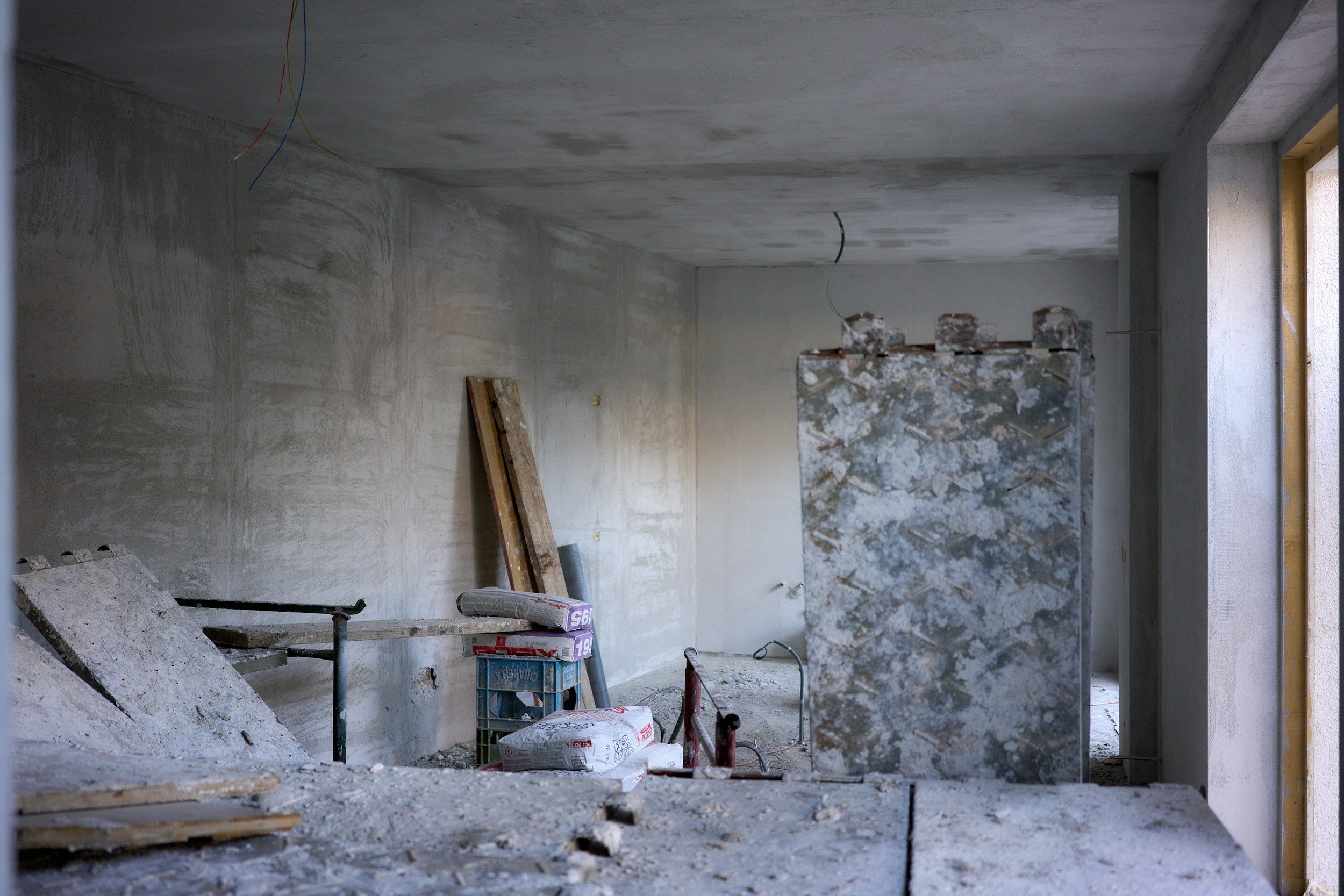
Mold is a common problem in many homes, especially in areas with high humidity or past water damage. It may start as a small spot on a wall or ceiling, but it can quickly grow into a serious issue. Mold is not just ugly to look at. It can also affect your health, damage your home, and may even lower your property value.
Mold remediation is the process of safely removing mold and fixing the conditions that allow it to grow. Below, we will explain the top seven benefits of mold remediation and why it is important in keeping your home healthy and safe.
What Is Mold Remediation?
Mold remediation is more than wiping mold off a surface. While mold removal focuses on cleaning visible mold, remediation goes deeper. It identifies the source of moisture, contains the mold, removes it safely, and helps prevent it from coming back.
Many homeowners try to clean mold with bleach or household cleaners. This may remove what your eyes can see, but it does not fix the root cause of the problem. Mold often grows behind walls, under floors, or in air systems. Without proper treatment, it usually returns.
Professional mold remediation matters because it treats mold as a system-wide issue, not a surface stain.
Benefit #1 – Improves Indoor Air Quality
Mold releases tiny spores into the air. These spores float through your home and get breathed in every day. When mold is present, indoor air quality drops, even if you cannot see the mold itself.
Poor air quality can make your home feel stuffy and cause strong, musty smells. Mold remediation removes the source of these spores and helps clean the air inside your home.
After remediation, many homeowners notice their home smells fresher and feels more comfortable. Clean air makes a big difference in how a home feels day to day.
Benefit #2 – Reduces Health Risks for Your Family
Mold exposure can cause a lot of health problems. Common symptoms include coughing, sneezing, headaches, skin irritation, and itchy eyes. For people with asthma or allergies, mold can make symptoms much worse.
Children, older adults, and people with weak immune systems are especially at risk. Long-term exposure to mold can lead to ongoing breathing problems and chronic illness.
Mold remediation helps remove harmful mold spores from the home. This creates a safer living environment and lowers the risk of mold-related health issues for everyone in the household.
Benefit #3 – Prevents Structural Damage to Your Home
Mold feeds on organic materials such as wood, drywall, and insulation. Over time, it slowly breaks these materials down. What starts as a small mold patch can lead to rotting wood, crumbling drywall, and weakened flooring.
If mold is left untreated, repairs can become very expensive. Structural damage may require wall replacement, floor repairs, or even major rebuilding.
Mold remediation stops mold at its source. By removing mold early, you protect the strength and safety of your home and avoid costly repairs later.
Benefit #4 – Eliminates Persistent Odors
One of the most common signs of mold is a strong, musty smell. This odor can linger even after cleaning surfaces or using air fresheners.
The smell comes from mold releasing gases as it grows. Covering the odor does not solve the problem. Only removing the mold itself will make the smell go away.
Mold remediation eliminates the source of these odors. Once the mold is gone, your home smells clean again without sprays or candles.
Benefit #5 – Helps Prevent Mold From Returning
One of the biggest advantages of mold remediation is prevention. Professionals do not just remove mold. They also find and fix the moisture problem that caused it.
This may include repairing leaks, improving ventilation, or reducing humidity levels. Containment methods are also used to keep mold from spreading during the process.
By addressing both the mold and the cause, remediation greatly reduces the chance of mold coming back. This gives homeowners long-term protection and fewer worries.
Benefit #6 – Protects Property Value
Mold can seriously hurt your home’s value. During a home inspection, mold is a major red flag for buyers. It can delay sales, lower offers, or stop a deal altogether.
Many buyers are worried about health risks and repair costs. Even small mold issues can raise concerns about hidden damage.
Mold remediation shows that the problem was handled correctly. It helps protect your investment and makes your home more attractive to future buyers.
Benefit #7 – Provides Peace of Mind
Living with mold can be stressful. You may worry about your family’s health or whether mold is growing where you cannot see it.
After professional mold remediation, you can feel confident that your home is safer. Knowing the mold was removed properly, and the cause was fixed,d brings peace of mind.
This sense of security is one of the most valuable benefits of mold remediation.
Why Hire a Professional Mold Remediation Company
A professional mold remediation company uses special equipment and proven methods. They follow safety rules to protect your home and your health. Experts know how to contain mold, remove it safely, and clean affected areas. They also understand how mold spreads and how to stop it.
Hiring professionals ensures the job is done right the first time and reduces the risk of future mold problems.
Conclusion
Mold remediation is an important step toward a healthier and safer home. It improves air quality, protects your family’s health, prevents damage, and preserves your home’s value.
Mold problems rarely go away on their own. Taking action early can save money and stress in the long run.
If you suspect mold in your home, a professional inspection and remediation can help you breathe easier and feel confident in your living space.

How Freight Forwarding to Hawaii Makes Your Move Easier: A Complete Consumer Guide
Freight forwarding to Hawaii sounds complicated the first time you hear it.
I remember standing in my apartment, staring at a sofa I loved, wondering how on earth it could ever make it across the Pacific.
Most people assume island shipping is only for large corporations or military moves.
In reality, everyday families, small businesses, and solo movers rely on this process every single day.
We partnered with a moving and storage company for this post. The opinions in the post are honest. All reviews and opinions expressed in this post are based on our personal views. We are excited because we know you will love it.
Why freight forwarding to Hawaii feels intimidating at first

Freight forwarding to Hawaii sounds complicated the first time you hear it.
I remember standing in my apartment, staring at a sofa I loved, wondering how on earth it could ever make it across the Pacific.
Most people assume island shipping is only for large corporations or military moves.
In reality, everyday families, small businesses, and solo movers rely on this process every single day.
What makes it confusing is the mix of ocean transport, paperwork, and timelines that feel unfamiliar if you have never shipped beyond the mainland.
The good news is that once you understand how the system works, the anxiety drops fast.
Understanding the basics of island freight logistics
At its core, freight forwarding to Hawaii is about coordinating cargo from point A to point B using ocean vessels.
Your belongings usually start on a truck, move to a port, cross the ocean in a container, and then travel again by truck to the islands.
Each step is planned to avoid delays and unnecessary costs.
When I helped a friend relocate from California to Oahu, the biggest surprise was how predictable the process actually was.
Once the cargo was booked on a sailing date, everything followed a clear timeline.
After the second paragraph, this is where learning more about professional support made a difference.
You can see how experienced providers handle the process by reviewing this guide on freight forwarding to Hawaii.
What actually gets shipped across the ocean
Most people think only cars and furniture are shipped, but island freight covers much more.
Household goods, retail inventory, construction materials, and even oversized equipment are common cargo.
When I shipped gym equipment for a small studio opening in Maui, palletizing made everything safer and easier to track.
Items are wrapped, secured, and documented to reduce movement during ocean transit.
This step matters because ocean conditions are very different from highway travel.
Full container vs shared container shipping
One of the biggest decisions is choosing between a full container and shared space.
A full container is ideal when you are shipping an entire household or a large commercial load.
Shared containers, often called consolidated shipments, work well for smaller loads.
I once shared container space with three other customers, and none of our items were mixed or damaged.
Each shipment was labeled and separated inside the container.
This option often lowers costs while still maintaining security.
The paperwork people worry about most
Documentation is where many people freeze up.
Bills of lading, packing lists, and customs-related forms sound intimidating at first.
In practice, most of the information comes directly from your inventory list.
When I shipped office equipment, the paperwork took less than an hour once everything was itemized.
Accuracy matters more than speed here.
Clear descriptions help avoid port delays and inspection issues.
Transit times and what to realistically expect
Ocean shipping does not work on overnight timelines.
Most sailings from the West Coast to Hawaii take about one to two weeks on the water.
Port handling and local delivery add additional days.
During my own move, the total transit time was just under three weeks.
Planning around that window prevented unnecessary stress.
Cost factors that influence island shipping prices
Pricing depends on volume, weight, container type, and distance from the port.
Fuel costs and port fees also play a role.
What surprised me was how much proper packing reduced costs.
Well-packed shipments use less space and avoid repacking fees at the port.
Measuring items accurately upfront prevents surprise charges later.
Preparing your items for ocean transport
Salt air and humidity are real concerns during ocean transit.
Using moisture-resistant wrapping protects furniture and electronics.
When I shipped wooden furniture, protective blankets and shrink wrap made a noticeable difference.
Labeling boxes clearly also helped with faster delivery on arrival.
Preparation at home saves time and money once cargo reaches the dock.
Delivery on the islands and final-mile logistics
Once cargo arrives, it is transferred to local transport.
Island roads, access restrictions, and residential delivery rules can affect timing.
Scheduling delivery in advance helps avoid storage fees at the port.
During one delivery in Honolulu, narrow streets required a smaller truck for final drop-off.
Knowing these local factors ahead of time kept everything on schedule.
Common mistakes first-time shippers make
The most common mistake is underestimating timelines.
Another is failing to declare items properly.
I have seen shipments delayed simply because the box contents were labeled too vaguely.
Clear communication prevents most problems before they start.
Rushing decisions usually lead to higher costs.
Why planning makes everything smoother
Freight forwarding to Hawaii works best when treated like a project, not a last-minute task.
Setting realistic dates, organizing inventory, and understanding port schedules change the entire experience.
When I planned early, the process felt controlled instead of chaotic.
That sense of control is what makes island moves manageable.
Final thoughts for a stress-free move
Moving goods across the ocean will never feel casual, but it does not have to feel overwhelming.
With the right preparation and realistic expectations, island shipping becomes straightforward.
Real people make this move successfully every day.
Once you understand the flow, the ocean feels less like a barrier and more like a bridge.

