

A resource for those seeking information on organizing and transforming spaces.
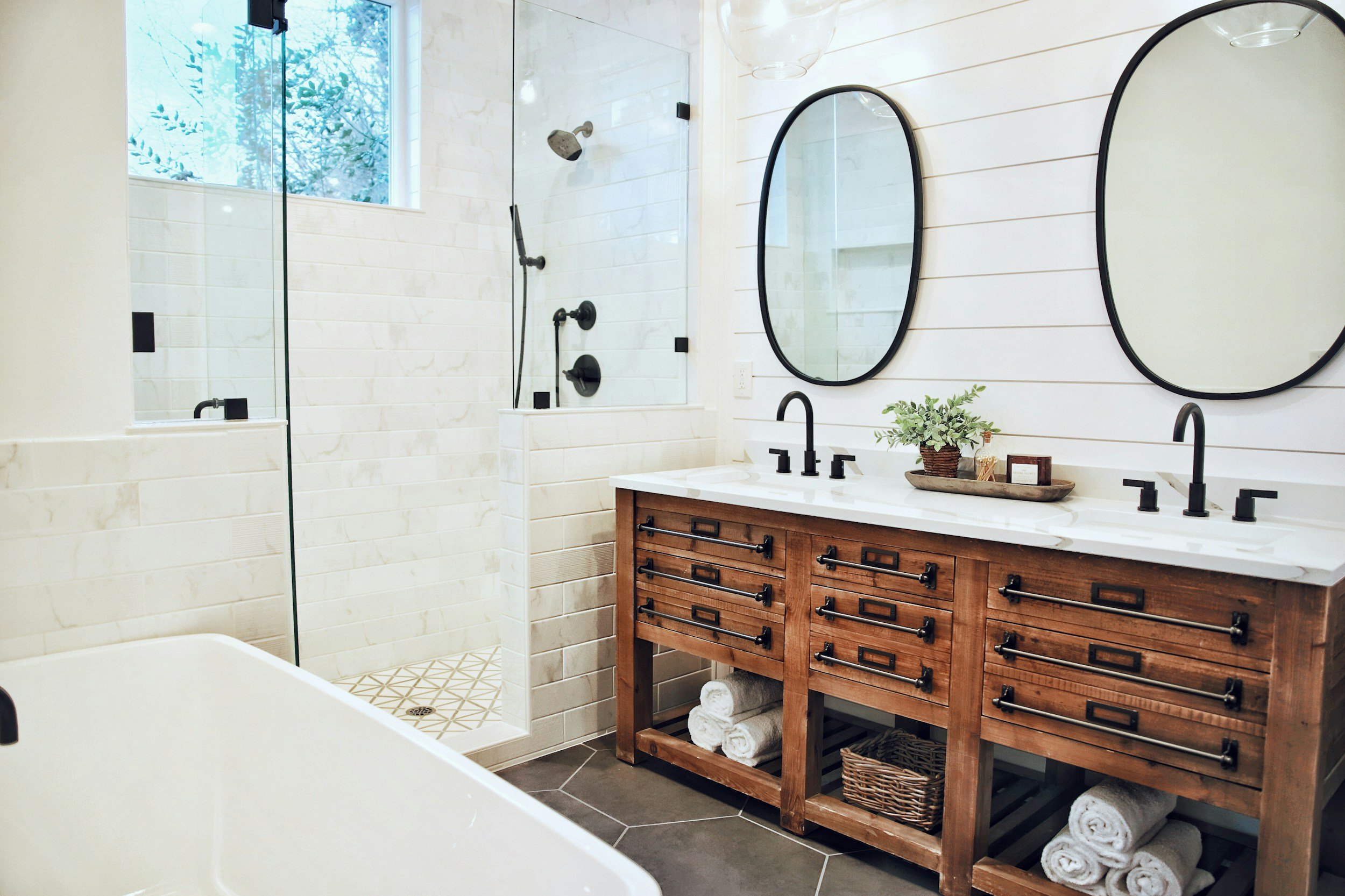
Bathroom Remodeling in Tarzana: What Every Homeowner Should Know Before Starting
Bathroom remodeling in Tarzana is often the upgrade homeowners put off until daily inconveniences become impossible to ignore.
We partnered with a home improvement company for this post. The opinions in the post are honest. All reviews and opinions expressed in this post are based on our personal views. We are excited because we know you will love it.
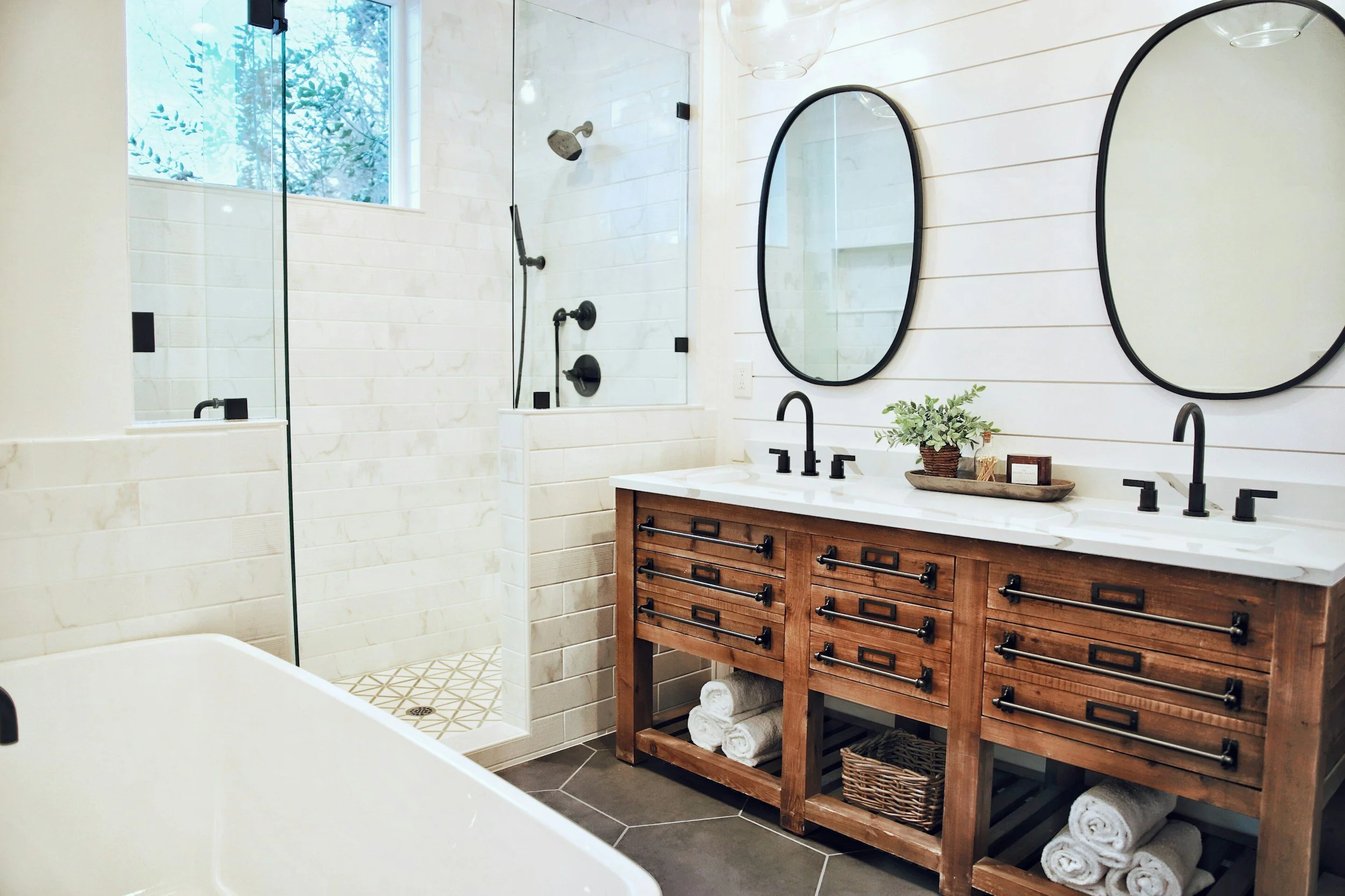
Bathroom remodeling in Tarzana is often the upgrade homeowners put off until daily inconveniences become impossible to ignore.
I remember visiting a friend who kept saying, “It still works, so why fix it?”
A few months later, a small leak turned into water damage behind the walls.
What could have been a simple update quickly became a costly emergency.
That’s how most renovations begin.
Not with inspiration, but with frustration.
Why Upgrading Your Bathroom Matters More Than You Think
A bathroom isn’t just another room.
It’s where your day begins and ends.
When I updated my own space, I expected a visual change.
What I didn’t expect was how much easier my routine became.
Better lighting made mornings quicker.
More storage reduces clutter instantly.
And improved airflow eliminated that damp feeling that never seemed to go away.
The real value isn’t just how it looks.
It’s how it functions every single day.
Common Mistakes That Cost Homeowners Time and Money
Most remodeling problems don’t come from bad intentions.
They come from rushed decisions.
A neighbor of mine chose trendy finishes without thinking long-term.
Within a year, they were dealing with scratches, stains, and constant maintenance.
Here are mistakes you should avoid:
Prioritizing trends over durability.
Ignoring plumbing and layout constraints.
Underestimating the total cost.
Skipping ventilation upgrades.
Each of these can turn a simple renovation into an ongoing headache.
Planning Is the Step You Can’t Afford to Skip
Skipping planning, however, leads to budget overruns and unnecessary stress, which is why reviewing expert guidance on bathroom remodeling in Tarzana can help you stay on track from the start.
Before any work begins, you need clarity.
What do you want to fix?
What matters most to you?
I once helped redesign a small bathroom where the biggest issue was storage.
Instead of expanding the space, we added recessed shelves and a smarter vanity layout.
The result felt like a completely new room without major construction.
That’s what proper planning does.
It solves problems efficiently.
Choosing Materials That Last
Materials define both the look and lifespan of your bathroom.
In Tarzana homes, durability is key because of moisture and daily wear.
Here are reliable choices:
Flooring
Porcelain tile remains one of the best options.
It handles moisture well and requires minimal upkeep.
Countertops
Quartz is durable and easy to maintain.
It doesn’t need sealing like natural stone.
Fixtures
Chrome and brushed nickel finishes hold up better over time than trend-based options.
I once installed natural stone countertops thinking they would elevate the design.
They did visually, but the maintenance became overwhelming.
That experience completely changed how I approach material selection.
Making the Most of Your Space
You don’t always need a bigger bathroom.
You need a better layout.
Many homes in Tarzana have limited bathroom space.
That makes smart design essential.
Effective upgrades include:
Floating vanities for a more open feel.
Walk-in showers instead of bulky tubs.
Built-in shelving for storage.
Sliding doors to save space.
I worked on a project where we replaced a traditional vanity with a wall-mounted one and added under-lighting.
The transformation made the room feel larger and more modern instantly.
Budgeting Without Surprises
Unexpected costs are one of the biggest challenges in remodeling.
The best way to avoid stress is to prepare for them.
Set aside an extra 10–20% of your budget for hidden issues.
Older homes often reveal plumbing or structural problems once work begins.
Break your budget into clear categories:
Labor.
Materials.
Permits.
Emergency buffer.
I’ve never seen a renovation go exactly as planned.
But having a financial cushion makes all the difference.
Hiring Professionals You Can Trust
Choosing the right contractor can make or break your project.
Take your time with this decision.
Look for:
Proven experience in similar projects.
Clear communication from the start.
Detailed estimates.
Realistic timelines.
A homeowner I know chose the lowest quote available.
The project dragged on for months and required multiple fixes.
Paying for quality upfront usually saves money later.
Understanding the Timeline
Bathroom renovations take time.
Rushing the process often leads to mistakes.
A typical timeline looks like this:
Planning and design: 1–2 weeks.
Demolition: a few days.
Plumbing and electrical work: several days.
Installation and finishing: a few weeks.
Delays can happen, especially when custom materials are involved.
Patience is part of achieving a good result.
Increasing Your Home’s Value
An updated bathroom adds real value to your home.
Buyers notice the details immediately.
Features that stand out include:
Modern fixtures.
Clean tile work.
Functional layouts.
Good lighting.
Even smaller upgrades can make a strong impression.
I once saw a home sell faster than others nearby simply because the bathroom felt fresh, clean, and easy to use.
Final Thoughts Before You Begin
Bathroom remodeling in Tarzana isn’t just about aesthetics.
It’s about improving your everyday experience.
The best renovations focus on solving real problems.
Not just following design trends.
Take time to plan.
Choose materials that last.
Work with experienced professionals.
And create a space that actually works for your lifestyle.
Because in the end, a well-designed bathroom doesn’t just look better.
It makes life easier every single day.

Interior house painting: how to choose the right colors for every room in your home
Interior house painting is one of the easiest ways to change the mood, comfort, and style of a home without a full renovation.
We partnered with a home improvement company for this post. The opinions in the post are honest. All reviews and opinions expressed in this post are based on our personal views. We are excited because we know you will love it.
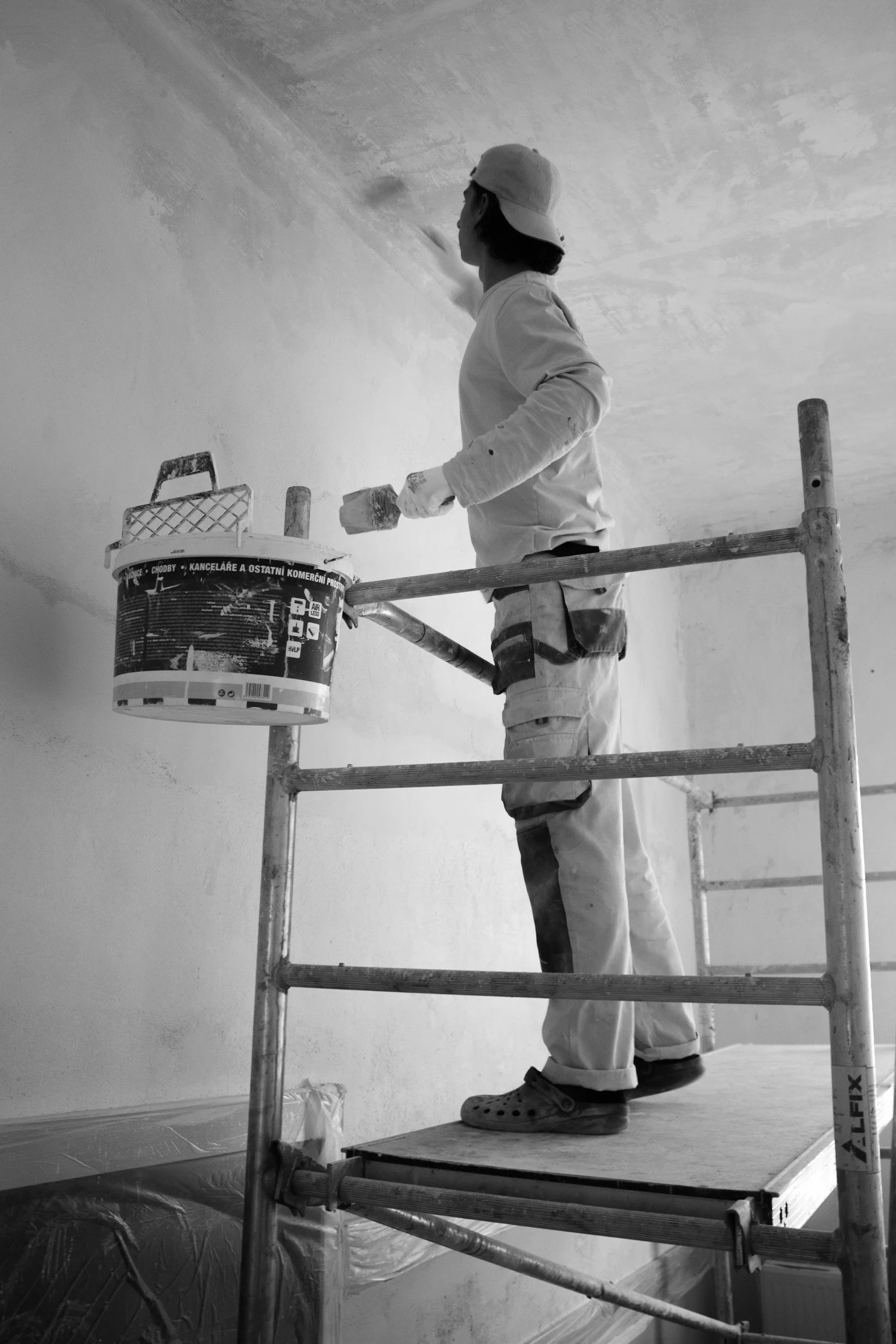
Interior house painting is one of the easiest ways to change the mood, comfort, and style of a home without a full renovation.
I learned that firsthand after helping repaint a family home where one wrong shade made a bright room feel dull by late afternoon.
That experience made it clear that choosing paint is never just about liking a color chip.
It is about how that color works with light, furniture, flooring, and daily life.
Why the right paint color changes everything
A wall color does more than sit in the background.
It shapes how a room feels the second you walk in.
A soft neutral can make a space feel calm and open.
A deep tone can add warmth, depth, and character.
I remember visiting a friend after she repainted her dining room in a muted, earthy green.
Before that, the room felt plain and forgettable.
Afterward, it felt grounded, elegant, and much more welcoming during dinner parties.
Nothing else in the room had changed.
That is how powerful the right shade can be.
Many homeowners choose colors too quickly.
They see something online, fall in love with it, and expect the same result at home.
Real rooms do not behave like staged photos.
Natural light, lamp light, ceiling height, and trim color all affect the final result.
It is essential if you want consistent results, especially when planning a professional interior house painting project.
Start with the light in each room
Before picking a single sample, study the lighting.
This step saves time, money, and frustration.
A room with strong morning light will show color differently from a room that gets only soft evening light.
North-facing rooms usually feel cooler and can make gray, blue, or white shades look sharper.
South-facing rooms often pull out warmth and make soft neutrals glow.
East-facing spaces feel bright early in the day, while west-facing rooms warm up later in the afternoon.
I once tested a clean white in a hallway that looked beautiful at noon.
By evening, it turned flat and slightly cold under overhead lighting.
We changed it to a warmer white, and the hallway immediately felt softer and more inviting.
Always test swatches on multiple walls.
Look at them in the morning, afternoon, and night.
That simple habit can prevent a costly repaint.
How to choose living room colors that feel natural
Living rooms usually do the most work in a home.
They host guests, family movie nights, quiet mornings, and sometimes even work calls.
The color needs to be flexible enough to handle all of that.
Warm whites, greige, soft taupe, muted olive, and gentle gray-blue tones are strong options.
These shades create a welcoming base without overpowering the furniture or decor.
They also allow pillows, rugs, art, and wood finishes to stand out.
A few years ago, I helped repaint a living room that had a yellow-beige wall color that made everything look dated.
We switched to a light greige with warm undertones.
The sofa looked newer.
The natural light looked cleaner.
The room finally felt relaxed instead of tired.
If you want more personality, use color through one feature wall, built-ins, or trim detail.
That gives the room visual interest without making the whole space feel too busy.
Bedroom colors should support rest
Bedrooms need a different approach.
This is where strong light reflection and overstimulating tones can become a problem.
A bedroom should feel calm when the day starts and even calmer when it ends.
Soft blue, dusty rose, warm sand, muted lavender, and creamy off-white tones work well in many bedrooms.
These colors create a softer visual atmosphere and help the room feel settled.
I once painted a guest bedroom in a pale gray that looked elegant on the sample card.
After the full coat went up, the room felt lifeless.
The fix was simple.
We added a warmer undertone with a light taupe-gray, and the room became far more comfortable.
Dark colors can also work in bedrooms.
A charcoal, moody green, or rich navy can feel surprisingly cozy when balanced with lighter bedding and natural textures.
The key is making sure the room still feels restful rather than closed in.
Kitchens need colors that stay fresh all day
Kitchens are different because they are active, practical spaces.
The right wall color should feel clean, bright, and easy to live with.
It also needs to work with cabinets, counters, backsplash tile, and flooring.
White and off-white remain popular for a reason.
They reflect light well and make kitchens feel crisp.
But the wrong white can feel harsh or sterile.
That is why warm whites, creamy neutrals, and soft mushroom tones often feel more lived-in.
I saw this happen in a small kitchen with bright white walls and cool LED lighting.
The room felt almost clinical.
Once the walls were repainted in a softer warm white, the cabinets looked richer and the whole kitchen felt more inviting.
Soft sage and muted blue-gray tones can also work well in kitchens, especially when paired with wood accents or brushed metal finishes.
These shades add personality without making the room feel heavy.
Bathrooms benefit from simple, clean palettes
Bathrooms tend to be smaller, so color has a stronger visual effect.
A heavy shade can make the room feel boxed in.
A thoughtful shade can make it feel fresh and open.
Light gray, pale blue, soft green, and warm white are reliable choices.
These tones reflect available light and create a cleaner, airier look.
They also pair well with tile, mirrors, chrome fixtures, and natural stone.
I once helped redo a powder room with a dramatic dark color because the homeowner wanted something bold.
It looked stylish in photos, but in real life the room felt cramped.
After switching to a lighter color with subtle warmth, the room felt twice as comfortable.
If you want drama in a bathroom, try using it in the vanity color, mirror frame, or accessories instead of the entire wall surface.
Undertones make or break the final result
This is the part many people skip.
Undertones are the hidden hints of color beneath the main shade.
A beige may lean pink, yellow, or gray.
A white may lean blue, cream, or green.
That matters more than most people realize.
Two grays can look almost identical in a store and then look completely different once painted.
One may feel warm and balanced.
The other may turn icy next to wood flooring.
I always compare paint samples beside trim, flooring, furniture, and countertops.
That side-by-side view tells the truth quickly.
It also helps avoid the common mistake of picking a color that clashes with fixed surfaces already in the room.
Keep your whole home connected
Every room does not need to match, but the home should still feel cohesive.
The easiest way to do that is by choosing a palette that shares similar undertones.
That gives each room its own identity while still making the full house feel connected.
A hallway, staircase, or open-plan layout especially benefits from this approach.
When one room suddenly shifts into a color that feels unrelated, the house can feel visually disjointed.
I saw that in a home where every room had been painted from a different trend cycle.
One room was blue-gray.
The next was tan.
The next had a pink-beige tone.
Individually, each one was acceptable.
Together, they made the home feel patchy and unfinished.
Once the palette was adjusted to warmer, softer tones throughout the house, everything flowed naturally.
Common mistakes that lead to repainting
The biggest mistake is choosing too fast.
Paint feels simple until it is on four walls and the room suddenly feels wrong.
Another mistake is relying only on tiny sample cards.
A color needs to be tested at scale.
What looks subtle in a small square may dominate a full wall.
Skipping surface prep is another issue.
If the wall has cracks, patch marks, grease, or uneven texture, even great paint will not look its best.
Clean surfaces and proper priming make a visible difference.
Finish selection matters too.
Flat and matte finishes soften walls and hide imperfections.
Eggshell and satin are easier to wipe down.
The right finish depends on the room and how much wear the walls will get.
Final thoughts on choosing paint with confidence
Choosing paint should feel thoughtful, not stressful.
When you pay attention to lighting, undertones, finish, and flow, the process becomes much easier.
You stop guessing and start making decisions that fit the way your home actually works.
The best rooms are not always the trendiest ones.
They are the ones that feel right when you walk into them.
They feel balanced in daylight.
They feel comfortable at night.
They support the purpose of the room instead of fighting it.
A good paint color does not beg for attention.
It quietly improves the space every single day.
That is what makes the right choice worth the extra time.

Streamline Your Daily Routine: A Parent’s Guide To Organizing Baby & Toddler Essentials
Parents often discover how quickly small items can take over a room. A shelf that looked organized last week can turn chaotic after a few busy mornings. It helps to create systems that simplify repeated tasks. Once those are in place, the day feels steadier and less reactive.

Parents often discover how quickly small items can take over a room. A shelf that looked organized last week can turn chaotic after a few busy mornings. It helps to create systems that simplify repeated tasks. Once those are in place, the day feels steadier and less reactive.
Creating Order Around Daily Essentials
High-use items like diapers, wipes, lotions and pajamas tend to migrate across the house because parents often grab things on the go. One helpful shift is to give these items very clear landing spots. A simple basket near the changing area often works better than a full drawer. Some families coordinate their routine around regular deliveries from a diapers supplier so stock levels never fall into the “urgent scramble” zone. Keeping a small backup supply in a different bin prevents the daily basket from overflowing.
Simplifying Clothing Routines
Toddler clothes can overwhelm even tidy households since outfit changes can happen several times a day. Splitting storage into smaller, predictable zones often helps. You might keep daytime outfits on a single shelf, pajamas in a soft bin and socks in a small container. These micro-categories cut down the time spent searching for one missing item. You’ll probably find the laundry cycle feels easier because clothes are returning to more intentional spots.
Managing Feeding Gear Without Chaos
Kitchens see the most activity, and feeding gear is usually the culprit behind clutter. Bottles, snack containers and tiny spoons get scattered in ways that make restocking feel more difficult than it should. A single drawer dedicated to toddler items creates a smoother rhythm. You can also place a small tray on the counter for drying daily cups and lids, which keeps them from blending into general dishwashing.
Making Toy Organization More Predictable
Large toy bins look convenient, though young children tend to dig through them and empty everything. Smaller baskets or transparent bins usually shape a better routine. One for books, one for blocks, one for soft toys. When toys rotate weekly, the play area stays interesting without becoming overwhelming. Kids often follow the pattern once they see how simple cleanup becomes.
Using Transfer Spots Around the Home
Many parents benefit from creating tiny “transfer stations” in busy areas. These are spots where you briefly put items that belong somewhere else. A basket near the stairs or a tray in the hallway lets you gather scattered things throughout the day. In the evening, you make one trip to return everything. It reduces interruptions and still keeps the home in decent shape.
Organizing Bathroom Items for Faster Evenings
Baby shampoo, washcloths, lotions and bath toys spread out easily. A single caddy helps contain them, especially when you move between the tub and the closet. Once everything sits in one place, the sink and counters stay clear, and bath time feels less like a scavenger hunt.
Organically Finding a Home Rhythm That Works
When the home begins supporting your routine instead of competing with it, the day slows down in a good way. Systems don’t stay perfect or rigid, but that’s a good thing. They need to be flexible, to meet the changing needs of a growing child and a family adjusting on a daily basis.
Having systems ensures that the structure remains in place, even as the details might change a little to conform to needs. Go with it. You’ll start noticing where items naturally land, and you can adjust your setup to match.
As time ticks on, things will feel smoother, mornings will feel less rushed and evenings will settle more smoothly. The entire home will feel easier to manage. The best part? Instead of focusing on the clutter, you’ll be able to focus on the joys of watching your baby or toddler thrive and your family grow.
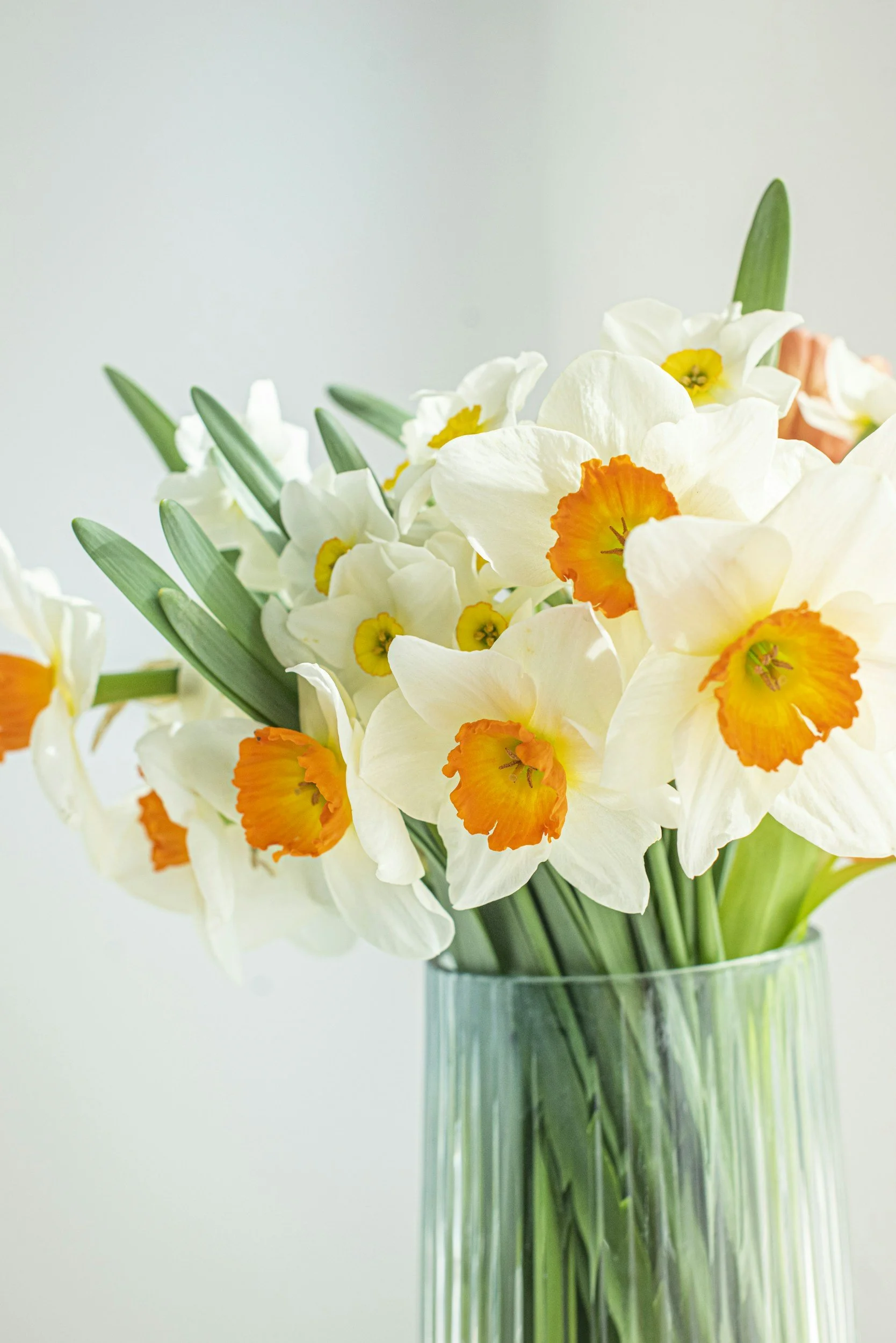
Swapping Your Winter Foliage for Spring Blooms Without Overspending
For avid gardeners, spring is an exciting time because that’s when it’s possible to add color to the garden. Evergreens are terrific for keeping some green in sight when snow is on the ground, but there’s no comparison to the palette of colors possible with vibrant spring blossoms.
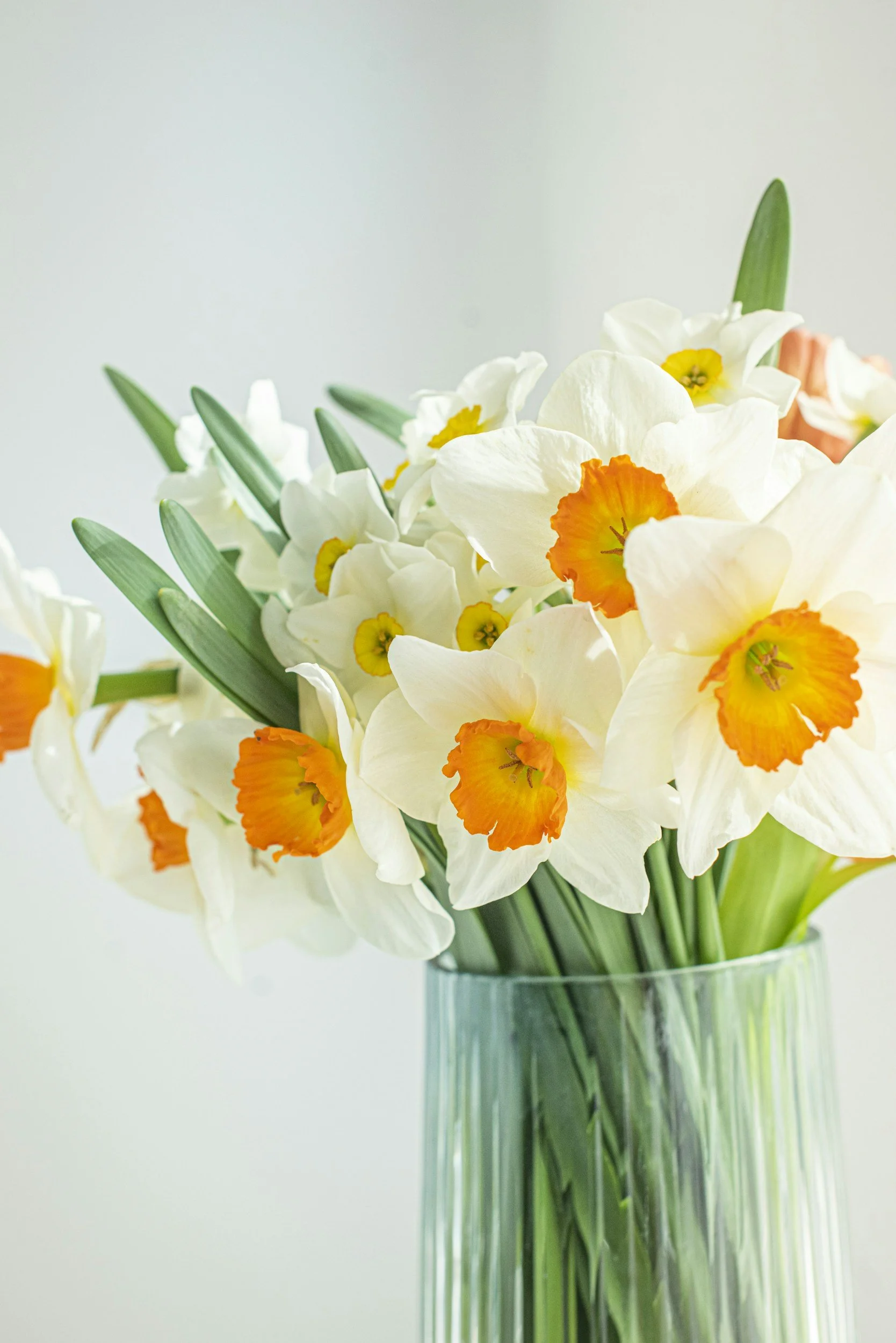
For avid gardeners, spring is an exciting time because that’s when it’s possible to add color to the garden. Evergreens are terrific for keeping some green in sight when snow is on the ground, but there’s no comparison to the palette of colors possible with vibrant spring blossoms.
Before you break all your own budgeting limits and spend hundreds on flowering plants because you’re so desperate to get rid of the drab look in your yard, consider these budget-friendly strategies for swapping your winter foliage for spring blooms — without overspending.
Create Pockets of Color
You’re one person and completely overhauling your garden isn’t easy, or necessary. Just like interior designing, all you may need for right now is a few splashes of color or, as gardeners call it, planting pockets.
Basically, this approach simply means creating focal points throughout your garden while allowing your existing evergreen foliage to take a supporting role.
Get yourself a handful of perennial plants from an online plant store, where you can find a much wider selection — and potentially healthier plants — than your local department store. Clear an area for them and then plant them in a cluster formation right in the midst of the evergreens, positioning them where they’ll be the most visible.
If you’re itching to begin but you know the still cold ground is going to be impervious to your garden shovel, plant the perennials in a beautiful large planter. Because you’re already saving money, you could even splurge for an attractive planter decoration like a whimsical, mischievous, ceramic garden gnome, or whatever appeals to you.
Start Out With Seeds
If the idea of growing plants from seeds scares you, you’ve probably never tried it. It’s surprisingly easy, especially with the ever-widening assortment of seed-growing tools available. But seriously, all you need is an egg carton, some seed-starter mix, and your choice of seeds. If a kindergartener can do this on a classroom windowsill, you can too.
Seeds should start out in the dark. Then when they sprout, you move them into a sunny window. If the sun eludes your little corner in the world, pick up an affordable grow light. Just follow the seed packet instructions and pretty soon you’ll have so many plants you’ll feel like you won the plant jackpot.
Once they’re big and strong enough to set outside, you’ll have that colorful garden you’ve been yearning for all winter! Just be sure you start your seeds in late winter, so they’ll be ready to “leave the nest” by spring.
Promote Vegetative Reproduction
You don’t need to be a botanist to utilize the miracle of propagation. This is when a new plant can be started from a cutting off another plant. It’s shockingly easy to get free plants this way.
What do you need? Sharp shears, a bowl of water, and patience. Seriously though, use your shears to make a sharp cut just underneath a node — the bump in the stem, remove any leaves that would sit below the waterline, and place the cutting in a bowl of water. You can add some rooting hormone if you want (although it’s not mandatory). Keep the cutting in fresh water and sunshine. It will grow amazingly well, and then you’ll find that you’ve doubled your number of that plant, without spending a dime.
Many gardeners are quite happy to share cuttings with fellow green-thumbers, so if you see a flowering shrub that you like, don’t be shy about asking for a cutting.
Divide and Conquer
Another way to multiply your plants is by dividing them at the root level. Wait until the soil warms up, then dig up the plant, and gently separate the roots until you can start to see the natural divisions appear. You can use your hands or a knife to then part the plant. Then you replant both parts where you like, making sure to give them extra TLC until they’re firmly re-established. This is actually healthy for your plants, too, because it helps prevent crowding.
Above all, enjoy the process. Gardens bring great joy year-round, and you should feel free to make yours your own special work of art.
AUTHOR BIO: Ken Denton owns and runs Tillie’s Flower Shop, alongside his wife and child. Denton graduated from Wichita State University with a degree in aeronautical engineering and worked as an engineer for 10 years before returning to Wichita to take over the flower shop in 1975. Denton is the third generation to own Tillie’s, the largest retail florist in Wichita and the oldest business in the city owned by the same family.

