A resource for those seeking information on organizing and transforming spaces.
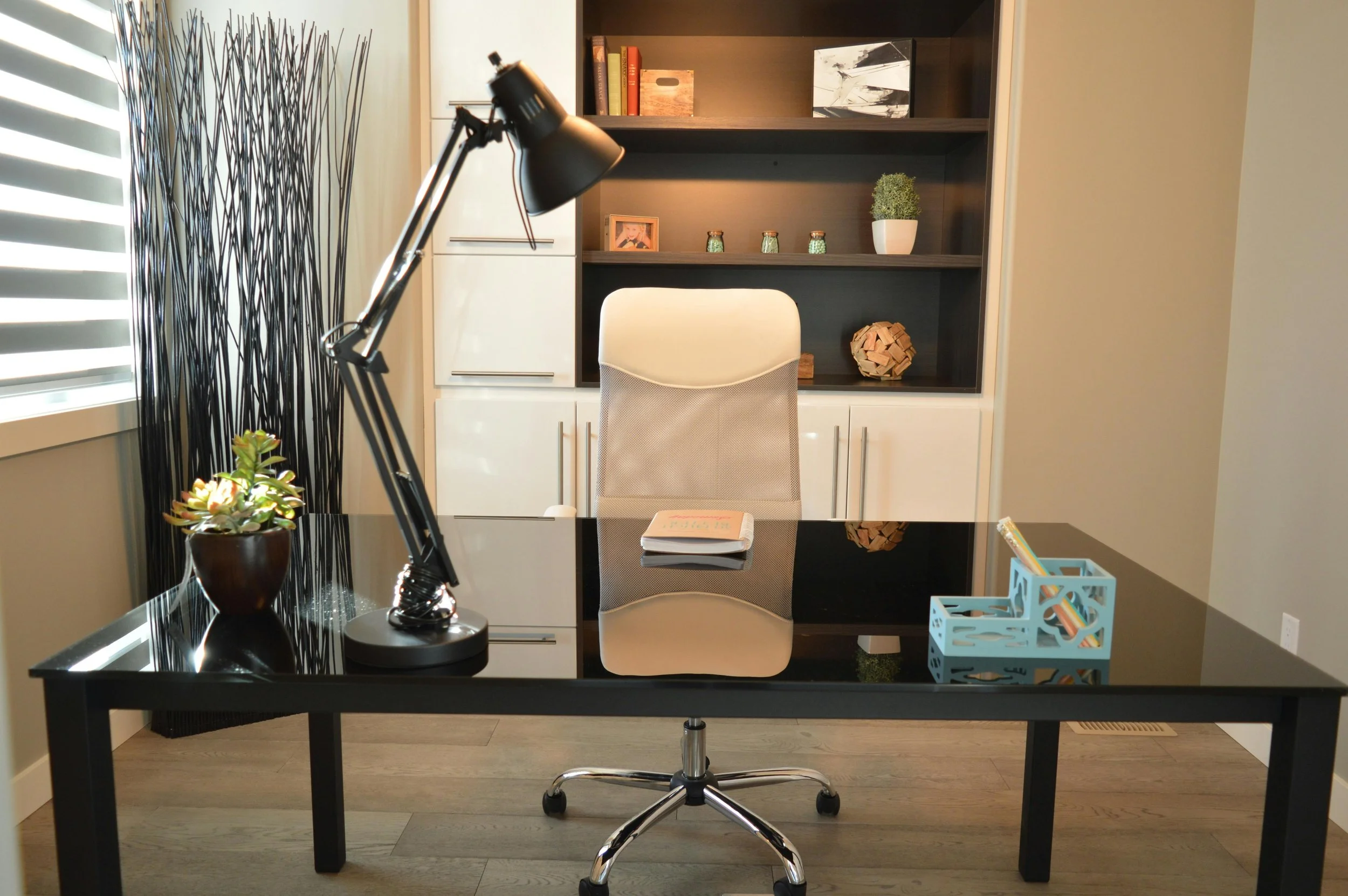
Organizing Your Home Office for Maximum Focus (No Cable Chaos!)
A cluttered home office does more than look messy. It quietly chips away at your focus, productivity, and even your mood. Whether you are working remotely full-time or managing side projects, the way your workspace is organized can make or break your efficiency. This guide will show you how to eliminate cable chaos, streamline your setup, and design a workspace that keeps your mind sharp and your workflow uninterrupted.
A cluttered home office does more than look messy. It quietly chips away at your focus, productivity, and even your mood. Whether you are working remotely full-time or managing side projects, the way your workspace is organized can make or break your efficiency. This guide will show you how to eliminate cable chaos, streamline your setup, and design a workspace that keeps your mind sharp and your workflow uninterrupted.
Start with a Clear Vision
What kind of space lets your mind settle best. Picture it without moving a single thing yet. Is quiet essential, or just fewer things on display. Maybe everything within reach matters most. Knowing that shapes how you arrange the room. Jumping into changes too soon often leads to clutter dressed up as order. Let purpose guide each decision instead.
A workspace works best when seen as a network of tools, each with its own role. When something lacks a clear job, it earns no spot on the desk. Belonging somewhere means serving a function every day. Without usefulness, removal makes space for what matters.
Declutter Ruthlessly
Stuff piled up kills focus fast. Pull every item off your work surface, then split them - things you need nearby go here, extras move to storage, the rest leave for good.
Truth comes first. Clutter like outdated notes, forgotten electronics, leftover pens - they clutter sightlines. This principle applies even if you are staging your home for productivity or lifestyle appeal, much like preparing properties such as houses for sale St Georges Basin, where clean and minimal spaces attract attention and create a sense of calm.
Master Cable Management
Cable chaos is one of the most common issues in home offices. Tangled wires not only look messy but also make cleaning and adjustments frustrating.
Here are practical solutions:
Use cable clips to secure wires along the edges of your desk
Label cords so you can identify them easily
Invest in a cable management box to hide power strips
Route cables under the desk using adhesive hooks or trays
Wireless devices can also reduce clutter significantly. Switching to a wireless keyboard, mouse, or printer helps minimize the number of visible cables.
Optimize Your Desk Layout

An efficient layout reduces unnecessary movement and keeps everything within reach. Position your monitor at eye level to prevent neck strain, and keep frequently used items within arm’s reach.
Follow the “zone method”:
Primary zone: Keyboard, mouse, and monitor
Secondary zone: Notebooks, phone, and daily tools
Tertiary zone: Storage items and less-used accessories
This structure keeps your workflow smooth and prevents constant repositioning.
Invest in Smart Storage Solutions
Storage is not just about hiding clutter. It is about accessibility and efficiency.
Consider these options:
Drawer organizers for small items
Vertical shelves to save desk space
Filing systems for documents
Storage bins for cables and tech accessories
Using vertical space is especially effective in smaller rooms. Wall-mounted shelves or pegboards can hold supplies without crowding your desk.
Control Visual Distractions
Your environment should support focus, not compete for attention. Avoid overly bright colors, excessive decorations, or busy patterns.
Instead:
Use neutral tones for a calming effect
Add one or two personal items that inspire you
Keep surfaces as clear as possible
A clean visual field helps your brain stay engaged with your work rather than wandering.
Lighting Matters More Than You Think
Poor lighting leads to eye strain and fatigue. Natural light is ideal, so position your desk near a window if possible.
If natural light is limited:
Use a desk lamp with adjustable brightness
Choose warm white light for comfort
Avoid harsh overhead lighting that creates glare
Proper lighting not only improves focus but also enhances your overall work experience.
Create a Daily Reset Routine
Even the most organized office can become messy without maintenance. Spend five minutes at the end of each day resetting your workspace.
This includes:
Returning items to their designated places
Clearing your desk surface
Organizing cables if needed
A daily reset ensures you start each morning with a clean and focused environment.
Final Thoughts
A workspace does not need to look flawless. What matters is how well it helps you think clearly, stay on track. Tangled wires disappear when cords get tucked away neatly. Less mess means fewer distractions pulling attention elsewhere. Pick just one corner first - habits grow stronger that way. Small steps lead to steady improvements over time. A clutter-free workspace does more than look neat. When things have their place, your mind stays sharp, tasks move faster, one step leads to the next without delay.

How People Curate a New Version of Themselves Through Relocation Choices
People curate a new version of themselves through relocation choices. Discover how moving shapes identity, habits, and personal growth.
A change of place often sparks a strong emotional reset. People curate a new version of themselves through relocation choices as they seek growth and clarity. New surroundings shift daily routines and reshape identity. Fresh spaces bring new habits, new goals, and new perspectives. In fact, many people feel more confident after a move. They leave behind limits tied to old environments. New locations support better focus and stronger motivation. People often adopt healthier lifestyles and clearer thinking. Change feels real because the environment reinforces it. This shift supports personal progress and self-discovery. People see new sides of themselves and act with purpose. Relocation creates space for change and steady personal growth.
The Psychology Behind Reinventing Identity

Identity reflects how people see themselves and how they believe others view them. Self-perception shapes daily choices, habits, and reactions. Many people seek reinvention to break patterns and create a more fulfilling life. They want growth, change, and a clearer direction. Surroundings influence behavior, thoughts, and emotional responses. New places often inspire different actions and attitudes. However, intentions do not always match reality, and change takes effort over time. Internal motivations, such as personal goals, drive change from within. External motivations, such as social expectations, also shape decisions. People respond to both forces as they adjust to new settings. This process supports reflection and gradual transformation. Over time, individuals refine their identity and align their actions with their desired self-image.
How Environments Shape Habits and Mindsets
New surroundings shape habits faster than many expect. As people adjust routines based on local pace, culture, and daily structure, their environment begins to influence their behavior. For example, a quiet area supports focus, while a busy setting encourages faster action. In contrast, old environments often reinforce past behavior patterns. By moving to new places, people create space for different choices and improved discipline. They might wake earlier, eat differently, and engage in new activities. Hence, consistent exposure to a new setting builds stronger habits over time. Social norms also guide behavior and influence decisions, as people often match the energy and expectations around them. Ultimately, this shift builds awareness and encourages growth, leading to small daily changes and lasting mindset shifts. Over time, individuals align habits with personal goals and create a lifestyle that reflects their evolving identity.
The Role of Social Circles in Personal Change

New social circles shape how people think and act each day. Fresh connections offer feedback, support and new perspectives. People feel free to express themselves without past labels or expectations. New friendships encourage confidence and open communication. Social groups influence habits, values, and long-term goals. People often mirror the attitudes and behaviors they see around them. On the other hand, negative circles can slow progress and create doubt. Choosing the right environment matters for steady growth. Supportive people push positive change and hold others accountable. New relationships also introduce different lifestyles and ideas. This exposure helps individuals refine their identity. Over time, strong social connections build confidence and reinforce personal development in meaningful and lasting ways.
Escaping the Past vs Building the Future
Many people move to leave behind past experiences and start fresh. They seek relief from stress, limits, or negative patterns. Escape alone does not create lasting change without intention. People must focus on building a better future with clear goals. Nevertheless, distance from old environments often supports emotional clarity. New surroundings help people reflect and reset priorities. Some individuals try to avoid common beginner mistakes while moving out for the first time and building independence. This awareness improves decision-making and confidence. Growth requires effort, patience, and honest self-reflection. People who face their past learn faster and adapt better. Over time, they create a stronger foundation for personal progress and long-term satisfaction in life.
Career Moves as Catalysts for Reinvention

People curate a new version of themselves through work too. Career changes often drive relocation and personal transformation. A new role brings different expectations, routines, and goals. People adjust their behavior to match professional demands and workplace culture. Another key point is that ambition pushes individuals to improve their skills and mindset. Work environments influence confidence, communication, and daily structure. People often adopt new habits to succeed in their roles. Similarly, career growth shapes identity and long-term direction. New challenges encourage problem-solving and adaptability. Individuals build discipline through consistent effort and learning. Professional success often increases confidence and motivation. This progress is also reflected in personal life. Over time, career-driven moves support a stronger, more focused version of oneself. People begin to see clear progress and align actions with future goals.
Cultural Exposure and Personal Growth
Exposure to new cultures expands thinking and encourages personal development. People learn different values, habits, and ways of communication. This experience builds adaptability and awareness. Individuals adjust their behavior to fit new cultural expectations. They explore new foods, traditions, and social norms. These changes shape daily life and broaden perspective. Then again, cultural differences can challenge comfort zones and require patience. People grow through these challenges and gain confidence. New environments promote curiosity and open-minded thinking. Individuals begin to question old beliefs and form new opinions. This process supports deeper understanding and respect for diversity. Over time, cultural exposure strengthens identity and encourages a more flexible and informed approach to life decisions.
Sustaining the New Identity Over Time
Long-term change requires consistency and self-awareness. People must reinforce new habits through daily action and reflection. Growth does not happen overnight, and progress needs patience. Above all, discipline keeps new behaviors stable over time. Individuals must stay focused on goals and avoid falling into old patterns. For this reason, regular evaluation helps maintain direction and motivation. People track progress and adjust routines as needed. Small wins build confidence and support long-term success. New environments help, yet personal effort drives lasting results. Individuals who stay committed see steady improvement. Over time, actions align with identity, and change becomes natural. This process creates a stable and confident version of oneself that reflects growth and intention.
Reinvention That Lasts
People curate a new version of themselves through thoughtful relocation and consistent effort. In short, change grows stronger with daily action and clear intent. New environments support lasting growth, while personal discipline shapes identity. True transformation continues over time and reflects conscious choices.

How Texture Brings Depth And Comfort To Your Home
Indoor comfort is not fixed. It changes as people move through different stages of life. What feels practical in one phase may not work as well in another. A home that adapts over time can support daily routines, health, and long-term satisfaction.
Indoor comfort is not fixed. It changes as people move through different stages of life. What feels practical in one phase may not work as well in another. A home that adapts over time can support daily routines, health, and long-term satisfaction.
Early Adulthood and Flexible Living
In early adulthood, comfort often depends on flexibility. Many people need spaces that support work, relaxation, and social life in one area. Open layouts and multi-use furniture help make smaller spaces feel more functional.
Lighting and airflow also play a role. Natural light can improve focus and mood, while proper ventilation keeps indoor air fresh. Simple layouts and easy-to-maintain materials support a fast-paced lifestyle.
Growing Families and Shared Spaces
As households grow, comfort shifts toward space and durability. Living areas need to support multiple people at once. Kitchens and common rooms often become central gathering spots.
Durable materials are important. Floors, surfaces, and furniture must handle daily use. Storage also becomes more valuable, helping reduce clutter and keep shared areas organized. Noise control can improve comfort as well. Soft materials and thoughtful layouts help reduce sound between rooms.
Work From Home and Daily Function
Many homes now include dedicated work areas. Comfort in these spaces supports focus and productivity. Proper seating, good lighting, and quiet surroundings help create a more effective work environment.
Temperature control also matters. Rooms that are too warm or too cold can affect concentration. Adjustable systems allow better control throughout the day.
Aging in Place and Accessibility
As people age, comfort becomes closely linked to ease of movement. Homes should support safe and simple navigation. Features like wider walkways and step-free entry points can make daily tasks easier.
Lighting should be bright and evenly distributed to improve visibility. Updates such as home replacement doors can improve both accessibility and insulation, helping maintain a stable indoor environment.
Indoor comfort evolves with each stage of life. A home that supports these changes can remain functional, welcoming, and practical for years to come. Thoughtful design helps create spaces that grow along with the people who live in them. For more information, look over the infographic below.


Before The Listing: Smart Steps That Increase Your Home’s Value
Preparing a home for sale takes more than a quick clean and a listing photo. Buyers look for properties that feel well cared for and move-in ready. The right preparation can help a home stand out and support a stronger selling price.
Preparing a home for sale takes more than a quick clean and a listing photo. Buyers look for properties that feel well cared for and move-in ready. The right preparation can help a home stand out and support a stronger selling price.
First Impressions Matter
The exterior of a home sets the tone for every showing. Simple updates such as mowing the lawn, trimming bushes, and cleaning walkways can improve curb appeal right away. A clean entryway and fresh paint on the front door can also create a positive first impression.
Small repairs should not be ignored. Loose railings, cracked paths, or chipped paint can signal neglect to potential buyers. Addressing these details helps present the home as well-maintained and ready for viewing.
Decluttering and Deep Cleaning
Inside the home, space and cleanliness are key. Removing excess items makes rooms feel larger and easier to view. Buyers want to picture themselves living in the space, and clutter can make that difficult.
Deep cleaning is also important. Floors, windows, and surfaces should be spotless. Odors should be addressed as well, since they can leave a lasting negative impression. A clean home suggests that it has been properly cared for over time.
Targeted Updates That Add Value
Not all upgrades provide the same return. Kitchens and bathrooms often have the most impact on value. Simple updates such as replacing fixtures, updating cabinet hardware, or adding fresh paint can improve the look without major expense.
Lighting also plays a role in how a space is perceived. Bright, well-lit rooms feel more inviting. Replacing outdated fixtures or adding light sources can improve the overall atmosphere and appeal.
Addressing Repairs and Systems
Buyers often look closely at the condition of major systems. Heating, cooling, plumbing, and electrical systems should be in good working order. Fixing issues before listing can prevent delays during the selling process.
A pre-listing inspection can help identify concerns early. This allows sellers to make repairs on their own timeline rather than during negotiations. During this stage, proper disposal of unwanted materials is also important, and using local resources such as waste management transfer stations can help keep the property clean and organized.
Preparing a home for sale involves careful attention to detail and smart decision-making. With the right approach, a property can attract more interest and stronger offers. For more information, look over the infographic below.