

A resource for those seeking information on organizing and transforming spaces.
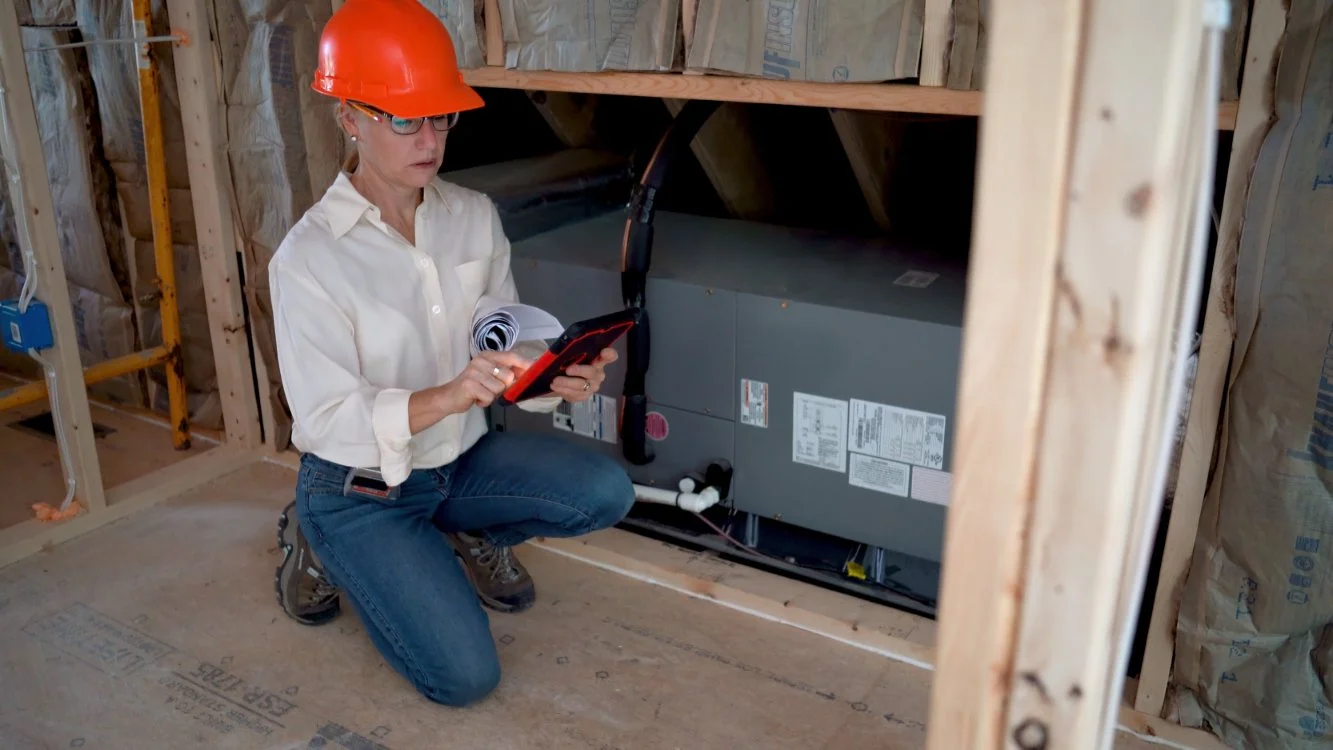
Can Your Current HVAC System Handle Your Remodel?
Remodeling your home is an exciting opportunity to create a space that better fits your lifestyle, improves comfort, and increases property value. But while most homeowners focus on layout, finishes, and design, one critical element often gets overlooked: the HVAC system. Heating and cooling equipment is designed to support a specific amount of square footage and airflow. When you change the structure of your home—whether by opening walls, adding rooms, finishing a basement, or expanding upward—you also change the demands placed on your HVAC system.
Remodeling your home is an exciting opportunity to create a space that better fits your lifestyle, improves comfort, and increases property value. But while most homeowners focus on layout, finishes, and design, one critical element often gets overlooked: the HVAC system. Heating and cooling equipment is designed to support a specific amount of square footage and airflow. When you change the structure of your home—whether by opening walls, adding rooms, finishing a basement, or expanding upward—you also change the demands placed on your HVAC system.
Before you finalize your remodel plans, it’s essential to understand how these changes affect heating and cooling performance. Evaluating your current system early can save you from comfort issues, high energy bills, and costly rework after construction is complete.
How Remodeling Affects HVAC Performance
Any change to your home’s layout has the potential to disrupt the balance your HVAC system was originally designed to maintain. For example, open‑concept designs eliminate walls that once helped contain conditioned air. Adding square footage increases the volume of space your system must heat or cool. Converting attics, basements, or garages into living areas introduces new temperature challenges, especially if those spaces weren’t originally connected to the HVAC system.
Even seemingly small updates—like enlarging windows or changing insulation—can alter how your home retains heat. These changes affect airflow, temperature distribution, and overall system efficiency. Without proper planning, you may end up with rooms that are too hot in summer, too cold in winter, or consistently uncomfortable year‑round.
Signs Your HVAC System Is Undersized or Overworked
Before you remodel, take a close look at how your current HVAC system performs. If you’re already experiencing issues, a renovation may amplify them. Here are common signs your system may be struggling:
Uneven Temperatures Throughout the Home
If certain rooms are consistently warmer or cooler than others, your system may not be distributing air effectively—or it may be undersized for your existing layout. Uneven temperatures often become more noticeable when you change the layout or airflow patterns during a remodel. This imbalance can also indicate duct leaks or poor insulation that should be addressed before construction begins.
Long or Frequent HVAC Cycles
If your system runs constantly or cycles on and off too often, it’s working harder than it should. This often indicates that the equipment is too small or that airflow is restricted. Over time, excessive cycling can shorten the lifespan of your HVAC system. It may also lead to higher energy consumption as the system struggles to maintain consistent temperatures.
Rising Energy Bills
If your utility costs have increased without a clear explanation, your HVAC system may be compensating for inefficiencies or insufficient capacity. A remodel can worsen this issue if additional square footage is added without adjusting the system. Higher bills are often one of the first signs homeowners notice when their HVAC system is no longer keeping up.
Excessive Noise
Loud operation, rattling ducts, or whistling vents can signal airflow problems or equipment strain. These noises may become more pronounced when walls are removed or ductwork is altered during a remodel. Persistent noise is often a sign that the system is fighting against pressure imbalances or blockages.
Poor Indoor Air Quality
Dust buildup, humidity issues, or stale air may indicate that your system isn’t circulating or filtering air properly. Remodeling can introduce even more dust and debris, making air quality problems worse. Poor filtration or inadequate airflow can also contribute to allergy symptoms and general discomfort in the home.
If you’re already noticing these symptoms, your remodel is the perfect time to address them. Making HVAC improvements during construction is far easier and more cost‑effective than trying to fix problems afterward.
How Added Square Footage Changes Heating and Cooling Loads
One of the most important factors in HVAC design is load calculation—the process of determining how much heating and cooling a home requires. When you add square footage, finish unused spaces, or change the structure of your home, the load changes too.
More space doesn’t automatically mean you need a larger system, but it does mean your existing system must be reevaluated. For example:
Finishing a Basement adds conditioned space that may require new ductwork or zoning.
Adding a Bedroom or Office increases the demand for both heating and cooling.
Expanding a Kitchen introduces heat‑producing appliances that affect cooling needs.
Adding Large Windows or Skylights increases solar heat gain, especially in summer.
Your HVAC system must be properly sized to handle these changes. An undersized system will run constantly and still fail to keep your home comfortable. An oversized system will short‑cycle, wasting energy and wearing out faster.
Ductwork also plays a major role. If ducts aren’t extended, resized, or redesigned to match your new layout, airflow will suffer—even if your equipment is adequate.
The Role of Attic Insulation in Remodel‑Ready HVAC Performance
Attic insulation is one of the most overlooked components of a successful remodel, yet it has a major impact on HVAC performance. Insulation acts as a thermal barrier, reducing heat loss in winter and heat gain in summer. When insulation is inadequate, your HVAC system must work harder to maintain comfortable temperatures, which can lead to higher energy bills and unnecessary strain on the equipment.
It Reduces Strain on Your HVAC System
Better insulation means your system doesn’t have to run as often or as long, which can extend the lifespan of your equipment. By minimizing heat transfer, insulation helps your HVAC system maintain stable temperatures with less effort. This reduced workload can also improve overall system efficiency, especially in homes undergoing major layout changes.
It Improves Comfort in Both New and Existing Spaces
Proper insulation helps maintain consistent temperatures throughout the home, especially in rooms located near the attic. This is particularly important during a remodel, when airflow patterns may shift, and new spaces are added. Improved insulation also helps reduce drafts and temperature swings, making your remodeled areas feel more comfortable year‑round.
It May Prevent the Need for a Larger HVAC System
Sometimes, improving insulation and sealing air leaks can reduce the heating and cooling load enough that your existing HVAC system becomes adequate again. This can save homeowners thousands of dollars by avoiding an unnecessary equipment upgrade. Insulation professionals, such as someone like AtticNerds, can evaluate your attic and identify opportunities to improve efficiency before you commit to a new system.
It’s Easiest to Upgrade During Construction
When contractors already have access to walls, ceilings, and attic spaces, insulation improvements are simpler and more cost‑effective. Upgrading insulation during a remodel also ensures that your HVAC system is supported by a strong thermal envelope from day one. Coordinating with insulation professionals during the planning phase helps ensure the work is done at the right time and integrates smoothly with the rest of the project.
If you’re planning a remodel, evaluating attic insulation should be part of your HVAC strategy—not an afterthought. Addressing insulation early helps create a more efficient, comfortable home and ensures your HVAC system can perform at its best once the remodel is complete.
When Your Existing System Might Still Work
Not every remodel requires a new HVAC system. In some cases, your existing equipment may be sufficient with a few adjustments. For example:
Minor Layout Changes may only require duct modifications.
Zoning Systems can help balance temperatures in newly remodeled areas.
Improved Insulation can reduce the load enough to keep your current system viable.
Upgraded Thermostats can improve efficiency and comfort without replacing equipment.
A professional evaluation will help determine whether your system can handle the changes or if upgrades are necessary.
When It’s Time to Upgrade or Modify Your HVAC System
There are times when keeping your existing HVAC system simply isn’t practical, especially when a remodel significantly changes the way your home functions. If you’re adding a large amount of new square footage, your current system may no longer have the capacity to heat and cool the expanded space effectively. The same is true when you convert areas like attics, basements, or garages into living spaces, since these rooms often have different temperature needs and may not have been connected to the original ductwork.
Age is another important factor. If your HVAC system is more than 10–15 years old, it may already be nearing the end of its lifespan, making a remodel the ideal time to replace it rather than waiting for a breakdown. Ongoing comfort issues—such as persistent hot and cold spots or humidity problems—can also signal that your system is no longer meeting your home’s needs. In some cases, the system may have been undersized or inefficient from the start, and the remodel simply makes those shortcomings more noticeable.
Upgrading during a remodel is often more cost‑effective than waiting until construction is complete, since walls are already open and contractors are on‑site. Making these changes now ensures your newly updated space is comfortable from the moment you move back in, without the need for disruptive work later.
Why a Professional HVAC Assessment Is Essential
Before finalizing your remodel plans, it’s important to schedule a professional HVAC assessment to understand exactly how your system will respond to the changes you’re planning. HVAC professionals, such as McIntosh Heating & Cooling, rely on precise tools and calculations that go far beyond guesswork, allowing them to evaluate your home’s heating and cooling needs with accuracy. During an assessment, they’ll determine whether your current system can handle the new layout by performing detailed load calculations and examining the condition and capacity of your ductwork. They also look for insulation gaps, air leaks, and other hidden issues that could undermine the performance of your remodeled space. Based on their findings, they can recommend system modifications or upgrades that will support both comfort and efficiency. A professional assessment also ensures your remodel complies with building codes and modern energy‑efficiency standards, which protects you from unexpected problems later. Most importantly, this early evaluation helps you avoid costly mistakes—like discovering after the drywall is up that ductwork needs to be rerouted or resized.
Integrating HVAC Planning Into Your Remodel Timeline
To avoid delays and rework, HVAC planning should be integrated into your remodel timeline from the very beginning. It’s important to bring a professional who’s familiar with remodeling and HVAC, such as someone like Romar Construction & Remodeling, into the design phase so they can evaluate your home’s layout, airflow needs, and any changes that may affect system performance. As your contractor begins mapping out the remodel, the placement of ductwork, vents, and equipment should be coordinated to ensure everything fits seamlessly into the new design. Insulation upgrades—especially in the attic—should be scheduled before drywall goes up so the home’s thermal envelope supports the HVAC system effectively. Once construction wraps up, the HVAC system should be tested to confirm that airflow, temperature balance, and efficiency meet expectations. Taking these steps early ensures your remodel is both beautiful and comfortable.
Your HVAC system plays a major role in the comfort, efficiency, and long‑term value of your remodeled home. By evaluating your current system early, understanding how remodeling affects heating and cooling loads, and considering attic insulation as part of your plan, you can avoid costly mistakes and ensure your new space feels as good as it looks. Working with HVAC professionals gives you the insight and guidance needed to make smart decisions—so your remodel delivers the comfort and performance you expect for years to come.

5 Things the Best Residential Generator Installation Companies Have in Common
Selecting a company to install a standby generator represents a significant decision for any property owner. The equipment itself requires substantial investment, and the installation process involves complex electrical work that affects both safety and long-term reliability.
Selecting a company to install a standby generator represents a significant decision for any property owner. The equipment itself requires substantial investment, and the installation process involves complex electrical work that affects both safety and long-term reliability.
Understanding what separates exceptional generator installation companies from average ones helps homeowners make informed choices. The best providers in this industry share certain characteristics that consistently lead to better outcomes for their customers.
Holding Proper Licensing and Certification
Legitimate generator installation requires specific credentials that vary by state and locality. The best companies maintain current electrical contractor licenses and carry appropriate insurance coverage to protect both their workers and their customers.
Beyond basic licensing, top providers pursue manufacturer certifications from leading brands. These certifications demonstrate that technicians have received specialized training on particular equipment lines and understand the specific requirements for proper installation.
Customers should always verify licensing status before signing any contracts. Reputable companies readily provide license numbers and proof of insurance upon request. They understand that these credentials build trust and distinguish them from unlicensed operators who may offer lower prices but expose homeowners to significant risks.
Understanding Local Conditions and Challenges
Every region presents unique challenges for generator installation and operation. Coastal areas contend with salt air that accelerates corrosion. Hot climates stress batteries and cooling systems. Areas prone to severe weather require installations that can withstand high winds and flooding.
The best residential generator installation companies possess deep knowledge of their service areas. They understand local building codes, permit requirements and utility interconnection standards. This expertise prevents costly mistakes and ensures installations pass inspection without delays.
Local experience also informs equipment recommendations. Technicians who have serviced generators through multiple storm seasons know which components fail most often under local conditions. They can advise customers on preventive measures and maintenance schedules tailored to regional demands.
Providing Thorough Consultations and Assessments
Quality installation begins long before any equipment arrives on site. Leading companies conduct comprehensive consultations that evaluate electrical panel capacity, fuel availability, placement options and household power requirements.
These assessments consider both current needs and potential future demands. A growing family might need additional capacity. Home office equipment or medical devices may require dedicated circuits. Pool systems, well pumps and HVAC equipment all factor into proper generator sizing.
The best providers explain their recommendations clearly without pressuring customers toward oversized or unnecessary equipment. They present options at various price points and help homeowners understand the tradeoffs involved in each choice.
Delivering Professional and Code-Compliant Work
Installation quality determines whether a generator performs reliably for years or becomes a source of ongoing problems. The best companies follow manufacturer specifications precisely and adhere to all applicable electrical codes.
Professional installation encompasses numerous details that inexperienced contractors might overlook. Proper pad preparation prevents settling and vibration issues. Correct fuel line sizing ensures adequate flow during full-load operation. Appropriate transfer switch installation protects utility workers and prevents backfeed hazards.
Documentation matters as well. Quality providers supply complete paperwork including permits, inspection certificates, warranty registrations and equipment manuals. This documentation proves valuable when selling a home or filing insurance claims after storm damage.
Offering Ongoing Support and Reliable Repair Services
Generator installation marks the beginning of a long-term relationship rather than a single transaction. Standby generators require regular maintenance to ensure they start reliably when needed most.
The best companies offer service agreements that include scheduled maintenance visits, priority response during emergencies and discounted repair rates. These programs keep generators in optimal condition while maintaining warranty coverage that manufacturers often require.
Even well-maintained generators occasionally develop problems that require professional diagnosis. When a generator shows an error message, does not complete its scheduled test cycle or fails to turn on, experienced technicians perform systematic evaluations to pinpoint the underlying problem efficiently.
Frequently encountered issues involve batteries that no longer hold a charge, obstructed fuel lines or air intake systems, spark plugs that have degraded over time, oil that has become contaminated and malfunctions within the electronic control system.
Following a thorough assessment, reputable companies present homeowners with a detailed explanation of necessary repairs and a comprehensive list of required components before any work begins. The objective remains delivering repairs that meet all safety standards and electrical codes while returning the equipment to reliable operation.
Professional residential generator repair services use quality parts that meet or exceed original equipment specifications. Skilled technicians aim for lasting solutions that restore generators to dependable operation for years to come.
Making the Right Choice
Homeowners who take time to evaluate generator installation companies thoroughly generally achieve better results than those who simply accept the lowest bid. Price certainly matters, but the cheapest option rarely delivers the best long-term value.
Asking for references from recent customers provides insight into actual performance. Online reviews offer additional perspectives, though customers should look for patterns rather than focusing on individual complaints.
The investment in a quality installation company pays dividends through reliable operation, proper warranty coverage and responsive service when problems arise. For equipment intended to protect homes and families during emergencies, these benefits far outweigh any initial cost savings from choosing a less qualified provider.

Organizing Your Home Office for Maximum Focus (No Cable Chaos!)
A cluttered home office does more than look messy. It quietly chips away at your focus, productivity, and even your mood. Whether you are working remotely full-time or managing side projects, the way your workspace is organized can make or break your efficiency. This guide will show you how to eliminate cable chaos, streamline your setup, and design a workspace that keeps your mind sharp and your workflow uninterrupted.
A cluttered home office does more than look messy. It quietly chips away at your focus, productivity, and even your mood. Whether you are working remotely full-time or managing side projects, the way your workspace is organized can make or break your efficiency. This guide will show you how to eliminate cable chaos, streamline your setup, and design a workspace that keeps your mind sharp and your workflow uninterrupted.
Start with a Clear Vision
What kind of space lets your mind settle best. Picture it without moving a single thing yet. Is quiet essential, or just fewer things on display. Maybe everything within reach matters most. Knowing that shapes how you arrange the room. Jumping into changes too soon often leads to clutter dressed up as order. Let purpose guide each decision instead.
A workspace works best when seen as a network of tools, each with its own role. When something lacks a clear job, it earns no spot on the desk. Belonging somewhere means serving a function every day. Without usefulness, removal makes space for what matters.
Declutter Ruthlessly
Stuff piled up kills focus fast. Pull every item off your work surface, then split them - things you need nearby go here, extras move to storage, the rest leave for good.
Truth comes first. Clutter like outdated notes, forgotten electronics, leftover pens - they clutter sightlines. This principle applies even if you are staging your home for productivity or lifestyle appeal, much like preparing properties such as houses for sale St Georges Basin, where clean and minimal spaces attract attention and create a sense of calm.
Master Cable Management
Cable chaos is one of the most common issues in home offices. Tangled wires not only look messy but also make cleaning and adjustments frustrating.
Here are practical solutions:
Use cable clips to secure wires along the edges of your desk
Label cords so you can identify them easily
Invest in a cable management box to hide power strips
Route cables under the desk using adhesive hooks or trays
Wireless devices can also reduce clutter significantly. Switching to a wireless keyboard, mouse, or printer helps minimize the number of visible cables.
Optimize Your Desk Layout

An efficient layout reduces unnecessary movement and keeps everything within reach. Position your monitor at eye level to prevent neck strain, and keep frequently used items within arm’s reach.
Follow the “zone method”:
Primary zone: Keyboard, mouse, and monitor
Secondary zone: Notebooks, phone, and daily tools
Tertiary zone: Storage items and less-used accessories
This structure keeps your workflow smooth and prevents constant repositioning.
Invest in Smart Storage Solutions
Storage is not just about hiding clutter. It is about accessibility and efficiency.
Consider these options:
Drawer organizers for small items
Vertical shelves to save desk space
Filing systems for documents
Storage bins for cables and tech accessories
Using vertical space is especially effective in smaller rooms. Wall-mounted shelves or pegboards can hold supplies without crowding your desk.
Control Visual Distractions
Your environment should support focus, not compete for attention. Avoid overly bright colors, excessive decorations, or busy patterns.
Instead:
Use neutral tones for a calming effect
Add one or two personal items that inspire you
Keep surfaces as clear as possible
A clean visual field helps your brain stay engaged with your work rather than wandering.
Lighting Matters More Than You Think
Poor lighting leads to eye strain and fatigue. Natural light is ideal, so position your desk near a window if possible.
If natural light is limited:
Use a desk lamp with adjustable brightness
Choose warm white light for comfort
Avoid harsh overhead lighting that creates glare
Proper lighting not only improves focus but also enhances your overall work experience.
Create a Daily Reset Routine
Even the most organized office can become messy without maintenance. Spend five minutes at the end of each day resetting your workspace.
This includes:
Returning items to their designated places
Clearing your desk surface
Organizing cables if needed
A daily reset ensures you start each morning with a clean and focused environment.
Final Thoughts
A workspace does not need to look flawless. What matters is how well it helps you think clearly, stay on track. Tangled wires disappear when cords get tucked away neatly. Less mess means fewer distractions pulling attention elsewhere. Pick just one corner first - habits grow stronger that way. Small steps lead to steady improvements over time. A clutter-free workspace does more than look neat. When things have their place, your mind stays sharp, tasks move faster, one step leads to the next without delay.

How People Curate a New Version of Themselves Through Relocation Choices
People curate a new version of themselves through relocation choices. Discover how moving shapes identity, habits, and personal growth.
A change of place often sparks a strong emotional reset. People curate a new version of themselves through relocation choices as they seek growth and clarity. New surroundings shift daily routines and reshape identity. Fresh spaces bring new habits, new goals, and new perspectives. In fact, many people feel more confident after a move. They leave behind limits tied to old environments. New locations support better focus and stronger motivation. People often adopt healthier lifestyles and clearer thinking. Change feels real because the environment reinforces it. This shift supports personal progress and self-discovery. People see new sides of themselves and act with purpose. Relocation creates space for change and steady personal growth.
The Psychology Behind Reinventing Identity

Identity reflects how people see themselves and how they believe others view them. Self-perception shapes daily choices, habits, and reactions. Many people seek reinvention to break patterns and create a more fulfilling life. They want growth, change, and a clearer direction. Surroundings influence behavior, thoughts, and emotional responses. New places often inspire different actions and attitudes. However, intentions do not always match reality, and change takes effort over time. Internal motivations, such as personal goals, drive change from within. External motivations, such as social expectations, also shape decisions. People respond to both forces as they adjust to new settings. This process supports reflection and gradual transformation. Over time, individuals refine their identity and align their actions with their desired self-image.
How Environments Shape Habits and Mindsets
New surroundings shape habits faster than many expect. As people adjust routines based on local pace, culture, and daily structure, their environment begins to influence their behavior. For example, a quiet area supports focus, while a busy setting encourages faster action. In contrast, old environments often reinforce past behavior patterns. By moving to new places, people create space for different choices and improved discipline. They might wake earlier, eat differently, and engage in new activities. Hence, consistent exposure to a new setting builds stronger habits over time. Social norms also guide behavior and influence decisions, as people often match the energy and expectations around them. Ultimately, this shift builds awareness and encourages growth, leading to small daily changes and lasting mindset shifts. Over time, individuals align habits with personal goals and create a lifestyle that reflects their evolving identity.
The Role of Social Circles in Personal Change

New social circles shape how people think and act each day. Fresh connections offer feedback, support and new perspectives. People feel free to express themselves without past labels or expectations. New friendships encourage confidence and open communication. Social groups influence habits, values, and long-term goals. People often mirror the attitudes and behaviors they see around them. On the other hand, negative circles can slow progress and create doubt. Choosing the right environment matters for steady growth. Supportive people push positive change and hold others accountable. New relationships also introduce different lifestyles and ideas. This exposure helps individuals refine their identity. Over time, strong social connections build confidence and reinforce personal development in meaningful and lasting ways.
Escaping the Past vs Building the Future
Many people move to leave behind past experiences and start fresh. They seek relief from stress, limits, or negative patterns. Escape alone does not create lasting change without intention. People must focus on building a better future with clear goals. Nevertheless, distance from old environments often supports emotional clarity. New surroundings help people reflect and reset priorities. Some individuals try to avoid common beginner mistakes while moving out for the first time and building independence. This awareness improves decision-making and confidence. Growth requires effort, patience, and honest self-reflection. People who face their past learn faster and adapt better. Over time, they create a stronger foundation for personal progress and long-term satisfaction in life.
Career Moves as Catalysts for Reinvention

People curate a new version of themselves through work too. Career changes often drive relocation and personal transformation. A new role brings different expectations, routines, and goals. People adjust their behavior to match professional demands and workplace culture. Another key point is that ambition pushes individuals to improve their skills and mindset. Work environments influence confidence, communication, and daily structure. People often adopt new habits to succeed in their roles. Similarly, career growth shapes identity and long-term direction. New challenges encourage problem-solving and adaptability. Individuals build discipline through consistent effort and learning. Professional success often increases confidence and motivation. This progress is also reflected in personal life. Over time, career-driven moves support a stronger, more focused version of oneself. People begin to see clear progress and align actions with future goals.
Cultural Exposure and Personal Growth
Exposure to new cultures expands thinking and encourages personal development. People learn different values, habits, and ways of communication. This experience builds adaptability and awareness. Individuals adjust their behavior to fit new cultural expectations. They explore new foods, traditions, and social norms. These changes shape daily life and broaden perspective. Then again, cultural differences can challenge comfort zones and require patience. People grow through these challenges and gain confidence. New environments promote curiosity and open-minded thinking. Individuals begin to question old beliefs and form new opinions. This process supports deeper understanding and respect for diversity. Over time, cultural exposure strengthens identity and encourages a more flexible and informed approach to life decisions.
Sustaining the New Identity Over Time
Long-term change requires consistency and self-awareness. People must reinforce new habits through daily action and reflection. Growth does not happen overnight, and progress needs patience. Above all, discipline keeps new behaviors stable over time. Individuals must stay focused on goals and avoid falling into old patterns. For this reason, regular evaluation helps maintain direction and motivation. People track progress and adjust routines as needed. Small wins build confidence and support long-term success. New environments help, yet personal effort drives lasting results. Individuals who stay committed see steady improvement. Over time, actions align with identity, and change becomes natural. This process creates a stable and confident version of oneself that reflects growth and intention.
Reinvention That Lasts
People curate a new version of themselves through thoughtful relocation and consistent effort. In short, change grows stronger with daily action and clear intent. New environments support lasting growth, while personal discipline shapes identity. True transformation continues over time and reflects conscious choices.

