

A resource for those seeking information on organizing and transforming spaces.
Everything You Need for a Perfect Home DIY Kit
Build the perfect home DIY kit with essential tools, smart add-ons, and practical tips to handle repairs and projects with confidence and ease.
Building your own DIY kit saves time, money, and stress. You gain confidence when you fix things without calling someone else. A well-stocked kit keeps every small project simple and efficient. You do not need fancy tools or a huge budget. You just need the right essentials and a little organization.
Start With Core Hand Tools
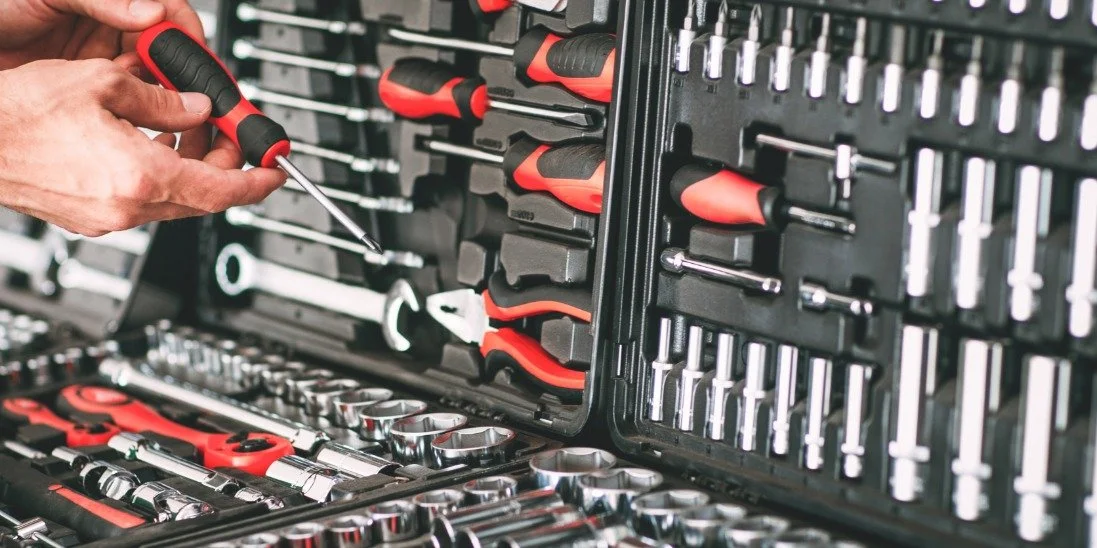
Every DIY kit starts with reliable basics. Grab a hammer, a set of screwdrivers, a measuring tape, and a level. Add a sturdy utility knife and a pair of pliers. These tools handle most quick fixes around your home. Choose comfortable grips so your hands do not get tired. Store everything in a compact toolbox so you can carry it anywhere.
Power Tools That Make Work Faster
Power tools speed up bigger jobs and improve precision. A cordless drill sits at the center of any kit. Use it for drilling holes and driving screws. Add a circular saw for cutting wood and panels. A small sander helps you smooth rough edges quickly. Always keep extra batteries charged so you avoid delays.
Choose The Right Blades And Bits
Your tools only work well when you pair them with the correct accessories. Learn the difference between a metal-cutting and a wood-cutting saw blade so you avoid damage and get clean results. Stock a variety of drill bits for wood, metal, and masonry. Keep them organized so you find the right size fast.
Safety Gear You Should Never Skip
DIY projects bring risks if you ignore safety. Wear protective gloves to guard your hands. Use safety glasses to protect your eyes from debris. Add ear protection when you use loud tools. A dust mask helps you breathe easier during sanding or cutting. Keep a small first aid kit nearby for minor injuries.
Organize Your Kit For Easy Access
Good organization saves time and reduces frustration. Use labeled compartments to separate tools and accessories. Hang frequently used items on a pegboard if you have space. Clean your tools after each use so they stay ready. Check your kit often and replace worn items before they fail.
Add Smart Extras That Make Life Easier
Some small additions can improve your workflow and save time. Consider adding these useful items:
A stud finder for locating beams inside walls
A flashlight or headlamp for low light areas
A multi tool for quick fixes and tight spots
Zip ties and duct tape for temporary solutions
A small notebook to track measurements and plans
These extras support your main tools and help you stay prepared.
A perfect home DIY kit does not require dozens of tools. You just need smart choices and consistent upkeep. Build your kit step by step and upgrade when your skills grow. Soon you will handle repairs, projects, and upgrades with ease and confidence. When you build your kit with care you avoid repeat trips to the store. You also reduce clutter by keeping only what you use often. Focus on quality over quantity so your tools last longer and perform better.

How To Reduce Your Home Electricity Bill
Check out these straightforward strategies to cut energy use and bring down your home's monthly electricity costs without sacrificing comfort.
If you’ve been searching for practical ways to cut costs, understanding how to reduce your home electricity bill is a great place to start. Rising energy prices can strain any budget, but small, consistent changes can make a noticeable difference over time. By improving efficiency, adjusting habits, and making informed upgrades, you can lower your monthly expenses without sacrificing comfort. The key is to focus on both immediate actions and long-term improvements that work together to reduce overall energy consumption.
Upgrade Your Everyday Energy Habits
Start by paying attention to how you use electricity throughout the day. Turn off lights when you leave a room and unplug devices that aren’t in use, especially electronics that draw power even when idle. Adjust your thermostat slightly to reduce heating and cooling demand. Washing clothes in cold water and running full loads in the dishwasher also help minimize energy use. These simple adjustments require little effort but can significantly lower your overall consumption.
Improve Home Efficiency
Your home’s efficiency plays a major role in energy costs. Seal windows and doors to prevent drafts and add insulation where needed to maintain consistent indoor temperatures. Replace older light bulbs with energy-efficient options that use less power and last longer. Upgrading appliances to modern, energy-conscious models can also reduce electricity usage over time. Even small improvements, like using power strips to manage multiple devices, can help eliminate unnecessary energy waste.
Use Smart Technology
Smart home technology gives you better control over your energy usage. Install programmable or smart thermostats to automatically adjust temperatures based on your schedule. Smart plugs and lighting systems allow you to control devices remotely and ensure nothing stays on longer than necessary. These tools improve convenience and help you maintain consistent energy-saving habits without constant effort.
Explore Renewable Energy Options
If you’re ready to make a larger investment, consider working with a solar supplier for your home to explore renewable energy solutions. Solar panels can reduce your dependence on traditional electricity and lower long-term energy costs. While the upfront cost may seem high, many homeowners find that the long-term savings and environmental benefits make it a worthwhile option. Even partial adoption of renewable energy can contribute to noticeable reductions in your monthly bill.
Take Control of Your Energy Costs
Learning how to reduce your home electricity bill doesn’t require drastic lifestyle changes, but it does require consistency and awareness. By combining smarter habits, efficient upgrades, and modern technology, you can take control of your energy use and lower your expenses over time. Small actions add up quickly, and with the right approach, you can create a more energy-efficient home that benefits both your budget and your comfort.

What to Do With Furniture and Belongings When You Sell As-Is
Selling a home as-is often means moving quickly and avoiding repairs or upgrades. Many homeowners choose this route when they want a simple and direct sale. While the focus is usually on the property itself, another important question comes up during the process. What should you do with all the furniture and belongings inside the home?
We partnered with a real estate company for this post. The opinions in the post are honest. All reviews and opinions expressed in this post are based on our personal views. We are excited because we know you will love it.
Selling a home as-is often means moving quickly and avoiding repairs or upgrades. Many homeowners choose this route when they want a simple and direct sale. While the focus is usually on the property itself, another important question comes up during the process. What should you do with all the furniture and belongings inside the home?
This part of the process can feel overwhelming at first. Years of accumulated items can make it difficult to decide what stays and what goes. A clear plan helps you stay organized and reduces stress during the transition. Whether you are downsizing, relocating, or clearing out an inherited home, knowing your options makes the process smoother.
Start with a simple plan before you move
Before making any decisions, take time to assess everything inside the home. Walk through each room and make a general list of items you own. This step helps you understand the scope of what needs to be handled.
Break your belongings into clear categories such as keep, donate, sell, or discard. This method keeps the process structured and easier to manage. Instead of trying to handle everything at once, work room by room and stay consistent with your plan.
Setting a timeline also helps. Even a short schedule can keep you focused and prevent last-minute stress. A steady pace allows you to make thoughtful decisions without feeling rushed.
How can a direct buyer simplify your options?
When working with a direct buyer like Easy Sell ATL, you may have more flexibility with what you leave behind. Many cash buyers purchase homes in as-is condition and may accept properties with furniture still inside.
This can be helpful if you are dealing with a large number of items or a limited time. Instead of clearing everything out, you can discuss which belongings can remain in the home. Even with this flexibility, it is still a good idea to remove personal items and anything of value. Keeping important belongings with you ensures nothing is lost during the transition.
Decide what is worth keeping
Not everything needs to move with you. Start by identifying items that have personal or practical value. These may include family heirlooms, essential furniture, or items you plan to use in your next home.
Ask yourself if each item fits your future space and lifestyle. If you are downsizing, large or bulky furniture may not be practical. Keeping only what you truly need helps reduce clutter and makes your move easier.
This step also gives you a chance to refresh your living space. Letting go of unused items can create a clean start in your new home.
Selling items that still have value
Many belongings can still bring in extra cash. Furniture, appliances, and home décor in good condition can often be sold online or through local marketplaces.
Listing items for sale allows you to recover some value while reducing what you need to move. Clear photos and simple descriptions can help attract buyers quickly. Pricing items fairly increases your chances of selling them within your timeline.
Garage sales are another option if you want to sell multiple items at once. This approach works well when you prefer a quick and simple way to clear out belongings.
Donating items to help others
Donation is a practical option for items that are still usable yet not worth selling. Many organizations accept furniture, clothing, and household goods.
Donating helps reduce waste and supports people in need. It also allows you to clear out your home without the effort of listing items for sale. Some organizations even offer pickup services, which can save time and effort.
Keep a record of your donations. In some cases, donated items may provide a tax benefit, depending on local guidelines.
Handling items that need to be removed
Some belongings may not be suitable for donation or resale. Broken furniture, outdated items, or unusable materials should be disposed of properly.
Hiring a junk removal service can make this step easier. These services handle heavy lifting and ensure items are removed efficiently. This is helpful if you are on a tight schedule or dealing with a large volume of waste.
Local disposal guidelines should always be followed. Certain items may require special handling, such as electronics or hazardous materials.
Leaving items behind in an as-is sale
One of the advantages of selling as-is is the option to leave certain items behind. Some buyers are open to taking on furniture or miscellaneous belongings as part of the purchase.
This can save time and effort if you are unable to clear everything out. It is important to communicate clearly with the buyer about what will remain in the home. Having this agreement in writing avoids confusion later.
Leaving items behind works best for non-personal belongings. Always remove important documents, valuables, and sentimental items before closing.
Organizing your move for a smooth transition
Once you decide what to keep, focus on packing and organizing your move. Label boxes clearly and group similar items together. This makes unpacking easier when you arrive at your new home.
Consider packing essential items separately. Having easy access to daily necessities helps you settle in quickly. Planning your move reduces stress and keeps everything on track.
If needed, professional movers can assist with packing and transportation. This can save time and ensure your belongings are handled with care.
Closing thoughts on managing belongings during an as-is sale
Selling your home as-is offers convenience and speed. Managing furniture and belongings is an important part of the process that should not be overlooked.
By creating a clear plan, deciding what to keep, and exploring options like selling, donating, or leaving items behind, you can handle this step with confidence. Each choice helps simplify your move and reduce unnecessary stress.
A thoughtful approach ensures that nothing important is lost while making the transition smoother. With the right preparation, you can move forward with a clean and organized start in your next home.
Common Questions
1. Can I leave furniture in the house when selling as-is?
Yes, many buyers accept homes with furniture still inside. It is important to confirm this with the buyer and include it in the agreement.
2. Should I sell or donate my belongings before moving?
It depends on your timeline and the value of your items. Selling can bring extra cash, while donating is faster and helps others.
3. How can home sellers help with belongings left in the home?
Cash buyers like Easy Sell ATL often allow sellers to leave certain items behind, making the process easier when time or resources are limited.
4. What items should I always take with me?
You should always keep personal documents, valuables, sentimental items, and anything essential for your daily life.
Storage Habits That Make Produce Go Bad Faster
Tired of throwing out spoiled produce? These simple storage habits can help your fruits and vegetables stay fresh longer and cut down on food waste.
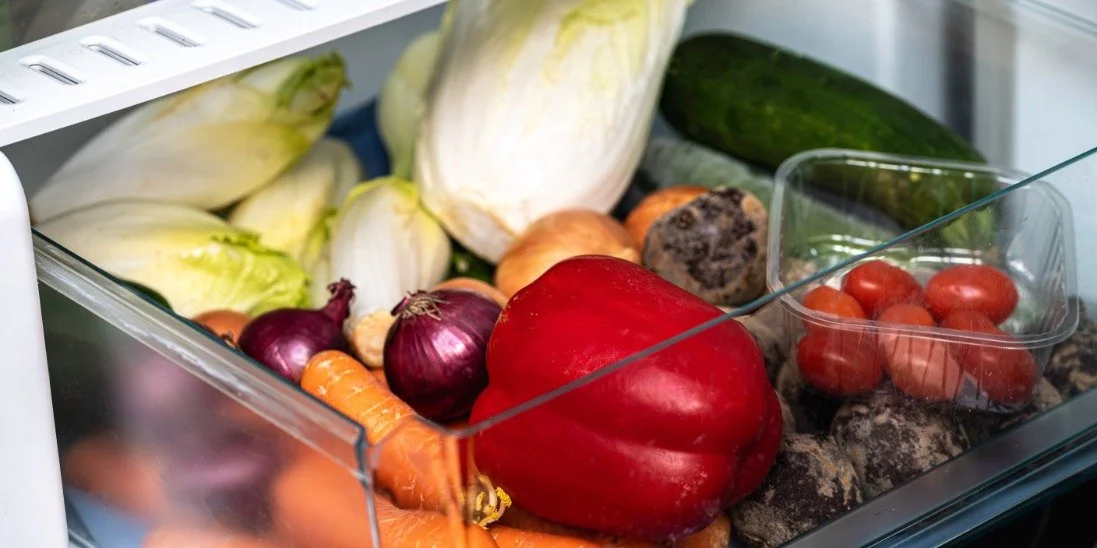
Fresh produce always sounds like a great idea at the grocery store, but a few days later, it can feel like half of it is already headed for the trash. For busy families, that usually is not because anyone did something “wrong.” More often, it comes down to a few small storage habits that make produce go bad faster than expected. The good news is that once you notice these patterns, they can easily be replaced with better ones that help food last longer.
Sealing Produce Too Tightly
A lot of people transfer fruits and vegetables into airtight containers right away because it looks neat and keeps the fridge organized. The problem is that not everything does well without airflow. Some produce holds moisture and breaks down faster when it is sealed up too tightly.
That is one reason food waste can sneak up so quickly, especially with fruits and vegetables that need ventilation, but end up trapped in closed containers or packed drawers instead.
Overcrowding Produce in the Fridge
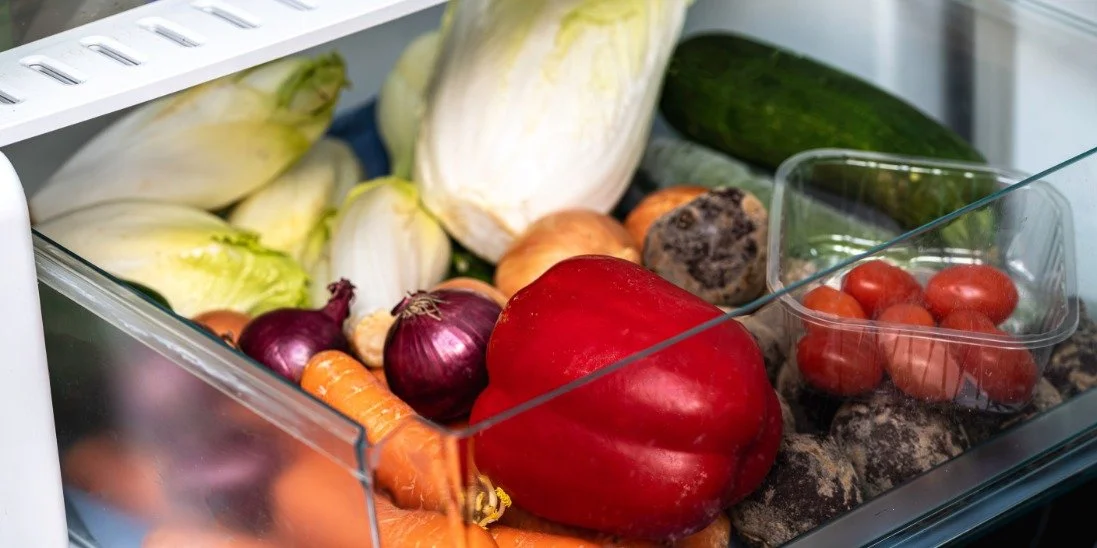
Even a well-stocked fridge can work against you if everything is packed in too tightly. When produce is stacked on top of other items, delicate fruits and vegetables bruise faster and older items disappear into the back.
It also becomes harder to see what needs to be used first. Leaving a little space between items makes a bigger difference than most people expect, and it helps you actually use what you bought.
Storing the Wrong Produce Together
It is easy to toss everything into one drawer or bin, especially after a busy grocery run. But some fruits ripen quickly and can cause nearby vegetables to spoil sooner.
Keeping everything together may feel convenient in the moment, but separating just a few items can help the rest of your groceries last longer and reduce how much ends up getting thrown away.
Putting Produce Away While Damp
Washing produce right after shopping feels like a productive step, but storing it while it is still damp can shorten its shelf life. Extra moisture creates the perfect environment for softer items to turn slimy or moldy faster than expected.
In many cases, it is better to wait until you are ready to use it, or at least take a moment to dry everything before putting it away.
Making Small Storage Changes That Add Up
You do not need a perfectly organized kitchen to waste less food. A few small adjustments, like giving produce more breathing room, cutting back on extra moisture, and separating certain items, can go a long way.
When you focus on how you store your food, those bad habits that make produce go bad start disappearing, and your groceries last longer without adding extra work to your routine.

