

A resource for those seeking information on organizing and transforming spaces.

Simple Ways To Improve Pool System Performance
Discover some simple, low-stress ways to improve swimming pool system performance and keep your backyard setup running smoothly all summer long.
A backyard pool can make summer days feel a little easier. But when the pool system is not running efficiently, it can quickly become another item on the household to-do list.
The good news is that there are some simple ways to improve pool system performance that do not require expensive upgrades or complicated repairs. A few easy habits can keep things running smoothly while reducing stress and maintenance issues.
Keep the Pool Area Organized
One of the easiest ways to avoid pool problems is by keeping the surrounding area clean and organized. Leaves, toys, towels, and outdoor clutter can end up in the water or around equipment, which can strain the system over time.
Creating designated storage bins for pool supplies and outdoor gear reduces debris accumulation and keeps everything easier to manage. A tidy pool area also makes it easier to notice small issues before they turn into bigger concerns that require repair.
Clean Filters Regularly
Pool filters work hard behind the scenes. When they become clogged with dirt or debris, the system has to work much harder to circulate water properly.
Checking and cleaning the filters regularly can improve water flow and extend the life of the equipment. During heavy-use months, pool filters may need more frequent attention, especially after storms or pool parties.
Watch for Early Warning Signs
Many pool problems start small. Strange noises, cloudy water, weak water circulation, or rising energy bills can all point to equipment issues that should not be ignored.
Knowing how to address concerns regarding various pool components can prevent larger system failures later on. For instance, recognizing the signs you need to repair or replace your pool pump allows you to determine the best course of action for this essential piece of pool equipment.
Stick to a Simple Maintenance Routine
Busy schedules often make home maintenance feel overwhelming, but consistency matters more than perfection. Creating a simple weekly checklist can make pool care easier to stay on top of.
A basic routine might include:
Emptying skimmer baskets
Checking water levels
Testing pool chemicals
Inspecting equipment for leaks or unusual sounds
Brushing debris away from drains and filters
Small steps taken consistently can make a noticeable difference in pool system performance over time.
Perform Seasonal Equipment Checks
At the start and end of each swim season, it is beneficial to inspect the full pool system. Checking pumps, hoses, timers, and heaters before heavy use can reduce the chances of surprise breakdowns during the busiest months. Seasonal checks also create an opportunity to declutter pool storage areas and get rid of broken or unused items that tend to pile up year after year.
Final Thoughts
Keeping a pool running efficiently does not have to be complicated. With a few simple ways to improve pool system performance, families can spend less time dealing with maintenance issues and more time enjoying their outdoor space. Easy organization systems, routine upkeep, and early problem detection all go a long way toward creating a smoother, lower-stress pool season.
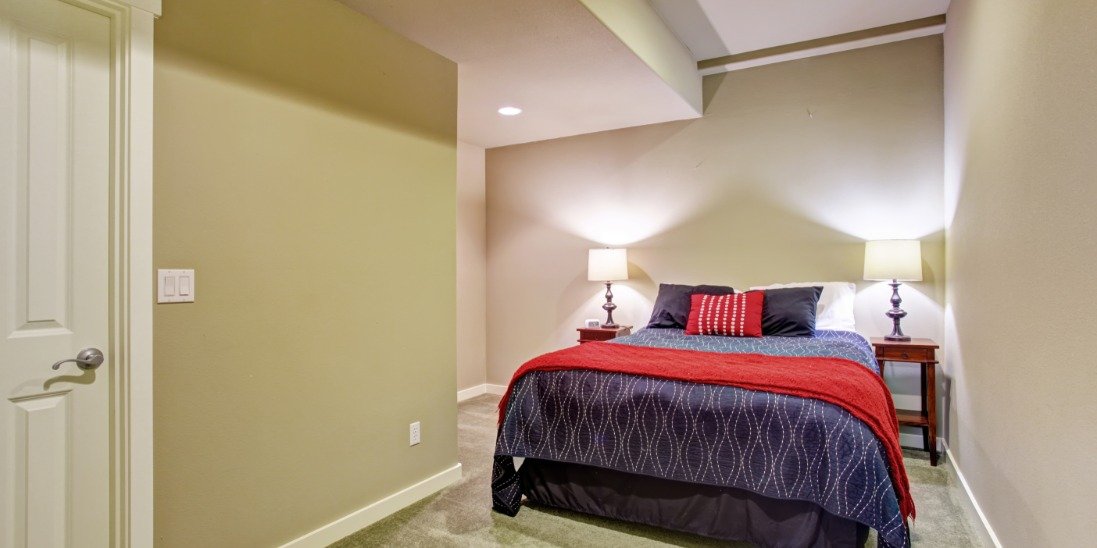
How To Make a Basement Bedroom Feel Finished
Turn a basement bedroom into a space that looks cared for from the first glance. Small updates can make a basement bedroom feel finished with ease.
A basement bedroom should not look like the room everyone forgot about. With the right choices, it can become the cozy, pulled-together space that makes the lower level like part of the home. The goal is to make a basement bedroom feel finished without overcomplicating the project. Start by treating the room with the same care as any upstairs bedroom, then let comfort guide each update.
Start With Clean, Dry Walls
Basement walls need a solid foundation before decorative updates begin. Repair small cracks and make sure the room stays dry after heavy rain. Once the surface is ready, paint can do a lot of quiet work. A warm neutral shade helps the space look intentional without making the room seem smaller.
Add Flooring That Warms the Room
Cold floors can make a basement bedroom seem unfinished, even when the rest of the space looks good. Choose flooring that provides comfort underfoot and withstands basement conditions. A thick rug over finished flooring softens the room without requiring a major renovation. Keep the rug large enough to sit partly under the bed so the layout is grounded.
Use Lighting in More Than One Spot
Basements need more lighting than upstairs bedrooms because natural light may be limited. Instead of relying on one ceiling fixture, add lamps where the room needs warmth. A bedside lamp can make the space calmer at night, while a floor lamp can brighten a darker corner. Soft bulbs usually work better than harsh white light in a bedroom.
Plan the Furniture Layout Carefully
A finished bedroom needs enough open space to move comfortably around the bed. Avoid pushing every piece against the wall unless the room is very narrow. For example, when you place furniture around baseboard heaters, leave enough clearance so heat can move through the room safely. A simple layout with fewer pieces is more complete than a crowded one.
Finish With Details That Belong
Small finishing touches connect the basement bedroom to the rest of the home. Curtains soften a small window and make the room feel less temporary. Artwork should fit the wall size rather than fill space for its own sake. A made bed, a clean nightstand, and one personal detail can make the room more settled.
A basement bedroom deserves just as much care as the rest of the home. When the space has warmth and a little personality, it becomes much easier to make a basement bedroom feel finished. The best result is a room that’s comfortable the moment someone walks in.

What To Check Before Buying a Home With a Well
Before closing day, what to check before buying a home with a well can shape a family's next chapter. Get clear on what deserves a closer look.
Buying a house with its own water source can be a smart move for a growing family, but it deserves a careful look before closing day. What to check before buying a home with a well starts with understanding how the system supplies water daily and how well it has been maintained. A well can serve a home for many years when the equipment is sound and the water is safe. Still, a few early checks can prevent expensive surprises after move-in.
Start With Water Quality
Begin by confirming that the water is safe for everyday use. A basic water test should check for bacteria and common minerals that can affect taste or plumbing. If the home has filters or a softener, ask when those parts were last serviced. Fresh results give your family a clearer picture than a seller’s memory.
Look at the Well’s Age and Records
Next, ask for the well log, including its repair history, and any permits connected to the system. These records can show the well depth and the type of pump installed. When paperwork is missing, a licensed well professional can inspect the setup and explain what may need attention. Clear records make it easier to plan for future maintenance.
Check the Pump and Water Pressure
The pump should deliver steady pressure during normal household use. Run water long enough to notice whether the pressure drops or the pump cycles too often. A well contractor may explain how pump size and pipe depth interact to determine the right well drop pipe for the pump system before any parts are replaced. Good pressure should be consistent without making the system work harder than it should.
Inspect the Well Location
A well should be properly placed and sealed to protect the water supply. The well cap should be secure, and the ground around it should slope away from the opening. Keep an eye on nearby drainage, as surface water can pose avoidable risks. A clean, protected, well area is easier to maintain over time.
Understand Ongoing Maintenance
A private well means the homeowner is responsible for upkeep. Plan for routine water testing and occasional service calls. It helps to know where the pressure tank sits and how to shut off the system in an emergency. Simple familiarity can make small issues less stressful later.
Before making a final decision, what to check before buying a home with a well comes down to safety and long-term care. A well should support daily family life without constant worry. When the water tests clean and the equipment works properly, the home is much easier to evaluate with confidence.
How Your Home Affects Your Decision Fatigue
In the past, we thought of home as just a place to sleep, a neutral backdrop to a busy life. But our homes are actually "doers." They actively influence how much brainpower we have left. Every pile of mail or mismatched lid is a tiny "talker" demanding a decision. It’s like asking for a relaxing evening and being handed a manual for a complex machine instead. By understanding how your space drains your mental battery, you can turn a stressful environment into a sanctuary that works for you.
In the past, we thought of home as just a place to sleep, a neutral backdrop to a busy life. But our homes are actually "doers." They actively influence how much brainpower we have left. Every pile of mail or mismatched lid is a tiny "talker" demanding a decision. It’s like asking for a relaxing evening and being handed a manual for a complex machine instead. By understanding how your space drains your mental battery, you can turn a stressful environment into a sanctuary that works for you.
The Silent Drain of Visual Clutter
The biggest mistake we make is looking at a cluttered countertop and seeing a dead end. We think, "I'll get to it later," but our brains are already processing it. Clutter forces constant micro-decisions: Should I move this? Where does it go? This is a win for anxiety and a loss for focus. By clearing the clutter, you stop the stream of questions your brain has to answer.
● The One-Touch Rule: If a task takes less than a minute—like hanging a key—do it now. It removes a future decision.
● Closed Storage: Swap open shelving for cabinets. If you can't see the mess, your brain doesn't have to process it.
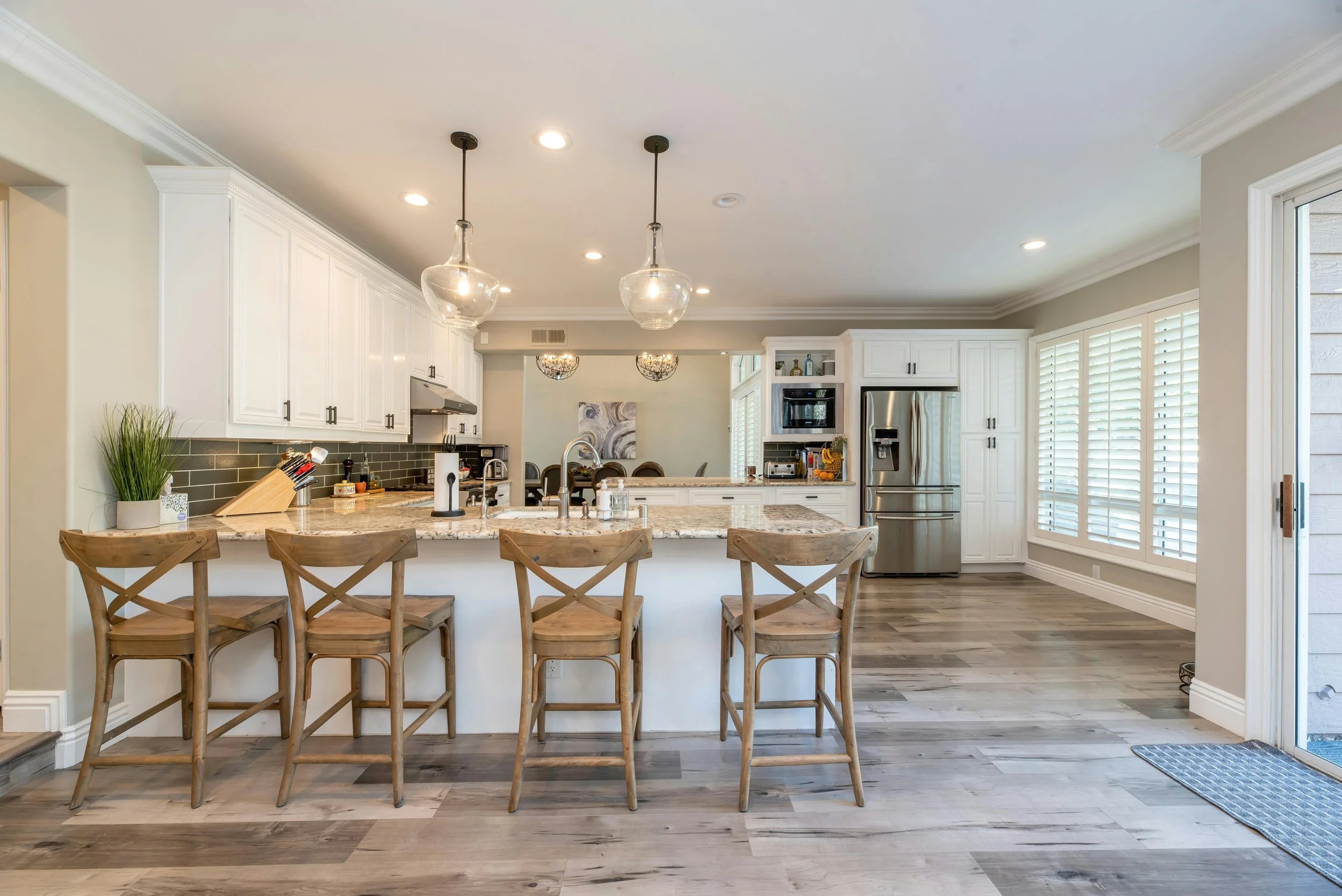
● Surface Zero: Keep your kitchen island clear. It provides instant mental peace.
Establishing "Auto-Pilot" Stations
To get the most out of your home, value routines as much as square footage. You can't let your morning start with a scavenger hunt for your shoes while deciding what to eat. Creating a dedicated "launch pad" near the door gives you a system that handles the heavy lifting. When everything has a fixed home, the "where is it?" decision disappears entirely.
● The Command Center: One spot for mail, chargers, and keys removes major daily decisions.
● Uniform Hangers: Identical hangers make it easier to see your clothes without visual distraction.
● Pre-Set Lighting: Use smart bulbs to dim the lights at 9:00 PM. The house should tell you when it’s time to wind down.
Designing for Intentionality
When looking for a new home or renovating, layout is the ultimate "doer." In the competitive world of Point Cook real estate, modern designs focus on reducing friction. Open-plan living is great, but if your office is in the middle of the kitchen, your brain has to decide between "work mode" and "snack mode" every five minutes. A well-designed home creates boundaries that make life easier.
● Zoned Living: Define rooms for specific tasks so your brain knows when work is officially over.
● Built-in Functionality: Look for clever storage solutions that hide the mess.
● Natural Flow: A home that makes sense to walk through removes the subconscious decision of how to navigate.
The "Doer" Kitchen: Reducing Mealtime Stress
The kitchen is often the headquarters of decision fatigue. By turning your kitchen into a "doer," you take the advice and turn it into action. Setting up your workspace so tools are within arm's reach removes the headache of digging through drawers. It turns a stressful chore—cooking—into a finished job that doesn't feel like a mountain to climb.
● The Pantry Audit: Keep healthy snacks at eye level so the "healthy choice" is the easiest one.
● Meal Planning Kits: Store all your baking or pasta gear in one bin so you don't have to hunt.
● Limited Choices: You don't need twenty different mugs. Reducing options leads to a clearer mind.
Sensory Cues and Mental Reset
Your home should complete the task of relaxation for you. Sensory cues like scent, sound, and temperature are the backend systems of your mood. If your home is too loud or bright, your brain is constantly filtering out discomfort. Giving these agents the power to execute a "mood shift" makes life easier. It provides high-tier, reliable comfort, turning a tired house into a high-functioning home.
● Soundscaping: Use white noise or soft music to drown out street sounds.
● Scent Association: Lighting the same candle every evening tells your brain that the "deciding" part of the day is finished.
● Temperature Control: A cool bedroom removes the micro-decisions of trying to get comfortable.
Your home is either a partner helping you manage your day or a silent competitor for your attention. There’s something incredibly rewarding about walking through your front door and feeling your shoulders drop because the house has already handled the "micro-tasks" for you. Don't wait for a "perfect" renovation to start. Grab a box and clear one countertop this weekend. You’ll be surprised at how much more brainpower you have once you start focusing on the potential of a space that truly supports you.

