

A resource for those seeking information on organizing and transforming spaces.
Making Big Property Maintenance Easier
Caring for a large property can feel both exciting and overwhelming. Big land gives you room to dream, but it also comes with real demands. Overgrowth creeps in fast, structures weather quickly, and small issues can spread across acres before you notice them. The key to keeping a large property manageable is approaching it with a clear plan, steady upkeep, and the right tools. With a thoughtful strategy, even the most neglected acreage can become organized, productive, and enjoyable again. The more intentional you are from the start, the easier it becomes to stay ahead of maintenance instead of constantly reacting to problems.
Caring for a large property can feel both exciting and overwhelming. Big land gives you room to dream, but it also comes with real demands. Overgrowth creeps in fast, structures weather quickly, and small issues can spread across acres before you notice them. The key to keeping a large property manageable is approaching it with a clear plan, steady upkeep, and the right tools. With a thoughtful strategy, even the most neglected acreage can become organized, productive, and enjoyable again. The more intentional you are from the start, the easier it becomes to stay ahead of maintenance instead of constantly reacting to problems.
Assessing the Condition of the Property
Before you start clearing or building, you need a clear picture of what you’re working with. A slow, deliberate walkthrough reveals far more than a quick glance from the driveway. You’ll spot things like erosion channels hidden behind brush, fallen limbs tucked into fence lines, or old structures that look stable from afar but show rot up close. Walking the land also helps you understand how it flows—where water collects, where access is tight, and which areas are easiest or hardest to reach. Many landowners are surprised by how much they miss until they take the time to explore every corner.
Mapping the property gives you a practical way to organize what you’ve found. It doesn’t need to be fancy; even a simple sketch helps you mark problem spots, note elevation changes, and identify areas that need clearing or grading. This map becomes your working plan as you decide where to start and how to move through the property efficiently. It also becomes a valuable reference over time, helping you track improvements and spot recurring issues.
Once you’ve documented everything, address the most urgent issues first. Safety hazards—unstable trees, damaged roofs on outbuildings, deep washouts—should be handled before anything else. After that, focus on improving access. If you can’t reach parts of your land easily, every other task becomes harder. Good access is the foundation of efficient property care.
Clearing Overgrowth and Reclaiming Land
Overgrowth is one of the biggest challenges on large properties. Brush, vines, and invasive plants can take over quickly, especially if the land has been idle for years. Mechanical clearing tools—brush mowers, skid‑steer attachments, and heavy‑duty trimmers—make a dramatic difference in a short amount of time. They allow you to reclaim large areas that would take days to clear by hand. Clearing also reveals the true shape of the land, making it easier to plan future improvements.
Trees often need attention as well. Dead limbs, storm damage, and overcrowded canopies create hazards and block airflow. Strategic trimming opens up sightlines, improves tree health, and makes the land feel more open and usable. In some cases, removing a few problem trees can transform how a space functions. Clearing around trees also helps prevent pests and reduces fire risk.
Debris disposal is a major part of reclaiming land. Branches, brush piles, and old fencing accumulate quickly. Chipping material into mulch, hauling debris to a disposal site, or creating a designated composting area keeps the property clean and prevents clutter from returning. A clean property is easier to maintain and far more enjoyable to use.
Establishing Functional Zones Across the Property
Once the land is cleared, you can start shaping it into something more intentional. Dividing a large property into functional zones makes it easier to manage and reduces wasted time and effort. Equipment and storage areas should sit on stable ground with easy access for trucks and machinery. These zones might include sheds, barns, lean‑tos, or pads for water tanks and fuel storage. Keeping tools and equipment centralized saves countless hours over the course of a year.
Recreation, gardening, and livestock areas should be placed where the land naturally supports them. Sunlight, soil quality, drainage, and proximity to water all influence where these zones make the most sense. Grouping similar activities together keeps the property organized and minimizes unnecessary travel. It also helps you plan utilities, fencing, and irrigation more efficiently.
Access routes tie everything together. Well‑planned drive paths, utility roads, and footpaths make it easier to move equipment, transport materials, and reach remote areas. Gravel or compacted soil helps prevent erosion and keeps routes usable year‑round. Good access is one of the most valuable improvements you can make.
Managing Water, Drainage, and Utility Infrastructure
Water management is an important and yet often overlooked parts of maintaining a large property. Poor drainage can wash out roads, drown plants, and damage structures. By studying how water naturally moves across your land, you can identify low spots, runoff channels, and areas prone to flooding. Simple grading adjustments, swales, or drainage ditches can dramatically improve water flow and protect the property from long‑term damage.
Water tanks are essential for many large properties, especially when water needs to be stored or distributed across long distances. Whether you’re irrigating gardens, supporting livestock, or keeping emergency reserves on hand, tanks require stable foundations and easy access for refilling. A vertical water tank is often a smart choice for properties with limited ground space, as its tall, narrow design provides high capacity without consuming a large footprint. Protective structures, such as shade covers or enclosures, help extend the lifespan of any tank and keep the water clean. A well‑placed tank can save hours of hauling water during busy seasons.
For properties that require water across long distances, pumps, gravity‑fed lines, and trenching create efficient distribution systems. Strategically placed spigots and irrigation lines save time and reduce the physical strain of hauling hoses or buckets. A well‑designed water system is one of the best long‑term investments you can make, improving both convenience and the overall health of your land.
Choosing Hardworking Equipment for Large‑Scale Maintenance
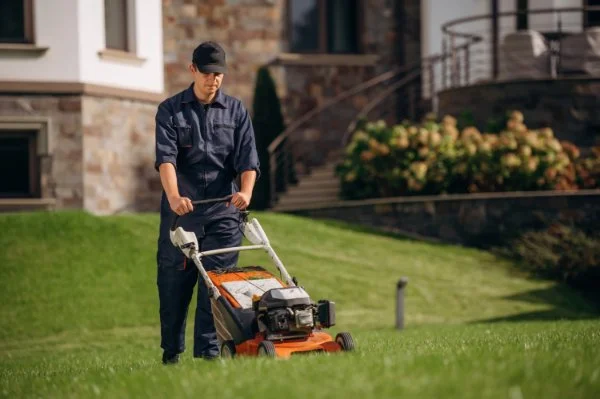
Large properties require equipment that can handle serious work. Zero‑turn mowers, compact tractors, brush cutters, and utility vehicles are often essential for maintaining fields, trails, and open spaces. These machines dramatically reduce labor and help you keep up with seasonal demands. For everyday upkeep, having reliable lawn equipment, such as walk‑behind mowers, edgers, and string trimmers, ensures you can maintain smaller areas and detailed spaces that larger machines can’t reach.
A dependable set of tools like chainsaws, augers, trimmers, and tow‑behind implements makes everyday tasks easier and safer. Investing in durable equipment pays off quickly when you’re managing acres instead of a backyard. Quality tools also reduce frustration and help you work more efficiently, especially when you’re juggling multiple zones across a large property.
Regular maintenance keeps your equipment reliable. Oil changes, blade sharpening, filter replacements, and seasonal inspections prevent breakdowns and extend the life of your machinery. A well‑maintained machine is safer, more efficient, and far less likely to fail when you need it most, ensuring your property stays manageable year‑round.
Developing a Long‑Term Maintenance Plan
A large property is never truly “finished.” It evolves over time, and a long‑term maintenance plan helps you stay ahead of that evolution. Breaking tasks into seasonal segments keeps the workload manageable and prevents important projects from slipping through the cracks. Spring might focus on soil preparation and planting, summer on mowing and irrigation, fall on cleanup and repairs, and winter on equipment care and planning.
Tracking maintenance ensures nothing gets overlooked. This helps prevent small issues from becoming expensive problems and gives you a clearer picture of your property’s overall condition. Over time, you’ll start to see patterns that help you plan more effectively.
Long‑term planning also keeps your property moving toward your vision. Whether you want to expand storage, add new access routes, or upgrade water systems, thoughtful planning ensures each improvement supports the next and contributes to a more efficient, well‑organized landscape. A clear plan turns big land into a manageable, rewarding investment.
Maintaining a large property takes commitment, but it doesn’t have to feel overwhelming. With a clear plan, the right tools, and steady upkeep, you can turn big land into a well‑organized, productive, and enjoyable space. By reclaiming overgrown areas, creating functional zones, managing water wisely, and investing in reliable equipment, you set your property up for long‑term success. With consistent care and thoughtful planning, your land will continue to thrive for years to come.

What to Expect When Repairing a Heater in an Older Home
Repairing a heater in an older home is rarely a simple tune‑up. These systems often carry decades of wear, outdated components, and design limitations that modern equipment no longer uses. Homeowners who understand the unique challenges of older heating systems are better prepared for the repair process, the potential costs, and the decisions that follow.
Repairing a heater in an older home is rarely a simple tune‑up. These systems often carry decades of wear, outdated components, and design limitations that modern equipment no longer uses. Homeowners who understand the unique challenges of older heating systems are better prepared for the repair process, the potential costs, and the decisions that follow.
System Overview
The first step in repairing an older heater is identifying exactly what type of system you have. Many older homes still rely on equipment such as gravity furnaces, early forced‑air units, or heaters with standing pilot assemblies—systems that operate very differently from today’s high‑efficiency models. Technicians look for clues such as the age of the blower motor, the presence of mercury thermostats, or ductwork sized for outdated fuel sources like coal or oil.
Outdated components are common. Older heaters may use wiring that predates modern grounding standards, burners that no longer ignite reliably, or heat exchangers that have weakened over time. These details matter because they influence both the system's safety and the feasibility of repair. Compatibility is another concern: older heaters may not integrate cleanly with updated electrical panels, gas lines, or ventilation systems, which can affect repair options.
Common Issues
Older heating systems tend to show predictable patterns of deterioration. Corrosion on burners, cracked heat exchangers, worn bearings in blower motors, and failing ignition systems are among the most frequent problems. These issues don’t just reduce performance as they can create serious safety hazards if ignored.
Airflow problems are also common in older homes. Ductwork may be undersized, poorly insulated, or leaking air through joints that have loosened over decades. In some cases, the heater itself is functional, but the duct system prevents it from distributing heat effectively. Technicians often find that improving airflow is just as important as repairing the heater.
Safety concerns deserve special attention. Older systems are more prone to carbon monoxide leaks, gas line deterioration, and electrical hazards. A thorough inspection is essential to ensure the system can operate safely after repairs.
Technician Evaluation
A professional repair visit, such as from a company like Legacy Plumbing and Heating, begins with a detailed inspection of the heating unit and its supporting components. Technicians examine burners, wiring, sensors, heat exchangers, and ventilation pathways. They test airflow, temperature rise, and fuel efficiency to determine how well the system is performing.
One of the most important outcomes of this evaluation is determining whether repair or replacement is the better long‑term choice. If the heater is structurally sound and parts are available, repair may be straightforward. But if the system is nearing the end of its lifespan, has significant safety issues, or relies on components that are no longer manufactured, replacement may be the more practical and cost‑effective option.
Repair Challenges
Repairing heaters in older homes often involves challenges that newer systems don’t present. Sourcing parts is one of the biggest obstacles. Many older components—such as specific ignition modules or blower assemblies—are discontinued, which can extend repair timelines or require retrofitting with modern alternatives.
Technicians may also need to address outdated wiring, ungrounded circuits, or aging gas lines before repairs can be completed safely. These upgrades are not optional; they ensure the system meets current safety standards. Structural limitations can also complicate repairs. Older basements, crawlspaces, and utility rooms often have tight access points, making removing or servicing equipment more time‑consuming.
Costs and Timelines
Because of these complexities, repair costs for older heaters can vary widely. Labor tends to be higher due to the additional diagnostic work and the difficulty of accessing components. If parts must be sourced from specialty suppliers or retrofitted, timelines may extend beyond a typical repair window.
Homeowners should also consider the long‑term financial picture. Repeated repairs on an aging system can quickly exceed the cost of a modern replacement. When efficiency, safety, and reliability are factored in, upgrading often becomes the more economical choice.
After‑Repair Steps
Once repairs are complete, older systems benefit greatly from consistent maintenance. Regular tune‑ups, filter changes, and safety inspections help extend the life of the equipment and reduce the likelihood of future breakdowns. Improving home efficiency, such as sealing ducts, upgrading insulation, or installing a modern thermostat, can also reduce strain on the heater.
Planning for eventual replacement is wise. Even well‑maintained older systems have a limited lifespan, and preparing ahead of time helps avoid emergency failures during peak heating season.
Repairing a heater in an older home requires a clear understanding of the system’s age, limitations, and safety concerns. With the right expectations and a qualified technician, homeowners can navigate the process confidently and make informed decisions about repair, maintenance, and future upgrades. A thoughtful approach ensures the home stays warm, safe, and efficient, no matter how old the heating system may be.
Areas Homeowners Should Check After Severe Weather
Don't leave your home damaged after bad weather. Learn the key areas to check afterward, including roof damage, gutters, and outdoor safety hazards.
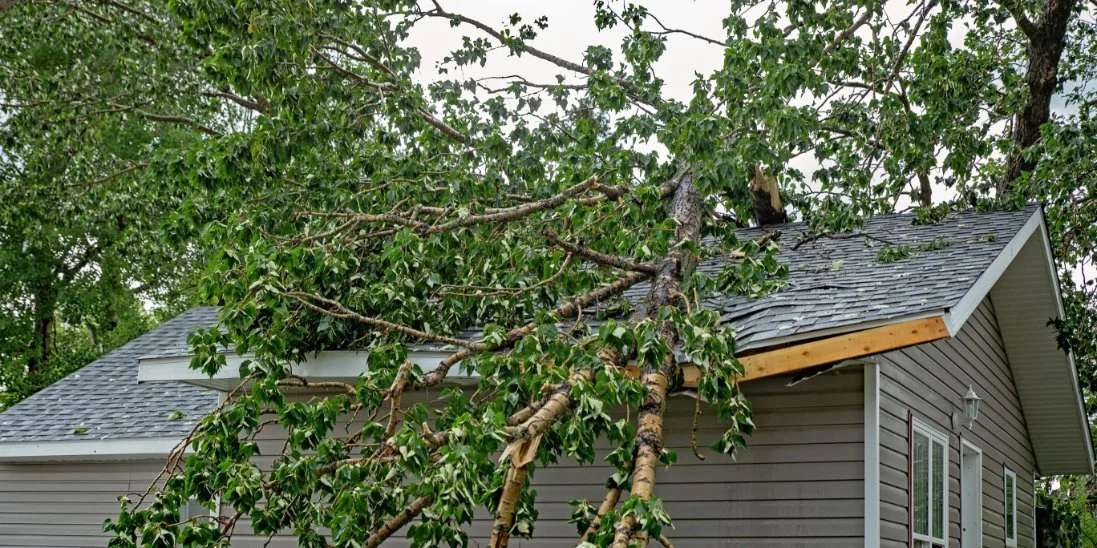
Severe weather can leave working mothers with unexpected stress long after the storm passes. Heavy rain and strong winds often damage homes in ways that homeowners do not notice right away. A quick inspection can help families stay safe while preventing expensive repairs later. When homeowners know what areas to check after severe weather, they can protect their homes and return to their normal routine with more confidence.
Start With a Calm Walk Around the Yard
Severe weather often leaves busy mothers with another urgent task before the next workday begins. You can protect your family and prevent costly repairs by inspecting your property right away. A quick outdoor check helps you catch dangerous hazards before children or pets wander outside. Before going outside, carry your phone and put on sturdy shoes. Once you’re outside, move slowly through every part of your yard.
Check Trees, Fences, and Outdoor Areas
Strong winds often scatter branches, loosen fence panels, and damage outdoor furniture during heavy storms. You should remove large limbs quickly because sharp debris can injure children during outdoor play.
Pay close attention to leaning trees because weak trunks can fall during the next round of rain. Many mothers also save time by photographing damage immediately for insurance records and repair estimates.
Focus on these outdoor areas during your first inspection:
Gutters that overflow with leaves or broken shingles
Walkways that contain slippery mud or cracked concrete
Play equipment with loose bolts or bent support bars
Patio furniture that blocks exits or emergency pathways
Power lines that hang low near trees or rooftops
Look Closely at the Roof and Gutters
Roof problems often lead to costly leaks when homeowners ignore minor warning signs after rough weather. You can learn how to spot roof damage after a storm by checking for curled shingles and loose flashing. The earlier you check, the better, since early action reduces the need for long repair appointments later. You should also inspect the gutters closely, as clogged drainage systems often push water toward walls and foundations.
Heavy rain can pull granules from shingles and scatter them near downspouts or driveway edges. You should contact a roofing professional quickly when you notice sagging areas or exposed roofing material. Small leaks often spread fast through the interior of your home during humid weather. Fast action helps families avoid mold growth and major disruptions during busy school weeks.
Watch for Indoor Warning Signs
Indoor inspections matter just as much because storms often create hidden damage behind walls and ceilings. You should check every room for unusual smells, peeling paint, or damp carpet near windows and corners. Children often spend more time indoors after severe weather, so mothers should address moisture problems quickly. Early attention helps families avoid ruined furniture and stressful cleanup projects later.
You do not need advanced tools or professional training to complete a basic inspection after severe weather hits your home. A calm walkthrough and careful notes can help working mothers stay organized during stressful situations after major storms. Your quick response today can protect both your home and your peace of mind for months ahead.

5 Organization Tips for Small Airbnb Spaces
Most small-rental hosts overhaul their furniture and call it done. However, the real secret lies in copying habits boutique hotels have used for decades. Whether you manage your Airbnb yourself or work with a team like MasterHost in Vancouver, these five behind-the-scenes routines will turn a 400-square-foot studio into a stay that rivals a five-star room.
This article was written in collaboration with a vacation rental management partner. The thoughts shared here reflect our genuine perspective on the topic, and we hope you take something useful away.
Most small-rental hosts overhaul their furniture and call it done. However, the real secret lies in copying habits boutique hotels have used for decades. Whether you manage your Airbnb yourself or work with a team likeMasterHost in Vancouver, these five behind-the-scenes routines will turn a 400-square-foot studio into a stay that rivals a five-star room.
Carve Out a Suitcase Corner
First, designate one corner for arriving suitcases. A folding luggage rack or a low bench inside the door keeps bags off the bed and out of walkways. Guests unpack faster when there's a clear landing surface waiting, and the bed stays photo-ready throughout the stay. A soft rug underneath protects the floor from wheels.
One Spot for Cables
Next, place a small tray with three cables, USB-C, Lightning, and micro-USB, on the nightstand or a hallway shelf. For example, guests stop hunting for outlets, and tangled wires never end up draped across the kitchen counter. Add a power strip with surge protection to finish the setup. Label each cable for clarity.
Set Up an Entry Shelf
Meanwhile, a dedicated entry surface holds the WiFi card, spare key, neighborhood guide, and a small bowl for keys. Hotels never make guests dig for this information, and you shouldn't either. One narrow console or a wall-mounted shelf does the job. Add a notepad and pen for messages or reminders.
Stash the Next Linen Set
Then store a complete next-stay set, fitted sheet, flat sheet, two pillowcases, and one stack of towels, in a fabric bin labeled with the bed size. Cleaners grab one bin, not five drawers. As a result, turnovers shrink by ten or fifteen minutes per booking, and mistakes drop to zero.
Snacks in One Basket
Finally, gather coffee pods, tea bags, sugar sachets, and any welcome treats into a single open basket on the counter. Indeed, guests find everything within seconds and resupply requests drop sharply. Refill the basket between stays as part of the cleaning checklist.
Ultimately, these five habits cost little, install in an afternoon, and signal real care to every arriving guest. Small touches add up to higher ratings, faster turnovers, and listings that quietly outrun the competition.

