

A resource for those seeking information on organizing and transforming spaces.
Why All Terrain Cranes Are Essential for Modern Construction Sites
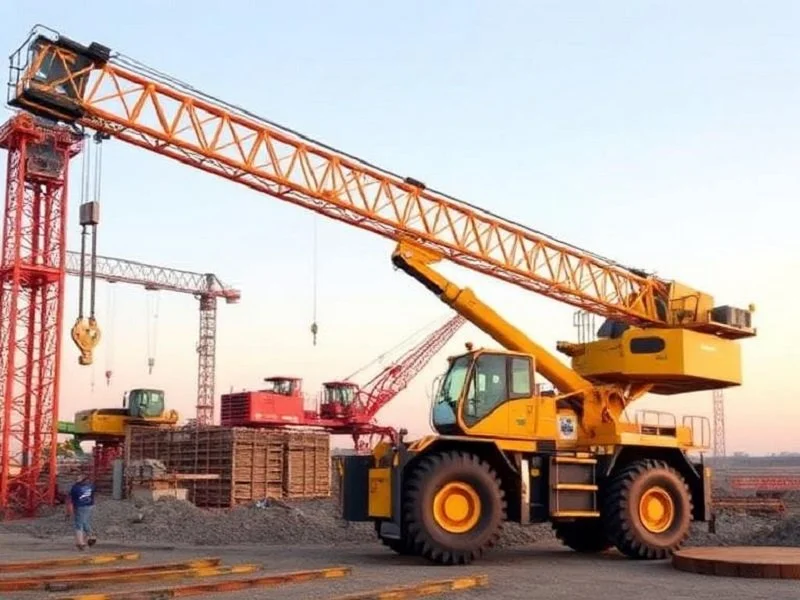
Have you ever wondered what makes a construction project run smoothly, even when the terrain looks impossible to navigate? Or perhaps you've asked yourself how massive steel beams get lifted into place on sites that seem barely accessible? The answer often lies in one remarkable piece of machinery: the all terrain crane.
Have you ever wondered what makes a construction project run smoothly, even when the terrain looks impossible to navigate? Or perhaps you've asked yourself how massive steel beams get lifted into place on sites that seem barely accessible? The answer often lies in one remarkable piece of machinery: the all terrain crane.
These versatile workhorses have become the backbone of modern construction across Australia. From bustling city centres to remote mining sites, all terrain cranes are making the impossible possible. They combine the best features of various crane types into one powerful package, allowing construction teams to tackle challenges that would have been unthinkable just a few decades ago.
In this article, we'll explore exactly why all terrain cranes have become so vital to today's construction industry. You'll discover what sets them apart from other crane types, the incredible range of applications they're suited for, and how to choose the right one for your next project. Whether you're a project manager, a site supervisor, or simply curious about construction equipment, this guide will give you a clear understanding of why these machines are genuinely essential on modern construction sites.
What is an All Terrain Crane?
An all terrain crane is a mobile crane designed to operate on both public roads and rough, uneven ground. Think of it as the Swiss Army knife of the crane world. It combines the road-travelling capabilities of truck cranes with the off-road prowess of rough terrain cranes.
Key Features That Set All Terrain Cranes Apart
What makes these machines so special? First, they feature multiple axles—usually between two and nine—giving them exceptional stability and weight distribution. This design allows them to carry heavier loads while maintaining manoeuvrability.
They also come equipped with all-wheel steering and all-wheel drive systems. This means they can navigate tight spaces on construction sites and handle muddy, sandy, or rocky conditions without getting stuck. Plus, their adjustable suspension systems allow operators to level the crane on uneven ground quickly.
How Do All Terrain Cranes Differ from Mobile Cranes?
While all mobile cranes share some similarities, all terrain cranes stand out for their versatility. Standard truck-mounted cranes work brilliantly on paved surfaces but struggle off-road. Rough terrain cranes excel on challenging ground but can't legally travel on highways.
All terrain cranes bridge this gap perfectly. They can drive from one site to another on public roads, then roll straight onto unprepared ground and get to work. This dual capability saves significant time and eliminates the need for separate transport arrangements.
Why Are All Terrain Cranes So Popular on Construction Sites?
The popularity of these cranes isn't accidental. Construction professionals across Australia choose them for compelling practical reasons that directly impact project success.
Unmatched Versatility Across Job Sites
One crane, countless applications—that's the beauty of all terrain cranes. They perform equally well in urban environments with limited space and on sprawling rural sites. This flexibility means contractors don't need multiple crane types in their fleet.
Whether you're erecting structural steel, placing HVAC units on rooftops, or lifting prefabricated components, an all terrain crane can handle it. This adaptability makes them particularly valuable for companies working across diverse project types.
Superior Mobility on Challenging Ground Conditions
Australian construction sites aren't always conveniently flat and paved. Many projects involve uneven terrain, soft ground, or steep gradients. All terrain cranes thrive in these conditions.
Their powerful drive systems and specialised tyres grip surfaces that would defeat other crane types. Adjustable outriggers provide rock-solid stability even on slopes, ensuring safe lifting operations regardless of ground conditions.
Quick Setup and Reduced Downtime
Time is money on any construction site. All terrain cranes arrive ready to work with minimal setup requirements. Most can be fully operational within 15 to 30 minutes of arriving on site.
This quick deployment means more productive hours and faster project completion. When compared to crawler cranes that require significant assembly time, the efficiency gains become even more apparent.
What Are the Benefits of Using an All Terrain Crane?
Beyond versatility, these cranes deliver tangible benefits that justify their investment for construction companies of all sizes.
Cost-Effectiveness for Multi-Site Projects
For contractors managing multiple sites, all terrain cranes offer outstanding value. One crane can service several locations without needing expensive transport between jobs. This self-mobilisation capability significantly reduces logistics costs.
The reduced need for specialised transport trucks also means fewer permits, less coordination, and lower overall project expenses. For busy construction firms, these savings add up quickly over a year's worth of projects.
Enhanced Safety Features for Complex Lifts
Modern all terrain cranes come packed with safety technology. Load moment indicators prevent overloading, while anti-collision systems protect both the crane and surrounding structures. These features give operators confidence during complicated lifts.
Many models also include outrigger monitoring systems that alert operators to ground stability issues. This technology is particularly valuable on Australian sites where soil conditions can vary dramatically.
Impressive Lifting Capacities for Heavy Loads
Don't let their mobility fool you—these cranes pack serious lifting power. Modern all terrain cranes can handle loads ranging from 30 tonnes up to an incredible 1,200 tonnes for the largest models.
Telescopic booms extend to impressive heights, with some reaching over 100 metres. This combination of capacity and reach makes them suitable for high-rise construction and heavy industrial applications alike.
What Can All Terrain Cranes Be Used For?
The applications for all terrain cranes span nearly every sector of the construction industry. Their versatility makes them genuinely multi-purpose machines.
Commercial and Residential Construction
From apartment blocks to shopping centres, these cranes handle the heavy lifting that modern building projects demand. They're perfect for positioning structural elements, setting mechanical equipment, and installing facade panels.
On residential sites, they efficiently place roof trusses, modular bathroom pods, and prefabricated wall sections. Their compact footprint makes them especially useful on tight suburban building sites.
Infrastructure and Civil Engineering Projects
Bridge construction, road upgrades, and utility installation all benefit from all terrain crane capabilities. Their ability to work on unprepared ground makes them ideal for infrastructure projects in greenfield locations.
They're also brilliant for maintenance work on existing infrastructure, where access is often restricted and ground conditions are less than ideal.
Mining and Resource Industry Applications
Australia's mining sector relies heavily on all terrain cranes. These machines support equipment installation, maintenance activities, and construction of processing facilities across remote sites.
Their ability to travel independently to isolated locations reduces project costs significantly. When the nearest town might be hundreds of kilometres away, self-mobilisation becomes incredibly valuable.
Emergency Response and Disaster Recovery
When natural disasters strike, all terrain cranes are often among the first heavy equipment on scene. They clear debris, assist with rescue operations, and help rebuild damaged infrastructure.
Their ability to navigate damaged roads and unstable ground makes them essential for emergency response teams across Australia.
How Much Does It Cost to Hire an All Terrain Crane?
Understanding crane hire costs helps project managers budget accurately and choose the most cost-effective solution for their needs.
Factors That Influence Crane Hire Rates
Several variables affect hire prices. Crane capacity is the primary factor—larger cranes with greater lifting ability cost more. Hire duration also matters, with longer-term rentals typically offering better daily rates.
Location plays a role too. Remote sites may incur additional mobilisation fees. Operator requirements, insurance, and any specialised rigging equipment needed will also influence the final cost.
Hiring vs Purchasing: What Makes Sense for Your Project?
For occasional users, hiring makes clear financial sense. You avoid massive capital outlay, maintenance responsibilities, and storage costs. Hire companies also handle operator training and certification requirements.
However, companies with consistent, high-volume crane needs might find purchasing more economical over time. The decision depends on your specific usage patterns and financial situation.
How Do You Choose the Right All Terrain Crane for Your Project?
Selecting the appropriate crane requires careful consideration of several factors. Getting this decision right ensures safe, efficient operations.
Assessing Load Requirements and Reach
Start by determining your maximum lift weight and the height or distance required. Remember to factor in rigging equipment weight when calculating total load. Always choose a crane with capacity to spare—operating at maximum limits isn't wise practice.
Consider the number of lifts required too. If you're doing many lifts daily, efficiency features become more important than for occasional use.
Evaluating Site Conditions and Access
Examine your site thoroughly before selecting a crane. What's the ground condition like? Are there overhead obstacles? How much space is available for outrigger deployment?
Access routes matter as well. Measure any narrow passages or tight corners the crane must navigate to reach working positions.
Working with Experienced Crane Operators
Even the best crane is only as good as its operator. Insist on working with properly certified, experienced operators who understand both the equipment and your specific project requirements.
Good operators contribute significantly to project safety and efficiency. They can often suggest optimal crane positioning and lifting sequences that save time and reduce risk.
Common Challenges Solved by All Terrain Cranes
These machines regularly overcome obstacles that would stall projects using other equipment. Limited access? Their compact dimensions and steering capability handle tight spaces brilliantly. Variable ground conditions? No problem with their adjustable suspension and stabilisation systems.
Time pressure is another challenge they address effectively. Quick setup times and self-mobilisation mean projects stay on schedule even when crane requirements change unexpectedly.
The Future of All Terrain Cranes in Australian Construction
The future looks bright for all terrain cranes. Manufacturers continue developing cleaner, more efficient engines that meet tightening environmental standards. Electric and hybrid models are already entering the market.
Advanced telematics and remote monitoring capabilities are becoming standard features. These technologies improve maintenance scheduling, enhance safety oversight, and provide valuable operational data for project managers.
Making a Smart Choice for Your Next Project
All terrain cranes have earned their essential status on modern construction sites through proven performance, remarkable versatility, and genuine problem-solving capability. From remote mining operations to inner-city developments, they provide the lifting power and flexibility that today's projects demand.
When planning your next construction project, consider how an all terrain crane might streamline operations and reduce overall costs. Their ability to handle diverse conditions, quick setup times, and impressive lifting capacities make them smart choices for projects of all sizes. For businesses seeking reliable all terrain crane hire in Melbourne, these versatile machines offer an efficient solution for a wide range of construction and infrastructure projects.
So, whether you're managing a multi-storey commercial development or coordinating infrastructure upgrades across multiple sites, all terrain cranes deserve serious consideration. They're not just convenient—they're genuinely essential tools that help construction professionals deliver successful projects throughout Australia.
Plumbing Maintenance Checklist for Every Season
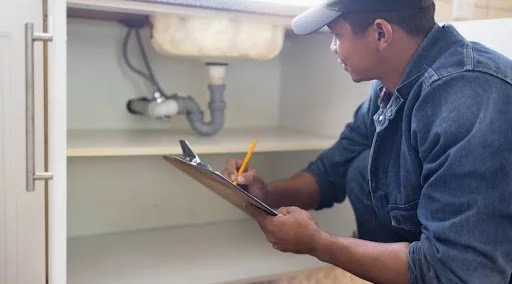
Your home's plumbing system works quietly in the background every single day, and like most things that do their job without complaint, it rarely gets the attention it deserves until something goes wrong. A burst pipe in January or a backed-up drain in July isn't just an inconvenience; it's a costly emergency that, in most cases, was entirely preventable.
We partnered with a home improvement company for this post. The opinions in the post are honest. All reviews and opinions expressed in this post are based on our personal views. We are excited because we know you will love it.
Your home's plumbing system works quietly in the background every single day, and like most things that do their job without complaint, it rarely gets the attention it deserves until something goes wrong. A burst pipe in January or a backed-up drain in July isn't just an inconvenience; it's a costly emergency that, in most cases, was entirely preventable.
The good news is that seasonal plumbing maintenance doesn't require a professional on speed dial or a toolbox full of specialized equipment. What it does require is consistency. This checklist walks you through what to inspect, test, and address each season so your plumbing stays reliable year-round.
Spring: Thaw Out and Inspect
After months of cold weather, spring is the ideal time to do a full audit of your plumbing system. Freezing temperatures can stress pipes, fittings, and outdoor fixtures in ways that aren't always immediately visible.
Outdoor Faucets and Hose Bibs
Turn on your exterior faucets and watch for drips, reduced pressure, or any sign of water coming from inside the wall rather than the spout. A freeze-damaged pipe may have cracked without your knowledge. If you spot anything unusual, call a plumber before warm weather turns a hairline crack into a flood.
Sump Pump Testing
If your home has a sump pump, spring is when it earns its keep. Pour a bucket of water into the sump pit to trigger the float switch and confirm the pump activates and drains properly. A failed test in March is far better news than a flooded basement in April.
Water Heater Check
Sediment builds up in water heater tanks over time, reducing efficiency and shortening the unit's lifespan. Flush the tank to clear any buildup and inspect the pressure relief valve by briefly lifting the lever. Water should flow freely, then stop when released. If it doesn't, the valve needs replacing. If you spot anything unusual, call a local plumber in Bergen County, NJ before warm weather turns a hairline crack into a flood.
Summer: High-Use Season Preparation
Summer brings house guests, more showers, backyard entertaining, and irrigation systems running on full. Your plumbing sees heavier use than any other time of year, making it worth a quick inspection before the season peaks.
Irrigation and Sprinkler Systems
Inspect all sprinkler heads for damage from winter and mowing season. Look for heads that spray sideways, don't retract properly, or leave dry patches in the lawn. These signal clogs or breaks that waste significant water. Check the system's timer and adjust the schedule to account for summer heat without overwatering.
Garbage Disposal
Summer cookouts mean more food waste going down the kitchen drain. Test your disposal's performance and listen for any grinding or labored sounds that suggest worn blades. Run cold water before and after each use, avoid putting fibrous foods or grease down the drain, and clean the unit monthly with ice cubes and coarse salt to break up buildup.
Washing Machine Hoses
With beach towels, sports uniforms, and outdoor gear cycling through the laundry constantly, it's worth inspecting the hoses behind your washing machine. Look for bulging, cracking, or corrosion near the connections. Rubber hoses have a typical lifespan of five years; if yours are older, consider upgrading to braided stainless steel hoses, which are significantly more durable.
Fall: Winterization Prep
Fall maintenance is arguably the most consequential of the four seasons. Getting your plumbing ready for freezing temperatures can be the difference between a normal winter and a catastrophic pipe burst.
Shut Off and Drain Outdoor Water Lines
Once temperatures begin dropping consistently below 40°F at night, it's time to shut off the water supply to outdoor faucets and drain the lines completely. Water left in uninsulated exterior pipes will freeze and expand, potentially splitting the pipe. Disconnect garden hoses from bibs before the first frost, a connected hose traps water right at the fitting, increasing the risk of damage.
Insulate Vulnerable Pipes
Walk through your basement, crawl space, and garage and identify any pipes that run along exterior walls or in unheated spaces. Foam pipe insulation is inexpensive and takes minutes to install. Pay particular attention to pipes near windows or in areas with consistent drafts.
Water Heater Efficiency
As temperatures drop, your water heater works harder to maintain temperature. If your unit is set above 120°F, consider dialing it back, you'll save energy without sacrificing comfort. Also check the unit's insulation blanket if it's an older model, and inspect the area around the base for any signs of slow leaking.
Winter: Monitor and Prevent
Winter plumbing maintenance is less about active repairs and more about vigilance and prevention. Most of the hard work has already been done in fall; now it's about protecting what you have.
Know Where Your Main Shutoff Is
Before the coldest months arrive, make sure every adult in your household knows where the main water shutoff valve is located and how to operate it. In the event of a burst pipe, getting to that valve quickly can save thousands of dollars in water damage.
Keep Heat Consistent
Resist the temptation to dramatically lower the thermostat when you leave the house for an extended period. Keeping indoor temperatures at or above 55°F helps prevent pipes in interior walls from freezing. For particularly vulnerable areas like cabinets under sinks on exterior walls, leaving the cabinet doors open allows warm air to circulate around the pipes.
Watch for Slow Drains
Winter is often when slow drains become noticeable as hair, soap scum, and grease accumulate. Rather than reaching for chemical drain cleaners which can damage older pipes, use a drain snake or call a plumber for stubborn clogs. Monthly maintenance with a baking soda and hot water flush can keep things moving without harsh chemicals.
A Final Word on Consistency
Plumbing problems rarely appear out of nowhere. They develop slowly, signaled by small clues, a minor drip, a little rust around a fitting, a drain that takes just slightly longer than it used to. Seasonal maintenance is really about training yourself to notice those signals before they escalate.
Set a reminder at the start of each season, work through your checklist methodically, and don't postpone the small fixes. The cost of a replacement washer or a tube of pipe insulation is a fraction of what an emergency plumber charges at midnight in February.
Your plumbing is a system. Treat it like one.
The Most Valuable Home Improvements for Increasing Resale Value
Not every dollar you put into your home comes back when you sell it. Understanding which improvements actually move the needle on resale value is where smart homeownership starts.
We partnered with a construction company for this post. The opinions in the post are honest. All reviews and opinions expressed in this post are based on our personal views. We are excited because we know you will love it.
Not every dollar you put into your home comes back when you sell it. Understanding which improvements actually move the needle on resale value is where smart homeownership starts.
What's Actually Controlling Your Home's Resale Value
A lot of things affect how much a buyer will pay for your home. Location matters. Market timing matters. But the condition and features of the property itself? That's the one variable you actually control.
Some improvements are purely emotional. They make you love your home more, but buyers won't pay extra for them. Others directly translate to higher offers, faster sales, and more competitive positioning in your market.
The improvements that consistently deliver the best return are the ones that address what buyers notice first, what inspectors flag most often, and what lenders require before they'll approve a mortgage.
That last category matters more than most homeowners realize. If your home has deferred maintenance that causes a deal to fall apart during inspection, no amount of cosmetic upgrades will save it.
Why Not All Renovations Are Created Equal
This is something I walk through with almost every homeowner who's preparing to sell. The instinct is to renovate the things you've always wanted to fix: the master bath, the finished basement, the dream kitchen. And sometimes those are exactly the right calls. But sometimes they're not.
A full kitchen remodel in a $250,000 neighborhood does not produce the same return as a full kitchen remodel in a $700,000 neighborhood. The surrounding market sets a ceiling on what buyers will pay, and you can't renovate your way past it.
The renovations that consistently produce strong returns share a few traits: they appeal to the broadest pool of buyers, they address functional needs rather than personal taste, and they're priced appropriately relative to the home's overall value.
The longer your home sits on the market because buyers keep passing, the more you lose. Carrying costs add up, negotiating leverage shrinks, and the final sale price often suffers. Improvements that help you sell faster are just as valuable as improvements that help you sell for more.
What Buyers Notice Before They Ever Walk Through the Door
The first impression your home makes happens from the street. Curb appeal isn't a cliché. It's a real factor in whether buyers even schedule a showing, and it colors everything they think about the home before they step inside.
The good news is that curb appeal improvements are often among the least expensive with the highest return.
Fresh exterior paint or siding repair consistently ranks as one of the top ROI projects. A home that looks tired from the outside creates doubt before the buyer has seen a single room.
Landscaping and lawn condition matter more than most sellers expect. You don't need elaborate plantings. You need clean edges, healthy grass, trimmed shrubs, and a front entrance that feels welcoming rather than neglected.
The front door is worth paying attention to. Replacing or repainting a front door, adding new hardware, and updating exterior lighting are low-cost, high-visibility improvements that signal the home has been cared for.
These aren't glamorous projects. But they are the ones that get buyers in the door, which is the prerequisite for everything else.
The Renovations That Reliably Return the Most Value
Kitchen Updates
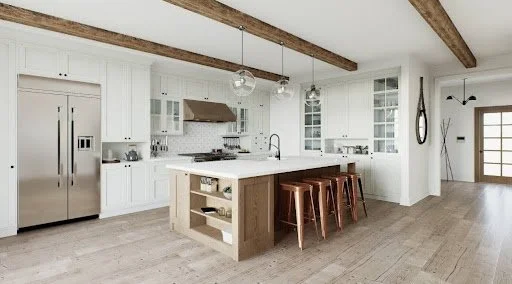
The kitchen remains the room buyers care most about. But the word "update" is doing a lot of work here. A full gut renovation rarely pays for itself. A targeted refresh often does.
Replacing outdated cabinet hardware, installing new countertops, updating lighting fixtures, and adding a modern backsplash can transform the feel of a kitchen for a fraction of the cost of a full remodel. If the cabinets are structurally sound, painting or refacing them rather than replacing them is often the smarter financial move.
Stainless appliances and stone or quartz countertops have become baseline expectations in many markets. If yours are lagging well behind, it's worth addressing.
Bathroom Improvements
Updated bathrooms rank alongside kitchens in buyer priorities. Again, the goal isn't a luxury spa renovation. It's removing the things that make buyers wince.
Dated tile, old fixtures, poor lighting, and visible mildew or water damage are the red flags to address. A bathroom that looks clean, bright, and functional will outperform a technically superior bathroom that shows signs of neglect.
If you have only one bathroom, adding a second, even a modest half bath, can meaningfully expand your buyer pool and command a higher sale price.
Flooring
Few things date a home faster than worn carpet or scratched hardwood. In most markets, hardwood floors (or quality engineered hardwood) are a strong selling feature, particularly on the main level of the home. Carpet in bedrooms is generally acceptable; carpet in living areas and kitchens is not.
Replacing flooring before listing is one of those improvements that rarely hurts and frequently helps. It's also one buyers can see and feel immediately. There's no uncertainty about condition the way there might be with a roof or HVAC.
Mechanical Systems: HVAC, Roof, and Windows
Here's the category that catches sellers off guard. Buyers, along with their inspectors and lenders, pay close attention to the age and condition of the major mechanical systems. A home with a 25-year-old roof, an aging HVAC system, and drafty windows is a harder sell, even if the kitchen was just renovated.
You don't necessarily need to replace everything. But you do need to know the condition of these systems, disclose appropriately, and price or credit accordingly. Replacing a failing HVAC system before listing can prevent a deal from collapsing. A new roof is one of the highest-return projects in terms of preventing buyer objections, even if it doesn't always add dollar-for-dollar value on paper.
Finished Basement or Additional Living Space
In markets where square footage is at a premium, a finished basement or converted bonus room can add meaningful value. The key is ensuring the space is properly permitted, insulated, and finished to a standard that feels livable and not like an afterthought.
Unfinished basements that are clean, dry, and well-maintained are far better than unfinished basements that look like they've been ignored for twenty years. Even without a full finish, addressing moisture, improving lighting, and cleaning up the space sends a message to buyers.
The Mistake That Costs Sellers the Most
The most expensive renovation decision is usually the one made too late or based on personal preference rather than market data.
Sellers who renovate their taste into a home, adding bold wallpaper, very specific tile choices, or room layouts that don't match how most buyers live, can actually make the home harder to sell. Neutralizing a highly personalized space is often more work for buyers than starting with a blank slate.
The second most common mistake is skipping the low-cost, high-visibility improvements in favor of expensive projects that most buyers won't even notice. Fresh paint in a neutral, consistent color is one of the highest-return investments a seller can make. It costs relatively little, it photographs well, and it removes one of the most common reasons buyers pass on a showing.
If you're not sure where to focus, here's a useful exercise: walk through your home as if you're seeing it for the first time. Better yet, ask a friend or real estate agent you trust to do the same and tell you honestly what they notice.
What to Check Before You List
If you're within twelve months of selling, there are a few fundamentals worth reviewing before you decide on any major improvement projects.
Start with a pre-listing inspection. Knowing what a buyer's inspector is going to find puts you in a position to address it on your timeline and your terms, rather than scrambling during the negotiation period or watching a deal fall apart.
Check the condition of your roof and HVAC. These are the items most likely to trigger repair requests or price reductions. If they're near the end of their useful life, factor that into your planning.
Look at comparable sales in your neighborhood. What are homes selling for? What features do the highest-selling homes have? This tells you where the ceiling is and helps you prioritize the improvements most likely to get you to the top of that range.
When Should You Hire a Professional?
Some improvements are genuinely DIY-friendly. Paint, landscaping, hardware replacement, and light fixture updates are within reach for most homeowners and can be done without professional help.
Others are not. Electrical, plumbing, roofing, and structural work should be permitted and professionally executed by a local contractor such as Payne Family Construction. Unpermitted work can come back to haunt a sale. Buyers and their lenders will want documentation, and work done without permits can complicate or derail a closing.
For large projects, get multiple quotes. For projects that affect the home's systems or structure, prioritize quality over cost. The goal isn't to spend as little as possible on the renovation. It's to maximize what comes back at closing.
The best home improvements aren't always the most dramatic ones. They're the ones that meet buyers where they are, remove obstacles to a purchase decision, and position your home competitively in your market.
5 Timeless Home Upgrades That Add Lasting Value
A home is more than just a structure - it’s a place where memories are made, and value is built over time. When you choose upgrades that are timeless, you enhance your everyday living experience. These improvements go beyond fleeting trends; they ensure that your property remains appealing and competitive in the housing market year after year.
A home is more than just a structure - it’s a place where memories are made, and value is built over time. When you choose upgrades that are timeless, you enhance your everyday living experience. These improvements go beyond fleeting trends; they ensure that your property remains appealing and competitive in the housing market year after year.
Here, we’ll share five of the most timeless updates you can do for that timeless home value.
Enhance Your Kitchen With Classic Features
The kitchen has long been considered the centerpiece of the home. When you invest in upgrades in this room, you deliver immediate satisfaction and long-term value. Timeless features such as natural stone countertops, solid wood cabinetry, and well-planned layouts ensure that your kitchen remains functional and stylish even as design preferences shift.
A thoughtfully designed kitchen encourages gatherings and supports efficient cooking. By focusing on durable materials and finishes that balance elegance with practicality, you’re creating a space that will continue to impress and serve your household for decades.
Elevate Living Spaces With Hardwood Flooring
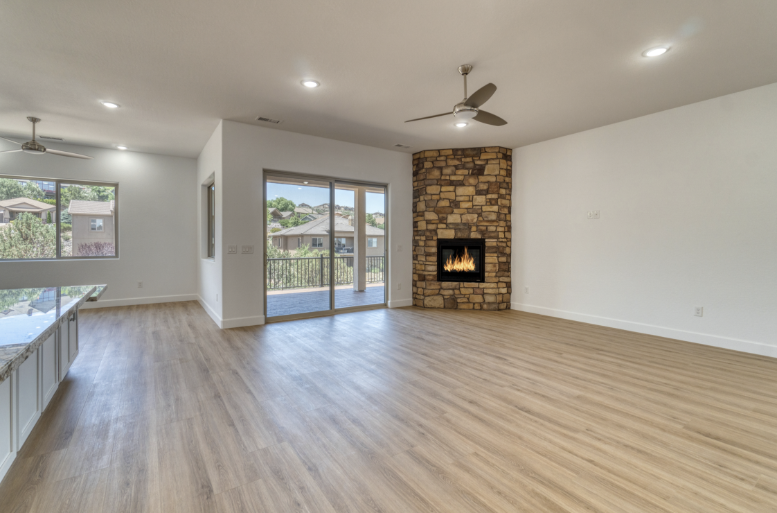
Few upgrades carry the same enduring appeal as hardwood flooring. Its natural warmth and ability to complement nearly any design style make it a favorite among homeowners and buyers alike. Residential hardwood flooring offers a balance of sophistication and practicality. You create a foundation for your home that enhances both traditional and modern interiors. Unlike many flooring options that may fade in popularity, hardwood remains a symbol of quality and permanence.
With proper care, it can last for generations. It’s an investment that retains its value and class for decades. And beyond durability, hardwood flooring also contributes to healthier indoor air quality compared to carpeting, and its timeless look ensures that it never feels outdated, no matter how often you refresh your décor.
Upgrade Bathrooms With Spa-Like Touches
Bathrooms have evolved from purely functional spaces into personal retreats. Timeless upgrades for the ultimate comfort and relaxation can be walk-in showers, elegant tile work, glass walls, and fixtures. By incorporating thoughtful lighting and high-quality materials, you can create a spa-like atmosphere that feels luxurious without being overly trendy.
These improvements elevate your daily routine and add significant appeal to potential buyers. Plenty of homeowners look for practicality and indulgence in a bathroom setting. So if you have a bathroom that feels like a sanctuary, it will enhance the overall perception of your home for buyers, making it more attractive and memorable.
Add Built-In Storage Solutions
Clutter-free living never goes out of style. Built-in storage solutions are a timeless way to achieve this, be it custom shelving or integrated cabinetry. These upgrades maximize space while maintaining a clean, cohesive look throughout the home.
Built-ins are especially valuable because they feel intentional and permanent, unlike temporary storage options that can disrupt the flow of a room. By investing in storage that blends seamlessly with your home’s architecture, you’re creating spaces that are both functional and aesthetically pleasing. Built-in storage solutions, like a wall of bookshelves in the living room or a mudroom with organized cubbies, enhance everyday convenience while adding lasting value
Improve Curb Appeal With Lasting Exterior Details
First impressions matter, and the exterior of your home sets the tone for everything inside. Timeless upgrades such as quality siding and well-maintained landscaping add immediate charm while protecting your investment long-term. These details enhance the beauty of your property and contribute to its durability against the elements.
If you have a home with strong curb appeal, it immediately feels welcoming and cared for. Future buyers will be more attracted to a home that’s well-kept and maintained. From a freshly painted front door to carefully chosen outdoor lighting, exterior improvements create a sense of pride and permanence that elevates the entire property.
Conclusion
Timeless home upgrades are about making thoughtful choices that blend beauty and longevity. If you’re considering adding warmth with hardwood flooring or making your bathroom more elegant, these improvements add lasting value that enriches your everyday life while strengthening your home’s appeal for years to come.
These upgrades endure the test of time, making them investments that continue to inspire confidence and pride.

