

A resource for those seeking information on organizing and transforming spaces.
Garage Organization Trends Homeowners Are Embracing in 2026
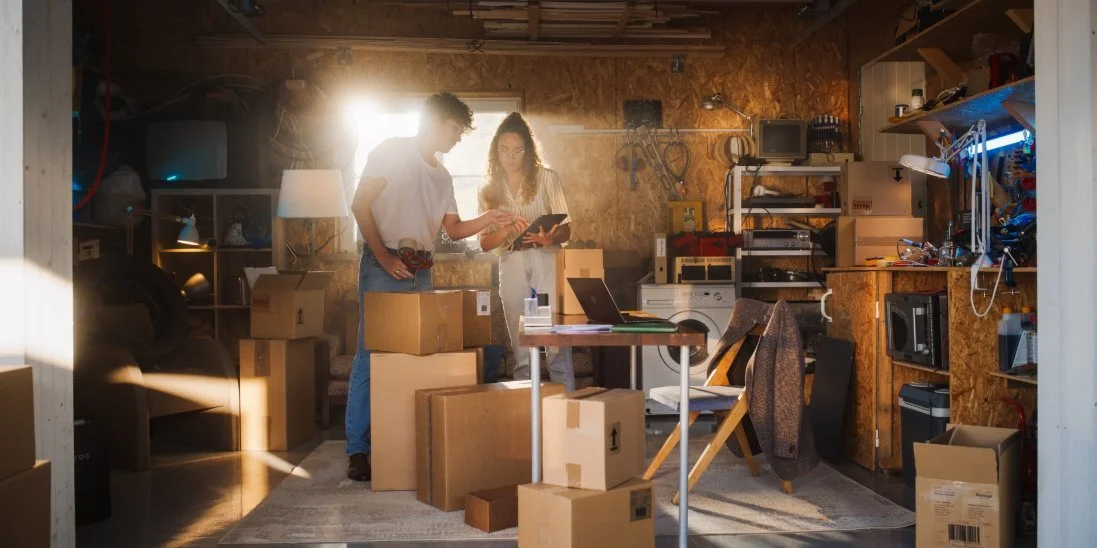
Garage organization trends homeowners are embracing in 2026 focus on smart storage, cleaner layouts, and stylish systems that maximize usable space.
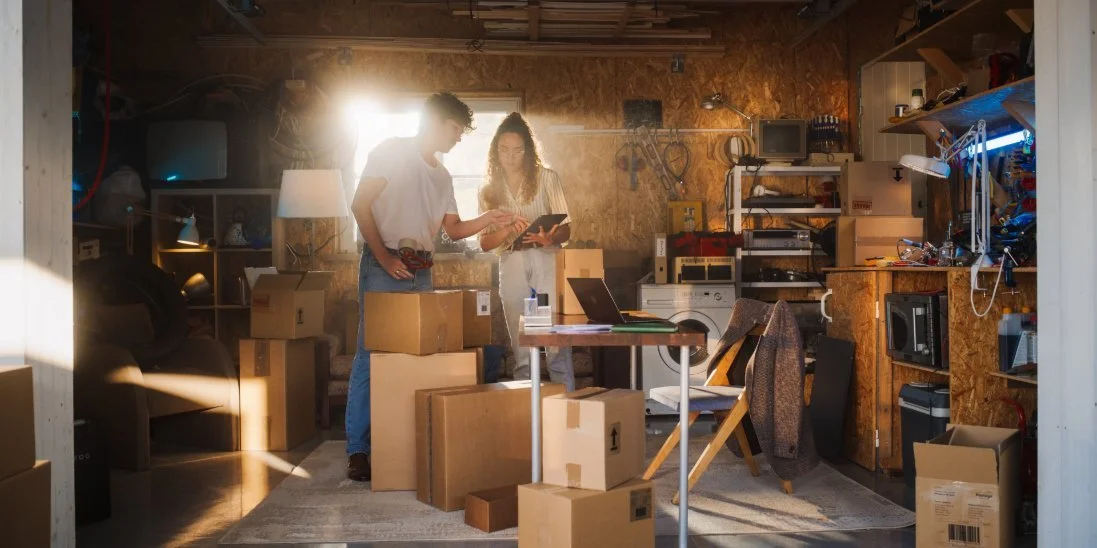
Garages are no longer treated as simple catchall spaces for tools, sports gear, seasonal décor, and forgotten boxes. More homeowners are viewing them as extensions of the home, where organization, design, and everyday function work together. Garage organization trends homeowners are embracing in 2026 reflect a growing interest in cleaner layouts and garage spaces that feel intentional rather than purely utilitarian.
More Vertical Storage
One of the biggest shifts in garage organization is the move toward vertical storage. Instead of relying on bulky cabinets or floor-stacked bins, homeowners are using wall-mounted systems to keep items visible, accessible, and off the ground. This approach helps free up floor space for parking, hobbies, fitness equipment, or workstations.
Slatwall systems, pegboards, hooks, and adjustable shelving make it easier to create storage zones for tools, yard equipment, bikes, and cleaning supplies. Homeowners interested in a more polished look are also turning to half wall slatwall designs for modern garage aesthetics because they combine organization with a finished, design-conscious appearance.
Garages With Defined Zones
Another popular trend is creating dedicated zones within the garage. Rather than mixing everything together, homeowners are separating areas for home maintenance, sports gear, automotive supplies, gardening tools, and seasonal storage. This makes the garage easier to navigate and helps prevent clutter from returning after a major cleanup.
Defined zones also support how families actually use the space. A household with children may need an easy-access area for bikes and outdoor toys, while another homeowner may prioritize a workbench or hobby station. The goal is to make the garage function like a well-planned room instead of an oversized closet.
Cleaner, More Modern Finishes
Aesthetics are becoming just as important as storage capacity. Homeowners are choosing garage upgrades that look cohesive with the rest of the home, including neutral wall colors, durable flooring, sleek cabinetry, and coordinated storage accessories. Even small design choices can make a garage feel more comfortable and organized.
Epoxy flooring, improved lighting, and streamlined wall storage all contribute to a cleaner appearance. These updates also make the space easier to maintain, which is especially important for garages used daily.
Flexible Storage for Changing Needs
Flexibility is another major part of garage organization trends homeowners are embracing. Families’ storage needs change over time, so adjustable systems are becoming more appealing than fixed solutions. Shelves that can move, hooks that can be rearranged, and modular cabinets allow homeowners to update the garage as their routines change.
This is especially useful for seasonal items, sports equipment, and growing hobby collections. A flexible system can adapt without requiring a full redesign every few years.
A More Intentional Garage
The modern garage is becoming cleaner, smarter, and more personalized. By focusing on vertical storage, defined zones, attractive finishes, and adaptable systems, homeowners can create a garage that supports everyday life while adding order to one of the busiest spaces in the home.
Sources of Indoor Air Pollution Most Homeowners Overlook
Indoor air can be affected by everyday items, habits, and hidden pollutants. See overlooked sources that may impact your home’s air quality.
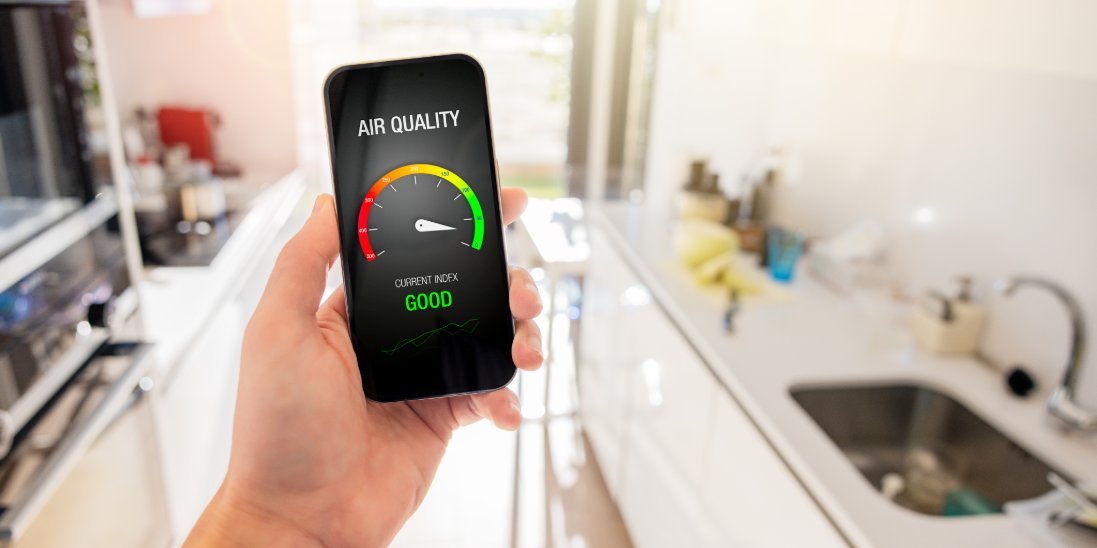
Many people think of outdoor smog, pollen, or wildfire smoke when they hear the phrase air pollution, but the air inside a home can also contain a surprising number of irritants. Because people spend so much time indoors, it is important to understand the sources of indoor air pollution most homeowners overlook and how small household habits can affect overall air quality.
Cleaning Products and Fragrances
Household cleaners are designed to make a home feel fresh, but some sprays, disinfectants, air fresheners, and scented candles can release chemicals into the air.
Strong fragrances may mask odors, but they do not always remove the particles or compounds causing them. Using products with fewer harsh chemicals, opening windows when cleaning, and avoiding unnecessary fragrance sprays can help reduce buildup indoors.
Cooking Fumes and Kitchen Particles
Cooking is another common source of indoor pollutants. Gas stoves, high-heat frying, burnt food, and even normal meal preparation can release smoke, grease particles, moisture, and odors.
Without proper ventilation, these particles can linger long after dinner is over. Running a range hood, cracking a window, and cleaning grease from surfaces can help keep the kitchen from becoming a major contributor to poor indoor air.
Dust Trapped in Soft Surfaces
Carpets, rugs, curtains, upholstered furniture, and bedding can hold dust, pollen, pet dander, and other allergens. Even when a room looks clean, movement across soft surfaces can send particles back into the air.
Regular vacuuming with a quality filter, washing bedding, and reducing clutter can make it easier to manage dust. Air purifiers can also support cleaner air when used correctly, especially when homeowners know how to get the most out of their purifier to help the unit work more effectively.
Moisture, Mold, and Poor Ventilation
Bathrooms, basements, laundry areas, and kitchens often collect excess moisture. When humidity stays too high, mold and mildew can develop behind walls, under sinks, around windows, or in poorly ventilated corners.
These hidden growths can release spores into the air and create musty odors. Fixing leaks, using exhaust fans, and keeping indoor humidity under control can help prevent moisture-related air quality problems.
Pets, Shoes, and Everyday Traffic
Pets bring comfort and companionship, but they also contribute dander, hair, outdoor particles, and odors. Shoes can track in dirt, pesticides, pollen, and other contaminants from outside.
Creating a shoe-free entry area, grooming pets regularly, and washing pet bedding can reduce the amount of debris moving through the home.
Building Materials and Furnishings
New furniture, paint, flooring, cabinetry, and certain building materials can release volatile organic compounds over time. This process, often called off-gassing, may be most noticeable when a room has a “new” smell.
Ventilating after renovations, choosing low-VOC materials, and allowing new items to air out before heavy use can help reduce exposure.
Understanding the sources of indoor air pollution most homeowners overlook makes it easier to build healthier routines. Cleaner indoor air does not usually come from one solution alone. It often requires better ventilation, consistent cleaning, moisture control, thoughtful product choices, and proper use of filtration tools throughout the home.
Easy Ways You Can Make Your Pool Deck Safer
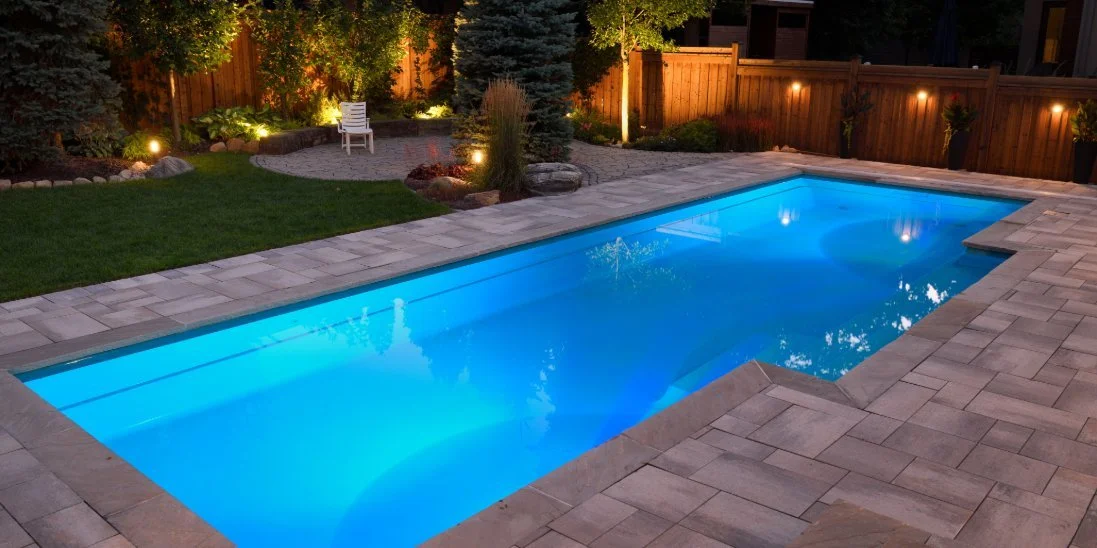
Implement these easy ways you can make your pool deck safer right now so you can avoid creating a dangerous environment for you and your family.
A pool deck should feel like a place to relax, not a spot filled with hazards. Professional concrete improvements can help create a cleaner, safer space that looks great, too. Try out these easy ways you can make your pool deck safer.
Keep Pool Toys in One Designated Area
Pool toys scattered across a deck create trip hazards in a hurry. Floats, balls, goggles, and pool noodles can end up exactly where people walk the most. A dedicated storage bench or shelving unit keeps these items out of the way.
This approach also helps the area look cleaner and more inviting. At the end of a swim session, everyone knows where items belong. Less clutter means fewer chances for accidents around wet concrete surfaces.
Create Clear Walkways Around the Pool
Inspections are important for spotting issues, especially if you know why full concrete pool deck replacement outlasts resurfacing. Besides inspecting for repair opportunities, you need to look out for items cluttering the pool deck. A crowded deck forces people to weave around furniture, decorations, and equipment. That can become risky when feet are wet. Arrange chairs, tables, and loungers so there are open paths around the entire pool perimeter.
Think about how people naturally move through the space. Guests should have a direct route from seating areas to the pool and back again. Open walkways reduce congestion and help everyone move comfortably.
Group Furniture Into Purpose Zones
Organization becomes easier when each section of the deck serves a specific purpose. Place lounge chairs together in one area and dining furniture in another. Keep grilling equipment separate from pool entry points. This layout prevents unnecessary traffic in busy locations. It also creates a more comfortable environment for guests. A deck with defined zones feels orderly and easier to navigate.
Store Pool Chemicals Away From Activity Areas
Another easy way to make your pool deck safer is to be more mindful of pool chemical placement. Pool chemicals should never sit out near seating areas or walkways. Even sealed containers can become obstacles if they occupy high-traffic spaces. A dedicated storage cabinet or shed provides a better solution.
This arrangement keeps supplies protected from weather and out of reach of children. It also frees up deck space for safer movement. Everything will have a designated location, which helps eliminate clutter.
Keep Hoses and Cords Organized
Pool vacuums, extension cords, and hoses can stretch across a deck before anyone notices. These items create some of the most common tripping hazards around pools. Reel systems, hooks, and storage racks help keep them contained.
When cleanup is complete, return equipment to its designated spot. A few extra minutes of organization can prevent injuries later. The deck also looks much neater as a result.
Many pool deck hazards come from clutter, poor layout choices, and items left where they don't belong. Small adjustments can improve how the entire space functions day after day. Use the tips above to make your home safer right now.

How to Organize a Home Music Practice Space Without Letting Accessories Take Over
A home music space can quickly fill with small items. Cables, sheet music, picks, and cases tend to spread across every surface. What starts as a simple setup can turn into a crowded area that makes practice harder. A clear system helps keep everything in place while still allowing easy access.

A home music space can quickly fill with small items. Cables, sheet music, picks, and cases tend to spread across every surface. What starts as a simple setup can turn into a crowded area that makes practice harder. A clear system helps keep everything in place while still allowing easy access.
Define a Clear Practice Zone
Start by choosing a dedicated area for music. This can be a corner of a room or a small section of a shared space. Keeping instruments and accessories in one place prevents them from spreading throughout the home.
The practice zone should have enough room for movement and storage. A defined space also makes it easier to maintain order over time.
A chair, stand, and instrument should fit comfortably without feeling cramped. This setup helps create a consistent routine and keeps distractions low.
Limit What Stays Out
Only keep essential items within reach during practice. This may include your instrument, a music stand, and current sheet music. Extra accessories should be stored away when not in use.
Leaving too many items out can make the space feel cluttered. It can also slow down practice, as time is spent searching for what you need. Rotating materials can help. Store older sheet music and bring out only what you are actively using. Keeping the area simple should be the goal.
Use Vertical Storage
Wall space is often underused in home setups. Hooks, shelves, and wall-mounted racks can hold instruments and accessories without taking up floor space. This keeps items visible and easy to access.
Using vertical storage also helps keep the space cleaner. Vacuuming and wiping down furniture become easier when there isn't clutter in the way.
Organize Small Accessories
Small items are often the hardest to manage. Picks, tuners, and cleaning tools can easily get lost. Using small containers or drawer organizers keeps these items grouped together.
Take the time to label containers to save time and reduce frustration. For example, store and label your platinum ligaturein one bin while keeping your reeds and reed cases in another. Knowing where each item belongs will make it easier for you to maintain and continue the system.
Manage Cables and Equipment
Cables can quickly make a room look and feel chaotic if left unmanaged. Using cable ties or clips helps keep them neat and easy to handle. Additionally, storing extra cables in a small container prevents them from tangling or becoming damaged.
Wired equipment, such as amps or speakers, should have a designated place with their cables neatly coiled. Keeping these items close to the practice area not only helps reduce set-up time but also protects them from misuse or damage.
Create a Simple Storage Routine
Organization works best when it becomes part of a routine. After each practice session, take a few minutes to return items to their place. Make a point to have weekly thorough checks for items that are not used daily. This keeps the system working without requiring large cleanups.
Keep the Space Flexible
Music needs can change over time. New instruments or accessories may be added, old ones may be given away or tossed out. Knowing this, avoid filling every storage space up. Leave room for future items to help maintain balance and peace of mind. This approach keeps the area functional and flexible for when needs evolve.
A well-organized music space does more than look neat. It supports focus, saves time, and protects equipment from being lost or damaged. Practice becomes smoother and more enjoyable. By maintaining this system along with some consistent habits, it's possible to keep the space functional without letting it fill up with clutter.
SOURCES
https://www.homesandgardens.com/solved/organize-a-music-room
https://fredberryconstruction.com/blog/music-room-design-guide/

