

A resource for those seeking information on organizing and transforming spaces.

Garage Organization Tips That Help Keep Pests Away
A clean, organized garage can make a big difference in pest control. By reducing clutter, sealing entry points, and storing items properly, homeowners can make the garage less attractive to insects, rodents, and other unwanted pests.
We partnered with a home improvement company for this post. The opinions in the post are honest. All reviews and opinions expressed in this post are based on our personal views. We are excited because we know you will love it.

A clean, organized garage can make a big difference in pest control. By reducing clutter, sealing entry points, and storing items properly, homeowners can make the garage less attractive to insects, rodents, and other unwanted pests.
Why Pests Enter And How To Keep Pests Out Of Garage
Garages often attract pests because they offer the exact conditions many insects and rodents need: shelter, warmth, darkness, moisture, and easy access to food or nesting materials. They function as a transition zone between the outdoors and the home, are frequently opened to the outdoors, sealed less tightly than living spaces, and filled with items that create shade, warmth, scent, and shelter.
The biggest attractants are usually a combination of access and opportunity. A worn garage door pest seal, a small corner gap, an opening around a pipe, a crack near the foundation, or gaps around utility lines, vents, and wall penetrations can give pests a way inside. Once there, cardboard boxes, bags of seed, pet food, birdseed, grass seed, firewood, holiday decorations, old fabric, rarely moved storage bins, and cluttered corners can provide places to hide, feed, or nest.
Moisture also plays a major role. Damp concrete, condensation, wet mops, leaky water heaters, poor drainage near the garage, and damp bags of soil can make the space more appealing to ants, cockroaches, silverfish, spiders, crickets, rodents, and other pests. If cockroaches are already appearing in the garage or nearby rooms, storage changes and sealing may help reduce attractants, but the activity may also need to be inspected by a roach exterminator, especially if sightings continue after the garage is cleaned and dried. Once pests find a protected spot with limited disturbance, they may settle in quickly and spread to other parts of the home.
A pest-resistant garage is not only sealed; it is dry, organized, and easy to inspect. That is why homeowners who want to keep pests out of garage areas should treat storage, sealing, cleaning, and moisture control as part of the same prevention plan. When these steps work together, it becomes easier to keep pests out of garage spaces before they turn into a larger problem.
Garage Organization For Better Garage Pest-Proofing
Better organization helps remove the hiding places and food sources that make a garage attractive to pests. The best garage organization strategy for pest prevention is to make the space visible, accessible, and easy to disturb. Pests prefer areas that stay dark, crowded, and untouched.
Start by getting items off the floor and onto shelves, racks, hooks, ceiling racks, or wall-mounted storage systems. This makes it easier to see signs of pest activity and supports garage pest-proofing by reducing the dark, undisturbed spaces where insects and rodents like to nest. When everything is stacked tightly against walls or piled on the floor, homeowners lose the ability to spot droppings, chew marks, insect activity, webbing, nesting material, or small entry points.
Use clear, lidded plastic bins instead of cardboard boxes whenever possible. Label containers so they do not need to be opened repeatedly, and keep similar items grouped together. Seasonal items, tools, sports gear, gardening supplies, and automotive products should each have a defined storage area.
Leave a small inspection gap between stored items and the walls, especially along the floor-wall joint, so you can check along baseboards, corners, and foundation edges. Avoid stacking belongings directly against the garage door or around utility areas, water heater, electrical panel, vents, or the door leading into the home, since those are common pest entry points.
A well-organized garage does not have to look empty. It simply needs to be arranged so that corners, baseboards, door seals, and storage containers can be checked without moving dozens of items. That visibility makes it harder for pests to settle in unnoticed and improves long-term garage pest control.
What Not To Store For Better Garage Pest Control
Homeowners should avoid storing anything in the garage that can feed pests, absorb odors, provide nesting material, hold moisture, or become damaged by temperature and moisture changes. The riskiest garage storage items are not limited to obvious food products. This includes open food, pantry overflow, pet food in bags, birdseed, grass seed, cardboard boxes, paper files, old clothing, rugs, towels, upholstered furniture, patio cushions, moving blankets, fabric, and cushions.
Cardboard is especially pest-friendly because it holds odors, absorbs moisture, and can be chewed or shredded for nesting material. Fabric, cushions, clothing, and upholstered furniture can also create warm, hidden spaces for rodents, spiders, and insects. Used furniture, mattresses, rugs, and fabric items should be inspected carefully before being stored in the garage, especially if they came from a secondhand source or another home. If bed bugs are suspected, these items should not be moved into storage until they have been inspected, isolated, or handled through proper bed bug treatment. If these items must be stored in the garage, they should be cleaned, fully dried, and sealed in durable plastic containers.
Firewood should not be stored inside the garage for long periods because it can bring in ants, termites, beetles, spiders, and other pests. If firewood must be kept nearby, store it outside, elevated off the ground, and away from the home’s exterior walls.
Items with strong organic smells, such as potting soil, fertilizer, compost products, animal feed, bone meal, blood meal, and certain fertilizers, should also be handled carefully. Even when they are not "food" for every pest, their odors or organic ingredients can draw insects, rodents, wildlife, or other pests into the garage.
Safe Storage Tips: How To Keep Pests Out Of Garage
Any food-related or seed-based product stored in the garage should be sealed in a durable, pest-resistant container. Pet food, birdseed, livestock feed, grass seed, pantry overflow, and garden products should be stored as if they were pantry items. The original bag is usually designed for shipping and display, not long-term pest protection. Once opened, these products should be transferred to sealed, chew-resistant containers because rodents can chew through paper or plastic bags easily, and insects can get into tiny openings.
Use heavy-duty plastic, metal, or glass containers with tight-fitting lids. Metal containers are especially useful for birdseed and pet food because they are harder for rodents to chew through. Heavy-duty plastic bins can work well for lower-risk items if the lids close securely and the containers are checked regularly for cracks, chew marks, or loose seals.
Spills matter as much as storage. A few pieces of kibble, a scattering of birdseed, or a thin layer of grass seed under a shelf can keep pests interested in the garage. Keep containers off the floor when possible, wipe containers before putting them away, and sweep up spilled kibble, seed, grain, or residue immediately.
Garden products such as fertilizer, bone meal, blood meal, compost-based amendments, and certain soil amendments can attract pests because of their scent or organic content. Store these products in sealed bins or cabinets, away from pet food and household storage. Always keep labels intact so products are not mistaken for one another, and check containers regularly for chew marks, moisture, or insects. These habits help keep pests out of garage storage areas without requiring major changes to how the space is used.
Decluttering Tips For Garage Pest-Proofing
Clutter reduction is one of the most effective garage pest-proofing steps because pests rely on hidden, undisturbed areas. When a garage is crowded with boxes, bags, tools, loose items, or one untouched stack of belongings, pests can move, nest, and reproduce without being noticed.
Clearing clutter makes pest activity easier to spot. Droppings, gnaw marks, shredded nesting material, insect trails, dead insects, egg cases, cobweb buildup, seed fragments, and damaged packaging are much more visible in an organized space. It also makes cleaning more effective because dust, crumbs, spilled seed, and debris are not trapped beneath piles of belongings.
A practical approach is to remove anything that is broken, expired, damp, or no longer used, then divide the remaining garage items into keep, donate, discard, and relocate. Anything kept should be stored in sealed containers, on shelving, or on wall-mounted storage. Items that sit directly on the floor should be limited, because floor storage creates shadows, traps debris, and makes it harder to clean the places pests use most.
The goal is not an empty garage; it is a garage with fewer hiding places, fewer food sources, open floor space, clear wall edges, and clear access to corners, walls, and entry points. This lets homeowners catch pest problems early, before they spread into the home.
Using A Garage Door Pest Seal
A garage door pest seal or garage door pest guard helps protect one of the most common pest entry points in the garage: the gap beneath or around the garage door. Rodents, ants, cockroaches, spiders, mice, crickets, and other pests can use surprisingly small openings, especially at the bottom corners where the door, frame, and concrete meet.
The bottom seal helps create a tighter barrier where the garage door meets the floor. Side and top seals help close gaps around the frame. Pest guards can add extra protection at vulnerable corners, where rodents and insects often find small openings or where flexible seals wear down, pull away, or leave small openings. These products also help reduce drafts, dust, leaves, and moisture entering the garage.
For best results, the garage door pest seal should be flexible, intact, properly fitted, and regularly checked. A worn, cracked, loose, or flattened seal should be replaced. Homeowners should also check whether the garage floor is uneven, the door is misaligned, or the seal has flattened with age, because pests may still find a path in if the door does not sit flush. Homeowners should look for daylight under the door, cracked rubber, loose weatherstripping, chew marks, or triangular gaps at the corners.
Adding A Garage Door Pest Guard
During garage pest-proofing, homeowners should inspect the entire perimeter of the garage, starting with a simple light check. Stand inside the garage during daylight and look for places where light comes through. If light can enter under the garage door, around the corners, near a service door, or around a wall penetration, pests may be able to enter too.
The garage door deserves the closest attention. Check the bottom seal, side seals, top seal, corners, door tracks, and the point where the door meets the concrete floor. A garage door pest guard can be especially helpful at the lower corners, where small gaps often remain even when the main seal looks intact. If the corners continue to show light or small openings, a garage door pest guard may add another layer of protection. Look for daylight showing through, torn weatherstripping, chew marks, or gaps large enough for insects or rodents.
Other key areas include cracks in the foundation, the foundation edge, floor-wall joint, cracks in the slab, gaps along baseboards, spaces around utility lines, plumbing penetrations, electrical conduits, vents, windows, service doors, exterior doors, and the connection points between the garage and the main house. Pay close attention to corners, because they often separate slightly over time.
The door between the garage and the home should also be included in pest-proofing. A tight door sweep, intact weatherstripping, and a properly closing door can help keep pests from moving from the garage into living areas. Attached garages are especially important because even a small pest issue in the garage can become an indoor problem if that interior door is poorly sealed. Any opening that allows air, light, water, or debris through can also allow pests through.
Cleaning Tips For Long-Term Garage Pest Control
Regular cleaning and maintenance help keep the garage from becoming a long-term pest habitat. Sweeping and vacuuming remove seed fragments, crumbs, dead insects, spider webs, nesting material, dust, leaves, and debris that can hide early pest activity. Vacuuming corners, shelving, and storage areas also helps remove insect eggs and fine debris that pests use for shelter.
Homeowners should clean up spills immediately, especially pet food, birdseed, grass seed, fertilizer, and potting soil. Trash and recycling should be kept in closed containers and removed regularly, especially if food packaging is stored there. Moisture should also be addressed quickly, since damp areas can attract cockroaches, silverfish, ants, termites, and other pests. Homeowners should also remove standing water from buckets, bins, plant saucers, tarps, clogged gutters, or low spots near the garage, since these areas can contribute to mosquito activity. Keeping the garage and nearby exterior areas dry is an important part of long-term mosquito control.
Maintenance is just as important as cleaning. Homeowners should replace worn garage door seals, repair damaged weatherstripping, seal small cracks, fix moisture problems, remove unnecessary clutter, and remove items that have become damp or contaminated. These routine steps make garage pest control more effective over time and reduce the chance that pests will return.
A monthly garage inspection can prevent many pest problems from becoming serious. Check seals, corners, storage containers, wall edges, under shelves, behind bins, around the garage door, near utility areas, and the floor beneath shelves. Look for droppings, gnaw marks, torn packaging, web buildup, insect trails, unusual odors, moisture, or new gaps. The goal is to catch small changes before pests become established.
When To Call For Garage Pest Control
Homeowners should consider professional garage pest control when there is a pattern of activity rather than a one-time sighting. Repeated droppings, gnaw marks, scratching sounds, chewed packaging, nesting material, unusual odors, recurring ants, cockroach sightings, wasp activity, damaged storage, or pests appearing in rooms next to the garage are signs that DIY steps may not be enough.
Professional help is especially important for rodents, cockroaches, termites, carpenter ants, wasps, and recurring infestations. These pests can be difficult to control without identifying the species, locating the source, finding hidden entry points, and choosing the right treatment and exclusion plan.
DIY pest-proofing is useful for prevention, but an established pest problem often needs a more complete approach. A professional can inspect the garage, identify why pests are entering, find nesting or harborage areas, treat active activity, and recommend long-term changes to storage, sealing, sanitation, and moisture control. The best results usually come from combining professional treatment with better garage habits at home.
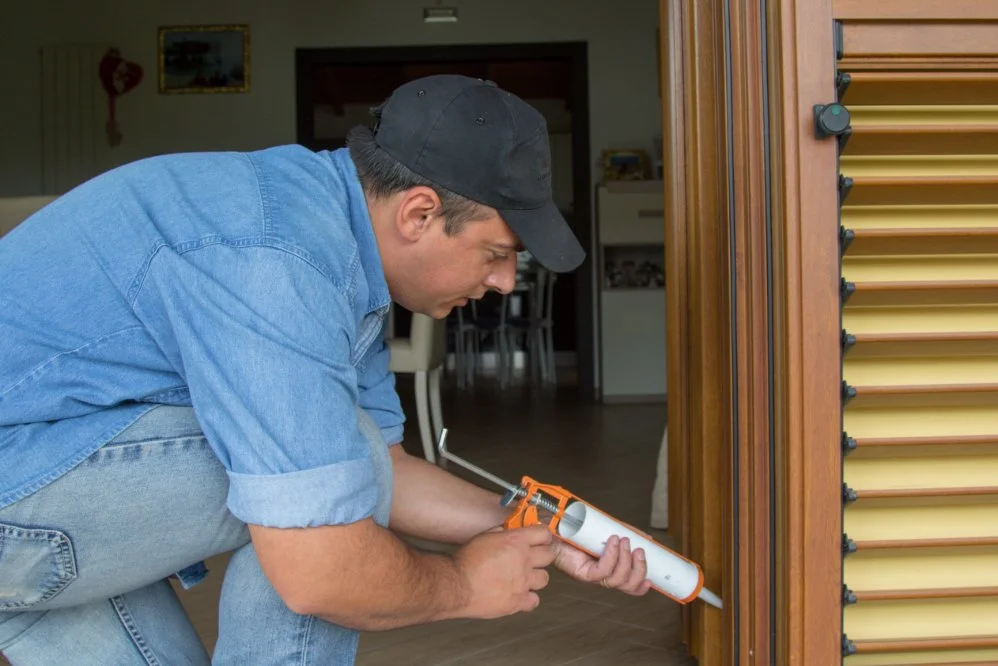
Tips for Maintaining the More Out‑of‑the‑Way Areas of Your Home
Every home has areas that rarely get attention, such as the spaces that sit behind your large appliances, that are above eye level, require you to climb into unconventional areas, or that are tucked into corners you only notice when something goes wrong. These out‑of‑the‑way places often collect dust, moisture, pests, and debris long before homeowners realize there’s an issue. While routine cleaning keeps visible surfaces looking good, deep cleaning and ongoing maintenance of hidden areas also play a major role in protecting your home.
Every home has areas that rarely get attention, such as the spaces that sit behind your large appliances, that are above eye level, require you to climb into unconventional areas, or that are tucked into corners you only notice when something goes wrong. These out‑of‑the‑way places often collect dust, moisture, pests, and debris long before homeowners realize there’s an issue. While routine cleaning keeps visible surfaces looking good, deep cleaning and ongoing maintenance of hidden areas also play a major role in protecting your home.
Water Heater and Mechanical Area Maintenance
Mechanical areas such as water heater closets, furnace rooms, and utility spaces are often overlooked because they’re not part of everyday living spaces. However, these areas accumulate dust, lint, and moisture quickly, especially in tight or poorly ventilated corners. Regular cleaning around mechanical equipment helps prevent corrosion, improves airflow, and reduces fire hazards.
Deep cleaning this area includes removing debris from the floor, wiping down accessible surfaces, and ensuring the space remains dry. Moisture around a water heater can indicate a slow leak or condensation issue, both of which can lead to mold or structural damage if ignored. Ongoing maintenance involves checking for rust, inspecting connections, and keeping the area free from stored items that restrict ventilation. A clean, well‑maintained mechanical area helps your equipment operate safely and efficiently.
Narrow Gaps, Tracks, and Channels
Some of the most stubborn buildup occurs in narrow spaces that are easy to forget but hard to clean. Window tracks and door rails collect dirt, pollen, and moisture that can affect smooth operation and contribute to mold growth. These areas often require a deep clean using narrow brushes, cotton swabs, or vacuum attachments designed for tight spaces.
Baseboards and trim edges also accumulate dust quickly, especially in corners or behind furniture. Regular dusting helps, but deep cleaning with a damp cloth or gentle cleaner removes the grime that settles over time. Cabinet gaps and between‑appliance spaces are notorious for trapping crumbs, pet hair, and debris. These areas benefit from periodic deep cleaning using crevice tools or flexible dusters. Maintaining these small but important features helps preserve the appearance and function of your home’s interior.
Crawl Space Cleaning and Moisture Control
The crawl space is one of the most out‑of‑the‑way areas in any home, and it often goes years without attention. Because it is dark, enclosed, and difficult to access, it becomes a collection point for debris, pests, and moisture. Deep cleaning involves removing old insulation, organic material, and contaminants that affect air quality and structural health.
Once cleaned, crawl space waterproofing becomes essential for long‑term maintenance. Vapor barriers, drainage systems, and sealing techniques help prevent moisture from entering the space. Moisture in the crawl space can lead to mold, wood rot, and humidity migration into the living areas above. Waterproofing, something that can be done with the help of professionals like Josh Lowe's Dr. Energy Saver, protects the home’s foundation, improves indoor air quality, and reduces energy loss.
Ongoing crawl space maintenance includes monitoring humidity levels, checking for leaks, and ensuring the waterproofing system remains intact. A well‑maintained crawl space supports a healthier, more efficient home.
Attics and Insulation Surfaces
Attics are another area that homeowners rarely see, but that requires periodic deep cleaning and maintenance. Dust, insulation fibers, general debris from what you store, the age of your attic, and pest debris accumulate in attic corners and along insulation surfaces. Over time, this buildup can affect indoor air quality and reduce insulation performance.
Deep cleaning includes removing debris, vacuuming accessible surfaces, and checking for signs of pests or moisture. Maintaining the attic involves inspecting insulation for settling or damage, ensuring ventilation pathways remain open, and monitoring for roof leaks or condensation. Proper care of attic corners and insulation surfaces helps protect the home’s energy efficiency and structural integrity. A clean, well‑maintained attic also reduces the risk of mold growth and improves the overall comfort of your home.
Dryer Vent Cleaning and Maintenance
Dryer vents are one of the most important yet overlooked areas that require a deep cleaning. Lint accumulates not only in the lint trap but also in the vent line. This buildup restricts airflow, reduces dryer efficiency, and significantly increases fire risk.
A thorough dryer vent cleaning involves clearing the entire vent pathway, including elbows, long runs, and the exterior exit point. Regular dryer vent maintenance ensures safe operation and prevents lint from accumulating again. Homeowners should watch for warning signs such as longer drying times, excessive heat, or a burning smell. In many cases, especially when the vent line is long or difficult to access, professional cleaning is necessary to ensure the system is fully cleared.
Deep cleaning and maintaining the out‑of‑the‑way areas of your home is essential for long‑term comfort, safety, and efficiency. These hidden spaces influence everything from air quality to energy use, yet they are often the first to be forgotten. By understanding the importance of deep cleaning hidden areas and committing to regular maintenance, homeowners can prevent costly repairs, extend the life of their home’s systems, and create a healthier living environment. Proactive care ensures that even the most overlooked corners of the home remain clean, functional, and protected.
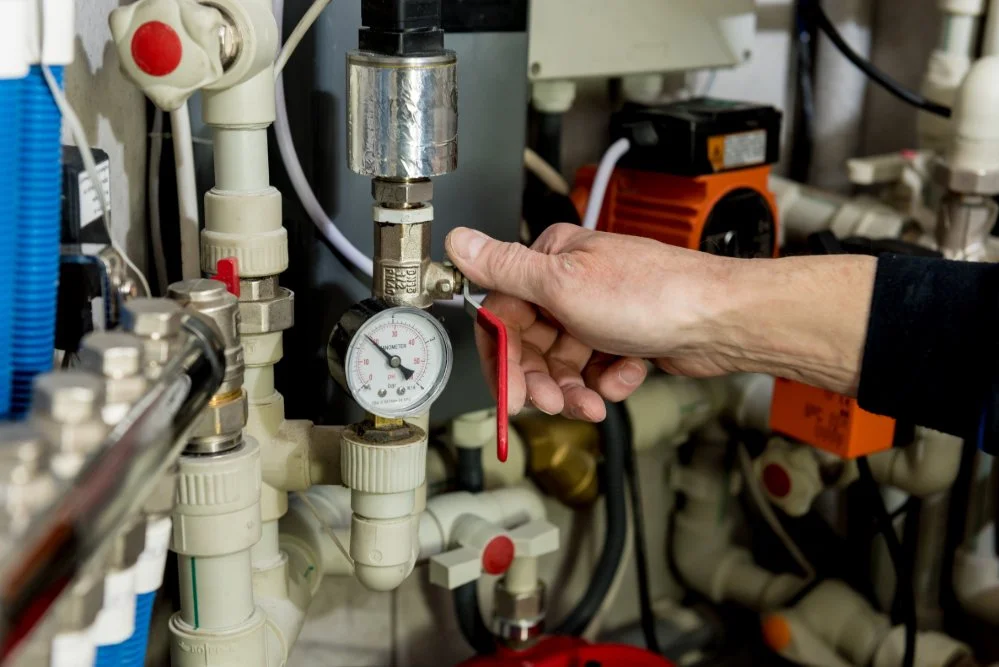
What to Expect With a Professional Heating Installation
A professional heating installation goes a long way towards keeping your home warm and comfortable. When done correctly, it ensures reliable performance, lower utility costs, and a system that lasts for years. That’s why it’s important that homeowners have an idea of what they’re getting into when they start looking to have a heater or furnace either replaced or newly installed in their home. Below is a walkthrough of what to expect when getting a heating element installed from start to finish.
A professional heating installation goes a long way towards keeping your home warm and comfortable. When done correctly, it ensures reliable performance, lower utility costs, and a system that lasts for years. That’s why it’s important that homeowners have an idea of what they’re getting into when they start looking to have a heater or furnace either replaced or newly installed in their home. Below is a walkthrough of what to expect when getting a heating element installed from start to finish.
The Importance of Professional Installation
A good professional heating installation involves far more than placing a new furnace or heat pump in your home. Licensed HVAC technicians, such as those from BJ Heating & Cooling, follow strict safety standards and protocols to ensure your system operates correctly. Proper installation directly affects everything from system performance to energy efficiency, as well as your equipment’s lifespan. Homeowners who choose professional service benefit from more accurate sizing and safe connections, as well as the long‑term reliability that DIY or low‑cost shortcuts simply can’t match.
Initial Consultation and Home Assessment
The heating installation process begins with an in‑home consultation. During this visit, the technician performs a detailed evaluation to figure out your home’s heating needs. They assess things like square footage, insulation levels, window quality, ductwork condition, and the performance of any existing equipment. This information is essential for determining the correct system size.
A key part of this assessment is the load calculation. Using industry‑standard methods such as Manual J, the technician calculates the precise heating capacity your home requires. Oversized systems waste energy and cycle on and off too frequently, while undersized systems struggle to keep up on cold days. Accurate sizing ensures consistent comfort and efficient operation.
Based on the evaluation, the technician provides system recommendations tailored to your home and budget. They explain the differences between models, efficiency ratings, and features so you can make an informed decision. They can also provide transparent pricing, outlining what is included in the installation and avoiding vague or incomplete estimates.
Preparing the Home for Installation
Before the new system is installed, the team prepares the workspace to ensure safety and efficiency. If you have an older furnace or heat pump, the technicians handle the removal of the old system. They disconnect electrical wiring, gas lines, and ductwork, then remove the equipment safely and dispose of it according to environmental guidelines.
Next, the team inspects your ductwork. A ductwork inspection identifies any issues that could reduce the performance of your new system. Addressing these problems before installation ensures proper airflow and efficiency.
Professional installers also manage all code compliance requirements. They obtain necessary permits, schedule inspections, and ensure every part of the installation meets local building and safety standards.
The Installation Process
Once preparation is complete, the installation begins. The new equipment is positioned carefully to ensure proper clearance, ventilation, and accessibility for future maintenance. This equipment placement step is essential for safe operation and long‑term performance.
Technicians then complete the electrical and gas connections. These connections must be handled by licensed professionals to ensure safety and compliance with local codes. Proper wiring and gas line installation prevent hazards and ensure the system operates as designed.
Ventilation is another critical component. The team installs or adjusts the venting and flue system to ensure safe removal of combustion gases. Incorrect venting can lead to carbon monoxide risks, so this step is handled with precision.
If needed, the technicians make duct adjustments to improve airflow. This may include sealing leaks, resizing ducts, or modifying connections to support the new equipment.
The installation also includes thermostat setup. Whether you choose a standard programmable thermostat or a smart model, the technician ensures it is wired correctly and calibrated for accurate temperature control.
Before the installation is considered complete, the team performs a series of quality checks. These include verifying electrical connections, checking gas pressure, confirming proper airflow, and ensuring the system meets manufacturer specifications.
System Testing and Performance Verification
After installation, the technician conducts startup testing to ensure the system ignites safely and operates smoothly. They check fuel delivery, ignition timing, and temperature rise to confirm everything is functioning correctly.
Next, they perform airflow balancing. This involves adjusting registers and dampers to ensure even heating throughout the home. Proper balancing prevents hot and cold spots and improves overall comfort.
The technician also verifies the system’s efficiency. Through efficiency testing, they confirm the equipment is performing at its rated AFUE or heat pump efficiency level. Noise and vibration checks ensure the system runs quietly and without unnecessary strain.
Homeowner Walkthrough and Education
Once testing is complete, the technician provides a detailed system overview. They explain how the equipment works, what each component does, and how to operate it safely.
You also receive thermostat training. This includes programming schedules, adjusting settings, and using smart features to maximize comfort and efficiency.
The technician outlines maintenance expectations such as filter changes, annual tune‑ups, and signs that may indicate a problem. Proper maintenance protects your investment and ensures long‑term reliability.
Finally, they review warranty information and provide all necessary documentation, including manuals, inspection reports, and maintenance logs.
Safety, Compliance, and Long‑Term Reliability
Professional installation ensures full code adherence and reduces safety risks. Proper venting, sealed combustion, and correct gas connections protect your home from carbon monoxide and other hazards. These combustion safety measures are essential for any heating system.
Correct installation also improves system longevity. When equipment is installed according to the manufacturer specifications, it experiences less strain and fewer breakdowns. This leads to lower repair costs and a longer service life.
Energy efficiency is another major benefit. A properly installed system delivers optimal efficiency, reducing utility bills and improving comfort.
After‑Installation Support
Reputable HVAC companies provide ongoing support after installation. This may include follow‑up visits to verify performance or make adjustments. Many homeowners choose to enroll in maintenance plans to ensure regular tune‑ups and priority service. If issues arise, professional companies offer emergency support and responsive customer service to keep your home comfortable year‑round.
A professional heating installation provides long‑term comfort and efficiency for you and your family. With expert sizing, careful preparation, precise installation, and thorough testing, homeowners gain peace of mind knowing their system is built to perform. Choosing trained, certified technicians ensures your investment delivers reliable warmth and energy savings for years to come.

The Digital Tools Powering Modern Field Services
In today’s fast-paced market, field service teams face rising customer demands and tighter margins. Manual processes and paper forms no longer support the speed and accuracy needed to stay competitive. By integrating robust CRM softwarewith digital field service solutions, companies can bridge the gap by transforming scheduling, communication, and customer data management into seamless workflows.

In today’s fast-paced market, field service teams face rising customer demands and tighter margins. Manual processes and paper forms no longer support the speed and accuracy needed to stay competitive. By integrating robust CRM software with digital field service solutions, companies can bridge the gap by transforming scheduling, communication, and customer data management into seamless workflows.
In this article, you’ll learn how to leverage field service solutions to:
• Automate scheduling and dispatch to reduce drive time and boost first-time fix rates
• Empower customers with self-service portals and proactive alerts
• Track inventory and assets in real time, avoiding return trips
• Equip technicians with mobile apps for offline access and instant reporting
• Streamline billing and accelerate cash flow with automated invoicing
• Leverage analytics to monitor key performance metrics and drive continuous improvement
• Adopt specialized solutions for landscaping and pest control
• Prepare for emerging technologies such as AR, AI, and IoT
Next, we explore digital transformation in field service, evaluate key field service solutions, and review the core technologies driving this shift.
Understanding Digital Transformation in Field Service
Digital transformation in field service means replacing manual and paper-based workflows with integrated field service solutions or field service management software. This shift automates tasks such as scheduling, dispatching, and real-time tracking. It also enables streamlined customer communications through automated reminders and portals.
What Is Digital Transformation?
Digital transformation uses technology to connect back-office systems, mobile workforce tools, and customer data. Integrations between field service management (FSM) solutions, CRM systems, and ERP systems maintain consistent information and minimize data errors.
Key Benefits
Efficiency Gains
Automated scheduling and real-time monitoring can improve technician utilization by up to 50% and cut service delays by 30%.
Competitive Advantage
Data analytics and AI help optimize routes and resource allocation, lowering operational costs and boosting profitability.
Scalability
Scalable field service solutions enable businesses to add technicians, expand service areas, and incorporate new features without disrupting their workflows.
Customer Satisfaction
Self-service portals and live status updates build trust and improve transparency. Automated appointment reminders reduce no-shows and keep schedules on track.
Core Digital Tools Powering Field Service Operations
Modern field service providers rely on a suite of field service solutions and digital tools to streamline operations, boost productivity, and improve customer satisfaction.
Customer Self-Service Portals
• Schedule or reschedule appointments online
• View service history and invoices
• Track technician arrival windows
A well-designed portal reduces inbound calls and empowers customers to get instant updates. Integration with backend systems ensures that information stays accurate across all channels.
Intelligent Scheduling & Dispatch
• Route optimization based on traffic and skills
• Automated assignment rules tied to certifications or regions
• Real-time updates when jobs change
These features drive higher first-time fix rates and minimize drive time. Dispatchers gain visibility into technician status through intuitive dashboards.
Real-Time Inventory Management
• Automatic stock level alerts
• Integrated parts catalog with mobile lookup
• Synchronization between warehouse and vehicle inventory
By tracking parts in real time, companies reduce overstock and ensure technicians arrive prepared.
Mobile Workforce Empowerment
• Access job details, customer history, and manuals offline
• In-app time tracking and digital signature capture
• Photo and video uploads for issue verification
Mobile tools knit together office and field teams. Technicians stay informed and can report status instantly.
Automated Billing & Invoicing
• Auto-generation of invoices upon job completion
• Digital payment links embedded in notifications
• Integration with accounting or ERP systems
This streamlines revenue recognition and cuts error-prone data entry.
Customer Communication Tools
• SMS and email alerts for appointment reminders
• Two-way messaging to confirm details
• In-app chat or chatbot support
Consistent, timely updates keep customers informed and free up staff time.
Performance Analytics
• Technician utilization and first-time fix rates
• Average job durations and travel times
• Customer satisfaction scores and feedback trends
By monitoring key performance indicators, managers can identify training needs, refine processes, and optimize resource allocation.
Integrating Specialized Software for Landscaping and Pest Control
Specialized field service solutions and business software for landscaping and pest control address needs in plant design, chemical management, and regulatory compliance. By combining design, scheduling, and mobile dispatch, these tools improve accuracy, client communication, and ROI. Additionally, modern landscape software enables teams to generate digital designs, overlay GIS data, and collaborate with clients in real time.
Key Features of Landscaping Software
• Plant Database & Site Design
– Access plant libraries with filters for growth habits, water use, and climate
– Integrate GIS data to overlay designs on real-world topography and soil maps
– Import hand sketches via digital tools to refine conceptual layouts
• Visual Rendering & Analysis
– Generate photorealistic previews with Twinmotion, Lumion, or D5 Render
– Use AutoTURN integration to test vehicle paths for safe, code-compliant plans
– Leverage motion-sensor measurements for exact site dimensions, ensuring safety standards for both equipment and clothing used in the field
Key Features of Pest Control Software
• Automated appointment scheduling with customer reminders
• Chemical inventory tracking and batch labeling for safety and compliance
• Treatment plan templates and history logs for each client
• Route optimization to maximize technician time and fuel efficiency
• Offline mobile access to service records and payment processing
Comparing with General Field Service Solutions
Specialized software delivers industry-specific modules beyond core FSM features. Landscaping tools blend CAD design and plant data, while pest control platforms focus on chemical workflows and regulatory reporting. This focus can cut revisions, speed job costing, and raise first-time fix rates compared to general field service solutions.
Choosing the Right Field Service Provider
• Modular architecture lets teams pick needed features like CRM, scheduling, or reporting
• Mobile app support with offline access ensures uninterrupted work
• Scalability to add users and modules without disrupting operations
• Responsive vendor support and training streamlines onboarding and reduces downtime
• Integration APIs link to existing ERP or accounting systems for data consistency
By selecting a specialized platform, landscaping and pest control businesses can tackle sector challenges, streamline workflows, and boost profitability.
Emerging Technologies Shaping the Future of Field Service
New technologies extend core FSM capabilities to drive faster resolutions and greener operations. From live remote guidance to predictive diagnostics, these tools help teams adapt and innovate. By integrating energy-efficient asset management and low-emission routing, field service providers play a critical role in the maintenance and optimization of sustainable homes for environmentally conscious clients
AR/VR Remote Assistance
Augmented reality overlays diagrams and step-by-step instructions in a technician’s view. Remote experts guide on-site staff via AR annotations, cutting travel for specialists. Virtual reality simulations train teams for complex repairs before dispatch. Integration with field service platforms ensures documentation sync.
AI-Driven Image Recognition
Machine learning analyzes photos to spot equipment faults, turf diseases, or pest infestations. Fast on-device inference speeds diagnoses and suggests fixes. Mobile app integration streamlines inspection reports and automates recordkeeping. Insights feed proactive maintenance workflows.
IoT-Powered Predictive Maintenance
Sensors on mowers, sprayers, and other assets record metrics such as temperature and vibration. Analytics detect anomalies and issue maintenance alerts before failures occur. Predictive care reduces downtime and extends equipment life. Remote dashboards offer full asset visibility.
Sustainability & Carbon Tracking
Route optimization calculates low-emission paths that balance time and fuel efficiency. Carbon-tracking modules log fleet emissions and manage offset credits. Monitoring emissions trends drives continuous improvement. These features support sustainability targets and appeal to eco-conscious clients.
Best Practices for Implementing Field Service Software
Rolling out field service software requires strategic planning and stakeholder buy-in. By following proven practices in team leadership, KPI measurement, staff training, and vendor selection, you can unlock efficiency gains and boost customer satisfaction.
Assigning Digital Champions
• Advocate for the new platform across teams
• Bridge communication between IT and field staff
• Gather feedback for continuous improvement
Measuring KPIs & Analytics
Manual processes cost small businesses $600 billion annually and consume nearly 5% of administrative time. Tracking the right metrics shows the impact of automation.
• First-time fix rate, boosted by real-time communication and live inventory
• Technician utilization and drive-time reduction
• Customer satisfaction via automated notifications and e-signature rates Use dashboards to monitor these indicators and refine workflows.
Training & Workforce Empowerment
Leading vendors deliver professional services, gold-level support, regional training, and webinars to keep teams up to date. Offer structured training that includes:
• Hands-on mobile app exercises
• Role-specific workflows for landscaping and pest control tasks, including outdoor safety essentials like hydration, protective gear, and mineral sunscreen
• Ongoing support through help desks and user forums
Partnering with Field Service Providers
Choose a vendor that unifies scheduling, dispatching, inventory, and customer portals in a single workflow. Look for:
• Integration APIs that connect to ERP or accounting systems
• Professional services and gold-level support options
• Proven expertise in landscaping and pest control
By partnering with trusted field service providers, you reduce manual errors, save time, and align the solution with your operational needs.
Conclusion
Modern field service teams face higher customer expectations and tighter budgets. By adopting digital field service solutions, from intelligent scheduling and mobile apps to specialized landscaping and pest control software, you can streamline workflows, cut costs, and boost first-time fix rates.
Emerging technologies like AR guidance, AI image recognition, and IoT-based predictive maintenance will further sharpen your competitive edge. Implementing these solutions requires clear goals, strong leadership, and ongoing training.
Key takeaways:
• Automate scheduling and dispatch with field service solutions to reduce drive time and improve utilization
• Empower customers with self-service portals and proactive alerts
• Track inventory and assets in real time to avoid return trips
• Equip technicians with mobile access, offline support, and instant reporting
• Accelerate cash flow through automated billing and invoicing
• Leverage analytics to monitor KPIs and drive continuous improvement
• Adopt specialized modules for landscaping and pest control
• Prepare for AR, AI, IoT, and sustainability features to stay ahead
Step into the future of field service solutions and transform every customer interaction into a success story.
Ellie Williams
Ellie Williams studied at Miami State University and majored in Marketing with a minor in creative writing. She enjoys doing freelance writing on general business, wellness, and lifestyle tips. During her free time, she enjoys catching up with friends and family or attending local events.