

A resource for those seeking information on organizing and transforming spaces.
How To Keep Your Yard Ready For Bad Weather
Bad weather gets easier to handle when your yard is ready. Secure loose items, clear drainage areas, and prepare backup power before storms arrive.
Bad weather rarely arrives when your schedule is clear, and everything around the house feels under control. If you're balancing work and family responsibilities, yard preparation can easily slip down the priority list. When you know how to keep your yard ready for bad weather, you can reduce stress and avoid scrambling at the last minute. Your yard does not need to look perfect, but it should be prepared to handle challenging conditions safely.
Start With Loose Items
Strong winds can quickly turn everyday yard items into hazards. Take a walk around your outdoor space and identify anything that could blow away during a storm. Patio furniture, children's toys, and lightweight decorations often need attention first.
Once you know what needs to be secured, create a designated storage spot for those items. That way, when severe weather is in the forecast, you can move everything quickly without searching for a place to put it.
Check Trees and Branches
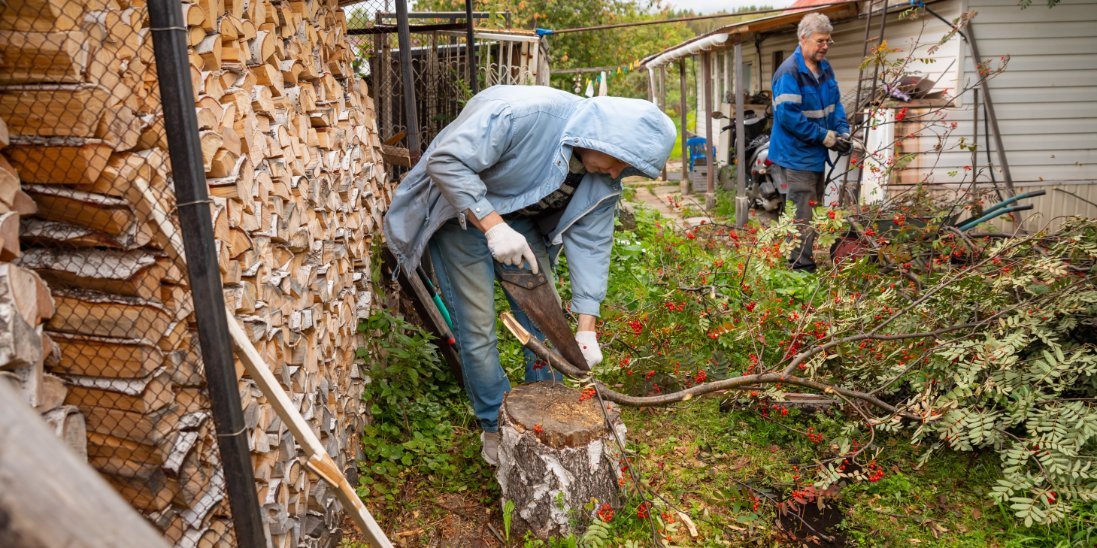
Trees add beauty and shade to your yard, but damaged or overgrown branches can become dangerous during storms. As you inspect your property, pay close attention to limbs that hang over your roof, driveway, play areas, or utility lines.
If you notice large branches that need trimming, contact a professional rather than attempting a risky job yourself. While you're outside, remove smaller fallen branches and debris before they create additional problems!
Keep Drains and Gutters Clear
Heavy rain can only drain properly when water has a clear path. Unfortunately, debris often blocks gutters and drainage areas without much warning. Before storm season arrives, check your gutters and downspouts to make sure water can flow freely. Then inspect low areas around your yard where water tends to collect. By staying ahead of these issues, you can help protect your home's foundation and avoid dealing with unnecessary flooding or muddy cleanup afterward.
Think About Backup Power
Power outages can make an already stressful situation feel even more challenging. When electricity goes out, you may suddenly need to manage food storage, work responsibilities, and family routines all at once.
If you use a generator, take time to plan its placement and review safe operating procedures before an emergency occurs. You may also want to explore ways to silence your generator so you can maintain backup power without creating unnecessary noise for nearby neighbors.
Make Yard Prep Part of Home Care
Storm preparation becomes much easier when you treat it as a regular part of home maintenance rather than an emergency project. Set aside a little time each month to inspect your yard and address small concerns before they become larger problems.
By following these steps to keep your yard ready for bad weather, you'll create a safer outdoor space without adding unnecessary pressure to your schedule. Most importantly, you'll gain peace of mind knowing your home is better prepared when the forecast takes a turn for the worse.
Top Advantages of Installing a Storm Door
Discover how a storm door improves energy efficiency, protects your entryway, boosts comfort, and enhances curb appeal for lasting benefits.
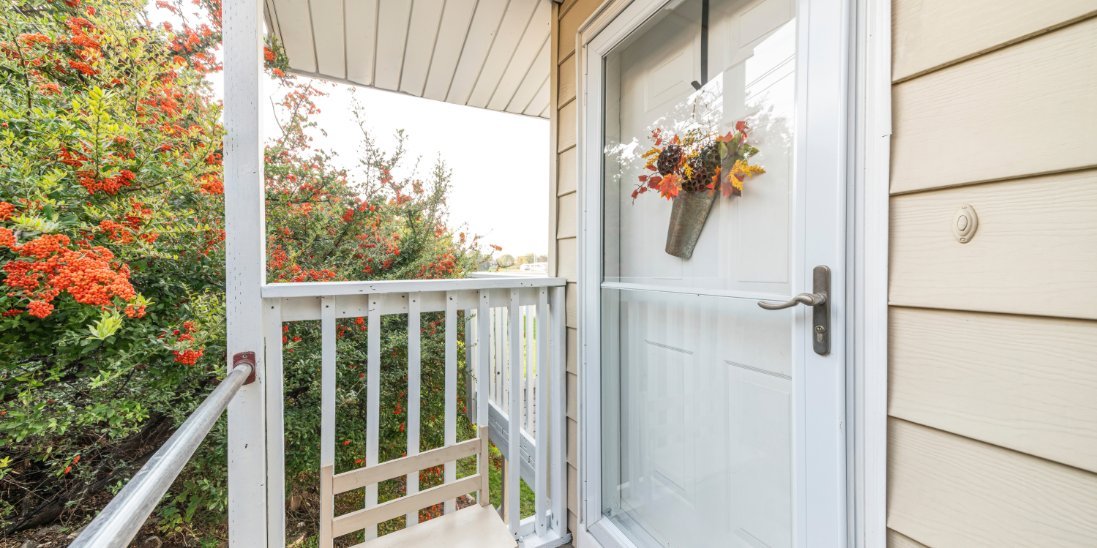
A storm door is a practical addition that can improve both the appearance and function of your home. Homeowners often choose this upgrade because it offers year-round benefits while helping protect their main entry door from daily wear. Understanding the top advantages of installing a storm door can help you decide whether this simple improvement is the right choice for your property.
Improved Protection for Your Entry Door
One of the main benefits of a storm door is the added layer of protection it provides. Exposure to rain, snow, wind, and intense sunlight can gradually damage an exterior door. A storm door acts as a barrier between the elements and your primary entryway, helping reduce fading, warping, and other signs of weather-related wear. This added protection can help your main door maintain its appearance and function for a longer period.
Better Energy Efficiency
A storm door can help improve energy efficiency by creating an additional layer of insulation at your home's entrance. During colder months, it helps reduce drafts that may enter around the main door. In warmer weather, it can help limit the amount of outside heat that reaches your interior space. As a result, homeowners may enjoy a more comfortable indoor environment throughout the year.
Increased Ventilation and Natural Light
Many storm doors include interchangeable glass and screen panels. This design allows homeowners to open the main door while keeping the storm door closed. Fresh air can circulate through the home while insects and debris remain outside. Glass panels also allow more natural light into entryways, making interior spaces feel brighter without sacrificing security.
Enhanced Curb Appeal
A well-designed storm door can complement the style of your home and create a more polished appearance. Modern options are available in various colors, finishes, and designs, making it easy to find a model that matches your existing exterior features. An attractive entryway can leave a positive impression on visitors and contribute to the overall look of the property.
Added Home Value
Home improvements that combine function with visual appeal often attract potential buyers. Because storm doors add value and protection to a home, homeowners often choose them as a worthwhile upgrade. Buyers may appreciate the added durability, comfort, and convenience that a storm door provides, especially in regions that experience changing weather conditions.
Greater Security
Many storm doors feature durable frames, reinforced construction, and secure locking systems. While they are not a replacement for a primary security door, they can provide an extra layer of protection at your entrance. This added barrier may help homeowners feel more confident about the security of their property.
Making the Most of Your Entryway
The top advantages of installing a storm door include improved protection, enhanced energy efficiency, better ventilation, and added curb appeal. With the ability to protect your main entry door while increasing comfort and security, a storm door offers practical benefits that many homeowners can appreciate for years to come.
Ways to Increase Everyday Functionality Throughout Your Home
Discover a few practical ways to improve comfort, efficiency, and organization with simple home upgrades that enhance everyday functionality.
A home should do more than provide shelter; it should support your daily routines and make life easier. Whether you live in a small apartment or a large family home, finding ways to increase everyday functionality throughout your home can have a significant impact on your quality of life. These improvements often involve thoughtful planning, strategic upgrades, and a focus on how each space is actually used.
Identify Areas That Create Daily Challenges
One of the most effective ways to improve functionality is by evaluating areas that create daily frustration. Kitchens, entryways, bathrooms, and laundry rooms are often the busiest spaces in a home. Small changes, such as adding extra storage, improving lighting, or reorganizing layouts, can make these areas more efficient and enjoyable to use.
Take note of recurring inconveniences. If family members constantly struggle to find storage space or navigate crowded rooms, those challenges can reveal opportunities for meaningful improvements.
Make Storage More Effective
Storage plays a major role in keeping a home functional. Clutter can quickly make even the largest spaces feel cramped and inefficient. Built-in shelving, multipurpose furniture, and well-designed closets can help maximize available space while keeping everyday items easily accessible.
When storage solutions are tailored to your household's needs, maintaining organization becomes much simpler. A well-organized home often feels larger and easier to manage on a daily basis.
Improve Traffic Flow Throughout the Home
Another important consideration is traffic flow. Furniture placement, room layouts, and accessibility can influence how comfortably people move through a home. Open pathways and clearly defined spaces often create a more practical environment.
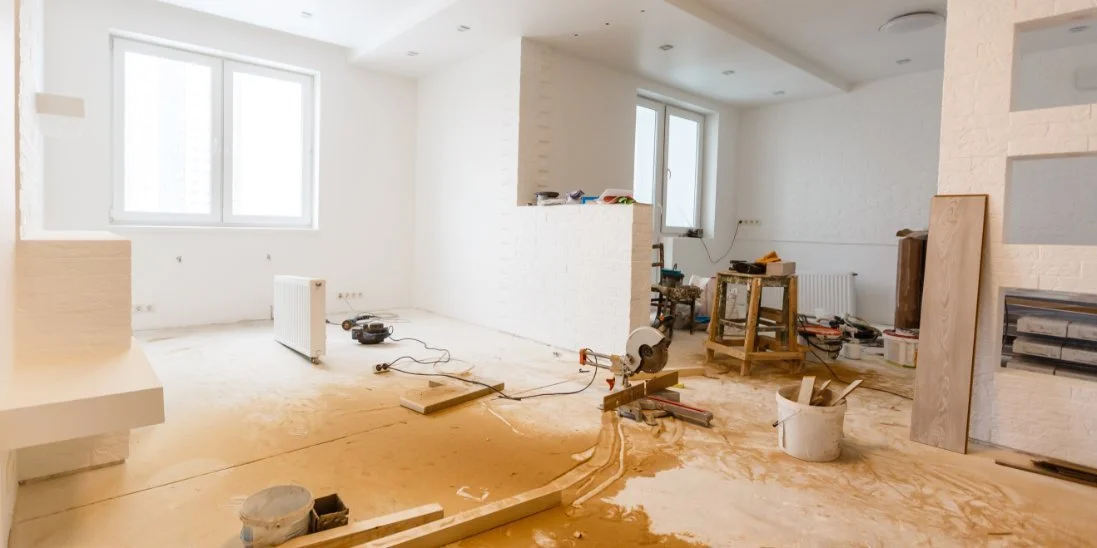
Before making significant changes, understanding the important considerations before remodeling your home is critical if you want to ensure upgrades align with both current needs and future goals.
Use Technology to Increase Efficiency
Technology can also enhance functionality. Smart thermostats, automated lighting systems, and connected security devices allow homeowners to manage their homes more efficiently. These upgrades often improve convenience while helping reduce energy consumption and operating costs.
Even simple additions, such as programmable lighting schedules or smart plugs, can streamline everyday tasks and create a more comfortable living environment.
Focus on Better Lighting
Lighting deserves special attention when improving functionality. A well-lit home supports productivity and comfort. Layering ambient, task, and accent lighting helps ensure each room serves its intended purpose effectively.
Simple upgrades like under-cabinet kitchen lighting, brighter workspaces, or motion-activated fixtures in hallways can make daily activities easier and more enjoyable.
Adapt Spaces to Changing Needs
As lifestyles evolve, homes should adapt accordingly. Remote work, growing families, and changing hobbies often require rooms to serve multiple purposes.
Flexible design solutions help homeowners get more value from their existing square footage without expanding their homes. The most successful improvements are those that address real needs while maintaining versatility for future changes.
Creating a More Functional Living Environment
The best ways to increase everyday functionality throughout your home begin with understanding how your household uses each space. By focusing on organization, efficiency, comfort, and adaptability, homeowners can create living environments that better support their daily routines while making the home more enjoyable for years to come.

What to Do Immediately After a Pipe Bursts in Your Home
A burst pipe rarely announces itself politely. One moment the house is quiet, and the next, water is spreading across a floor faster than anyone expects. The first few minutes after that happen matter more than almost any other point in the recovery process, because what a homeowner does right away often determines whether the damage stays contained or spreads into something far more costly.

A burst pipe rarely announces itself politely. One moment the house is quiet, and the next, water is spreading across a floor faster than anyone expects. The first few minutes after that happen matter more than almost any other point in the recovery process, because what a homeowner does right away often determines whether the damage stays contained or spreads into something far more costly.
Stop the Water at the Source
The first move is always the same: find the water and stop it. Every home should have a main shutoff valve, typically located near the water meter or where the main line enters the house, and turning it off halts the flow immediately rather than waiting for a plumber to arrive. Anyone unsure where that valve sits should locate it now, long before an emergency forces a frantic search through the basement.
If the burst happens near a single fixture, such as under a sink or behind a washing machine, a local shutoff valve may stop the leak without cutting water to the entire house. Either way, speed matters far more than precision in that first moment. A flooded hallway only grows worse with every passing minute the valve stays open.
Cut Power to Affected Areas
Water and electricity make a dangerous combination, and a flooded room is not a safe place to leave outlets or appliances powered on. If water has reached an electrical panel, an outlet, or any plugged-in device, and it can be reached without stepping into standing water, shutting off power to that area or the whole house is a necessary next step. When the panel itself sits in or near the flooding, the safer choice is to leave it alone and call an electrician rather than risk a shock.
This step often gets overlooked in the panic of the moment, but it deserves the same urgency as shutting off the water. A submerged outlet or a soaked appliance left running is one of the more preventable hazards in a flooding situation, and a few extra seconds spent flipping a breaker can prevent an injury far more serious than the water damage itself.
Document the Damage Immediately
Once the immediate danger is under control, it helps to slow down just enough to record what happened. Photos and short videos of the flooding, the source of the leak, and any damaged belongings create a record that will matter later, whether for an insurance claim or simply for tracking what needs attention first. This does not need to be elaborate. A phone camera and a few extra minutes are enough.
Homeowners should also start moving valuables and easily damaged items, such as electronics, rugs, or furniture, away from standing water where it is safe to do so. Acting quickly here can preserve items that would otherwise be lost to prolonged water exposure, particularly anything made of wood or fabric that begins absorbing moisture within hours.
Call a Restoration Team Fast
Perhaps the most important decision in the entire process is how quickly a professional restoration team gets involved. Water that sits for even a day can seep into subflooring, drywall, and insulation, creating conditions for mold growth and structural weakening that are far more expensive to fix than the original leak. A company available around the clock, such as Midwest Restoration, can respond before that damage has a chance to set in, using extraction equipment and drying techniques that go well beyond what a homeowner can manage with towels and fans.
Calling early also tends to simplify the insurance process. A documented, fast response gives an adjuster a clearer picture of the original damage, rather than a murkier situation shaped by days of additional moisture. Homeowners who wait, hoping the damage looks manageable enough to handle alone, often find the opposite is true once walls and flooring have had time to absorb what first appeared to be a contained mess.
A burst pipe is stressful by nature, but it does not have to become a prolonged ordeal. Shutting off the water, securing the electricity, documenting what happened, and getting a trusted restoration team on site quickly gives a home its best chance at a full and reasonably swift recovery.