

A resource for those seeking information on organizing and transforming spaces.
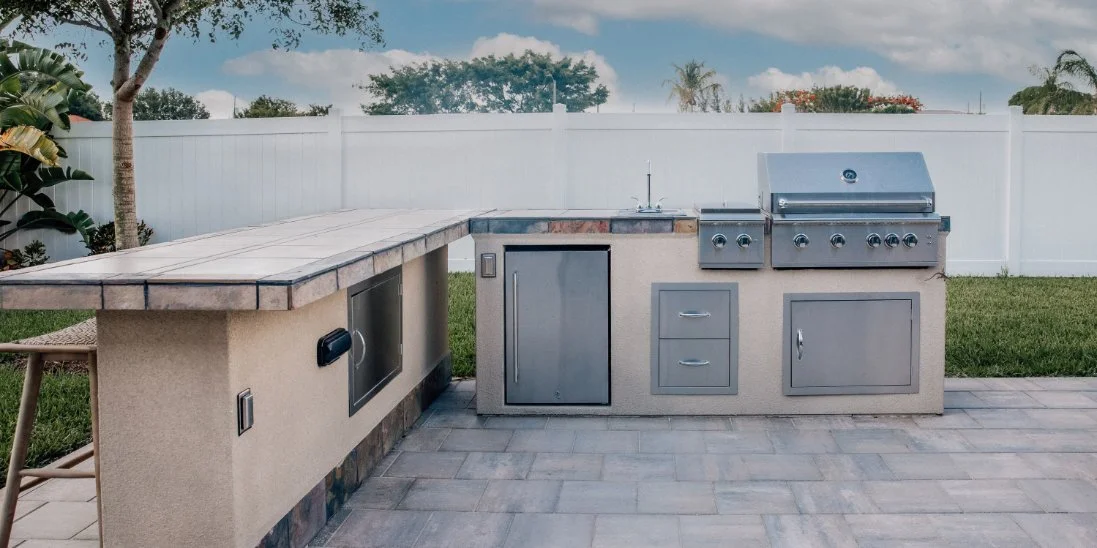
The Benefits of Building an Outdoor Kitchen
Enjoy more time outdoors with a custom cooking space. Discover how an outdoor kitchen adds comfort, boosts home value, and makes entertaining easier.
Outdoor living spaces have become an important part of modern homes, and the benefits of building an outdoor kitchen extend far beyond preparing meals outside. A thoughtfully planned cooking area creates a welcoming place to gather, entertain guests, and enjoy fresh air while making everyday meals feel more enjoyable. It also provides long-term value and enjoyment that homeowners can appreciate throughout the year.
Create a More Enjoyable Entertainment Space
An outdoor kitchen naturally brings people together. Instead of moving between the house and the patio while preparing food, you can stay engaged with family and guests throughout the gathering. Conversations continue without interruption, and everyone enjoys a more relaxed atmosphere.
Outdoor kitchens also make celebrations feel more comfortable because the cooking area becomes part of the event instead of remaining hidden indoors. From casual cookouts to holiday parties, the space supports memorable occasions while keeping everything within reach.
Add Value to Your Home
A well-built outdoor kitchen can increase the overall appeal of your property. Buyers often appreciate attractive outdoor living features because they expand usable space without requiring a home addition.
Materials made to withstand outdoor conditions help keep the space looking its best over time. When designing a functional yet beautiful outdoor kitchen, homeowners should consider how the layout supports cooking, serving, and socializing while complementing the home's existing style.
Enjoy Greater Cooking Convenience
Preparing meals outside helps reduce heat inside your home during warmer months. Grilling, roasting, and using outdoor appliances keep indoor temperatures more comfortable while allowing everyone to spend more time outside.
Convenient storage, durable countertops, and built-in appliances also simplify meal preparation. Everything remains close at hand, making cooking feel less stressful and more enjoyable. With the right setup, preparing weeknight dinners becomes just as practical as hosting larger gatherings.
Personalize Your Outdoor Living Area
An outdoor kitchen gives homeowners the opportunity to create a space that reflects their lifestyle. Whether you prefer a simple grilling station or a fully equipped cooking area, the design can match your entertaining habits and available space.
Carefully selected finishes, lighting, and seating help create an inviting atmosphere that feels like a natural extension of the home. A personalized outdoor kitchen encourages more time outside and supports everyday relaxation as well as special occasions.
A Lasting Investment for Outdoor Living
The benefits of building an outdoor kitchen make this addition worthwhile for homeowners who enjoy cooking and entertaining. A thoughtfully designed space improves convenience, enhances your property's appeal, and creates an inviting setting where family and friends can gather throughout the seasons.

How To Keep Your Yard Ready For Bad Weather
Bad weather gets easier to handle when your yard is ready. Secure loose items, clear drainage areas, and prepare backup power before storms arrive.
Bad weather rarely arrives when your schedule is clear, and everything around the house feels under control. If you're balancing work and family responsibilities, yard preparation can easily slip down the priority list. When you know how to keep your yard ready for bad weather, you can reduce stress and avoid scrambling at the last minute. Your yard does not need to look perfect, but it should be prepared to handle challenging conditions safely.
Start With Loose Items
Strong winds can quickly turn everyday yard items into hazards. Take a walk around your outdoor space and identify anything that could blow away during a storm. Patio furniture, children's toys, and lightweight decorations often need attention first.
Once you know what needs to be secured, create a designated storage spot for those items. That way, when severe weather is in the forecast, you can move everything quickly without searching for a place to put it.
Check Trees and Branches
Trees add beauty and shade to your yard, but damaged or overgrown branches can become dangerous during storms. As you inspect your property, pay close attention to limbs that hang over your roof, driveway, play areas, or utility lines.
If you notice large branches that need trimming, contact a professional rather than attempting a risky job yourself. While you're outside, remove smaller fallen branches and debris before they create additional problems!
Keep Drains and Gutters Clear
Heavy rain can only drain properly when water has a clear path. Unfortunately, debris often blocks gutters and drainage areas without much warning. Before storm season arrives, check your gutters and downspouts to make sure water can flow freely. Then inspect low areas around your yard where water tends to collect. By staying ahead of these issues, you can help protect your home's foundation and avoid dealing with unnecessary flooding or muddy cleanup afterward.
Think About Backup Power
Power outages can make an already stressful situation feel even more challenging. When electricity goes out, you may suddenly need to manage food storage, work responsibilities, and family routines all at once.
If you use a generator, take time to plan its placement and review safe operating procedures before an emergency occurs. You may also want to explore ways to silence your generator so you can maintain backup power without creating unnecessary noise for nearby neighbors.
Make Yard Prep Part of Home Care
Storm preparation becomes much easier when you treat it as a regular part of home maintenance rather than an emergency project. Set aside a little time each month to inspect your yard and address small concerns before they become larger problems.
By following these steps to keep your yard ready for bad weather, you'll create a safer outdoor space without adding unnecessary pressure to your schedule. Most importantly, you'll gain peace of mind knowing your home is better prepared when the forecast takes a turn for the worse.
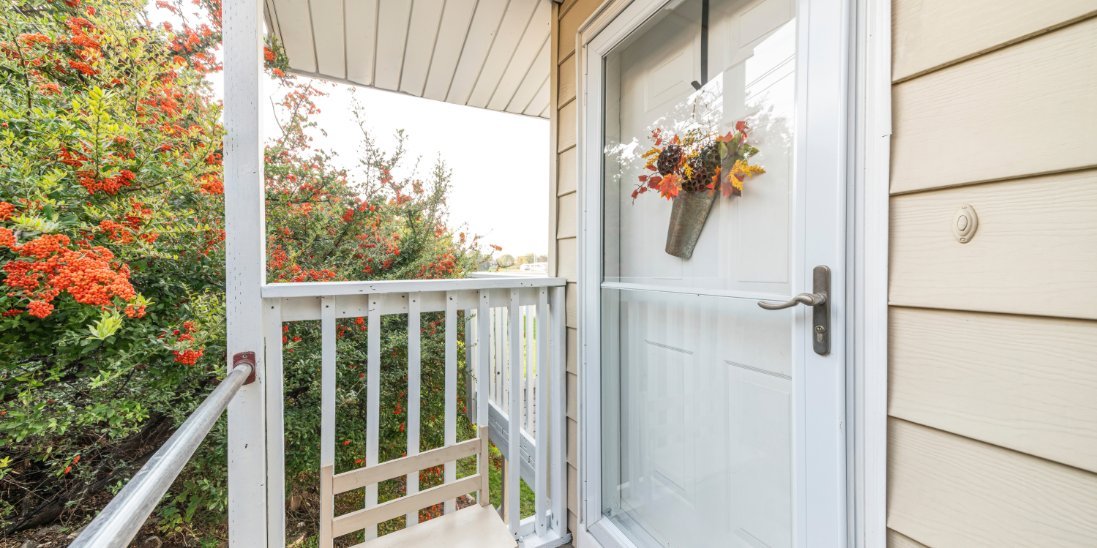
Top Advantages of Installing a Storm Door
Discover how a storm door improves energy efficiency, protects your entryway, boosts comfort, and enhances curb appeal for lasting benefits.
A storm door is a practical addition that can improve both the appearance and function of your home. Homeowners often choose this upgrade because it offers year-round benefits while helping protect their main entry door from daily wear. Understanding the top advantages of installing a storm door can help you decide whether this simple improvement is the right choice for your property.
Improved Protection for Your Entry Door
One of the main benefits of a storm door is the added layer of protection it provides. Exposure to rain, snow, wind, and intense sunlight can gradually damage an exterior door. A storm door acts as a barrier between the elements and your primary entryway, helping reduce fading, warping, and other signs of weather-related wear. This added protection can help your main door maintain its appearance and function for a longer period.
Better Energy Efficiency
A storm door can help improve energy efficiency by creating an additional layer of insulation at your home's entrance. During colder months, it helps reduce drafts that may enter around the main door. In warmer weather, it can help limit the amount of outside heat that reaches your interior space. As a result, homeowners may enjoy a more comfortable indoor environment throughout the year.
Increased Ventilation and Natural Light
Many storm doors include interchangeable glass and screen panels. This design allows homeowners to open the main door while keeping the storm door closed. Fresh air can circulate through the home while insects and debris remain outside. Glass panels also allow more natural light into entryways, making interior spaces feel brighter without sacrificing security.
Enhanced Curb Appeal
A well-designed storm door can complement the style of your home and create a more polished appearance. Modern options are available in various colors, finishes, and designs, making it easy to find a model that matches your existing exterior features. An attractive entryway can leave a positive impression on visitors and contribute to the overall look of the property.
Added Home Value
Home improvements that combine function with visual appeal often attract potential buyers. Because storm doors add value and protection to a home, homeowners often choose them as a worthwhile upgrade. Buyers may appreciate the added durability, comfort, and convenience that a storm door provides, especially in regions that experience changing weather conditions.
Greater Security
Many storm doors feature durable frames, reinforced construction, and secure locking systems. While they are not a replacement for a primary security door, they can provide an extra layer of protection at your entrance. This added barrier may help homeowners feel more confident about the security of their property.
Making the Most of Your Entryway
The top advantages of installing a storm door include improved protection, enhanced energy efficiency, better ventilation, and added curb appeal. With the ability to protect your main entry door while increasing comfort and security, a storm door offers practical benefits that many homeowners can appreciate for years to come.
Ways to Increase Everyday Functionality Throughout Your Home
Discover a few practical ways to improve comfort, efficiency, and organization with simple home upgrades that enhance everyday functionality.
A home should do more than provide shelter; it should support your daily routines and make life easier. Whether you live in a small apartment or a large family home, finding ways to increase everyday functionality throughout your home can have a significant impact on your quality of life. These improvements often involve thoughtful planning, strategic upgrades, and a focus on how each space is actually used.
Identify Areas That Create Daily Challenges
One of the most effective ways to improve functionality is by evaluating areas that create daily frustration. Kitchens, entryways, bathrooms, and laundry rooms are often the busiest spaces in a home. Small changes, such as adding extra storage, improving lighting, or reorganizing layouts, can make these areas more efficient and enjoyable to use.
Take note of recurring inconveniences. If family members constantly struggle to find storage space or navigate crowded rooms, those challenges can reveal opportunities for meaningful improvements.
Make Storage More Effective
Storage plays a major role in keeping a home functional. Clutter can quickly make even the largest spaces feel cramped and inefficient. Built-in shelving, multipurpose furniture, and well-designed closets can help maximize available space while keeping everyday items easily accessible.
When storage solutions are tailored to your household's needs, maintaining organization becomes much simpler. A well-organized home often feels larger and easier to manage on a daily basis.
Improve Traffic Flow Throughout the Home
Another important consideration is traffic flow. Furniture placement, room layouts, and accessibility can influence how comfortably people move through a home. Open pathways and clearly defined spaces often create a more practical environment.
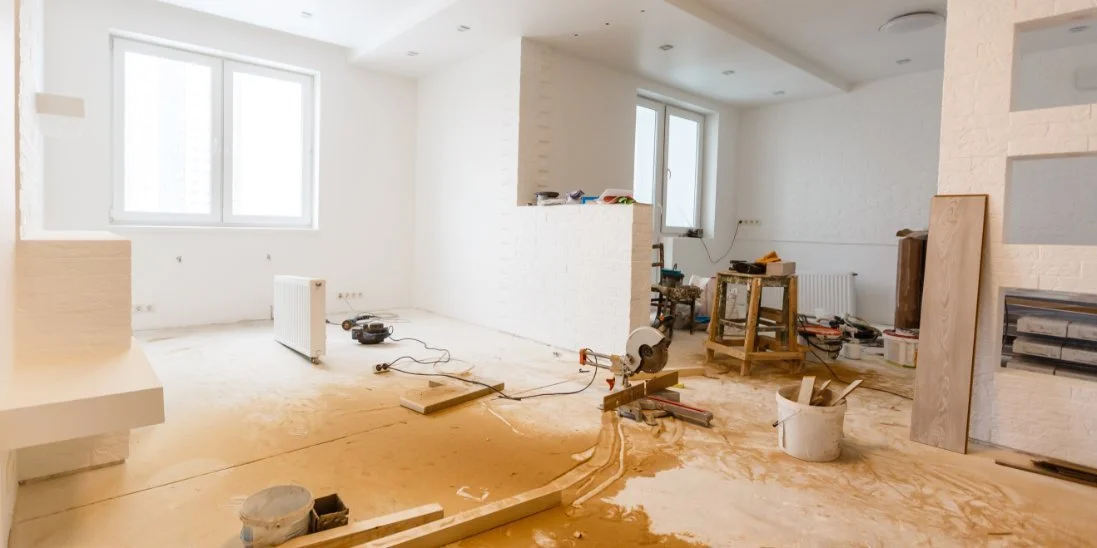
Before making significant changes, understanding the important considerations before remodeling your home is critical if you want to ensure upgrades align with both current needs and future goals.
Use Technology to Increase Efficiency
Technology can also enhance functionality. Smart thermostats, automated lighting systems, and connected security devices allow homeowners to manage their homes more efficiently. These upgrades often improve convenience while helping reduce energy consumption and operating costs.
Even simple additions, such as programmable lighting schedules or smart plugs, can streamline everyday tasks and create a more comfortable living environment.
Focus on Better Lighting
Lighting deserves special attention when improving functionality. A well-lit home supports productivity and comfort. Layering ambient, task, and accent lighting helps ensure each room serves its intended purpose effectively.
Simple upgrades like under-cabinet kitchen lighting, brighter workspaces, or motion-activated fixtures in hallways can make daily activities easier and more enjoyable.
Adapt Spaces to Changing Needs
As lifestyles evolve, homes should adapt accordingly. Remote work, growing families, and changing hobbies often require rooms to serve multiple purposes.
Flexible design solutions help homeowners get more value from their existing square footage without expanding their homes. The most successful improvements are those that address real needs while maintaining versatility for future changes.
Creating a More Functional Living Environment
The best ways to increase everyday functionality throughout your home begin with understanding how your household uses each space. By focusing on organization, efficiency, comfort, and adaptability, homeowners can create living environments that better support their daily routines while making the home more enjoyable for years to come.

