

A resource for those seeking information on organizing and transforming spaces.

How Custom Aluminum Windows Bring New Life to Older Homes
Older homes have a charm that’s hard to copy. Tall ceilings, detailed trim, arched openings and solid craftsmanship give them character that many new houses lack.
Older homes have a charm that’s hard to copy. Tall ceilings, detailed trim, arched openings and solid craftsmanship give them character that many new houses lack.
But that charm often comes with a catch. When it’s time to replace the windows, the openings rarely match the standard sizes sold at big-box stores.
That’s where custom aluminum windows come in. Made to fit your home’s exact measurements, they can update comfort and performance without forcing you to change the look you love.
Solving the Problem of Odd-Sized Openings
Homes built generations ago weren’t designed around today’s standard window sizes. Over the decades, buildings also settle. Floors sag, frames shift, walls lean slightly and openings that were once square may now be a little out of true.
Trying to force a stock window into one of those spaces usually leads to headaches. Installers may need to fill gaps with extra trim, add shims, cut into original woodwork or shrink the glass area to make things fit. The result can look awkward and may leave room for drafts, leaks, noise and wasted energy.
Custom windows avoid that struggle. Each unit is built to match the measured opening, whether it’s unusually tall, narrow, arched or slightly uneven. The fit is cleaner from the start, which means fewer surprises on installation day.
That precision takes much of the stress out of a renovation. Instead of compromising, homeowners can choose the window they actually want.
Preserving Your Home’s Original Character
Windows play a big role in how a building looks from the street. Change them carelessly, and a classic facade can lose much of its charm.
Custom aluminum windows let you keep the proportions that define your home’s style. Manufacturers can match original sightlines, recreate grid patterns, mirror the original sash layout and follow the shape of arched or bowed openings so the new windows feel like they belong.
Aluminum works especially well for this kind of project. Because the material is strong, frames can stay slim, which keeps more glass visible and maintains a light, refined look. It can also be finished in a wide range of colors, from classic black and bronze to softer neutral tones that complement brick, stone, stucco or wood siding.
If your home sits in a historic district, check with your local landmarks or preservation office before choosing new windows. Many areas have rules about how replacement windows must look, and custom products make it easier to meet those requirements.
Choosing the Right Window Partner
Custom windows are only as good as the team that designs, measures, builds and installs them.
That’s why it pays to work with a trusted, experienced company such as NY Monda Windows and Door Inc., which produces made-to-order aluminum windows for homes and buildings across the New York area. A knowledgeable provider can help you sort through frame styles, finishes, glass options and project requirements so the final product fits both the opening and the architecture.
Local production can also make the process smoother. When the people building your windows understand the region’s housing stock, they’re better prepared for the quirks found in older buildings.
When comparing companies, ask how they take measurements, what customization options they offer, how they handle installation and what kind of warranty comes with the windows.
Enjoying Lasting Comfort and Beauty
Aluminum windows are built to last. The material resists rot, warping, swelling and insect damage, problems that often plague older wooden frames.
They also require little upkeep. A quick cleaning now and then is usually enough to keep them looking sharp, which means more time enjoying your home and less time maintaining it.
Modern aluminum windows can include features that improve comfort, such as insulated glass and thermally broken frames that help reduce heat transfer. Those upgrades can help rooms stay warmer in winter, cooler in summer, quieter all year and cheaper to heat and cool.
Making Your Renovation Easier
Renovating an older home involves plenty of decisions. Windows don’t have to be the hardest one.
With custom aluminum windows, you can solve tricky openings, protect your home’s character, improve everyday comfort and enjoy a finished look that feels true to the building. It’s a practical choice that respects the past while making the home easier to live in today.

Why Expert Stucco Care Matters in Hot, Humid Climates
Stucco gives a home a clean, polished look. It’s durable, attractive, fire-resistant and well-suited to warm regions when it’s installed and maintained the right way.
Stucco gives a home a clean, polished look. It’s durable, attractive, fire-resistant and well-suited to warm regions when it’s installed and maintained the right way.
But some climates are tough on any exterior. Sticky humidity, blazing summer sun, heavy downpours and sudden storms can test the walls of a home year after year.
Taking care of stucco isn’t just about appearance. It’s about protecting the structure underneath and enjoying the peace of mind that comes from knowing your home is in good shape.
Understanding How Weather Affects Stucco
Hot, humid areas create a unique set of challenges for stucco. Houston is a good example. Gulf Coast moisture, long summers, frequent downpours and powerful storms put homes there under steady pressure, and many other Southern and coastal cities face similar conditions.
Humidity is often the biggest threat. When water finds its way behind the stucco surface in a damp climate, it may not dry out quickly. Over time, trapped moisture can lead to staining, swelling, wood rot and mold inside the walls.
Heat adds another layer of stress. Long stretches of intense sun can fade color and cause the surface to expand and contract. That constant movement can open small cracks that let water in.
Storms bring wind-driven rain that strikes walls at sharp angles. If flashing around windows, doors, rooflines or balconies isn’t sealed properly, water can slip behind the stucco and go unnoticed for months.
The tricky part is that much of this damage stays hidden. By the time bubbling, soft spots, long cracks or crumbling edges appear, the problem underneath may already be serious.
Catching Small Problems Before They Grow
Regular checkups are one of the easiest ways to protect your home.
Walk around your house regularly, especially after major storms. Look for hairline cracks, dark stains, peeling paint and areas where the stucco sounds hollow or feels soft. Pay close attention to spots around windows, doors, gutters and the base of walls.
Small cracks may seem harmless, but in a humid climate they can become an entry point for moisture. Fixing them early is usually far less expensive than repairing rotted framing or mold damage later.
Keeping gutters clean and making sure sprinklers don’t spray directly on walls can also help keep moisture away from your stucco.
Choosing Professionals Who Know the Local Climate
Stucco repair isn’t a job for quick patches. A surface fix may look fine at first, but if the moisture problem underneath isn’t solved, the damage will keep spreading.
That’s why it pays to work with a trusted, experienced contractor who understands how local weather affects building materials. In the Houston area, for example, GY6 Built LLC is a veteran-owned company that handles stucco repair for homes facing Gulf Coast conditions. Contractors with regional experience can recommend flexible coatings, moisture barriers, proper flashing and waterproofing methods suited to the climate.
A good stucco contractor will inspect the area carefully, often using moisture meters to find hidden water damage. They should explain what they find, share photos, provide a written estimate and walk you through your repair options before any work begins.
When comparing companies, ask about their experience with stucco, how they diagnose moisture problems, what warranty they offer and whether they can share examples of past work.
Protecting Curb Appeal and Property Value
A home’s exterior is the first thing people notice. Cracked, stained, chipped or faded stucco can make even a well-kept house look neglected.
Well-maintained stucco, on the other hand, gives your home a crisp, inviting look that stands out on the street. Fresh finishes and clean lines can make a strong first impression on neighbors, guests, appraisers and potential buyers.
That matters when it’s time to sell. Buyers and home inspectors often look closely at stucco for signs of moisture damage. A clean inspection and documented repairs can make your home more attractive, ease buyer concerns, help avoid last-minute negotiations and support a stronger sale price.
Enjoying Peace of Mind Year-Round
With regular care and the right professionals on your side, your home can stand up to heat, humidity, wind and storms season after season.
Taking care of your stucco now helps protect your investment, preserve your home’s beauty, prevent costly surprises and ease your mind.

How Better Organization Can Make a Medical Office More Efficient
Organizing a medical office is complicated. You can have excellent staff and capable doctors, as well as perfectly good equipment, and still feel like something fundamental is missing. The problem isn't always a lack of effort, but rather a lack of proper planning and organization. Luckily, this is fixable. Minor improvements do count the most because sometimes making even one aspect of your workflow more convenient can have a tremendous impact on everyone working in your building.
Organizing a medical office is complicated. You can have excellent staff and capable doctors, as well as perfectly good equipment, and still feel like something fundamental is missing. The problem isn't always a lack of effort, but rather a lack of proper planning and organization. Luckily, this is fixable. Minor improvements do count the most because sometimes making even one aspect of your workflow more convenient can have a tremendous impact on everyone working in your building.
Put Frequently Used Items Where The Work Happens
If you want to improve organization, the first thing you need to do is walk through your office and pay attention to where staff members physically go during an ordinary appointment. You will discover many useful things if you pay attention, even for a little bit. For example, you may discover that something used twenty times a day is sitting in a cupboard. Why would something like that be stored in a cupboard? Move it if possible. There isn't much value in preserving a bad arrangement because it's familiar.
You can also create small, sensible stations instead of one enormous supply cupboard. A treatment room might have its own clearly labelled essentials, while reception keeps the paperwork and stationery it handles constantly. This alone will likely reduce the number of unnecessary walks across the office. Five minutes saved here and there matters a lot in healthcare.
Give Patient Information One Clear Home
Patient information tends to multiply. There are referral letters, consent forms, medical histories, appointment notes and documents waiting to be scanned or filed. Many of these are already kept electronically. However, some information is in folders and some temporarily on a desk. In that kind of system, staff have to remember the office's habits before they can find anything. That's not a good system, especially for newbies.
You can combat this friction by choosing one clear place and one clear process for each type of information. If a document needs scanning, decide where it waits before scanning. And what happens immediately afterwards? If something requires a doctor's review, make that status obvious. A straightforward naming and filing convention also helps.
Build Appointment Buffers Around Some Tasks

A schedule can look full while being completely impractical, and that’s the main cause of friction here. If every appointment is booked back-to-back, there isn't much room for the work that surrounds the consultation. After every appointment, notes need finishing. In some cases, rooms need preparation. Doctors need to check referrals and occasionally a patient needs more time. You can’t just rush them out. Pretending these aspects of healthcare and these tasks don't exist won't make them disappear.
You need to carefully examine what happens between appointments. From there, you can build small buffers where they're useful. For example, you might have to reserve certain periods for longer consultations. You might need to make more time for equipment preparation rather than filling every available minute.
This is particularly important when your office handles services that involve several stages. If a patient is coming in for ultrasound in Wollongong, for example, your schedule needs to account for the actual journey through the service, not just the minutes when the patient is physically being examined.
Make Handover Notes Difficult To Misunderstand
Are you aware of how much office time disappears into clarification? Someone says they left a message. Someone else asks whether the doctor saw it. Then a third person appears and that person isn't sure whether the patient was called back. Nobody has done anything wrong because this sometimes happens in a dynamic workplace. But at the end of the day, the information has become a little foggy.
You can create a simple handover method that works for everyone involved. Your staff needs to know how to record something efficiently, as well as when they need to do it. Keep it short. You don’t need to explain everything, and your staff doesn’t need to explain everything. These are medical professionals, they know how to read short notes.
Give Reception A Better Way To Handle Interruptions
Reception staff members are overwhelmed. They often have to juggle many things, including phone calls, arriving patients and emails. In the middle of that, they also have to handle payments and questions from clinicians. If every interruption is treated as equally urgent, the day becomes a constant game of dropping one task to pick up another. It’s impossible to avoid burnout when you work like that. It isn't efficient, and more importantly, it isn't pleasant for the person sitting at the desk.
Set some basic rules for interruptions. Certain matters can wait for a scheduled callback. Others need immediate attention, and there’s nothing to do about it. You can help them out by giving staff a visible way to mark something as urgent. You can also keep common answers and procedures somewhere accessible. If staff are repeatedly being asked how to handle the same cancellation, referral or billing question, maybe it’s time to take a look into that.
Organise Rooms For The Next Patient
Room preparation often gets treated as a final job. The problem is that this means it gets squeezed between everything else. That is not a good way to do it. A better approach is to make the room itself do some of the organising. Store equipment in consistent places and label drawers clearly. As mentioned earlier, keep the most frequently needed items together. If an item has to be replenished, make the shortage visible.
It can also help to think one appointment ahead. If you know what the next patient needs, prepare the room before the previous patient has completely left whenever this can be done safely and appropriately.
Conclusion
Once your office is organised, don't assume you're finished forever. As your systems evolve, so will your organization. When in doubt, pay attention to the things staff still complain about. Ask your team what wastes their time. This gives you a direct way to solve a problem. You may get practical answers. Once you approach it that way, your ordinary work gets easier, so your staff can spend more of their attention on the people who actually came through the door.
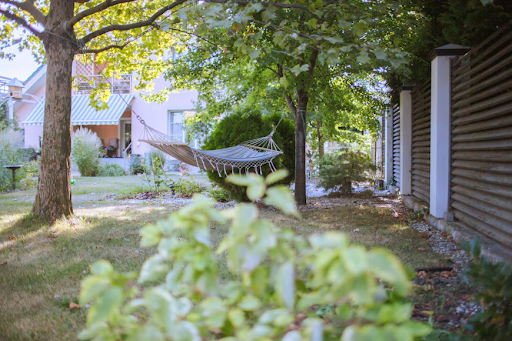
Creating a Serene Backyard Retreat
A backyard retreat works best when every feature supports the way you want to use the space. Clear walking paths, comfortable seating, and organized supplies can turn even a modest yard into a calm place for reading, dining, or spending time with family. Start with the basics, then add the details that make the area feel welcoming and easy to maintain.
We partnered with a home improvement company for this post. The opinions in the post are honest. All reviews and opinions expressed in this post are based on our personal views. We are excited because we know you will love it.
A backyard retreat works best when every feature supports the way you want to use the space. Clear walking paths, comfortable seating, and organized supplies can turn even a modest yard into a calm place for reading, dining, or spending time with family. Start with the basics, then add the details that make the area feel welcoming and easy to maintain.
Envision Your Outdoor Sanctuary
Decide what you want to do outside before buying furniture or starting a large project. A quiet reading corner may need one shaded chair and a small table, while an outdoor dining area requires level ground, lighting, and convenient access to the house. Sketch the yard and note existing shade, drainage patterns, and electrical outlets.
A few focused backyard sanctuary projects can help you identify realistic upgrades. Include pest prevention in this early plan too. Learning how to treat your yard for mosquitoes can help you choose a suitable DIY method before peak outdoor season arrives.
Smart Storage for Outdoor Items
Give every outdoor item a dry, accessible home. A weather-resistant deck box works well for cushions, small toys, and garden tools used each week. Place it close enough to the seating area for convenience without blocking a walkway. Larger items may fit better in a shed or covered storage cabinet.
Use labeled containers inside larger storage units so sunscreen, table linens, and outdoor games don’t become a mixed pile. Store frequently used items near the front and check containers each season for moisture. Hooks can hold hoses and lightweight tools off the ground, while a lidded bin keeps smaller accessories together. Good storage reduces visual clutter and makes cleanup after an evening outside much faster.
Design for Relaxation and Comfort
Choose furniture that fits both the available space and the people who use it. Before ordering a sectional or dining set, mark its dimensions on the ground with painter’s tape or string. Leave at least 3 feet of open space along main walking routes so guests can move comfortably.
Shade makes a major difference on warm afternoons. Consider a patio umbrella, pergola, or shade sail based on sun exposure and available mounting points. Outdoor cushions, a washable rug, and warm-toned lighting can soften hard surfaces. For more ideas, review this guide to a comfortable outdoor living space. A detailed backyard retreat design can also help you connect seating, planting, and activity zones.
Keep Unwanted Guests Away
Remove standing water at least once a week, including water collected in plant saucers, toys, tarps, and clogged gutters. Mosquitoes can develop in surprisingly small amounts of water, so a quick inspection after rain is useful. Refresh birdbaths regularly and keep rain barrels tightly covered.
Trim dense vegetation near patios to improve airflow and reduce damp resting areas. An outdoor fan can make a seating zone less appealing to flying insects while also keeping guests comfortable. If you use any yard treatment, read the full label and follow its directions for application, protective clothing, and reentry times. Store products in their original containers inside a locked cabinet that children and pets can’t access.
Enjoy Your Pest-Free Haven
A serene yard becomes easier to enjoy when its upkeep follows a simple routine. Spend 10 minutes each week returning cushions and supplies to storage, emptying collected water, and checking that lighting still works. Sweep food crumbs from dining areas soon after meals and keep trash containers closed.
Pay attention to when you use the retreat most often. If late-afternoon sun reaches the chairs, adjust the umbrella before your next gathering. If water repeatedly gathers in one low spot, improve drainage or move containers away from that area. These small observations help the space work better over time. Once the practical details are handled, settle into your favorite chair and let the backyard serve its purpose.