

A resource for those seeking information on organizing and transforming spaces.
Landscape Design Ideas That Shine After Sunset
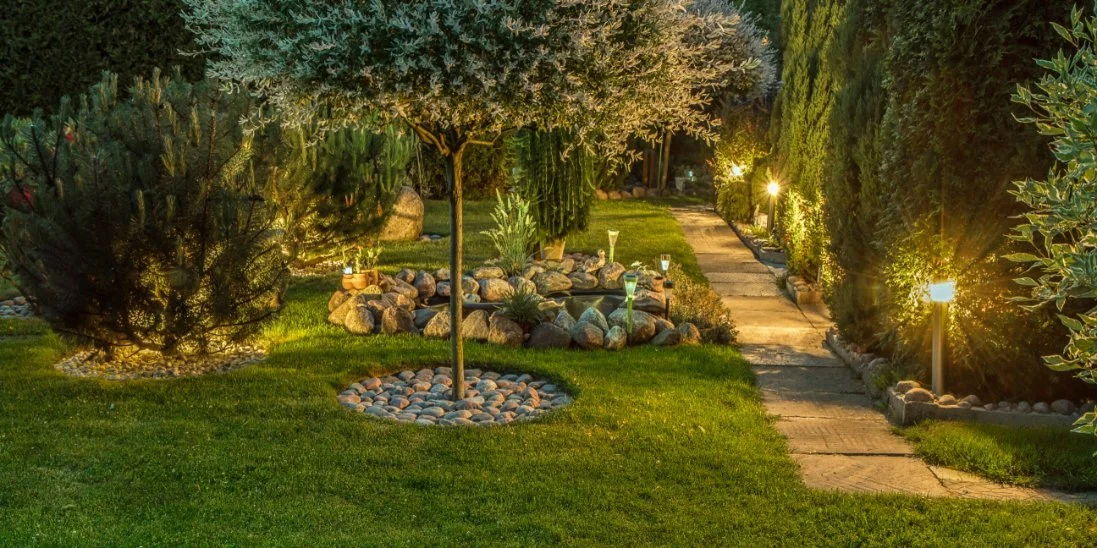
A landscape that shines after sunset doesn’t come together by luck. It requires thoughtful selection and curation of lighting and features.
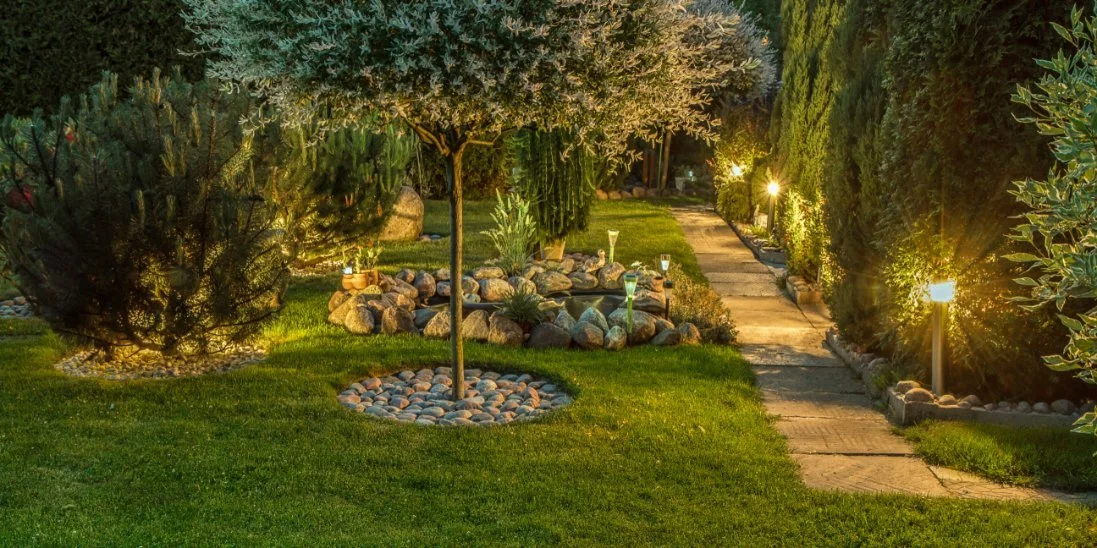
A backyard can feel completely different once the sun goes down. The garden beds soften into the background, pathways become more important, and a familiar patio can suddenly feel like a peaceful place to end a busy day. Thoughtful outdoor lighting helps families enjoy the spaces they already have for more hours without making the yard feel overly bright. The goal isn’t to illuminate every corner but to give the landscape enough light to feel welcoming and intentional. Some landscape design ideas shine after sunset and we’re discussing them below.
Start With the Places Your Family Uses Most
Before shopping for outdoor lights, think about how your household moves through the yard after dark. You may regularly walk from the driveway to a side entrance, take the dog into the backyard, or carry dinner from the kitchen to the patio. Those everyday routes deserve attention before purely decorative areas do. Lighting the spaces you actually use helps the whole yard work better for family life.
Walk around the property at dusk and notice where visibility disappears first. Pay attention to steps, gates, seating areas, and transitions between different surfaces. You don’t need a complicated lighting plan to spot the places where a little illumination would make evenings easier. This simple walkthrough also helps you avoid buying fixtures before you know where they belong.
Give Pathways a Gentle Glow
Path lighting can make a landscape feel polished while helping family members and guests navigate the property. The key is creating enough visibility without lining the walkway with lights so closely that it resembles an airport runway. Spacing fixtures thoughtfully creates a softer rhythm and allows nearby plants to remain part of the view. Warm, understated illumination often feels especially comfortable around residential landscapes.
You can also use pathway lights to guide people naturally toward the areas you want them to use. A softly illuminated route from the house to a patio makes the outdoor space feel more connected to the interior. The same idea works near garden gates or walkways leading toward a pool or detached structure. Lighting becomes part of the home’s organization because it quietly shows people where to go.
Make Patios Work After Dinner
For many busy families, the patio becomes most useful when the workday finally ends. Comfortable lighting can make it easier to enjoy a late meal, talk with friends, or sit outside after the children settle down. Instead of relying on one bright fixture, consider how several softer sources can support different activities. The space should feel inviting enough for conversation while still providing practical visibility.
Lighting can also define the patio as its own destination within the landscape. Fixtures near seating areas can create a sense of enclosure even when the patio opens directly onto the lawn. If you regularly entertain, think about where guests gather and which routes they use between the house and outdoor seating. A clear, comfortable layout reduces the need to rearrange lights every time people come over.
Use Solar Lighting Where It Makes Sense
Solar fixtures can offer families a convenient way to add illumination without running electrical wiring to every corner of the property. They work particularly well in locations that receive enough sunlight during the day to support the fixture’s charging needs. Product performance varies, so checking manufacturer specifications can help you match a fixture with the intended location. Shaded areas may require a different solution than sunny sections of the yard.
Larger properties need a little more planning than a small walkway or garden bed. When choosing solar lighting for large outdoor spaces, think about the purpose of each illuminated zone instead of trying to cover the entire property with identical fixtures. A long driveway may need a different approach from a patio, garden path, or decorative planting area. Breaking the property into manageable sections makes the project easier to plan and helps the finished landscape feel cohesive.
Keep the Lighting Plan Easy To Maintain
Outdoor design should make home life easier, not add another complicated job to an already packed week. Fixtures need occasional cleaning because dirt, leaves, pollen, and seasonal debris can reduce the amount of useful light they provide. Solar panels also need access to sunlight, so surrounding plants may require trimming as the landscape grows. A quick check every so often can help you catch small maintenance needs before they become frustrating.
When planning the landscape, make maintenance simple from the beginning with the following choices:
Keep fixtures accessible enough for routine cleaning.
Avoid placing solar panels where dense plants will quickly cover them.
Choose locations that don’t interfere with mowing or regular yard work.
Check outdoor fixtures periodically after storms or seasonal changes.
Reassess lighting as trees and shrubs mature.
Let Your Landscape Shift With the Seasons
Outdoor spaces change throughout the year, especially in Connecticut and New York, where seasonal shifts can dramatically alter the landscape. A fixture that perfectly highlights summer foliage may need a slight adjustment once leaves fall or plants go dormant. Snow can also reflect light differently and change how bright an area feels. Treating the lighting plan as flexible allows the property to look intentional in every season.
Small adjustments can keep the design working without turning seasonal maintenance into a major project. Reposition an adjustable fixture, clear vegetation from a solar panel, or reconsider which areas need illumination as family routines change. The landscape already evolves naturally, so the lighting can evolve with it. Flexibility makes the system easier to live with over time.
Create a Calmer End to the Day
Landscape design that truly shines after sunset makes a home feel more inviting and comforting. Pathways become easier to navigate, patios stay useful longer, and favorite landscape features remain visible after daylight fades. None of this requires turning the backyard into a brightly illuminated showpiece. A few intentional choices can create a space that feels organized, comfortable, and ready for evening life.
Start with the areas your family already uses and build outward only when the landscape calls for more. Choose fixtures according to their purpose, keep maintenance realistic, and allow some darkness to remain part of the design. The finished yard should support your routine rather than demand attention from it. When lighting works quietly in the background, the entire outdoor space can shine.

Best Air Conditioning Guide: Keep Your Home Cool All Summer
Discover how to choose, install and maintain air conditioning in Balwyn with expert tips on sizing, energy efficiency, smart controls and emergency service for homes.
Air conditioning is essential for homes to stay comfortable during scorching summer days and this guide covers system selection installation maintenance & energy‑saving tips.
Understanding Climate and Cooling Load
Air conditioning keeps your home cool during the hottest days. The suburb sits in a temperate zone where summer highs often reach 35 °C with high humidity, especially after a warm front from the Bass Strait. To size a unit correctly you need to calculate the BTU load based on room dimensions, ceiling height, window orientation, insulation level, & typical occupancy. In a typical three‑bedroom house with 2.7 m ceilings, a 2 × 3 m living room that faces north will need roughly 7 000 BTU, while a south‑facing bedroom with good shading may only need 4 500 BTU... Using a spreadsheet or a reputable online calculator that climate data helps avoid over‑ or under sizing, which can lead to short cycling or insufficient cooling.
Air conditioning reduces humidity levels inside the house... In the relative humidity can hover around 70 % during summer evenings, making the perceived temperature feel higher than the actual thermometer reading. A properly sized reverse‑cycle unit with a de‑humidification mode can pull excess moisture from the air, reducing Mold risk and improving comfort. When the indoor humidity drops below 45 % the air feels cooler, allowing you to set the thermostat a few degrees higher without sacrificing comfort. Pairing the system with a programmable thermostat that tracks outdoor temperature trends can further optimise the balance between cooling and humidity control.
Air Conditioning System Types
Air conditioning can be integrated with a smart thermostat for remote control. Split‑system units dominate the residential market in Melbourne because they are relatively easy to install offer high SEER ratings and fit well in the typical brick veneer homes. A wall‑mounted indoor cassette paired with an outdoor condenser provides zone‑specific cooling while a ducted system distributes conditioned air through concealed vents preserving the aesthetic of period homes. Portable evaporative coolers are less effective in the humid summer climate & are best reserved for temporary or supplemental use in well‑ventilated rooms.
Air conditioning improves indoor air quality when using HEPA filters. Modern Melbourne split system air conditioner models often include multi‑stage filtration that captures pollen, dust mites & and fine particles, which is valuable for residents with allergies. If you have a large garden that attracts pollen, choosing a unit with an electrostatic filter can further reduce airborne irritants. For households that cook frequently, a unit with an activated carbon filter helps neutralise cooking odours and volatile organic compounds, keeping the living space fresh.
Air Conditioning Installation Tips and Regulations
Air conditioning helps protect furniture from sun damage. Installing the outdoor condenser on a sturdy concrete pad with a minimum clearance of 600 mm from walls and vegetation ensures adequate airflow and reduces noise transmission. In the local council requires compliance with ‑2‑40 and Refrigeration Council’s guidelines for refrigerant handling. Using R‑32 refrigerant is now preferred because it has a lower global warming potential than the older R‑410A, and many installers are already certified to work with it.
Air conditioning supports reverse‑cycle heating in winter. A reverse‑cycle unit can provide up to 12 kW of heating power, which is sufficient for most homes during the mild winters that average 12 °C... To maximise efficiency, make sure the indoor unit is placed away from heat sources such as ovens or direct sunlight, and that the outdoor unit is shaded but has enough clearance for proper airflow. A professional installer will also check that the electrical circuit is sized to handle the start‑up surge, typically a 20 A breaker for a 5-kW system.
Air Conditioning Maintenance Checklist...
Air conditioning complies refrigerant regulations. Routine maintenance should be performed at least twice a year – once before the summer heat and once after winter. The first step is to remove and clean the filter; a clogged filter can increase energy consumption by up to 15 %. Next, inspect the condenser coils for dust and debris, gently vacuum them with a soft brush, & wash with a low‑pressure hose if needed. Check the condensate drain for blockages, as a clogged drain can cause water leakage inside the house.
Air conditioning maintenance extends the life of the unit. A professional service includes checking refrigerant pressure, verifying the thermostat calibration, and tightening any loose electrical connections. Lubricating the fan motor bearings reduces wear and keeps noise levels low. Document the service date and any parts replaced; this record is useful for warranty claims and for future technicians to understand the system’s history. Regular maintenance also ensures the unit continues to meet the energy‑star rating required for state rebates.
Air Conditioning Energy Efficiency & Rebates
Air conditioning noise levels are measured in dB(A). In a typical townhouse the indoor unit should not exceed 35 dB(A) at a distance of 1 m which is comparable to a quiet refrigerator. When shopping for a new system looks for a star rating of 6 or higher on the Energy Rating label; each additional star can save up to 10 % on electricity bills. The Victorian government offers a rebate of up to for eligible high‑efficiency reverse‑cycle air conditioners installed between July 2026 & June 2026.
Air conditioning installations must follow ‑2‑40 standards. The installer should provide a compliance certificate that confirms the unit meets the required safety and performance criteria. Selecting a reputable brand such as Daikin, Mitsubishi Electric or Fujitsu ensures that the system has a proven track record condition. Manufacturers now offer a 10‑year compressor guarantee, which is a strong indicator of durability when the unit is installed correctly.
Air Conditioning Smart Controls and Renewable Integration
Air conditioning can use low‑GWP refrigerants for environmental benefit. Modern smart thermostats like the Nest or Eco bee connect to Wi‑Fi and allow you to set schedules, monitor energy usage, and receive alerts if the system detects a fault. Integration with a solar PV system is increasingly common; a 5-kW solar array can offset a large portion of the electricity used by a 3‑tonne reverse‑cycle unit during peak sun hours. When paired with a battery storage system, the air conditioner can run on stored solar energy during evening peaks, further reducing grid reliance.
Air conditioning service contracts provide regular checks. Local service providers offer a 24‑hour emergency response guarantee, which is crucial during heatwaves when a failed unit can quickly become a health risk. A service contract typically includes an annual inspection, filter replacement, and priority call‑out for breakdowns. Having a contract also means the technician will be familiar with the specific model and any previous issues, speeding up repairs and minimising downtime.
Air Conditioning Troubleshooting and Emergency Service...
Air conditioning should be inspected for refrigerant leaks after a power surge. Ah, common problems include the unit not cooling, water pooling around the indoor evaporator, or strange error codes flashing on the display panel. If the fan is running but the air feels warm, the refrigerant may be low or the compressor may have failed... a quick visual check of the outdoor unit for ice build‑up can indicate a low‑pressure issue, while a hissing sound suggests a leak that needs professional repair.
When a breakdown occurs during a heatwave it is essential to have a reliable emergency service on call. A licensed technician will safely recover any remaining refrigerant repair the leak & recharge the system according to the manufacturer’s specifications. While waiting for service use portable fans and keep blinds closed to minimise heat gain. Maintaining a back‑up power source can also keep critical cooling running for vulnerable occupants such as the elderly or infants.
Conclusion
Climate housing stock and local regulations create a unique set of requirements for keeping homes comfortable all summer. By understanding the cooling load selecting the right system type ensuring a compliant installation and following a diligent maintenance routine you can enjoy reliable energy‑efficient comfort year after year. For more detailed guidance on the best practices refer to our comprehensive air conditioning resource that walks you through every step of the process.
9 Benefits of Adding a Fence to Your Backyard
Learn how backyard fencing can improve privacy, define outdoor spaces, support pets, and enhance the appearance and function of your property.
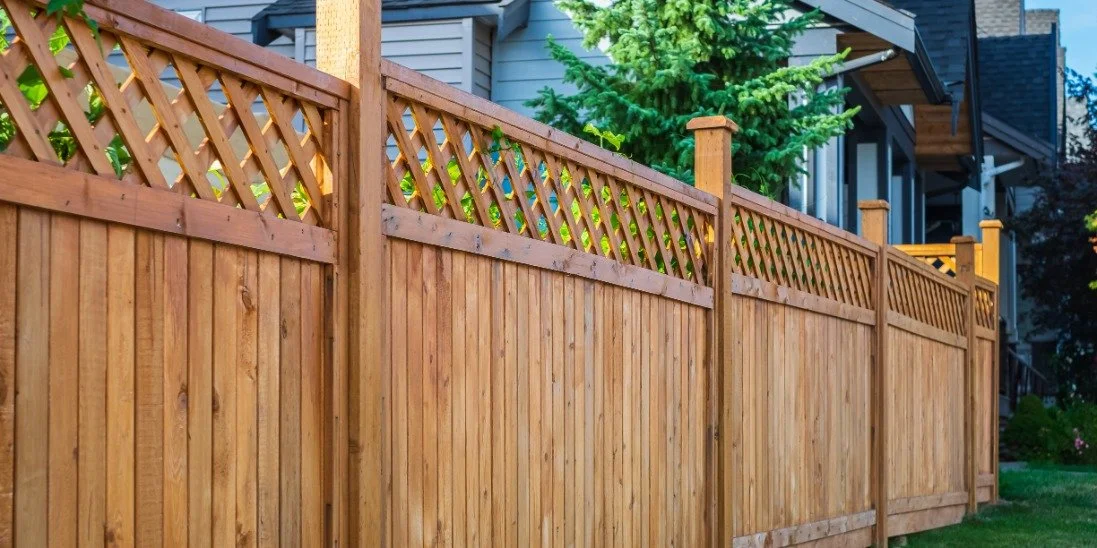
Adding a fence can transform how you use your outdoor space while giving your property a more finished appearance. A well-planned fence creates clear boundaries and can make an open yard feel more comfortable for everyday activities. Homeowners can select materials and designs that complement their houses while addressing practical needs. Understanding the benefits of adding a fence to your backyard can help you determine how this improvement could make your outdoor area more functional and enjoyable.
Create More Privacy at Home
Privacy remains one of the main reasons homeowners install backyard fences. An open yard can leave patios and gathering spaces visible to neighbors or people passing by. A solid or semi-private fence creates a visual barrier that makes these areas feel more secluded.
Greater privacy may encourage you to spend more time outside. You can relax on the patio or enjoy meals outdoors without feeling as exposed to surrounding properties. A fence establishes a personal area without requiring you to redesign the entire landscape.
Consider nearby sightlines when choosing the height and style of your fence. The right design can block unwanted views while maintaining the atmosphere you want throughout the backyard.
Give Children a Defined Place To Play
A fenced backyard creates a clear area where children can play. The physical boundary separates the yard from nearby streets and neighboring properties. Parents can also establish outdoor rules more easily when children can clearly see where their play area ends.
A fence does not replace adult supervision, but it can add separation between children and areas they should avoid. Gates with dependable latches help maintain that boundary as household members enter or leave.
Creating a defined play space can also help you organize outdoor equipment. You can arrange toys or play structures within the enclosure and dedicate other portions of the property to different purposes.
Make Outdoor Time Easier With Pets
Dogs can benefit from having an enclosed outdoor area where they can move without remaining on a leash. A suitable fence gives pets room to play while limiting their access to roads or neighboring yards. It may also prevent pets from approaching unfamiliar animals nearby.
Choose a fence based on your pet's behavior and physical abilities. Some dogs can jump over low barriers, while others may dig underneath them. Proper installation helps eliminate gaps that could provide escape routes.
Regular maintenance also keeps the enclosure dependable. During repairs, learning the differences between fence pliers and standard pliers can help you select a suitable tool when working with fence wire or related hardware.
Define Your Property Boundaries
A fence creates a visible division between your backyard and adjoining properties. Clear boundaries can prove especially useful when neighboring lawns blend together without obvious markers.
Confirm your legal property lines before starting construction rather than relying on existing landscaping. Local regulations may also affect fence placement or allowable height. Checking these requirements early can prevent complications during installation.
Once installed, the fence provides a clear perimeter for future landscaping. You can position garden beds or other outdoor features with greater confidence because you know exactly where your usable backyard space ends.
Improve Your Backyard's Appearance
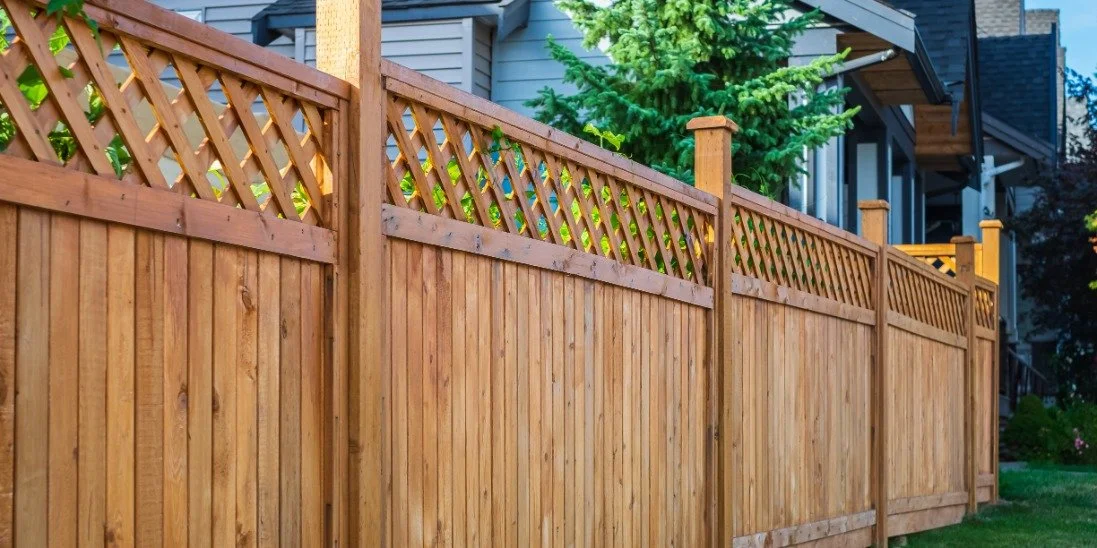
The right fence can become an attractive architectural feature rather than simply serving as a boundary. Different materials offer distinct appearances, allowing homeowners to choose a design that complements their home's exterior.
Consider existing architectural details when selecting your fence. Coordinating the fence with your home's overall character helps the structure look intentional instead of appearing like an unrelated addition. Board spacing and decorative details can further influence its appearance.
Fencing can also create an appealing backdrop for landscaping. Plants may stand out more clearly against a defined perimeter, giving the backyard a polished look without requiring an extensive renovation.
Create Distinct Outdoor Areas
Many backyards serve several purposes. You might use one section for dining while dedicating another area to gardening. Strategic fencing can help separate these spaces when your property's layout needs more structure.
You do not need tall panels around every section. Short decorative fencing or carefully positioned panels can visually divide areas while preserving an open feeling.
These divisions can solve practical problems as well. You might use fencing to keep pets away from a vegetable garden or prevent children from entering certain areas. A thoughtful layout allows each part of the backyard to support a specific purpose.
Add a Greater Sense of Security
Fencing can give homeowners more control over access to their backyards. Rather than leaving the property approachable from several directions, a fence can guide visitors toward designated gates. This physical barrier may also discourage people from casually entering private outdoor areas.
Gate placement plays an important role in maintaining convenient access. Position entrances where household members can reach them easily without compromising the enclosure. Quality hardware also helps gates close securely after each use.
Consider visibility when selecting your fence design. Solid fencing offers greater privacy, while more open styles preserve views beyond the property. Your preferred level of visibility should reflect how you use the backyard.
Minimize Visual Distractions
Depending on its design, a fence can reduce visual distractions from surrounding properties. Solid panels may conceal neighboring equipment or other features that draw attention away from your own outdoor space.
Certain fence designs may also soften some outside noise, although homeowners should not expect fencing to eliminate sound completely. Combining a substantial fence with landscaping may make nearby activity feel less intrusive.
Reducing surrounding distractions can make your backyard feel more cohesive. A defined perimeter naturally directs attention toward your landscaping and outdoor living areas rather than nearby properties.
Support Future Outdoor Improvements
A fence can provide a framework for additional backyard projects. Once you establish a perimeter, you can plan patios or seating spaces around a clearly defined boundary. Knowing the available space can simplify decisions about future improvements.
Some fences can also support decorative additions such as climbing plants or outdoor lighting when their construction allows it. These features give you opportunities to personalize the backyard over time.
Think about future projects before installing your fence. Properly positioned gates can preserve access for landscaping equipment, while a thoughtful layout can accommodate changes you plan to make later.
Create a Backyard That Fits Your Needs
Every household uses its outdoor space differently, so your fence should reflect your priorities. Consider your daily activities before selecting the material, height, and location of the enclosure.
The benefits of adding a fence to your backyard go beyond establishing a property line. A thoughtfully designed fence can create privacy and improve how your outdoor space functions. With careful planning, your new fence can become an attractive part of the property that supports how your household enjoys the backyard for years to come.

5 Tips for Smoother Home Decluttering
Decluttering your home can make it more comfortable, organized, functional, and manageable. A clear plan will help you make steady progress while keeping unnecessary stress and mess under control, turning overwhelming spaces into organized sanctuaries.
Decluttering your home can make it more comfortable, organized, functional, and manageable. A clear plan will help you make steady progress while keeping unnecessary stress and mess under control, turning overwhelming spaces into organized sanctuaries.
This article will share five tips that will help you undertake a smoother, more manageable home decluttering!
Set Clear Decluttering Goals Before You Start
Before opening a single closet, decide what you want to accomplish. Decluttering an entire home at once can feel like a huge undertaking, so focus on a specific area or goal first. You might want to clear an overcrowded bedroom. Or if you’re looking into creating more usable space, you might want to clear your garage space or your bedroom to make room for a workshop or an office. Having a defined purpose makes it easier to decide which belongings to keep or let go.
Give yourself a realistic timeframe, too. A weekend may be enough for a small room, while larger projects might take longer. Working methodically can help you stay focused and prevent you from simply shifting the chaos around or creating yet another overwhelming pile of unsorted belongings.
Sort Household Items With Consistent Criteria
Once you choose an area, establish a simple system for deciding what stays and what goes by considering which items are regularly used, emotionally meaningful, difficult to replace, or genuinely worth keeping. If something has been sitting untouched for years and has no practical or sentimental value, it may be a good candidate for removal.
Consistency is important here. Decluttering often becomes difficult when every item receives a completely different standard, so set aside belongings you plan to keep, donate, recycle, or discard as you work. Be thoughtful with sentimental possessions, as emotional attachment makes decisions harder. You do not need to eliminate everything nonessential - the goal is to create a home where the belongings you keep have a clear purpose.
Work Through One Area at a Time
Decluttering is easier to manage when you contain the work to one area before moving somewhere else. Starting with a single closet or room gives you a visible sense of progress, which can make it easier to continue, keeping you motivated to cross the finish line without burning out. It also prevents items from being moved around the house without actually leaving the property.
Begin with areas that tend to collect unnecessary belongings. Storage closets and garages can become especially challenging because they often hold items that have been forgotten over time. Then, break larger spaces into manageable sections. Once one section is finished, clean the cleared space before moving forward to make the results feel more immediate.
Rent a Trash Dumpster for Larger Cleanouts
Some decluttering projects produce far more waste than a household trash bin can accommodate. This is particularly common when you are clearing out a garage, basement, attic, or several rooms at once, as years of accumulated items and outdated materials can quickly overwhelm your standard disposal options. In these situations, a trash dumpster rental can provide a convenient place to collect discarded household materials throughout the project.
Choosing an appropriately sized dumpster can help you avoid overflowing trash containers and repeated trips to a disposal facility. Before renting, estimate how much material you expect to remove. Also, check which items the provider accepts, as certain materials may have special disposal requirements. A dumpster can also help establish a clear endpoint for the decluttering process by having a designated place for permitted waste as you work.
Create a Plan for Items Leaving Your Home
Decluttering does not end when you decide what you no longer need - you also need a practical plan for getting those belongings out of your home. Items that can be donated should be separated from materials that need to be recycled or discarded, while anything you intend to sell should have a reasonable deadline, so they don't linger for months and quietly turn back into clutter.
Schedule drop-offs or pickups as soon as possible, and arrange disposal for items that cannot be reused, so that your hard work results in a genuinely cleaner space.
Conclusion
A smoother home decluttering project starts with realistic goals and a consistent process. By working through manageable areas and arranging appropriate disposal for unwanted materials, you can reduce the stress that often comes with a major cleanup.
Take the process one area at a time, and the results will become easier to see.