
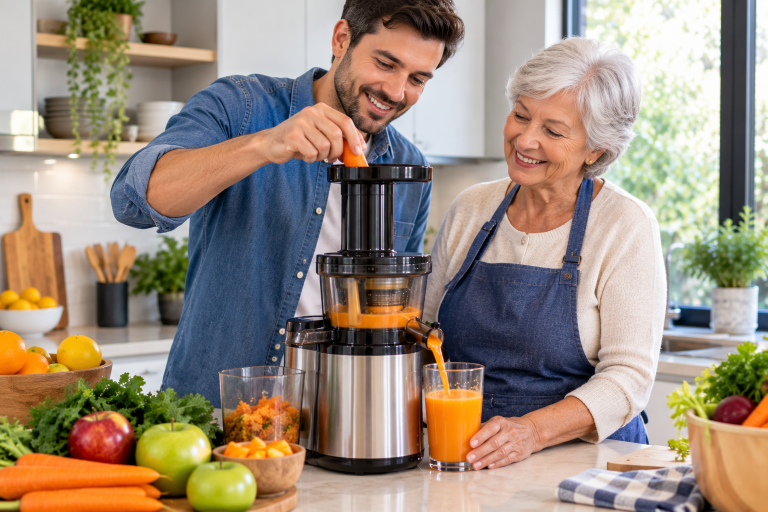
Ever wondered why your morning juice from the café tastes so much better than anything you've made at home? Have you noticed more and more Australians ditching their old juicers for something called a cold press machine? And what's all the fuss about "cold pressed" anyway?
If you've been curious about making fresh, nutrient-packed juice in your own kitchen, you're not alone. Cold press juice machines have become incredibly popular across Australia, and for good reason. These clever appliances promise better taste, more nutrients, and less waste than traditional juicers. Whether you're a health enthusiast, a busy parent, or simply someone who loves a refreshing glass of fresh juice, understanding what makes cold press technology special could change the way you think about homemade drinks.
In this guide, we'll explore everything you need to know about cold press juice machines. From how they work to what you can make with them, we'll cover the benefits, costs, cleaning tips, and even common mistakes to avoid. By the end, you'll have all the information you need to decide if a cold press juice machine is right for your lifestyle. Let's get stuck into it!
What Is a Cold Press Juice Machine and How Does It Work?
The Science Behind Cold Press Technology
Cold press juice machines, also known as masticating or slow juicers, work quite differently from the juicers you might have grown up with. Instead of using high-speed spinning blades, these machines use a slow-turning auger to crush and press fruits and vegetables.
The auger rotates at around 40-80 RPM, gently squeezing the produce against a screen. This process extracts juice without generating the heat and friction that comes with traditional methods. Because there's minimal heat involved, the vitamins, enzymes, and antioxidants in your ingredients stay intact.
Think of it like squeezing an orange by hand versus putting it in a blender. The gentle pressure preserves what makes fresh juice so good for you.
Cold Press vs Centrifugal Juicers: What's the Difference?
Centrifugal juicers are the traditional type you'll find in most Australian households. They use fast-spinning blades to shred produce and separate juice through centrifugal force. While they're quick and often cheaper, they introduce heat and oxygen into your juice.
Cold press machines take longer to produce juice, but the results speak for themselves. You get more juice from the same amount of produce, better flavour, and juice that stays fresh longer. The slower process also means these machines run quieter, which is brilliant if you're making an early morning juice without waking the whole house.
Benefits of Making Homemade Juice with a Cold Press Machine
Maximum Nutrient Retention
The biggest advantage of cold pressing is nutrient preservation. Heat and oxidation from fast juicers can destroy up to 60% of the vitamins and enzymes in your produce. Cold press technology keeps these intact, giving you juice that's genuinely good for your body.
You'll get more vitamin C, more antioxidants, and more of those beneficial enzymes that support digestion. It's the closest thing to eating whole fruits and vegetables, just in liquid form.
Better Taste and Fresher Flavour
Anyone who's compared cold pressed juice to centrifugal juice notices the difference immediately. Cold pressed juice tastes cleaner, crisper, and more like the actual fruit or vegetable it came from. There's no bitter aftertaste or odd cooked flavour.
The lack of oxidation means the natural flavours shine through. Your apple juice tastes like fresh apples, and your carrot juice has that sweet, earthy quality that makes it genuinely enjoyable to drink.
Longer Shelf Life for Your Fresh Juice
Because cold pressed juice contains less oxygen, it stays fresh much longer. While centrifugal juice should be drunk within minutes, cold pressed juice can last up to 72 hours in the fridge when stored properly in airtight containers.
This makes batch juicing practical. You can prep several days' worth of juice on a Sunday afternoon, saving time during busy weekday mornings.
Less Waste, More Juice
Cold press machines are remarkably efficient at extracting every last drop. The pulp that comes out is noticeably drier than what you'd get from a centrifugal juicer. This means you're getting more juice from the same amount of produce, which adds up to real savings over time.
Plus, the drier pulp is easier to repurpose in baking, smoothies, or compost.
Is a Cold Press Juicer Worth the Money?
Upfront Cost vs Long-Term Savings
Cold press juicers typically cost more than centrifugal models, ranging from $200 for budget options to over $700 for premium machines. It's a significant investment, but the maths often works in your favour.
Consider how much you spend on bottled cold pressed juice at the supermarket or juice bar. A single bottle can cost $8-$12. Making juice at home costs a fraction of that, especially when you buy produce in bulk or on special.
Who Benefits Most from Owning One?
If you juice regularly, a cold press machine makes sense. Families with kids who need encouragement to eat their vegetables, fitness enthusiasts focused on nutrition, or anyone managing a health condition through diet will get the most value.
For someone who might juice once a month, a cheaper centrifugal juicer could be more practical. Honestly assess your habits before making the purchase.
What Can You Make in a Cold Press Juice Machine?
Popular Fruit and Vegetable Combinations
The classic combinations work brilliantly:
Apple, carrot, and ginger for a sweet morning boost
Cucumber, celery, and lemon for refreshing hydration
Beetroot, apple, and orange for an earthy-sweet drink
Spinach, pineapple, and mint for a green juice that actually tastes good
Leafy greens like kale and spinach juice particularly well in cold press machines, something centrifugal juicers struggle with.
Nut Milks, Sorbets and Beyond
Many cold press juicers come with attachments for making nut milks from almonds, cashews, or oats. Simply blend soaked nuts with water and run through your machine for creamy, additive-free milk.
Some models also make frozen fruit sorbets, pasta, and even baby food. Check what attachments come with your chosen model to maximize its versatility.
How to Choose the Best Cold Press Juicer for Your Needs
Key Features to Look For
When shopping, consider these factors:
Motor Power: Look for at least 150 watts for efficient juicing
Chute Size: Wider chutes mean less chopping prep
Build Quality: Stainless steel components last longer
Noise Level: Important for early morning use
Warranty: Quality brands offer 5–10-year warranties
Budget-Friendly Options vs Premium Models
Budget options around $200-$300 get the job done but may have smaller chutes and shorter warranties. They're perfect for occasional users or anyone testing whether juicing fits their lifestyle.
Premium models from brands like Hurom, Kuvings, and Omega offer superior build quality, larger capacities, and better juice yield. If you're committed to daily juicing, the investment pays off.
Best Cold Press Juicers Available in Australia
Popular choices in the Australian market include the Kuvings EVO820, Hurom H-AA, and the more affordable Bio Chef Axis. Each offers different strengths depending on your priorities, whether that's speed, capacity, or price point.
Are Cold Press Juicers Easy to Clean?
Cleaning Tips and Time-Saving Hacks
Cleaning is often the biggest concern for potential buyers. The good news? Modern cold press juicers are designed with fewer parts and dishwasher-safe components.
Quick tips to make cleaning painless:
Rinse parts immediately after juicing before pulp dries
Keep a small brush near your juicer for the mesh screen
Run water through the machine between different produce
Soak stubborn pulp in warm soapy water for 10 minutes
Most machines take under five minutes to clean once you've got a routine down.
How Long Does Cold Pressed Juice Last?
Fresh cold pressed juice keeps well for 48-72 hours when stored in airtight glass containers in the fridge. Fill containers to the top to minimise air exposure and always use clean jars.
For longer storage, you can freeze juice in ice cube trays and defrost portions as needed. While freezing affects texture slightly, the nutrients remain largely intact.
Common Mistakes to Avoid When Using Your Cold Press Juicer
New juicers often make these errors:
Feeding Produces Too Quickly: Let the machine work at its own pace
Not Alternating Soft and Hard Produce: Hard items help push soft ones through
Skipping The Strainer: Some machines need pre-straining for smoother juice
Forgetting To Prep Properly: Remove stones, seeds, and tough stems
Overloading With Leafy Greens: Wrap leaves around harder produce for better extraction
Avoiding these mistakes helps your machine run smoothly and extends its lifespan.
Start Your Homemade Juicing Journey Today
Making fresh juice at home with a cold press machine is genuinely rewarding. You control exactly what goes into your drinks, save money compared to shop-bought alternatives, and enjoy juice that tastes remarkably better than anything from a bottle.
The initial investment might seem steep, but for anyone serious about nutrition and fresh flavours, a cold press juicer quickly proves its worth. Whether you're creating simple apple juice for the kids or experimenting with complex green blends, these machines deliver consistently excellent results.
So, are you ready to transform your kitchen and your health? Start researching models that fit your budget, clear some bench space, and get excited about making genuinely delicious homemade juices. Your taste buds—and your body—will thank you for it!