
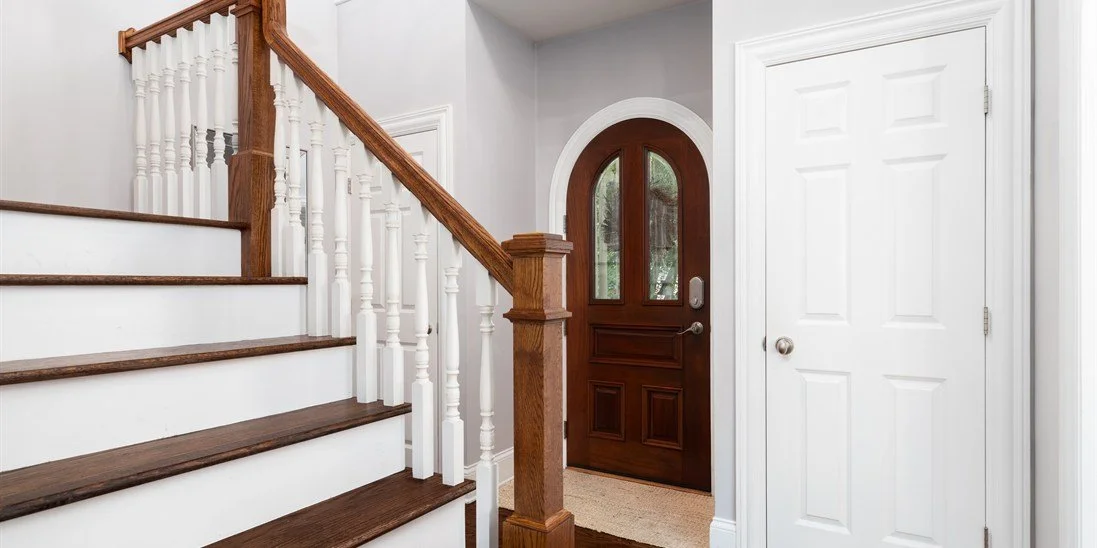
Going up and down the stairs multiple times a day is inevitable. Between hurrying downstairs for work and carrying a basket of laundry upstairs, all it takes is a slippery step for the situation to become disastrous.
Several design choices can make the staircase feel secure for everyone. Whether you’re renovating or updating a few details, these modern staircase safety features are worth considering for your home.
Choose Solid and Sturdy Railings
When someone loses their footing on the stairs, their first instinct is usually to grab the handrail. Imagine reaching for it with a full laundry basket in one arm, only to feel the railing shift under your hand. That’s a scary situation, and it’s a good reason to pay attention to how firmly the handrail attaches to the wall or staircase.
Sturdy mounting brackets and secure connections prevent unwanted movement when someone puts weight on the rail. One of the things to consider when updating indoor metal handrails is whether the mounting points offer enough stability for routine use. A continuous handrail with a smooth, graspable shape is another thoughtful detail, since children and adults benefit from having something dependable to hold throughout the staircase.
Pick Stair Treads That Prevent Slipping
Hardwood stairs look beautiful in a home, but anyone who’s walked down them wearing socks knows how slippery they sometimes feel. Young children don’t always think about slowing down, and a smooth surface makes it difficult to regain their footing after a misstep. Choosing a material with some natural traction gives everyone a secure place to plant their feet.
Textured wood finishes and slip-resistant stair coverings are practical options that don’t have to sacrifice style. Carpet offers a soft surface, although it needs to remain firmly attached to the steps. If you love the appearance of exposed hardwood, discreet traction strips provide grip in areas where feet naturally land. Whatever material fits your home’s design, the walking surface should feel consistent from one step to the next.
Keep Carpet Runners Smooth and Secure
A staircase runner brings a cozy feeling to the home, and it’s wonderful for quieting footsteps when the kids are running around upstairs. Unfortunately, a runner that wrinkles or shifts underfoot quickly becomes a problem. Loose fabric might catch the toe of a shoe, or a child could trip over a raised corner when heading downstairs.
Proper installation makes a noticeable difference in how securely a runner sits against the steps. The material should lie flat across each tread, with firmly attached edges that don’t curl upward. Check the condition occasionally, since regular foot traffic gradually wears down carpet fibers and loosens weak attachments.
Make Sure That Every Step Is Even
Have you ever walked down a staircase and suddenly stumbled because one step felt taller than the others? Your feet naturally expect the same distance between steps, so an unexpected height difference disrupts your balance. For young children who are still learning to navigate stairs, those inconsistencies become another challenge.
Uniform step heights and tread depths make walking up and down feel predictable. Old homes sometimes have staircases with irregular dimensions. If one step feels noticeably unusual, it’s worth having a qualified contractor examine the staircase. Covering uneven steps with carpet won’t correct the underlying problem, and a proper assessment will determine whether structural adjustments are necessary.
Select Railings With Child-Friendly Spacing
Little kids have a talent for finding spaces that adults would never think to squeeze through. The openings between staircase balusters are no exception, and gaps that seem harmless to grown-ups might pose a serious risk to a curious toddler. Closely spaced vertical posts provide a protective barrier along the open side of the stairs.
Many residential building codes follow a four-inch sphere rule for openings in stair guards, although exceptions and local requirements vary. Beyond spacing, consider whether the railing design invites climbing. Horizontal bars might look stylish, but they give adventurous children convenient footholds. Vertical balusters discourage that behavior and maintain a design that works beautifully in many family homes.
Add Lighting That Brightens Every Step
Early mornings are busy enough when everyone’s trying to get dressed, pack lunches, and find missing shoes. Navigating a dim staircase adds unnecessary stress, particularly when someone is carrying a basket or holding a sleepy toddler. Good lighting makes the edges of the steps visible.
Wall-mounted fixtures and recessed step lights are attractive choices for illuminating a modern staircase. Motion-activated lighting is convenient for nighttime trips between floors, since nobody has to search for a switch in the dark. Position fixtures to distribute light evenly, avoiding harsh glare that makes the steps difficult to distinguish.
Leave Enough Room on Stair Landings
Picture trying to carry a bulky laundry basket upstairs while someone else heads down to grab a snack. If the landing feels cramped, passing each other or turning toward a nearby hallway becomes awkward. Adequate landing space gives family members room to adjust their position before approaching the steps.
Furniture placement influences how accessible these areas feel. A decorative bench or storage cabinet might look lovely near the staircase, but it shouldn’t interfere with foot traffic or block access to the handrail.
Install Safety Gates for Little Ones
Toddlers are curious about everything, and stairs become an exciting destination once they discover how to climb. Even if your child has practiced taking steps with assistance, independent trips up or down the staircase present serious risks. A properly installed safety gate prevents little explorers from approaching the stairs without supervision.
For the top of a staircase, choose a hardware-mounted gate specifically approved for that location. Pressure-mounted models aren’t appropriate there because sufficient force could dislodge them. A secure latch and a design that discourages climbing are equally worthwhile features. Remember that gates complement adult supervision, and following the manufacturer’s age and developmental guidance is essential as children grow.
Keep Toys Away From the Stairs
Somehow, the staircase always seems to collect the things everyone intends to put away later. A stuffed animal waits halfway upstairs, someone’s sneakers sit on the bottom step, and a backpack ends up near the landing. It’s understandable in a busy household, but these little obstacles pose tripping hazards.
Instead of letting the stairs become a temporary storage area, designate a convenient spot nearby for belongings that belong on another floor. A basket in the hallway works nicely, provided it doesn’t obstruct the walking space. Encourage the kids to put their toys away after playing, and make clearing the stairs part of the family’s evening routine. Small habits like these prevent clutter from taking over.
Improve Your Staircase’s Safety
A staircase doesn’t have to look clinical or overly cautious to accommodate a busy family. Beautiful finishes and thoughtful design details can fit naturally into a home where children play, parents juggle responsibilities, and everyone appreciates a space that feels welcoming.
As your kids grow and your household routines change, take another look at the safety features for modern staircases throughout your home. Whether you’re replacing a worn runner or addressing an unsteady railing, a little attention to the areas your family uses regularly contributes to a home that feels inviting and secure.