
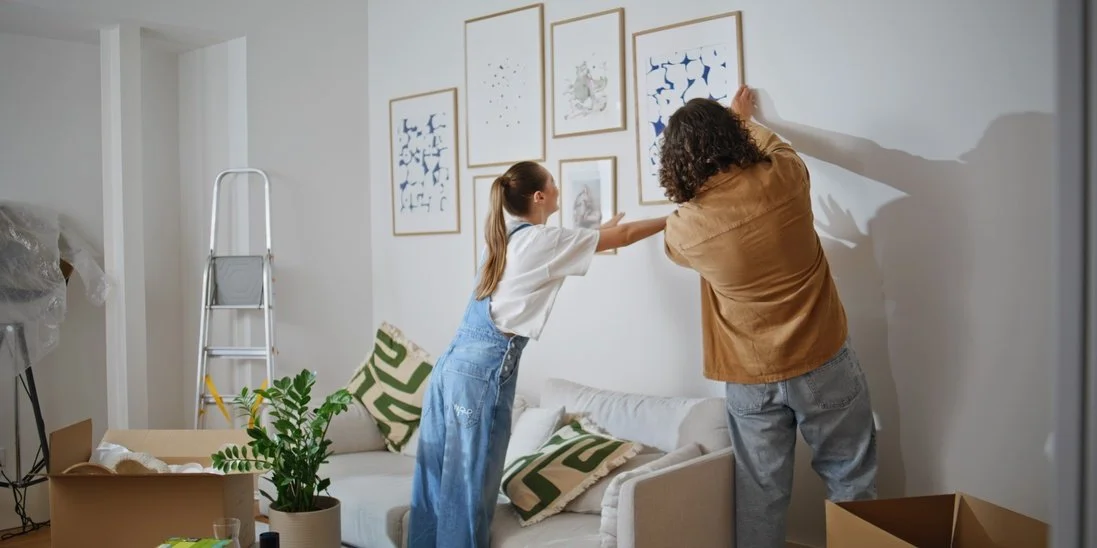
Between work schedules, school activities, grocery shopping, and the endless rotation of household responsibilities, decorating can feel like another project demanding immediate attention. Social media doesn’t necessarily help, especially when beautifully finished rooms appear after a few seconds of dramatic before-and-after footage. However, the growing appeal of slow decorating at home reflects a refreshing shift toward creating spaces gradually rather than rushing to complete every detail. For busy families, this approach offers a more realistic way to develop a comfortable home without unnecessary spending or pressure.
Slow decorating encourages homeowners to make thoughtful decisions based on how they actually live. Instead of purchasing everything at once, families can observe their routines, identify practical needs, and introduce changes over time. This approach works particularly well for working mothers who want welcoming spaces without sacrificing entire weekends to decorating projects. The result is a home that evolves alongside the people who live there.
Why Decorating Doesn’t Need a Deadline
Traditional decorating advice often presents home improvement as a project with a definite beginning and end. Homeowners select a color palette, purchase furniture, arrange accessories, and reveal the finished room. Although this approach works for some households, it can create unnecessary pressure for families managing competing priorities. Slow decorating removes the expectation that every space must look complete immediately.
A living room might function perfectly well with comfortable seating and adequate lighting while its owners search for the right artwork. Similarly, a bedroom doesn’t require matching furniture or elaborate accessories to feel peaceful. Allowing these spaces to develop naturally gives homeowners time to understand what they genuinely enjoy. Sometimes living with an unfinished room reveals better ideas than an afternoon of hurried shopping.
Start With the Way Your Family Lives
Before purchasing anything new, spend a few days observing how your household uses each room. Notice where backpacks accumulate, which chairs everyone gravitates toward, and whether certain surfaces attract unnecessary clutter. These everyday patterns provide valuable information about what the space needs to function better. Decorating becomes more satisfying when the design supports established habits rather than fighting against them.
For example, a family that regularly gathers around the kitchen island might benefit more from comfortable stools than additional dining room decorations. A busy entryway might need accessible storage before it needs a decorative mirror. Working mothers can also consider which household routines create the most frustration during mornings and evenings. Addressing those practical challenges first makes later decorative improvements feel more meaningful.
Let Lighting Influence Your Decorating Decisions
Lighting has a powerful influence on how a room feels throughout the day. Natural sunlight can make a space appear open and cheerful, while softer evening lighting encourages relaxation. Instead of selecting decorative accessories immediately, consider how different lighting conditions affect the atmosphere. A room that feels inviting at noon might need additional attention after sunset.
Families can experiment with layered lighting by combining overhead fixtures, table lamps, and carefully positioned accent lights. Anyone looking to maximize ambient light safely in a small living space should consider furniture placement, stable lighting surfaces, and appropriate clearance around heat-producing fixtures. Candles can provide a welcoming glow, but families should keep open flames away from children, pets, curtains, and other combustible materials. Flameless alternatives and properly positioned electric lighting can offer similar atmosphere with fewer fire-related concerns.
Discover the Benefits of Decorating in Layers
One of the most appealing aspects of slow decorating involves building a room through manageable changes. Instead of treating furniture, textiles, artwork, and accessories as one enormous shopping list, homeowners can introduce them gradually. Each addition provides an opportunity to evaluate how the space looks and functions. This approach also helps prevent the common mistake of buying several items that don’t work well together.
Begin with the larger elements that establish a room’s purpose, such as seating, storage, and lighting. Once those pieces feel comfortable, consider smaller details that introduce color or texture. A washable throw blanket might soften a family room, while a framed photograph can personalize an otherwise simple hallway. Giving each addition time to settle into the space helps homeowners recognize when a room already has enough.
Choose Purchases That Deserve a Place in Your Home
Decorating gradually gives families more time to evaluate purchases before bringing them home. Instead of buying an accessory because it looks attractive in a store, consider whether it complements existing furniture and serves a meaningful purpose. This doesn’t mean every decorative item must have a practical function. Personal enjoyment and sentimental value are equally legitimate reasons to keep something.
Before making a purchase, consider asking these simple questions:
Will this item improve how the room looks, feels, or functions?
Does it complement pieces the household already owns?
Can the family maintain or clean it without additional stress?
Is there a suitable place for it without creating clutter?
Would waiting another month change the purchasing decision?
Such questions encourage thoughtful spending without turning decorating into an overly complicated process. Families can still enjoy spontaneous discoveries at antique shops, local markets, or neighborhood sales. The difference involves choosing items because they genuinely belong in the home rather than because a particular trend suggests they’re necessary. Over time, these decisions create rooms with more personality and fewer unnecessary purchases.
Find Satisfaction in the Unfinished Spaces
One of the biggest adjustments involved in slow decorating is learning to appreciate a room before every detail feels complete. Empty walls, mismatched furniture, or temporary arrangements don’t necessarily indicate poor design. They may simply reflect a household that prefers thoughtful decisions over immediate results. Giving yourself permission to wait can make the decorating process considerably more enjoyable.
The appeal of decorating slowly at home comes from recognizing that comfortable, beautiful spaces don’t require constant shopping or dramatic transformations. Busy families can make meaningful improvements through careful observation, practical organization, and occasional purchases that genuinely enhance daily life. Every room can evolve at a pace that respects the household’s schedule, budget, and changing needs. A welcoming home isn’t necessarily one that looks finished, but one that feels increasingly comfortable for the people who live there.