
We partnered with a cleaning company. for this post. The opinions in the post are honest. All reviews and opinions expressed in this post are based on our personal views. We are excited because we know you will love it.
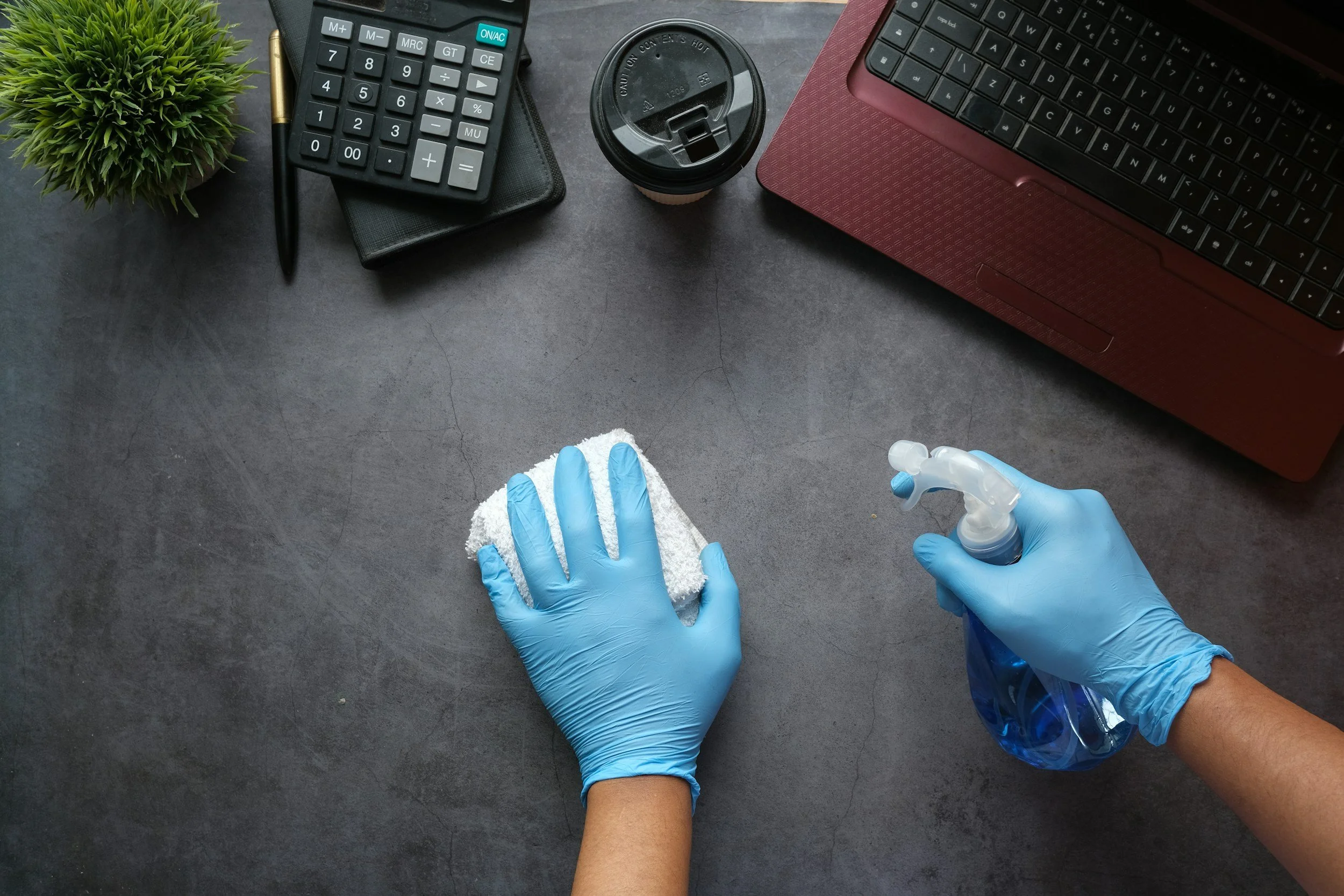
Shared workspaces have a way of drifting. A kitchen that was spotless on Monday is sticky by Thursday, the meeting room whiteboard still shows last month's brainstorm, and nobody can remember when the fridge was last emptied. The problem is rarely that people do not care. It is that without a rhythm, every task is either everyone's job or no one's. The fix that works in homes works just as well in offices, studios and co-working spaces: a cleaning calendar that assigns each task a frequency and, ideally, an owner. Here is a practical version you can adapt, along with a note on which jobs are better handed to professionals.
Start by Mapping the Zones
Before deciding how often to clean anything, walk the space and list its zones. A typical small office breaks down into entry and reception, open desk areas, meeting rooms, kitchen or break area, bathrooms, storage, and any specialised rooms such as a studio or server cupboard. Each zone has different traffic, different surfaces and different hygiene stakes. Bathrooms and kitchens need attention daily. A storage room may only need a quarterly tidy. Mapping first prevents the common mistake of applying one schedule to everything, which leads to over cleaning the quiet areas and under cleaning the busy ones.
Daily: The Ten Minute Reset
Daily tasks are about hygiene and preventing build up, not deep cleaning. In most shared spaces they include wiping kitchen benches and the microwave door, emptying the dishwasher or clearing the sink, taking out food waste, wiping bathroom basins and restocking soap and paper, clearing meeting room tables, and a quick visual check of the entry area. The trick is to make this a defined end of day routine lasting ten minutes rather than an open ended expectation. A printed checklist by the kitchen or a rotating roster works better than a general plea to "leave it as you found it".
Weekly: Surfaces and Floors
Once a week, the space needs a proper surface clean. Desks and shared tables get wiped, including the undersides of edges where hands rest. Phones, keyboards and door handles are disinfected, since these carry the highest microbial load in most offices. Floors are vacuumed or mopped throughout, bins are washed out rather than just emptied, and the fridge is checked for anything past its date. Glass on doors and partitions gets a wipe. In a busy space this is usually the point where an in house roster stops being realistic and a provider of commercial cleaning services in Auckland, or your local equivalent, is brought in on a weekly contract, with the daily reset remaining the team's responsibility.
Monthly: The Things Nobody Sees
Monthly tasks address the slow accumulators. Skirting boards, window sills and the tops of cabinets collect dust that eventually circulates. Air conditioning vents and filters need wiping or replacing according to the manufacturer's guidance. Light fittings and switches get cleaned. Upholstered chairs are vacuumed. The fridge and microwave get an interior deep clean rather than a wipe. Supply cupboards are checked and reordered. Monthly is also a good moment to look at the space with fresh eyes and notice what has crept in: the box that has lived by the printer for six weeks, the broken chair nobody reported.
Quarterly and Seasonal: Carpets, Windows and the Big Jobs
Some tasks are too disruptive or too specialised to do more than a few times a year. Carpet is the obvious one. Regular vacuuming removes surface debris, but soil, oils and allergens work their way into the pile over time, dulling the colour and shortening the carpet's life. Most manufacturers and facility guidelines suggest a professional hot water extraction clean every three to six months in a working office, more often in high traffic entrances. Because the carpet needs several hours to dry, this is usually scheduled for a weekend or evening through a specialist in commercial carpet cleaning in Auckland or your local equivalent, often alongside hard floor stripping and resealing. External windows, high dusting of ceiling fixtures, pressure washing of entrances, and the annual fridge and pantry purge all belong in this tier too.
Assign Owners, Not Just Tasks
A calendar with frequencies but no names will still drift. For daily and weekly tasks handled in house, a rotating roster posted somewhere visible spreads the load fairly and makes gaps obvious. For anything contracted out, one person should own the relationship: confirming the schedule, walking through after a clean occasionally, and raising issues promptly. Where a space is shared between several businesses, agree on this in writing at the start, because it is the single most common source of friction in co-working arrangements.
Deciding What to Outsource
There is no single right split between in house effort and contracted help. Very small teams in a single room often manage everything themselves apart from the quarterly carpet clean. Larger or busier spaces tend to hand over the weekly surface and floor work as well, because the time it takes staff adds up quickly and the standard tends to slip. A useful test is to cost an hour of a team member's time against the quote for the same job done professionally, and to be honest about whether the in house version is actually happening. Many operators of shared spaces settle on a hybrid: the team handles the daily reset, a regular office cleaning in Auckland service or its local equivalent handles weekly and monthly work, and specialists are booked for the seasonal jobs.
Make the Space Easier to Keep Clean
Finally, the best cleaning schedule is the one with less to clean. A few organising choices reduce the workload permanently. Give every item a home, with labelled storage for shared supplies so things go back rather than piling on benches. Keep desk surfaces clear by policy, which makes weekly wiping a thirty second job instead of a negotiation. Use door mats at every entrance to cut the soil that reaches the carpet. Put a bin and a recycling station within a few steps of every work zone. Provide cleaning wipes in the kitchen and meeting rooms so small messes are dealt with immediately. None of these are complicated, and together they turn the calendar from a chore into a quick routine that keeps the space pleasant for everyone who uses it.
Editorial contribution by Elliott SEO Auckland