
What your storage unit says about your decision-making
What can your storage unit reveal about your choices?
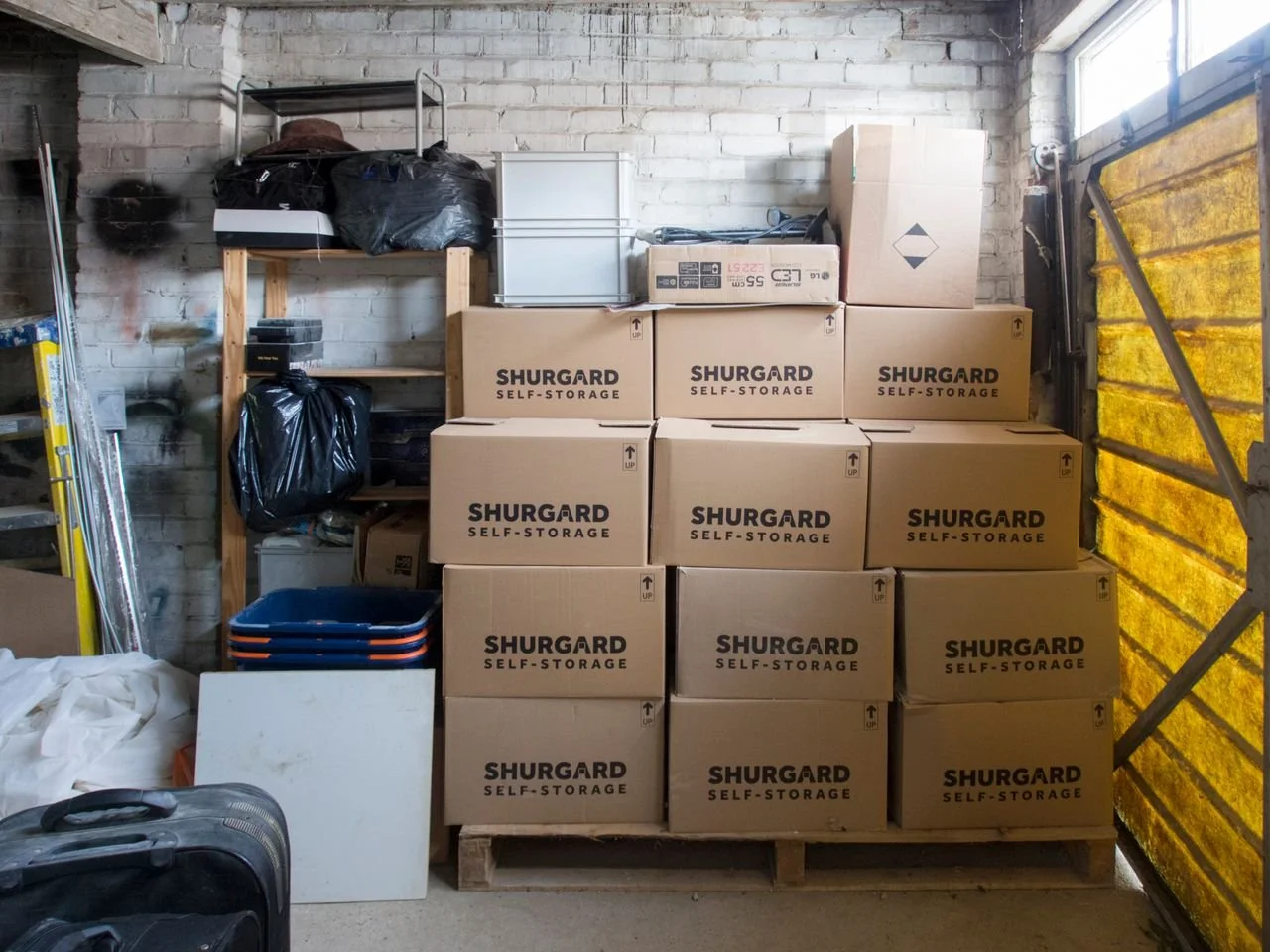
Storage units can be useful during many changes. You may need one while moving to a new home. It can also help during renovations or downsizing. Some people use storage during long trips. Others need extra space after a major family change. Some move often and need one to coordinate everything. Renting a unit does not mean you planned poorly. In many cases, it is simply a practical choice.
Still, the way you use that space may reveal certain habits. It can show how you respond to pressure or uncertainty. It may also highlight decisions you have postponed. Some people rent storage with a clear purpose and end date. Others keep paying because every box requires another choice. Understanding what your storage unit says about your decision-making can reveal useful patterns. The goal is not judgment. It is clarity.
Are you using storage to delay difficult decisions?
Sometimes, storage gives you valuable breathing room. That can help after a rushed move or sudden renovation. It may also help after a death, divorce, or family change. In those moments, you may need time before making permanent choices. There is nothing wrong with that.
However, temporary storage can become permanent without much notice. A few months can turn into several years. Meanwhile, the original reason for storing each item may disappear. Start with a simple question: Why did this item enter storage? Possible reasons include:
You lacked space at the time.
Your family could not agree about it.
You expected to move into a larger home.
Now ask whether that reason still applies. The answer may make your next step much clearer.
Does keeping everything protect you from future regret?
Many people keep belongings because they fear needing them later. A spare table might seem useful someday. Old clothes may feel worth saving. You may also worry about replacement costs. These concerns are understandable. However, possible usefulness is not the same as a realistic plan.
Ask when you last used the item. Then think about when you might use it again. “Next winter” gives you a clear timeline. “Someday” does not. Important items also deserve careful packing before storage. Use sturdy boxes, clear labels, and protective covers. These steps help keep everything safe and accessible.
You should also compare replacement costs with ongoing storage fees. Consider:
Monthly rent
Insurance
Transport
Packing supplies
Your time
Condition is another important factor. Stored items can suffer damage over time. Common risks include:
High temperatures that weaken some materials
Moisture that causes mold or warping
Pests that damage fabrics and boxes
In some cases, replacing an item later costs less.

Are emotional attachments affecting what you store?
Some belongings carry strong personal meaning. A dining table may remind you of a relative. Baby clothes may represent an important family stage. Awards or school papers can mark major achievements. These connections can make decisions feel much harder. Learning how to let go of sentimental clutter can make the process feel more manageable.
First, identify what the object represents. It may connect to:
A person
An event
A past identity
Then ask whether the item still supports that memory. You may not need every object connected with the same experience. Keeping one meaningful piece can sometimes feel more manageable.
You could photograph large items before letting them go. You might also write down the story behind them. These steps preserve the memory without keeping everything. Emotional attachment is normal. It should not be confused with hoarding disorder. That condition involves serious distress and ongoing difficulty discarding possessions. A full storage unit alone does not indicate it.
Does poor labeling make storage decisions harder?
Good decisions depend on knowing what you own. Unlabeled boxes hide useful information. You may forget what sits inside them. You may also lose track of where certain items are stored. As a result, you might buy duplicates or avoid the unit altogether.
A simple inventory can make the space easier to manage. For each container:
Add a number.
Record its main contents.
Include the storage date.
Set a future review date.
Add photographs when descriptions feel vague.
Next, organize your self-storage unit by category. Keep similar items in the same area, including:
Documents
Clothing
Tools
Seasonal decorations
Leave enough space to walk through the unit safely. Frequently used items belong near the entrance. Better visibility does not make decisions for you. However, it removes confusion and saves time.
Can too many choices make sorting more difficult?
A full storage unit can contain hundreds of small decisions. Every item needs some form of action. Having too many choices can feel exhausting during one long visit. After a while, your judgment may become slower. You may also start making choices simply to finish faster.
A smaller plan usually works better. Before entering the unit:
Choose one category.
Set a short time limit.
Prepare clear destinations for each item.
Arrange transport for outgoing belongings.
You might begin with old kitchen supplies. Unused clothing can also be an easier starting point. Thirty minutes may be enough for one focused session.
Some belongings may return to storage. Others may leave the unit. Without transport, outgoing items may end up back inside. Start with low-emotion categories. Save sentimental belongings for another day. Stop when your choices become less consistent.

Can clear storage rules improve your decisions?
Clear rules reduce repeated debates about the same items. Start by defining the unit’s purpose in one sentence. It may support:
An upcoming move
Seasonal equipment
Verified business stock
Once you define that purpose, compare every item against it.
Different categories need different rules:
Furniture should have a confirmed future location.
Valuable belongings need a realistic sales deadline.
Useful items without a clear purpose may be better elsewhere.
Damaged items need a safety review.
Electronics may require approved recycling services.
Sentimental belongings often need more time. Review them during a separate session. This prevents emotional choices from slowing every category. Your rules should also change when your life changes. Review them once each year. A new home, smaller budget, or growing family can affect what deserves storage. A thoughtful layout also matters because storage unit design can shape organization habits.
What should your next storage decision be?
Your storage unit may support a genuine and temporary need. It may also contain belongings that no longer fit your life. Start by reviewing the purpose of the space. Then look for old plans, forgotten purchases, duplicate items, and damaged goods. Unclear labels deserve attention too. Handle emotional belongings separately from ordinary household items. Work in short sessions and use clear rules. Compare each item’s usefulness with its ongoing cost. Understanding what your storage unit says about your decision-making can help you make calmer choices. Begin with one box or one category. Complete that decision before opening another. The goal is not always an empty unit. A well-managed space can still serve you. What matters most is whether the unit supports your current needs.
Meta descriptions: Learn what your storage unit says about your decision-making and create a clearer, calmer plan for what stays, moves, or leaves your space today, now.