

A resource for those seeking information on organizing and transforming spaces.

How to Design an Organized and Stylish Home
A stylish home that does not function is a showroom. An organized home with no style feels flat. The goal is both.
We partnered with a home design company. for this post. The opinions in the post are honest. All reviews and opinions expressed in this post are based on our personal views. We are excited because we know you will love it.
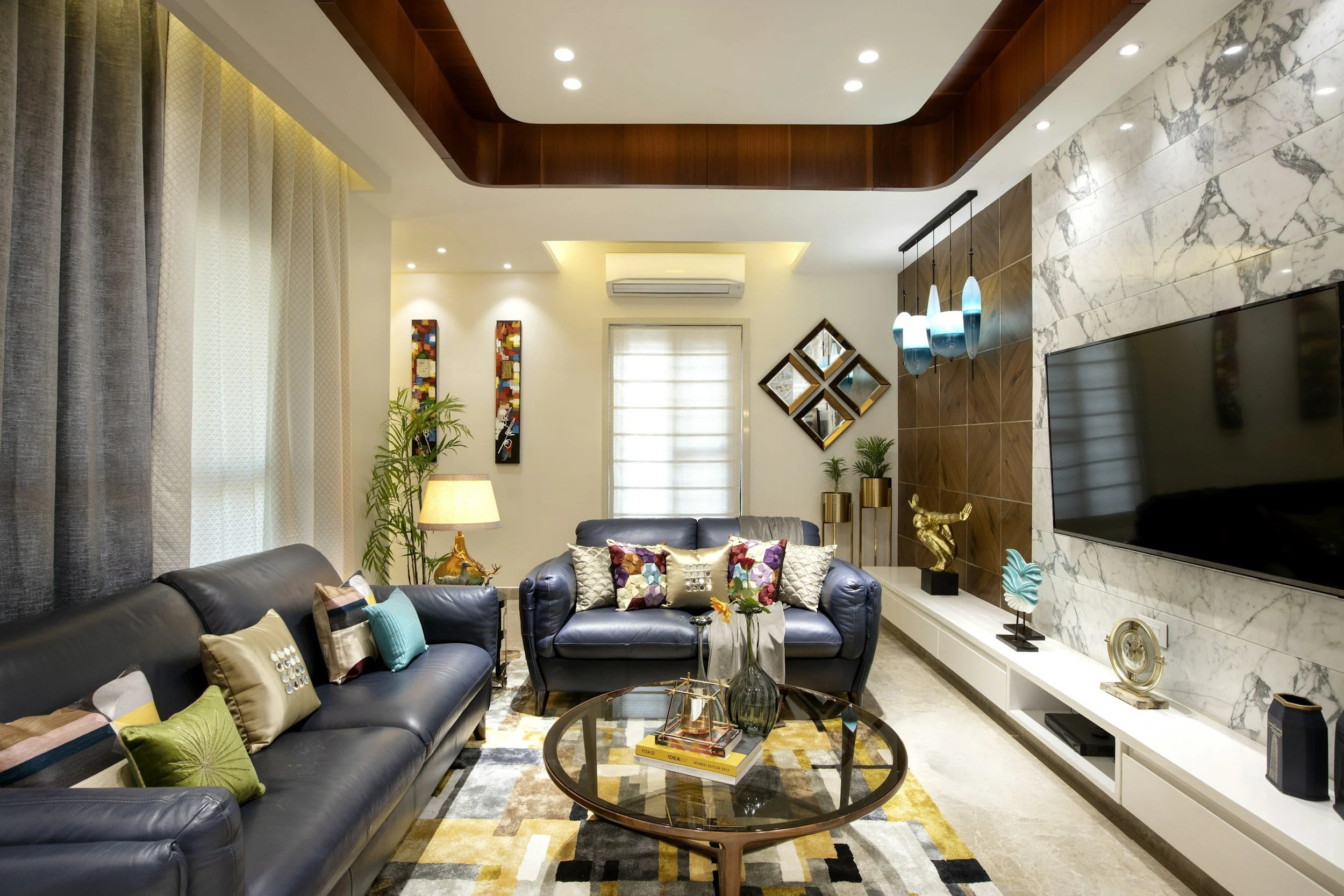
A stylish home that does not function is a showroom. An organized home with no style feels flat. The goal is both.
Good design starts with systems. Style comes after. This guide walks through the process in order: measure, plan, zone, store, then decorate.
Start With a Layout Plan
Measure every room before you buy anything. Record wall lengths, window positions, door swings, and outlet locations. Many homeowners now test layouts with AI interior design tools before moving a single chair. Upload a floor plan, try three arrangements, and compare traffic flow.
Keep main walkways at least 36 inches wide. Leave 14 to 18 inches between a sofa and a coffee table. Check clearances for drawers and cabinet doors too. A door that hits a chair gets ignored, and ignored storage fills with clutter.
Work one room at a time. Sort every item you own into one of four groups:
Keep and use weekly
Keep and use seasonally
Donate or sell
Discard
Divide Each Room Into Zones
Every room needs defined zones. A living room might hold a seating zone, a media zone, and a reading corner. Give each zone one purpose and its own storage. Mixed purposes create mixed piles.
Store items where you use them. Keep remotes near the sofa. Keep a blanket basket within arm's reach. Entry hooks, shoe trays, and a mail slot stop clutter at the door. Distance creates clutter. If an item takes more than ten seconds to put away, it will stay out.
Leave open surfaces partly empty. Shelves and counters look best with about 30 percent free space. That gap is a design choice. It gives the eye a place to rest and shows off what you chose to display. Clear the counters daily. Surfaces set the tone for the whole room.
Choose Storage That Works Hard
Vertical space is the most overlooked asset. Install shelving up to 80 inches high and keep rarely used items on the top tier. Add wall hooks, rails, and pegboards in entryways and kitchens. Use the zone between 30 and 60 inches for daily items. Label bins on the front edge so contents are visible at a glance.
Choose storage with a clean look. Matching bins, uniform labels, and closed cabinets reduce visual noise. Limit finishes to two or three across a room. Wood, black metal, and white work well together. Label shelves by category, not by owner. Fewer materials make a space feel calm.
Small tools support the system too. A set of ceramic coasters protects wood tables, and a tray near the seating area keeps them in reach. It is a minor habit that prevents rings, spills, and stray cups.
Build a Color and Texture System
Build color with the 60-30-10 rule. Use a neutral base for 60 percent of the room. Add a secondary color for 30 percent. Keep the final 10 percent for accents like pillows, art, or a vase. Test paint samples on two walls and check them at noon and at night.
Layer texture to add depth without adding objects. Wool throws, linen curtains, wood grain, and matte metal all work. Mix at least three textures per room. Texture gives a room character that clutter only imitates.
Light the Space in Layers
Plan lighting in three layers. Ambient light covers the whole room. Task light supports reading and cooking. Accent light highlights art and shelving. Choose bulbs between 2700K and 3000K for warm living areas. Dimmers add control and cost little.
Do not forget daylight. Keep window areas clear of tall furniture. Sheer curtains let light in and control glare. Mirrors placed across from windows push light deeper into the room.
Maintain the System
Design lasts only if you maintain it. Set a ten minute reset each evening:
Return items to their zones
Clear counters and tables
Fold throws and straighten cushions
Start the next day with empty surfaces
Review each zone every season. Remove what you no longer use. Adjust storage when habits change. If the task feels heavy, hire one of the professional organizers listed through NAPO. They can build a system that fits your routine. Donate unused items within a week so they do not drift back.
Start small. Pick one drawer, shelf, or corner. Finish it before moving on. Small wins build the habit faster than a weekend marathon.
An organized home is built on measurements, zones, and routines. A stylish home is built on restraint, consistency, and good light. Combine both, and the result looks effortless because the work happened early. Use that sequence on every room you touch.

The Best Places in Your Home To Install Porcelain Tile
If you’ve been considering a home refresh, it’s time to get serious about porcelain tile. Here are some of the best places to install it in your home.
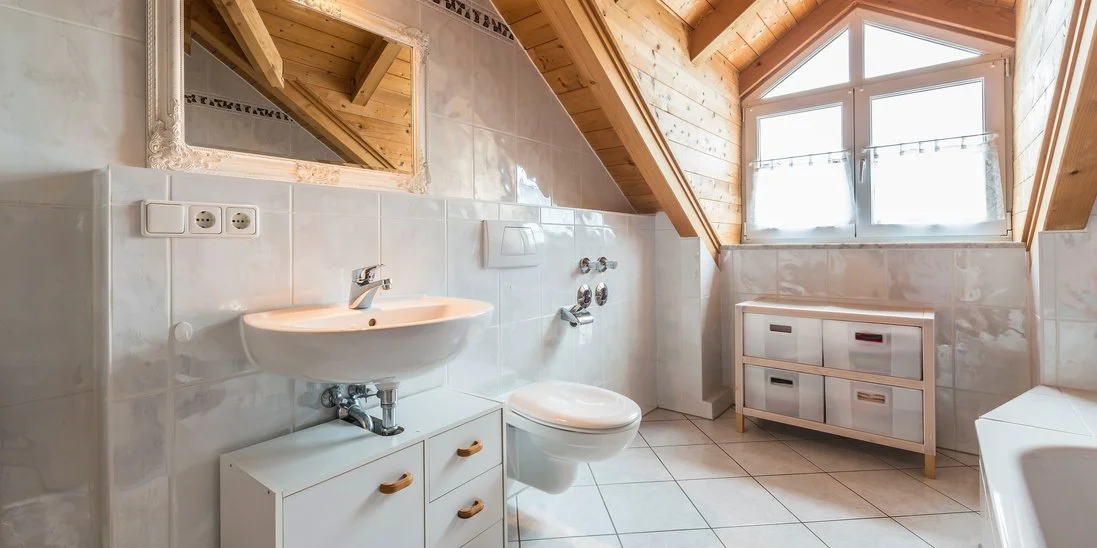
Porcelain tile offers durability, style, and easy maintenance—three things every busy mom appreciates. You want flooring that looks great but doesn’t demand constant attention between school pickups and weekend activities.
Porcelain tile handles spills, scratches, and heavy foot traffic better than most other flooring options. It’s water-resistant, stain-resistant, and comes in countless designs that mimic everything from hardwood to natural stone. Let’s explore the best places in your home to install porcelain tile.
Kitchens: The Heart of Family Life
Your kitchen sees constant action. Kids grab snacks, you prep dinner while helping with homework, and weekend cooking projects can get messy. Porcelain tile handles all this beautifully.
The nonporous surface resists stains from spilled juice, dropped spaghetti sauce, and muddy shoes. Unlike natural stone, porcelain doesn’t require sealing every few years. A simple sweep and mop keep it looking fresh.
Choose larger format tiles—12 by 24 inches or bigger—to minimize grout lines, which makes cleaning even easier. Textured surfaces provide slip resistance when little hands carry drinks across the floor.
Bathrooms: Moisture and Style Combined
Bathrooms present unique challenges with humidity, water splashes, and frequent cleaning. Porcelain tiles excel here because they absorb less than 0.5 percent of water, making it virtually waterproof.
Install porcelain on floors and walls for a more cohesive look. Subway-style porcelain tiles create timeless appeal, while large format options make small bathrooms appear larger. The grout lines stay cleaner than with ceramic alternatives, reducing your scrubbing time.
Entryways and Mudrooms: First Line of Defense
These high-traffic areas take a beating from shoes, backpacks, sports equipment, and weather. Porcelain tile’s hardness rating makes it nearly impossible to chip or crack under normal use.
Consider these practical features for busy entryways:
Slip-resistant textures for wet conditions
Darker colors or patterns that hide dirt
Easy-to-clean surfaces that handle daily mopping
Durable construction that withstands dropped items
When you invest in quality porcelain tiles from a reputable supplier, you’ll notice the difference in appearance and longevity, especially in these demanding spaces.
Laundry Rooms: Function Meets Practicality
Laundry rooms need flooring that handles detergent spills, wet clothes, and frequent washing machine use. Porcelain’s chemical resistance means household cleaners won’t damage the surface.
The smooth finish prevents lint and dust from settling into tiny crevices, unlike textured flooring options. This keeps your laundry area cleaner with minimal effort.
Living Areas: Comfort and Durability
Modern porcelain tiles convincingly replicate hardwood, creating warm, inviting spaces without wood’s maintenance requirements. Your family can play games on the floor, pets can’t scratch the surface, and spilled drinks wipe up instantly.
Large format planks minimize visual interruption while providing the comfort of consistent temperatures year-round. Unlike hardwood, porcelain won’t expand, contract, or show wear patterns in high-traffic paths.
Basements: Moisture Control Below Ground
Basement moisture challenges defeat many flooring options, but porcelain tile thrives in these conditions. Its imperviousness prevents mold and mildew growth underneath, protecting your family’s health.
Porcelain also maintains stable temperatures, making finished basements more comfortable for kids’ play areas or home offices.
Installing porcelain tile in your home requires professional expertise, but the long-term benefits outweigh initial costs. You’ll spend less time cleaning, fewer weekends on maintenance, and more time with your family.

A Brief Guide to the Different Types of Showerheads
It’s important to learn about the different types of showerheads available so that you can choose one that exceeds your showering needs—learn more here.

Choosing the perfect showerhead can take your bathroom from functional to luxurious. With so many options available, homeowners have the freedom to customize their shower experience to fit their preferences. We’ve created this brief guide to the different types of showerheads, highlighting the most popular options and the benefits of each.
Fixed Showerheads
Fixed showerheads are the most common and straightforward option. Mounted directly to the wall, they provide consistent water flow and are great for those who prefer simplicity.
Available in various styles and finishes, homeowners can choose between basic models or those with adjustable spray patterns. If you’re looking for a classic, no-fuss showering experience, a fixed showerhead is an excellent choice.
Rainfall Showerheads
Rainfall showerheads mimic the sensation of standing under a gentle rain shower. These models often mount to the ceiling or use an arm that extends overhead, creating a wider water spray.
Their large size and even water distribution add a touch of luxury to any bathroom. For those who enjoy a relaxing, spa-like experience at home, this type of showerhead is an ideal option.
Handheld Showerheads
Handheld showerheads provide unmatched versatility. Attached to a flexible hose, they’re removable to target specific areas of the body or to make rinsing easier. Perfect for households with children, pets, or individuals with mobility challenges, handheld models bring unmatched convenience and functionality.
Whether you’re debating between selecting the right showerhead for a rainfall effect or the practicality of a handheld, these models often provide the adaptability that many households need.
Dual Showerhead Systems
Dual showerhead systems combine the best of both worlds by integrating a fixed showerhead and a handheld showerhead into one unit. This setup allows homeowners to switch between the two or use both at the same time, depending on their preferences. The added flexibility makes it a popular choice for families or anyone who wants multiple showering options without sacrificing style or convenience.
High-Pressure Showerheads
For those who live in areas with low water pressure or simply prefer a more invigorating shower, high-pressure showerheads are the answer. These showerheads enhance water flow by delivering a powerful spray that makes rinsing faster and more efficient. Look for models with adjustable settings to customize your shower experience further, ensuring you can alternate between a soothing mist and a strong, revitalizing stream.
Shower Panel Systems
Shower panel systems take luxury to the next level by offering multiple features within a single unit. Equipped with multiple spray patterns, such as body jets and rainfall settings, these systems are all about delivering a premium experience.
Shower panels often include features like temperature controls and built-in handhelds, making them perfect for homeowners looking to upgrade their bathrooms significantly.
With so many options available, the perfect showerhead for your home depends on your specific needs and preferences. With this brief guide in mind, you’ll have no problem choosing the perfect showerhead type for your family.

Creating a Home That Tells Your Story: 7 Tips for Personalized Home Design
Your home is more than just the place you live—it's where memories are made and moments are shared. Your space should be an extension of yourself, showcasing your unique story and personality from the colors you choose to the furniture pieces you display. In this guide, we’ll share some tips for creating a personalized home design that tells your story in every corner. So put on your interior designer hat and let’s make your house feel like a true reflection of you!

Your home is more than just the place you live—it's where memories are made and moments are shared. Your space should be an extension of yourself, showcasing your unique story and personality from the colors you choose to the furniture pieces you display. In this guide, we’ll share some tips for creating a personalized home design that tells your story in every corner. So put on your interior designer hat and let’s make your house feel like a true reflection of you!
Start With What You Like
The first step to creating a personalized home design is identifying what you like. Take some time to think about your interests, hobbies, and personal style. Do you love traveling? Incorporate elements from your favorite destinations into your décor. Are you a bookworm? Showcase your collection in a creative way. By starting with what you like, you can infuse your space with your unique personality and make it truly one-of-a-kind.
Incorporate Your Favorite Colors
Color plays a significant role in creating a personalized home design. Choose colors that you love and make you feel happy and comfortable. You can also incorporate specific colors that hold meaning to you, such as your favorite childhood color or a hue that represents an important memory. Don't be afraid to experiment with different color combinations and use them throughout your home in various ways, from wall paint to accent pieces.
Some colors naturally complement each other and create a cohesive look when used together in a space. These color combinations can be based on complementary colors, such as blue and orange, or analogous colors like green and yellow. You can also opt for a monochromatic color scheme by using different shades of one color throughout your home. Whichever combination you choose, make sure it reflects your personal style and creates a harmonious flow in your space.
Mix and Match Styles
Your home design doesn't have to fit into a specific category or style. In fact, mixing different styles can create an eclectic and personalized feel. Don't be afraid to combine vintage pieces with modern touches or incorporate cultural influences from your heritage. The key is finding balance and cohesion among the different elements to create a cohesive and personalized look.
Tell Your Story Through Art and Décor
Art and décor are great ways to add a personal touch to your home. Choose pieces that have meaning to you, whether it's a painting from your favorite artist or a handmade decoration from your travels. You can also display family photos or mementos in creative ways, such as creating a gallery wall or incorporating them into a shelf display. These personal touches will not only add character to your home but also serve as conversation starters for guests.
Make It Functional
Remember that your home should not only look beautiful but also serve its purpose. When personalizing your space, consider how you can make it functional for your daily life. This could mean incorporating storage solutions for your hobbies or creating a cozy reading nook in your bedroom. By making your home work for you, it will truly feel like a reflection of your lifestyle and personality.
If you have the opportunity to build a home from the ground up, you have even more freedom to play with. Consider incorporating personalized features such as a built-in bookshelf or a dedicated crafting room. These unique additions will not only add character to your home but also make it truly yours. Just be sure to talk with your building construction team for insights and pro tips.
Look at Some Inspiration
If you're feeling stuck or overwhelmed, don't hesitate to seek inspiration from others. Look at interior design blogs, magazines, and social media accounts for ideas and tips. You can also visit furniture stores or attend home design workshops for hands-on inspiration. Just remember to take these ideas and make them your own by infusing your unique style and personal touches.
Don't Be Afraid to Go Big or Small
When it comes to personalizing your home, there are no rules. Don't be afraid to make big changes, such as painting a room a bold color or investing in a statement piece of furniture. But also remember that sometimes small and subtle touches can make just as much impact, such as adding a unique throw pillow or displaying a treasured collection on a shelf. The key is to be true to yourself and make your home a reflection of who you are.
Be sure to remember that when creating a personalized home design, you should do what suits you and not just go with the flow. While it may be tempting to follow the latest trends or stick to traditional design rules, your home should ultimately reflect your unique personality and style. Don't be afraid to break away from societal norms and create a space that truly speaks to who you are. After all, your home should be a place where you feel comfortable and happy, not just a cookie-cutter reflection of what's popular.
Now that you have these tips in mind, it's time to start creating a home that tells your story. Remember, the most important factor in personalizing your space is staying true to yourself and incorporating elements that hold meaning to you. With some creativity and inspiration, you can transform your house into a unique and personalized sanctuary that truly feels like home. So go ahead and let your personality shine through in every design decision! Happy decorating!