

A resource for those seeking information on organizing and transforming spaces.

Before You Decorate: Essential Things to Consider When Moving into a New Home
Moving into a new home is exciting, but it can also be deceptively overwhelming. Between boxes, paperwork, and the urge to immediately start buying décor, it is easy to rush into decisions you will regret later. Before you hang artwork or order a sofa, take a breath and focus on a few smart steps that will make decorating easier, cheaper, and far more satisfying in the long run.
Moving into a new home is exciting, but it can also be deceptively overwhelming. Between boxes, paperwork, and the urge to immediately start buying décor, it is easy to rush into decisions you will regret later. Before you hang artwork or order a sofa, take a breath and focus on a few smart steps that will make decorating easier, cheaper, and far more satisfying in the long run.
Start With the Essentials First
Before you think about paint colors or statement lighting, make sure your home is functioning properly. This is the moment to check things like plumbing, electrical outlets, heating and cooling systems, smoke detectors, and any small repairs that could become bigger headaches later.
A good rule is to handle basic safety and maintenance before spending money on décor. It makes no sense to invest in a beautiful living room rug if you later discover a slow leak near the window that ruins it. Get the boring stuff done first so your decorating decisions are not interrupted by unexpected repairs.
Choose the Right Location (Because Décor Can’t Fix Everything)
Your home’s location impacts your daily life more than any furniture choice ever will. Consider commute times, public transport access, school districts, noise levels, and how the neighborhood feels at different times of day. A street that seems peaceful at noon may turn into a traffic nightmare during rush hour.
This is also why renters should think carefully before signing a lease. For instance, people searching for rentals in Applecross near Perth often choose the area because it offers a balance of riverfront scenery, walkable streets, and quick access to the city. These attributes make it a great example of how location can shape lifestyle. No amount of decorating can replace the convenience of living somewhere that genuinely works for your routine.
Unpack With Intention Instead of Chaos

Most people unpack in a panic, shoving items into random drawers to make the boxes disappear. But rushing the process can lead to cluttered spaces and permanent, messy storage. Instead, unpack room by room and set up the spaces you use daily first, such as the kitchen, bathroom, and bedroom.
Focus on functional organization before aesthetic choices. For example, decide where your everyday plates will go before buying decorative glassware, and set up a simple closet system before purchasing extra shelves. Once your essentials are logically placed, your home naturally starts feeling calmer and more livable.
Measure Everything (Yes, Even the Hallways)
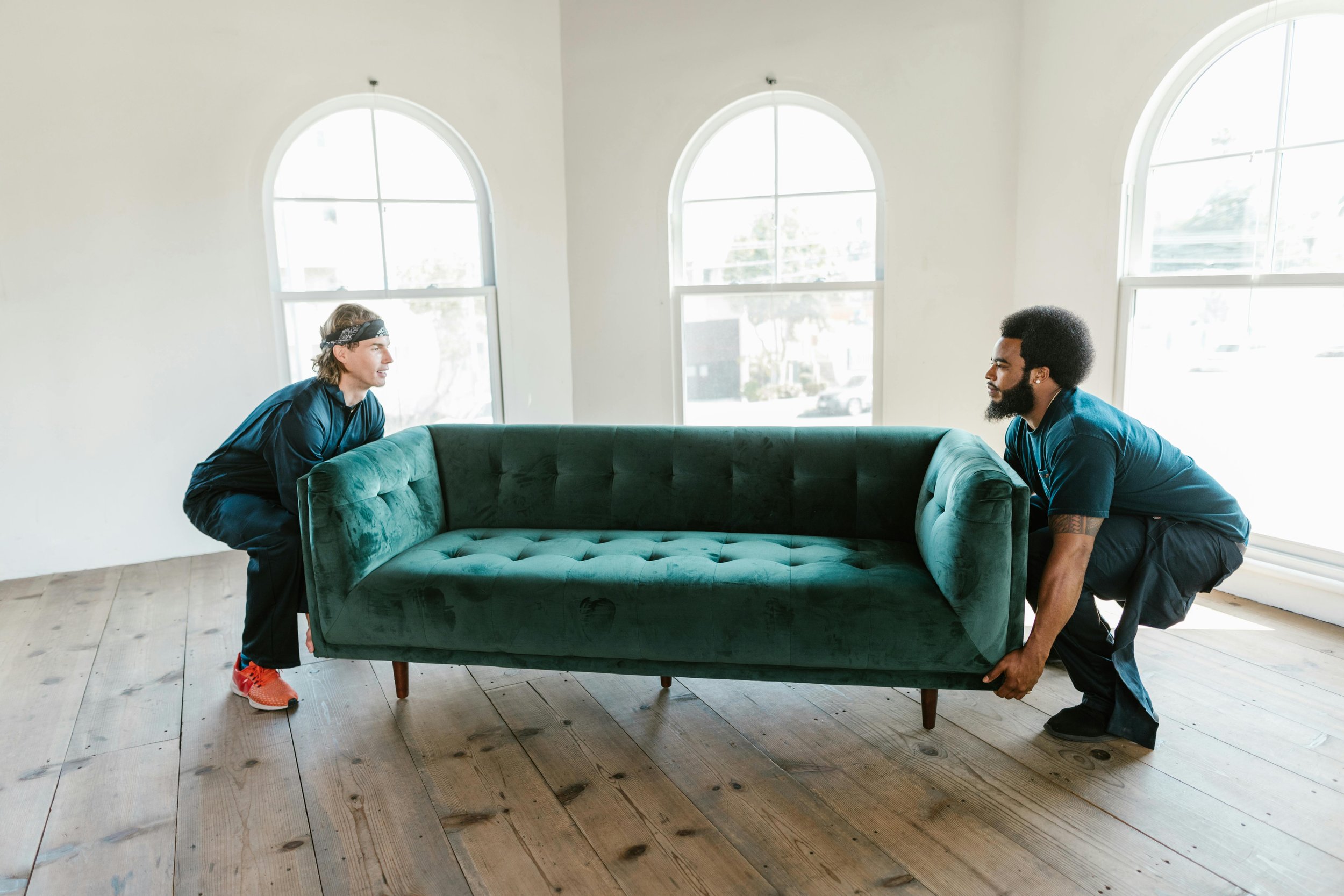
It is surprisingly common for people to fall in love with furniture online, only to realize it does not fit through the front door. Before you buy anything major, measure your rooms, doorways, staircases, and awkward corners. Take note of ceiling height as well, especially if you are considering tall shelving units or statement lighting.
The key is realistic space planning. Let’s say that an oversized sectional might look stunning in a showroom. But if it blocks your living room walkway or covers half your windows, it will feel cramped instead of cozy. Even smaller choices like side tables can make a room feel crowded if the proportions are wrong.
Get to Know the Light Before Picking Colors
Paint samples can look completely different depending on lighting, and this is one of the most common decorating mistakes new homeowners make. Natural light shifts throughout the day, and artificial light can change the tone of everything from wall paint to flooring. A warm beige might look creamy in the morning and dull or yellow at night.
This is why lighting affects every design decision. Try living in your home for at least a few days before choosing paint colors, curtains, or even rugs. If possible, test paint swatches directly on the wall and observe them at different times. A shade that feels perfect at 2 PM may feel completely wrong under evening lamps.
Make the Space Work Before You Make It Pretty
Decorating a new home is not just about making it look good, it is about making it feel right. When you take time to handle essentials, plan your layout, understand lighting, and set a realistic budget, you create a foundation for a home that truly supports your life. Once the practical steps are done, you can focus on style choices with confidence and build a space that feels comfortable, personal, and genuinely yours.
The Ultimate Guide to a Beautiful & Functional Entryway
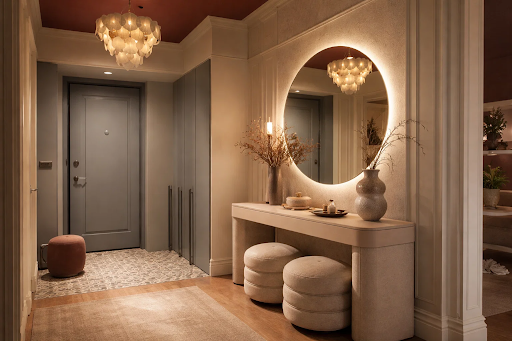
Your entryway sets the tone for your entire home. It's the first thing you see when you walk in and the last impression as you head out the door. But more than aesthetics, a well-designed entryway needs to function for real life — welcoming your family, keeping essentials in place, and offering a moment of calm on a busy day. With a few thoughtful touches, your entryway can be both beautiful and practical.
We partnered with a home improvement company for this post. The opinions in the post are honest. All reviews and opinions expressed in this post are based on our personal views. We are excited because we know you will love it.
Your entryway sets the tone for your entire home. It's the first thing you see when you walk in and the last impression as you head out the door. But more than aesthetics, a well-designed entryway needs to function for real life — welcoming your family, keeping essentials in place, and offering a moment of calm on a busy day. With a few thoughtful touches, your entryway can be both beautiful and practical.
Start With Purpose
Every entryway should begin with intention. That means taking a moment to consider how your household uses this space before adding baskets, hooks, or other decorative elements.
Take note of where people naturally pause, where items tend to pile up, and what causes friction in your morning routine. For example, if shoes are scattered across the floor every morning, a simple cubby or bench with storage can solve more than just an aesthetic problem — it can save time and reduce stress.
Consider the atmosphere that you want to create in the entry area. Do you want it to be peaceful and serene when you come home? Or do you want it to be vibrant and energetic, matching the household's activity level? Your entry area sets the emotional tone for the day, so it's essential to consider this.
A Welcoming First Impression
Your entryway should greet you like a warm hello. High-end lighting plays a surprisingly big role. Soft, warm light can make even a small hallway feel inviting, while a well-placed overhead fixture or wall sconce ensures the space is functional for grabbing keys, checking the mail, or putting on shoes. If possible, natural light is ideal — even a small window or a glass panel in the door can transform the space's mood.
Mirrors are another key element. Beyond their practical use for a quick outfit check, mirrors reflect light and visually expand the space, making narrow or compact entryways feel larger and more open. Consider a full-length mirror if you have the room, or a decorative piece that doubles as art.
Organize Without Overwhelming
Begin by organizing items that already belong in this space. For example, daily-use items such as keys, bags, coats, and shoes need a designated place, while infrequently used items should be stored elsewhere. This level of simplicity is sure to help alleviate the situation and calm the space. The fewer areas that fight for one's attention, the more at peace one is in a space.
Premium furniture and smart storage solutions help maintain that balance. A small tray or bowl can catch keys and sunglasses without creating clutter. Mail organizers or baskets keep paperwork contained and prevent piles from forming on nearby surfaces. Hooks offer quick access for coats and bags, while benches or low cabinets provide hidden storage that keeps the floor clear. The key is choosing storage that feels effortless — if it's easy to put things away, it's far more likely to stay organized.
Family-Friendly Features
When an entryway works for the entire family, it becomes one of the most functional spaces in the home. Designing with kids in mind doesn't mean sacrificing style — it means creating systems that feel intuitive, accessible, and easy to maintain for everyone who uses them.
Start by thinking about independence. When children can easily reach hooks, bins, or cubbies, they're far more likely to use them. Lower hooks for backpacks and jackets encourage kids to put their things away as soon as they walk in the door, while labeled baskets or bins help them quickly identify where items belong. These small adjustments can make mornings smoother and afternoons less chaotic.
The entryway can sometimes become a "launching pad" for families, especially those with a lot going on. Sports equipment, library books, musical instruments, permission slips, and more can flow through this space. By creating a few storage "zones" using open baskets or a shared shelf, these items can reside in the entryway temporarily without overwhelming it.
Decorating With Purpose
Start with pieces that anchor the space. A runner rug instantly adds warmth and helps define the entryway, especially in open-concept homes. Beyond aesthetics, it protects floors from dirt and moisture while guiding traffic naturally through the space. Choose materials that are durable and easy to clean so beauty doesn't come at the cost of practicality.
Personal touches make it feel lived-in and cozy. A little greenery, a piece of art, or a framed family photo adds interest to a space. These personal touches give a feeling of home as soon as you step into a space, helping an entryway feel like a harmonic part of your living space rather than an add-on.
Ultimately, decorating with purpose means being thoughtful, not excessive. When decor supports function and reflects your style, the entryway becomes a place that feels balanced, welcoming, and effortlessly pulled together — a space that invites you to slow down for just a moment as you arrive home.
A well-planned entryway is more than a drop zone; it's the gateway to your home's energy and flow. By blending thoughtful organization with personal style, you can create an entryway that's both beautiful and functional, giving every family member a smoother start and end to their day.
How To Use Exposed Posts and Beams as Your Primary Interior Design Element
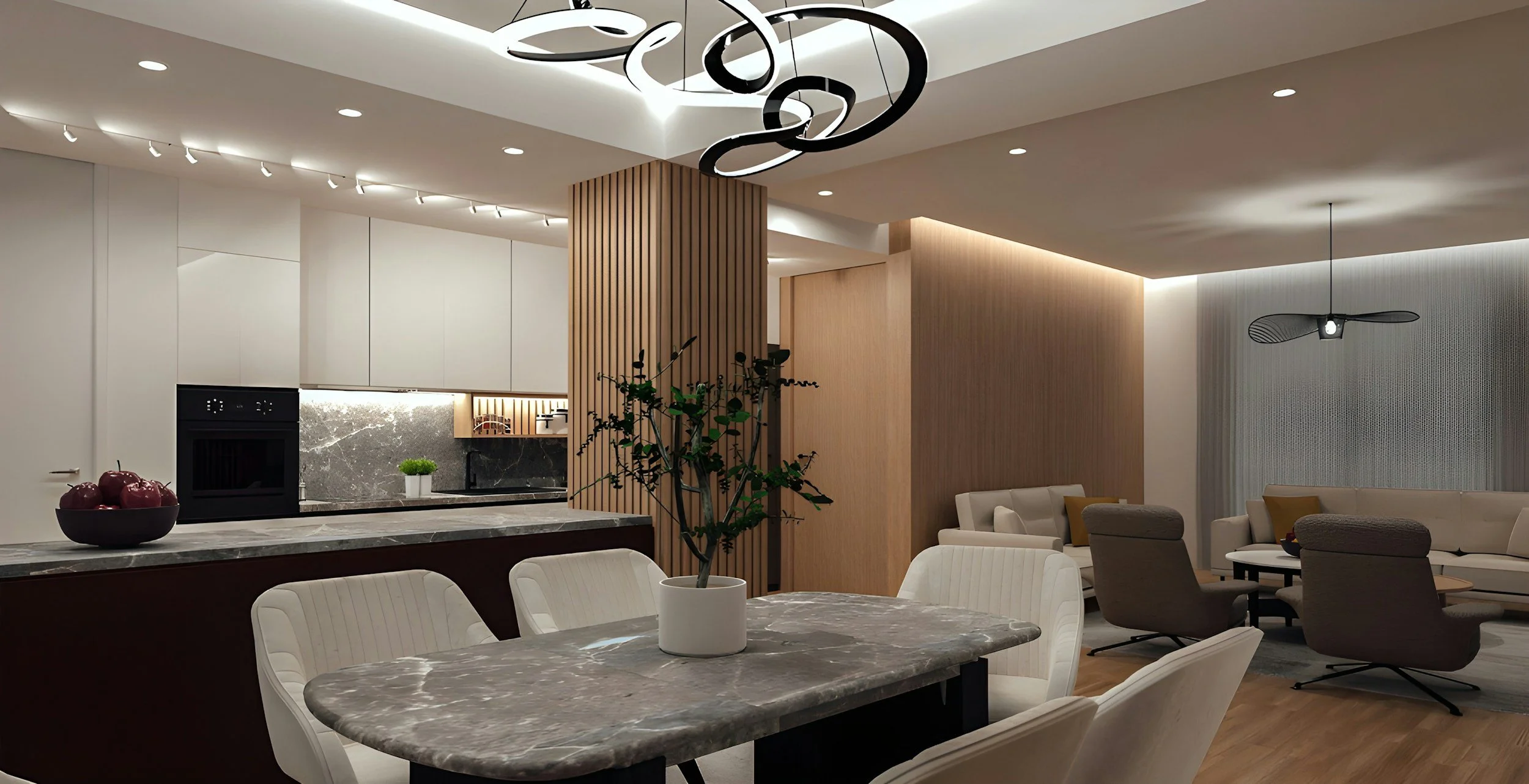
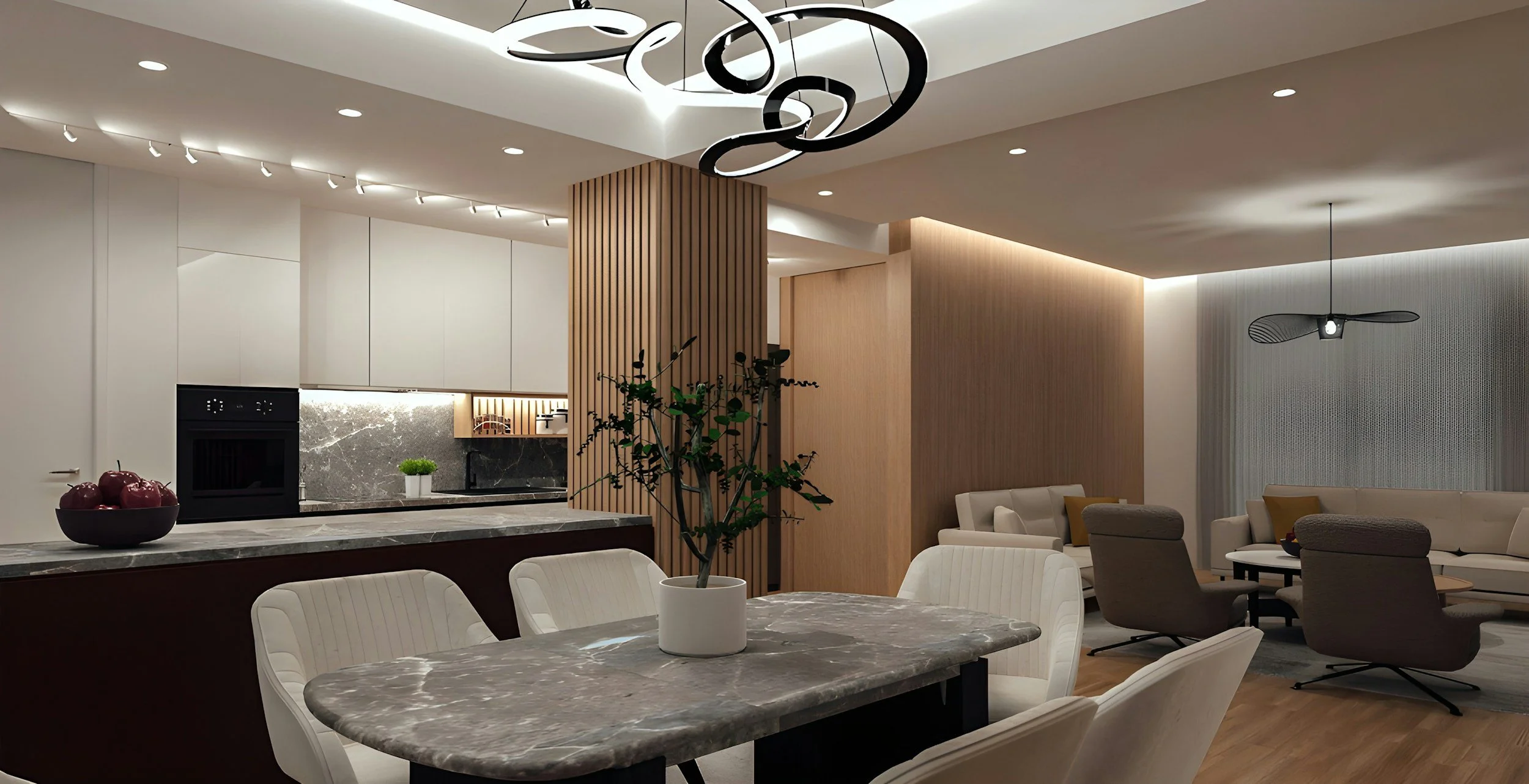
Exposed posts and beams feature prominently in modern design. When you look at inspirational pictures of modern decor, you’ll almost certainly see at least one example. This aesthetic has found its way into a variety of interior design styles, from rustic to minimalist. Whether you have a home with exposed timber that you need to design around, or you’re looking to build a home with such features, you’ll need a good plan. Use these ideas to help you find a theme, colors, and features that showcase the beauty of exposed posts and beams.
Exposed posts and beams feature prominently in modern design. When you look at inspirational pictures of modern decor, you’ll almost certainly see at least one example. This aesthetic has found its way into a variety of interior design styles, from rustic to minimalist. Whether you have a home with exposed timber that you need to design around, or you’re looking to build a home with such features, you’ll need a good plan. Use these ideas to help you find a theme, colors, and features that showcase the beauty of exposed posts and beams.
Select a Cohesive Theme
Although you can fit exposed timber into almost any aesthetic, it’s important to choose a cohesive theme to go with it. Exposed beams tend to draw attention, much like a grand staircase. Think about the ways that you plan to use the space, and then come up with a few ideas. Do you want to lean into the warm, rustic charm, or incorporate brick and metal accents to go along with an urban industrial style? Make sure you have the theme in place before you go shopping for décor and furniture. That way, you can be sure that everything you choose will feel like it belongs in the room.
Follow the Natural Lines
Whether you ask your timber frame architects to expose the beams and posts as part of the home design process, or you choose to expose them as part of a renovation project, you’ll need to follow the natural lines. That’s the difference between incorporating existing design elements from the home structure and adding to the existing flow of the space. This design approach generally means that you should pick one direction for beams to follow, typically the layout of the existing frame. Longer beams help maintain an open feel, while shorter beams can help divide the space.
Choose an Engaging Color Palette
With exposed timber, you may choose to accentuate it or help it to blend in with the room décor. In most cases, you’ll probably want to select a contrasting palette to help the beams and posts stand out. White is a popular choice, especially for minimalist designs. White helps to make the beams a focal point as the major source of color on the walls and ceiling. You may choose to paint the beams the same color as the ceiling, but you’d need to incorporate lighting and other methods to call attention to them.
Illuminate Key Features
For such a striking feature in the room, you definitely need the right lighting. Room lighting should provide effective illumination for the tasks you might engage in while you’re there, but you can also use accent lighting to emphasize the room’s key features. Consider installing spotlights that point upward, toward the exposed beams. This approach will create moderate illumination for the room that avoids glare while creating a track that the eye can easily follow to see the ceiling.
Incorporate Natural Wood Accents
To keep the exposed timber from standing out too much, you may want to consider incorporating natural wood accents into the room. Look at the post-treatment colors of the posts and beams, and choose a type of wood that you can put in the room as a unifying accent. For example, you might pick a dining table with similar wood, or a coffee table with the same stain. Add a few coordinating pillows or decorative accents can emphasize the cohesiveness of the space without detracting from the beauty of the timber.
If you’re eager to incorporate exposed timber into your home design, you’re not alone. This design element fits into a variety of themes, and with good upkeep, you can enjoy it for decades. Focus on choosing the right theme, color palette, lighting, and accents. That way, you’ll have a space that feels perfectly natural, functional, and unified.
Sources reviewed
https://renoquotes.com/en/blog/exposed-ceiling-beams
https://www.thespruce.com/decorative-ceiling-beams-ideas-7499063
https://www.suzieandersonhome.com/a/blog/the-complete-guide-to-urban-industrial-style-interior-decorating
Subway vs. Large Format Tiles: Which Works Best in Your Shower?
Choosing the right tile for your shower can dramatically influence both the aesthetic and functionality of your bathroom. Among the most popular options today are subway tiles and large format tiles. Each offers distinct advantages and potential drawbacks, making the choice highly dependent on your space, style, and maintenance preferences. This guide will help you understand the key differences between subway and large format tiles and determine which is best suited for your shower.
We partnered with a home improvement company for this post. The opinions in the post are honest. All reviews and opinions expressed in this post are based on our personal views. We are excited because we know you will love it.
Choosing the right tile for your shower can dramatically influence both the aesthetic and functionality of your bathroom. Among the most popular options today are subway tiles and large format tiles. Each offers distinct advantages and potential drawbacks, making the choice highly dependent on your space, style, and maintenance preferences. This guide will help you understand the key differences between subway and large format tiles and determine which is best suited for your shower.
What Are Subway Tiles?
Subway tiles are rectangular tiles, traditionally measuring 3x6 inches, although modern variations come in multiple sizes and colors. Originally used in New York City subway stations in the early 20th century, these tiles have become a timeless design staple. They are recognized for their clean, simple lines and versatility in both modern and classic bathroom designs.
Subway tiles can be arranged in numerous patterns, with the most common being the running bond, which mimics brickwork. Other popular layouts include vertical stack, herringbone, and basketweave patterns. The multiple layout options make subway tiles highly adaptable to different aesthetic goals. Their smaller size also makes them easier to handle for DIY projects or for intricate designs around corners and niches.
One of the major advantages of subway tiles is their ability to create texture and visual interest without overwhelming a space. They offer a traditional, classic look that blends seamlessly with a variety of materials and fixtures. However, due to the smaller size, subway tiles generate more grout lines, which can require more attention during cleaning and maintenance.
What Are Large Format Tiles?
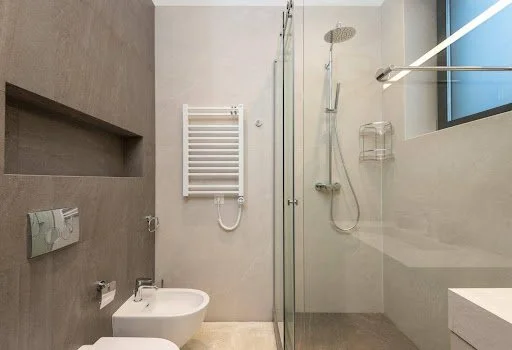
Large format tiles are any tiles significantly larger than the traditional subway tile, commonly measuring 12x24 inches or bigger. These tiles are favored in modern and minimalist bathroom designs for their sleek, uninterrupted surfaces. Large format tiles can be used to cover entire shower walls or floors with fewer grout lines, creating a smooth, cohesive look.
The materials for large format tiles often include porcelain, ceramic, and natural stone. These materials not only provide durability but also allow for a variety of finishes, including matte, glossy, and textured options. The visual impact of large format tiles is substantial; they can make small showers appear more spacious and add a sense of luxury to larger bathrooms.
A key advantage of large format tiles is the reduced number of grout lines, which minimizes areas where water and dirt can accumulate. This makes cleaning easier and lowers the potential for mold or mildew growth. However, installing large format tiles can be more challenging, often requiring professional expertise to ensure proper leveling and alignment.
Comparing Visual Impact
When deciding between subway and large format tiles, visual impact is a major consideration. Subway tiles create a rhythmic, textured look that adds depth and dimension to a shower wall. They are ideal for classic, vintage, or transitional bathroom designs and can be enhanced with contrasting grout for a more defined pattern.
In contrast, large format tiles create a seamless, modern appearance. The minimal grout lines contribute to a more open, airy feel, which is particularly beneficial in small bathrooms. Color and finish choices also play a role; lighter large format tiles can make a compact shower feel more spacious, while darker tiles can create a luxurious, spa-like ambiance.
Designers often recommend using subway tiles for accent walls or niche areas while incorporating large format tiles for the main shower walls. This combination can balance texture and smoothness, giving the shower both character and sophistication.
Designers often recommend using subway tiles as accent shower wall tiles or in niche areas while incorporating large format tiles for the main shower walls. This combination can balance texture and smoothness, giving the shower both character and sophistication.
Installation Considerations
Installation is another important factor in choosing between subway and large format tiles. Subway tiles, being smaller, require more grout lines and careful alignment, which can make installation more time-consuming. However, they are easier to cut around obstacles such as shower fixtures and corners, making them a practical choice for DIY enthusiasts.
Large format tiles require precision during installation. Due to their size and weight, improper leveling can result in uneven surfaces or lippage, where tile edges are higher than adjacent tiles. This can be especially problematic on shower walls, as it may affect both aesthetics and water drainage. For this reason, professional installation is often recommended for large format tiles, which may add to the overall cost but ensures a polished, durable finish.
Maintenance and Cleaning
Maintenance is an essential consideration for shower tiles. Subway tiles have more grout lines, which can collect soap scum, dirt, and moisture over time. Regular cleaning and occasional resealing of grout may be necessary to maintain their appearance and prevent mold growth. Despite this, many homeowners find that the classic look and design flexibility of subway tiles outweigh the maintenance considerations.
Large format tiles, on the other hand, have fewer grout lines, making them easier to clean and maintain. The smooth surface reduces areas where dirt and water can accumulate, which is particularly advantageous in high-moisture environments like showers. Choosing high-quality materials with protective coatings can further enhance durability and ease of cleaning.
Cost Comparison
Cost is another factor to consider when selecting shower tiles. Subway tiles are generally less expensive per square foot compared to large format tiles, and they are widely available in a variety of materials and colors. However, the increased labor required for more grout lines and intricate patterns can offset some of the savings.
Large format tiles are often more expensive per square foot, and professional installation adds to the cost. Despite this, their reduced maintenance requirements and visual impact can justify the investment, especially in modern, high-end bathrooms. Considering long-term value and durability is important when weighing costs.
Best Applications for Each Tile Type
Subway tiles are ideal for traditional or transitional bathrooms, small showers, and accent areas such as niches or borders. Their classic design ensures they remain timeless and adaptable to evolving styles. They also work well in combination with other materials or larger tiles to create custom layouts.
Large format tiles are best suited for modern, minimalist, or luxury showers. They are particularly effective in making small spaces feel larger and creating a seamless, high-end look. They can also be used in combination with smaller tiles for accents, such as a mosaic strip or decorative border, to add visual interest.
Design Tips and Inspiration
When using subway tiles, consider varying the layout to avoid a uniform look. Herringbone, stacked, or vertical patterns can create striking visual effects. Grout color is another tool to enhance or minimize the appearance of lines.
For large format tiles, selecting a tile with subtle veining or a textured finish can prevent a flat, sterile look. Aligning tiles carefully and planning for cuts around fixtures ensures a professional and polished appearance. Proper lighting also enhances the overall effect, reflecting off glossy surfaces or highlighting textures.
Conclusion
Choosing between subway and large format tiles for your shower ultimately comes down to style, space, and maintenance considerations. Subway tiles offer a timeless, versatile option with a textured, patterned aesthetic, while large format tiles provide a sleek, modern look with fewer grout lines and easier maintenance. By understanding the characteristics, advantages, and installation requirements of each type, homeowners can make an informed decision that enhances both the beauty and functionality of their bathroom. Whether you prefer the classic charm of subway tiles or the seamless elegance of large format tiles, selecting the right material is key to creating a shower that is both visually appealing and practical.
Incorporating high-quality shower wall tiles can transform your bathroom into a stylish and functional space, tailored to your personal preferences and lifestyle.

