

A resource for those seeking information on organizing and transforming spaces.
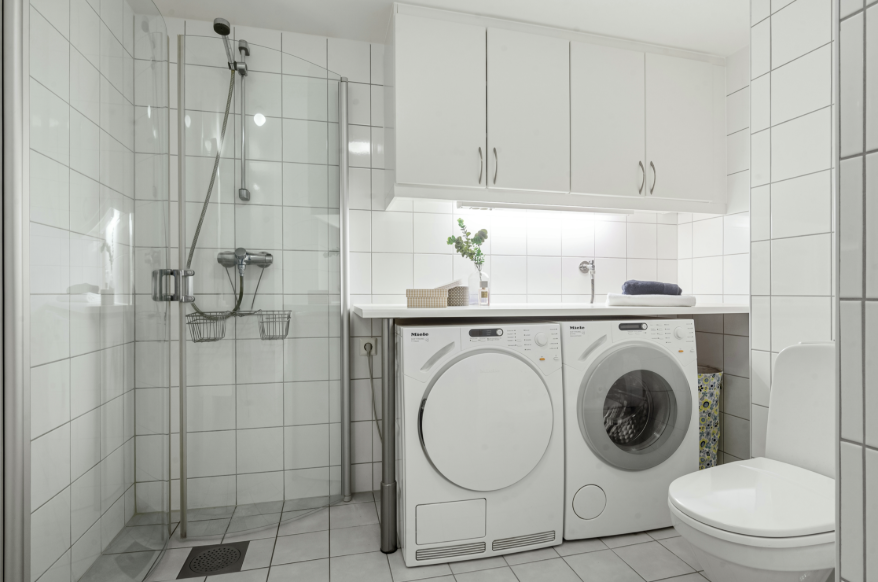
How to Keep Your Dryer Running at Peak Performance All Year Long
A clothes dryer is one of the most relied-upon appliances in any household. When it runs smoothly, it saves time, energy, and effort. But like any machine, it needs consistent care to stay efficient and safe. By following a few practical steps, you can keep your dryer performing at its best throughout the year.
A clothes dryer is one of the most relied-upon appliances in any household. When it runs smoothly, it saves time, energy, and effort. But like any machine, it needs consistent care to stay efficient and safe. By following a few practical steps, you can keep your dryer performing at its best throughout the year.
Clean the Lint Trap After Every Load
The lint trap is the first line of defense against clogs and overheating. Cleaning it after each cycle ensures proper airflow and reduces strain on the motor. A clogged lint screen forces the dryer to work harder, which can shorten its lifespan and increase energy use.
This simple habit takes seconds but makes a big difference in performance and safety. Over time, lint buildup can also create a fire hazard, so staying consistent with this step is one of the easiest ways to protect your home.
Clean and Maintain the Dryer Vent System
Your dryer’s vent system is responsible for carrying heat and moisture safely out of the appliance. As months go by, lint and debris can collect inside the ductwork, blocking airflow and increasing the risk of overheating or fire. Scheduling professional dryer vent duct cleaning at least once a year helps remove hidden buildup that regular cleaning can’t reach. This service not only improves efficiency but also protects your home from potential risks.
A clean vent system allows the dryer to operate with less strain, which means shorter drying times and lower energy bills. By relying on expert cleaning, you ensure that your dryer’s vent system remains safe, efficient, and capable of supporting peak performance all year long.
Check the Drum and Seals for Wear
The dryer drum and door seals play a key role in keeping heat inside during operation. If seals are worn or cracked, hot air escapes, forcing the dryer to run longer. Inspecting these parts regularly and replacing them when needed helps maintain consistent drying times and prevents unnecessary energy waste.
A well-sealed drum also ensures that clothes dry evenly, reducing the need for repeat cycles and helping fabrics last longer. By staying proactive with seal maintenance, you safeguard your dryer’s efficiency and extend its overall service life.
Keep the Exterior and Interior Clean
Dust and dirt can accumulate around the dryer’s exterior and inside the drum. Wiping down surfaces and vacuuming around the appliance prevents particles from entering the system. A clean dryer also reduces the chance of odors transferring to clothes.
Periodic deep cleaning of the drum ensures fabrics come out fresh and lint-free. Taking the time to clean both the inside and outside of the dryer helps it run more smoothly and keeps your laundry area looking neat.
Monitor Drying Times for Efficiency
Longer drying cycles are often a sign of restricted airflow or worn components. If you notice clothes taking longer to dry, it’s time to troubleshoot. Start by checking the lint trap and vent system, then move on to seals and heating elements.
Addressing issues early prevents costly repairs and keeps the dryer running smoothly. Paying attention to drying times also helps you spot problems before they become serious, saving both money and frustration.
Schedule Regular Professional Maintenance
While routine cleaning is essential, professional servicing provides a deeper level of care. Technicians can inspect electrical connections, heating elements, and safety features to ensure everything is working properly.
Annual maintenance helps extend the dryer’s lifespan and gives you peace of mind that your appliance is safe and efficient. Professional checkups are especially important for older dryers, which may need more frequent attention to stay reliable.
Use the Dryer Responsibly to Prevent Strain
Overloading the dryer or running back-to-back cycles without breaks can strain the motor and heating system. Following manufacturer guidelines for load size and giving the dryer time to cool between cycles helps prevent overheating.
Responsible use not only protects the appliance but also improves drying results. By treating the dryer with care, you can avoid unnecessary wear and keep it performing well for years. Consistently practicing these habits ensures your dryer remains dependable, efficient, and ready to handle everyday laundry needs without interruption.
Conclusion
Keeping your dryer at peak performance all year long comes down to consistent care and smart habits. From cleaning the lint trap to scheduling professional dryer vent duct cleaning, each step contributes to efficiency, safety, and longevity. With regular attention and responsible use, your dryer will continue to serve your household reliably for years to come.

Sell your restaurant with confidence how buyers evaluate opportunities
Selling your restaurant is a decision that often starts quietly, like a thought you revisit after a long shift when the chairs are stacked and the kitchen finally goes silent.

We partnered with a real estate company for this post. The opinions in the post are honest. All reviews and opinions expressed in this post are based on our personal views. We are excited because we know you will love it.
Selling your restaurant is a decision that often starts quietly, like a thought you revisit after a long shift when the chairs are stacked and the kitchen finally goes silent.
I remember talking to an owner who stood in his empty dining room at midnight, wondering if he still loved the place or just felt responsible for it.
If you want to move forward with clarity, you need to understand how buyers actually think when they evaluate a deal, especially if you’re planning to sell your restaurant.
That moment matters because buyers sense it when you’re ready to move on and when you’re still emotionally tied to every corner.
If you want to move forward with clarity, you need to understand how buyers actually think when they evaluate a deal.
What buyers look for first
Buyers rarely fall in love with the décor or the menu first.
They start with numbers.
Revenue consistency is usually the first filter, followed by profit margins and cost stability.
If your monthly sales swing wildly, expect questions.
If your expenses are unclear, expect hesitation.
A buyer once told me he walked away from a great-looking space simply because the owner couldn’t explain three months of missing invoices.
Clarity builds trust faster than anything else.
The story behind your numbers
Numbers alone don’t sell a business.
They need context.
Was there a dip because of construction outside your restaurant?
Did you recently change suppliers or pricing.
Explain those details early.
I’ve seen deals fall apart because the buyer assumed the worst when simple explanations were missing.
On the flip side, I’ve seen average-performing restaurants sell quickly because the story behind the numbers made sense.
Location and lease matter more than you think
A strong location can save a mediocre concept.
A weak lease can kill a strong one.
Buyers pay close attention to lease terms, renewal options, and rent increases.
One owner I worked with lost a serious buyer because there were only six months left on the lease.
The food was great, the reviews were solid, but the risk was too high.
If your lease is solid, highlight it early.
If it’s not, be ready to negotiate.
Operations tell the real story
Buyers want to know how the business runs when you’re not there.
If everything depends on you, that’s a problem.
Documented processes, trained staff, and reliable managers increase value instantly.
I once visited a restaurant where the owner handled ordering, scheduling, and even payroll manually.
The buyer walked away because it felt like buying a job, not a business.
The more independent your operation is, the more attractive it becomes.
Reputation and customer loyalty
Online reviews are the new word of mouth.
Buyers will check them before they even ask for financials.
Consistent ratings, customer engagement, and repeat business all signal stability.
One buyer told me he reads negative reviews first because they reveal patterns.
If complaints repeat, it raises concerns.
If they’re handled professionally, it builds confidence.
The emotional side of selling
This part gets ignored, but it shouldn’t.
Selling a restaurant is personal.
You’ve likely invested years of effort, stress, and identity into it.
Buyers can feel that energy.
If you’re defensive, they get cautious.
If you’re open and realistic, they lean in.
I’ve seen owners sabotage deals by refusing to accept fair feedback.
And I’ve seen others close quickly because they stayed flexible.
Pricing your restaurant realistically
Overpricing is the fastest way to lose serious buyers.
Underpricing leaves money on the table.
The sweet spot comes from understanding market comparisons, financial performance, and growth potential.
A buyer once told me, “I don’t mind paying a premium if I can see the path to growth.”
That’s the key.
Show potential, not just current performance.
Timing the market
Timing plays a bigger role than most people expect.
Selling during a strong economic period can bring more buyers.
Selling during uncertainty requires stronger positioning.
I’ve seen restaurants sit for months simply because they entered the market at the wrong time without adjusting expectations.
Flexibility helps you navigate this.
Marketing your opportunity the right way
How you present your restaurant matters.
Clear listings, professional photos, and transparent details attract better buyers.
Vague descriptions attract tire-kickers.
When you present your business clearly, you filter for serious interest.
Negotiation is where deals are won or lost
Most deals don’t fail because of price.
They fail because of terms.
Payment structure, transition support, and contingencies all matter.
I’ve seen deals saved by offering short-term training support after the sale.
And I’ve seen deals collapse over small misunderstandings that could have been avoided.
Stay focused on the bigger picture.
Preparing for due diligence
Once a buyer is interested, they will dig deep.
Expect requests for financial records, permits, employee details, and vendor agreements.
Being prepared speeds everything up.
I once worked with an owner who had everything organized in advance.
The deal closed in weeks instead of months.
Preparation signals professionalism.
Transitioning smoothly after the sale
The sale doesn’t end at signing.
A smooth transition protects the business and your reputation.
Introducing the new owner to staff, suppliers, and regular customers helps maintain stability.
Buyers value sellers who stay involved briefly to ensure continuity.
It builds trust and protects the legacy you’ve built.
Final thoughts on making the move
Deciding to sell your restaurant is not just a financial decision.
It’s a strategic and emotional one.
The more you understand how buyers think, the better positioned you are to succeed.
Focus on clarity, preparation, and realistic expectations.
When those pieces come together, the process becomes less stressful and far more rewarding.

How People Curate a New Version of Themselves Through Relocation Choices
People curate a new version of themselves through relocation choices. Discover how moving shapes identity, habits, and personal growth.
A change of place often sparks a strong emotional reset. People curate a new version of themselves through relocation choices as they seek growth and clarity. New surroundings shift daily routines and reshape identity. Fresh spaces bring new habits, new goals, and new perspectives. In fact, many people feel more confident after a move. They leave behind limits tied to old environments. New locations support better focus and stronger motivation. People often adopt healthier lifestyles and clearer thinking. Change feels real because the environment reinforces it. This shift supports personal progress and self-discovery. People see new sides of themselves and act with purpose. Relocation creates space for change and steady personal growth.
The Psychology Behind Reinventing Identity

Identity reflects how people see themselves and how they believe others view them. Self-perception shapes daily choices, habits, and reactions. Many people seek reinvention to break patterns and create a more fulfilling life. They want growth, change, and a clearer direction. Surroundings influence behavior, thoughts, and emotional responses. New places often inspire different actions and attitudes. However, intentions do not always match reality, and change takes effort over time. Internal motivations, such as personal goals, drive change from within. External motivations, such as social expectations, also shape decisions. People respond to both forces as they adjust to new settings. This process supports reflection and gradual transformation. Over time, individuals refine their identity and align their actions with their desired self-image.
How Environments Shape Habits and Mindsets
New surroundings shape habits faster than many expect. As people adjust routines based on local pace, culture, and daily structure, their environment begins to influence their behavior. For example, a quiet area supports focus, while a busy setting encourages faster action. In contrast, old environments often reinforce past behavior patterns. By moving to new places, people create space for different choices and improved discipline. They might wake earlier, eat differently, and engage in new activities. Hence, consistent exposure to a new setting builds stronger habits over time. Social norms also guide behavior and influence decisions, as people often match the energy and expectations around them. Ultimately, this shift builds awareness and encourages growth, leading to small daily changes and lasting mindset shifts. Over time, individuals align habits with personal goals and create a lifestyle that reflects their evolving identity.
The Role of Social Circles in Personal Change

New social circles shape how people think and act each day. Fresh connections offer feedback, support and new perspectives. People feel free to express themselves without past labels or expectations. New friendships encourage confidence and open communication. Social groups influence habits, values, and long-term goals. People often mirror the attitudes and behaviors they see around them. On the other hand, negative circles can slow progress and create doubt. Choosing the right environment matters for steady growth. Supportive people push positive change and hold others accountable. New relationships also introduce different lifestyles and ideas. This exposure helps individuals refine their identity. Over time, strong social connections build confidence and reinforce personal development in meaningful and lasting ways.
Escaping the Past vs Building the Future
Many people move to leave behind past experiences and start fresh. They seek relief from stress, limits, or negative patterns. Escape alone does not create lasting change without intention. People must focus on building a better future with clear goals. Nevertheless, distance from old environments often supports emotional clarity. New surroundings help people reflect and reset priorities. Some individuals try to avoid common beginner mistakes while moving out for the first time and building independence. This awareness improves decision-making and confidence. Growth requires effort, patience, and honest self-reflection. People who face their past learn faster and adapt better. Over time, they create a stronger foundation for personal progress and long-term satisfaction in life.
Career Moves as Catalysts for Reinvention

People curate a new version of themselves through work too. Career changes often drive relocation and personal transformation. A new role brings different expectations, routines, and goals. People adjust their behavior to match professional demands and workplace culture. Another key point is that ambition pushes individuals to improve their skills and mindset. Work environments influence confidence, communication, and daily structure. People often adopt new habits to succeed in their roles. Similarly, career growth shapes identity and long-term direction. New challenges encourage problem-solving and adaptability. Individuals build discipline through consistent effort and learning. Professional success often increases confidence and motivation. This progress is also reflected in personal life. Over time, career-driven moves support a stronger, more focused version of oneself. People begin to see clear progress and align actions with future goals.
Cultural Exposure and Personal Growth
Exposure to new cultures expands thinking and encourages personal development. People learn different values, habits, and ways of communication. This experience builds adaptability and awareness. Individuals adjust their behavior to fit new cultural expectations. They explore new foods, traditions, and social norms. These changes shape daily life and broaden perspective. Then again, cultural differences can challenge comfort zones and require patience. People grow through these challenges and gain confidence. New environments promote curiosity and open-minded thinking. Individuals begin to question old beliefs and form new opinions. This process supports deeper understanding and respect for diversity. Over time, cultural exposure strengthens identity and encourages a more flexible and informed approach to life decisions.
Sustaining the New Identity Over Time
Long-term change requires consistency and self-awareness. People must reinforce new habits through daily action and reflection. Growth does not happen overnight, and progress needs patience. Above all, discipline keeps new behaviors stable over time. Individuals must stay focused on goals and avoid falling into old patterns. For this reason, regular evaluation helps maintain direction and motivation. People track progress and adjust routines as needed. Small wins build confidence and support long-term success. New environments help, yet personal effort drives lasting results. Individuals who stay committed see steady improvement. Over time, actions align with identity, and change becomes natural. This process creates a stable and confident version of oneself that reflects growth and intention.
Reinvention That Lasts
People curate a new version of themselves through thoughtful relocation and consistent effort. In short, change grows stronger with daily action and clear intent. New environments support lasting growth, while personal discipline shapes identity. True transformation continues over time and reflects conscious choices.

How Texture Brings Depth And Comfort To Your Home
Indoor comfort is not fixed. It changes as people move through different stages of life. What feels practical in one phase may not work as well in another. A home that adapts over time can support daily routines, health, and long-term satisfaction.
Indoor comfort is not fixed. It changes as people move through different stages of life. What feels practical in one phase may not work as well in another. A home that adapts over time can support daily routines, health, and long-term satisfaction.
Early Adulthood and Flexible Living
In early adulthood, comfort often depends on flexibility. Many people need spaces that support work, relaxation, and social life in one area. Open layouts and multi-use furniture help make smaller spaces feel more functional.
Lighting and airflow also play a role. Natural light can improve focus and mood, while proper ventilation keeps indoor air fresh. Simple layouts and easy-to-maintain materials support a fast-paced lifestyle.
Growing Families and Shared Spaces
As households grow, comfort shifts toward space and durability. Living areas need to support multiple people at once. Kitchens and common rooms often become central gathering spots.
Durable materials are important. Floors, surfaces, and furniture must handle daily use. Storage also becomes more valuable, helping reduce clutter and keep shared areas organized. Noise control can improve comfort as well. Soft materials and thoughtful layouts help reduce sound between rooms.
Work From Home and Daily Function
Many homes now include dedicated work areas. Comfort in these spaces supports focus and productivity. Proper seating, good lighting, and quiet surroundings help create a more effective work environment.
Temperature control also matters. Rooms that are too warm or too cold can affect concentration. Adjustable systems allow better control throughout the day.
Aging in Place and Accessibility
As people age, comfort becomes closely linked to ease of movement. Homes should support safe and simple navigation. Features like wider walkways and step-free entry points can make daily tasks easier.
Lighting should be bright and evenly distributed to improve visibility. Updates such as home replacement doors can improve both accessibility and insulation, helping maintain a stable indoor environment.
Indoor comfort evolves with each stage of life. A home that supports these changes can remain functional, welcoming, and practical for years to come. Thoughtful design helps create spaces that grow along with the people who live in them. For more information, look over the infographic below.
