

A resource for those seeking information on organizing and transforming spaces.

Why Your Drains Keep Clogging Even After Professional Cleaning
You had a plumber out, they cleared the blockage, and everything seemed fine. Then a few weeks later, the water is backing up again. Sound familiar? Recurring drain clogs are one of the most frustrating plumbing problems homeowners face, and the answer isn’t always as simple as another round of snaking or hydro jetting. If your drains keep clogging despite professional cleaning, there’s usually an underlying reason that hasn’t been addressed yet.
We partnered with a home improvement company for this post. The opinions in the post are honest. All reviews and opinions expressed in this post are based on our personal views. We are excited because we know you will love it.
You had a plumber out, they cleared the blockage, and everything seemed fine. Then a few weeks later, the water is backing up again. Sound familiar? Recurring drain clogs are one of the most frustrating plumbing problems homeowners face, and the answer isn’t always as simple as another round of snaking or hydro jetting. If your drains keep clogging despite professional cleaning, there’s usually an underlying reason that hasn’t been addressed yet.
The Cleaning Fixed the Symptom, Not the Cause
Drain cleaning removes whatever is blocking the pipe at that moment, whether it’s a grease buildup, a tangle of hair, or a wad of debris. But if something structural is causing waste to accumulate in the same spot over and over, clearing the clog is only a temporary fix. Think of it like mopping up a puddle without fixing the leak above it. The mop does its job, but the water keeps coming back.
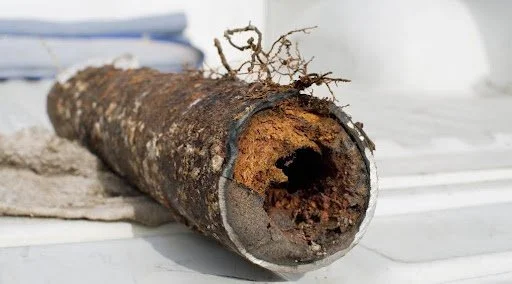
This is especially common in older homes where the pipes themselves have deteriorated over decades of use. Corrosion, mineral buildup on interior pipe walls, and shifting ground can all create conditions where debris naturally collects, no matter how thoroughly the drain is cleaned.
Common Reasons Drains Clog Again After Cleaning
Tree Root Intrusion
Tree roots are one of the most common culprits behind recurring sewer and drain clogs, particularly in older neighborhoods with mature landscaping. Roots naturally seek out moisture and nutrients, and even a hairline crack in a sewer pipe is enough of an invitation. Once inside, roots expand over time and create a web that catches everything flowing through the line. A plumber can cut roots out during a cleaning, but unless the pipe itself is repaired or lined, the roots will grow back, often within months.
Pipe Bellies and Negative Grade
Sewer pipes are designed to flow downward at a specific grade so that waste moves toward the main sewer line by gravity. When the ground shifts, pipes can sag and create a low spot called a belly. Wastewater slows down in that section and solids begin to settle rather than flow through. Over time, those settled solids build up into a blockage. Drain cleaning flushes out what’s collected there, but the belly remains, and so does the problem.
Grease Buildup in Kitchen Lines
Kitchen drain lines are particularly vulnerable to grease and fat deposits. Even if you avoid pouring cooking oil directly down the drain, small amounts accumulate every time you rinse a pan or wash dishes. Grease coats the interior of the pipe, and over weeks and months that coating thickens. Hot water clears some of it, and a professional cleaning removes the active clog, but the pipe walls remain coated and quickly start collecting new material.
Damaged or Collapsed Pipe Sections
Clay tile and cast iron pipes, both common in homes built before the 1980s, are prone to cracking, separating at joints, and in severe cases, collapsing. A cleaning can temporarily restore some flow, but a partially collapsed pipe will clog again almost immediately because the passageway is simply too restricted for normal use. This type of problem requires repair or full replacement of the affected section.
Why You Need to See Inside the Pipe
The only reliable way to diagnose a recurring drain problem is to actually look inside the pipe. A sewer camera inspection by RJP Plumbing & Heating uses a flexible waterproof camera fed directly into the drain line, giving a plumber a real-time view of exactly what’s happening inside. Bellies, root intrusions, cracks, grease coating, and collapsed sections all show up clearly on camera, something no amount of poking around from the outside can tell you.
Skipping the camera inspection when drains are repeatedly clogging is a bit like a doctor treating symptoms without ordering any tests. You might get temporary relief, but without knowing what’s actually going on, the problem will keep coming back. A camera inspection eliminates the guesswork and lets your plumber recommend the right long-term fix rather than the same short-term patch over and over.
What Happens After a Camera Inspection
Once your plumber has a clear picture of what’s inside the line, the path forward becomes much more straightforward. Minor root intrusion caught early can sometimes be handled with root treatment and regular maintenance. A pipe belly may require excavation and re-sloping the line. Corroded or cracked sections can often be rehabilitated with trenchless pipe lining, which avoids tearing up your yard or flooring. And if a section has fully collapsed, replacement is usually the only option.
The key takeaway is that each of these solutions is targeted. You’re not paying for another cleaning that will only buy you a few more weeks of function. You’re addressing the actual cause and getting ahead of it.
Don’t Keep Treating the Same Clog
There’s a point where repeated drain cleanings stop making financial sense. If you’ve had the same drain cleared two or three times in the past year, what you’ve spent on service calls has likely already covered the cost of a proper inspection. And every month you go without addressing the root issue, you risk the problem progressing into something more serious and more expensive.
Recurring drain clogs are almost always telling you something. They’re not random bad luck, and they’re not something you just have to live with. The right inspection and the right repair can put an end to the cycle for good.
If your drains keep backing up despite repeated cleanings, reach out to a licensed plumber who can run a camera through the line and give you a straight answer about what’s really going on. That one step will tell you more than a dozen service calls ever could.

Simple Home Maintenance Tasks That Improve Indoor Comfort
Comfortable homes don’t always need major renovations. Minor maintenance tasks may make a great difference in how you make your home feel daily. If done properly, these tasks won’t just improve overall comfort. They will also enhance temperature control and air quality.
We partnered with a home improvement company for this post. The opinions in the post are honest. All reviews and opinions expressed in this post are based on our personal views. We are excited because we know you will love it.

Comfortable homes don’t always need major renovations. Minor maintenance tasks may make a great difference in how you make your home feel daily. If done properly, these tasks won’t just improve overall comfort. They will also enhance temperature control and air quality.
Most comfort issues start with minor problems that are simple to fix. Sparing a couple of minutes of your time to inspect your home will prevent major issues later. Some of the maintenance tasks that can improve indoor comfort are:
1. Keep Air Pathways Clean
Clean airflow can help all rooms in your home feel more comfortable and fresher. Debris and dust may accumulate inside vents. Not to mention, they may minimise the efficiency of your system. As a homeowner, schedule air duct cleaning as part of your routine maintenance. This won’t just support a cleaner indoor environment. It will also improve airflow.
2. Replace Filters on Time
Air filters in ventilation systems are made to trap dust. So, they should be in good condition. If they clog, the entire system will work harder. Replacing them regularly is crucial. It will help make indoor space feel comfortable.
3. Seal Drafts around Windows and Doors
Gaps around your windows or doors are an issue. They will let outdoor air enter the house. Sealing those openings is important. By doing so, you will maintain a stable indoor temperature.
4. Clean Ceiling Fans and Vent Covers
Dust collects on vent covers and ceilings over time. As fans operate, they spread dust throughout your home. Cleaning them regularly keeps air fresh. Not to mention, it ensures those fixtures work effectively.
5. Manage Indoor Humidity
The level of humidity matters. It can impact how comfortable your home feels. Excess moisture creates a sticky feeling. But dry air causes discomfort. Using exhaust fans in your bathroom is crucial. It will help to maintain a healthier balance indoors.
6. Keep Floors and Carpets Clean
Carpets and floors usually collect dust. This dust can affect the quality of indoor air. So, regular cleaning is crucial. It will help create a more comfortable living space.
7. Check Your Thermostat Settings
Thermostats control how ventilation systems operate. Incorrect settings don’t just result in uneven temperatures. They also lead to unnecessary energy use. Reviewing settings every season will keep you comfortable.
8. Maintain Bathroom and Kitchen Ventilation
Kitchens and bathrooms produce odours and moisture daily. Good ventilation doesn’t just keep indoor air fresh. It also removes excess humidity. Cleaning fans more regularly ensures they run more efficiently.
The bottom line is that indoor comfort depends on consistent maintenance. Minor tasks, like cleaning vents, make a great difference. By being proactive with these simple tasks, you will enjoy a more comfortable home.

WHAT TO DO IF YOU SMELL GAS NEAR YOUR FURNACE: A STEP-BY-STEP SAFETY GUIDE
A whiff of gas around a heater means trouble. So, act without delay! When leaks go unchecked, fires might start, health could suffer, and property damage may follow.
We partnered with a home improvement company for this post. The opinions in the post are honest. All reviews and opinions expressed in this post are based on our personal views. We are excited because we know you will love it.
A whiff of gas around a heater means trouble. So, act without delay! When leaks go unchecked, fires might start, health could suffer, and property damage may follow.
Here is what to do to ensure your safety.
Notice the early signals
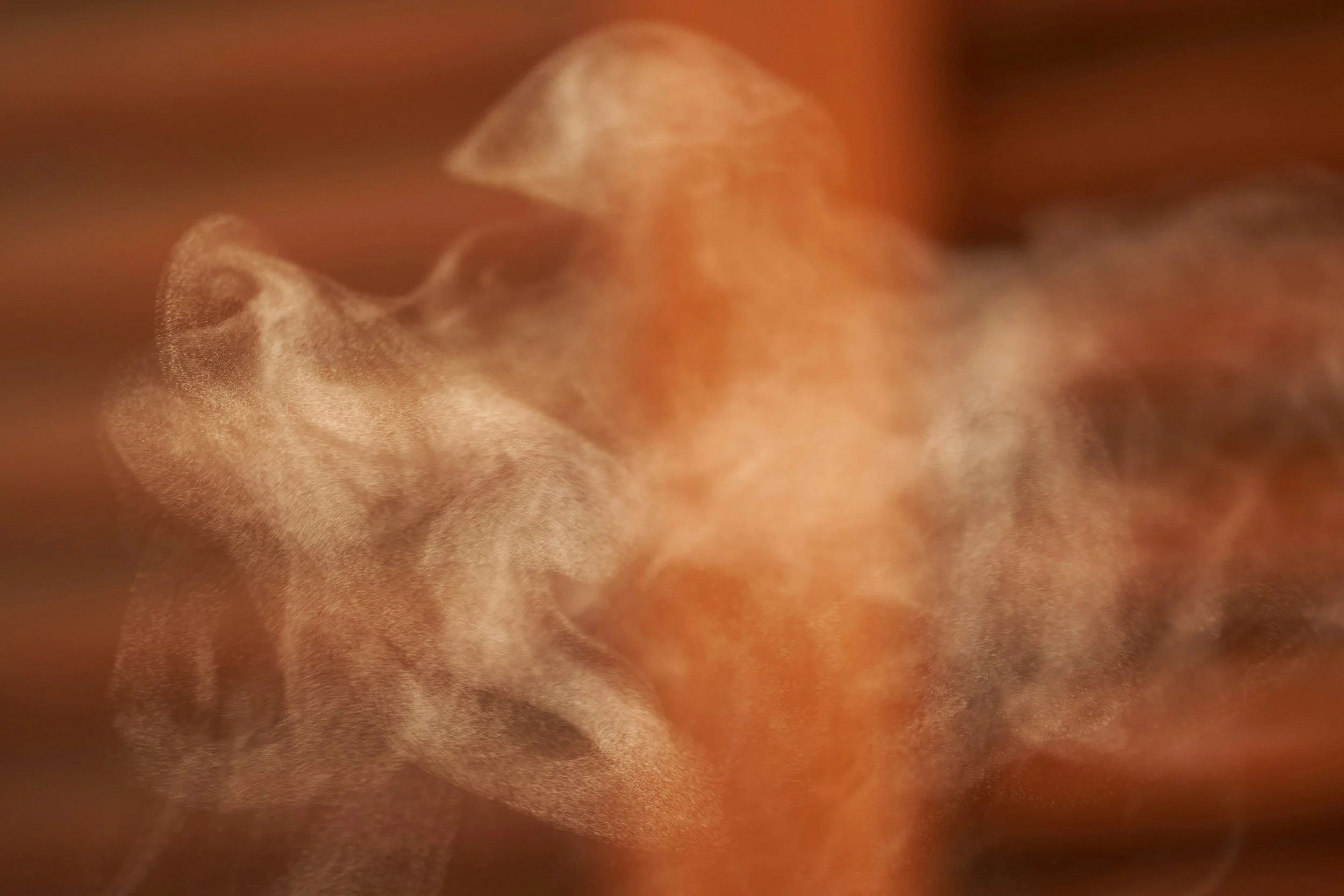
That odd stench near your heater is a warning. Natural gas is usually odorless. But utility providers use a smelly additive so people spot leaks fast. Smells like spoiled eggs? Pay attention.
Other warning signs of a leak include:
A hissing noise near gas lines
Dead plants around a gas line
Unusual furnace performance
Strange physical symptoms like dizziness, headache, and nausea.
A technician should inspect the unit right away.
Do not use electrical devices
Get out the door fast if you smell gas. Don’t touch any switches. Even flipping a light might spark the air. Step away without messing with gadgets or power things. Get people out first, worry about stuff later.
Evacuate
Get everyone out of the house right away. Do not grab things on your way out. Staying alive matters most.
After getting out safely, reach out to a firm that handles emergency furnace repair Red Deer. An expert can spot where the problem started and get your home warm again without risk.
Leave doors open if safe
Open doors as you leave. But only if doing so is quick and safe. That might let gas escape. It lowers how much gas builds up inside. Still, getting out fast matters more than airing out the place. Risking your safety just to crack a window? Not worth it.
Contact emergency services and your gas provider
Reach out to your gas provider. Ask about the possible leak. Listen closely to what they tell you. Do exactly that.
Strong smell filling the air? Think things might go wrong fast? Get hold of emergency responders too.
Schedule a professional furnace inspection
Smells like gas might come from:
Worn parts
Shaky joints
An old unit that is falling apart
A comprehensive inspection can reveal why a problem happened. It can also stop risks later on. What you spot today might prevent trouble tomorrow.
Stop future gas leaks before they happen
Catch small issues early! This often prevents bigger troubles later. A yearly check is important. It gives experts time to:
Examine pieces that might be failing
Verify fuel ducts are secure
Confirm everything runs without waste or risk.
The takeaway
A whiff of gas by your furnace? Never treat that lightly. Get out fast instead. Reach out to emergency services once you are safe. Let trained experts handle fixes after that. Acting without delay helps lower danger. So does checking the system often.

Plumbing Maintenance Checklist for Every Season
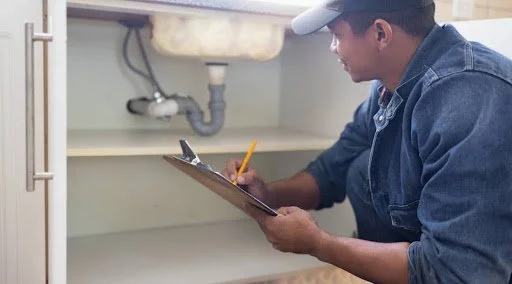
Your home's plumbing system works quietly in the background every single day, and like most things that do their job without complaint, it rarely gets the attention it deserves until something goes wrong. A burst pipe in January or a backed-up drain in July isn't just an inconvenience; it's a costly emergency that, in most cases, was entirely preventable.
We partnered with a home improvement company for this post. The opinions in the post are honest. All reviews and opinions expressed in this post are based on our personal views. We are excited because we know you will love it.
Your home's plumbing system works quietly in the background every single day, and like most things that do their job without complaint, it rarely gets the attention it deserves until something goes wrong. A burst pipe in January or a backed-up drain in July isn't just an inconvenience; it's a costly emergency that, in most cases, was entirely preventable.
The good news is that seasonal plumbing maintenance doesn't require a professional on speed dial or a toolbox full of specialized equipment. What it does require is consistency. This checklist walks you through what to inspect, test, and address each season so your plumbing stays reliable year-round.
Spring: Thaw Out and Inspect
After months of cold weather, spring is the ideal time to do a full audit of your plumbing system. Freezing temperatures can stress pipes, fittings, and outdoor fixtures in ways that aren't always immediately visible.
Outdoor Faucets and Hose Bibs
Turn on your exterior faucets and watch for drips, reduced pressure, or any sign of water coming from inside the wall rather than the spout. A freeze-damaged pipe may have cracked without your knowledge. If you spot anything unusual, call a plumber before warm weather turns a hairline crack into a flood.
Sump Pump Testing
If your home has a sump pump, spring is when it earns its keep. Pour a bucket of water into the sump pit to trigger the float switch and confirm the pump activates and drains properly. A failed test in March is far better news than a flooded basement in April.
Water Heater Check
Sediment builds up in water heater tanks over time, reducing efficiency and shortening the unit's lifespan. Flush the tank to clear any buildup and inspect the pressure relief valve by briefly lifting the lever. Water should flow freely, then stop when released. If it doesn't, the valve needs replacing. If you spot anything unusual, call a local plumber in Bergen County, NJ before warm weather turns a hairline crack into a flood.
Summer: High-Use Season Preparation
Summer brings house guests, more showers, backyard entertaining, and irrigation systems running on full. Your plumbing sees heavier use than any other time of year, making it worth a quick inspection before the season peaks.
Irrigation and Sprinkler Systems
Inspect all sprinkler heads for damage from winter and mowing season. Look for heads that spray sideways, don't retract properly, or leave dry patches in the lawn. These signal clogs or breaks that waste significant water. Check the system's timer and adjust the schedule to account for summer heat without overwatering.
Garbage Disposal
Summer cookouts mean more food waste going down the kitchen drain. Test your disposal's performance and listen for any grinding or labored sounds that suggest worn blades. Run cold water before and after each use, avoid putting fibrous foods or grease down the drain, and clean the unit monthly with ice cubes and coarse salt to break up buildup.
Washing Machine Hoses
With beach towels, sports uniforms, and outdoor gear cycling through the laundry constantly, it's worth inspecting the hoses behind your washing machine. Look for bulging, cracking, or corrosion near the connections. Rubber hoses have a typical lifespan of five years; if yours are older, consider upgrading to braided stainless steel hoses, which are significantly more durable.
Fall: Winterization Prep
Fall maintenance is arguably the most consequential of the four seasons. Getting your plumbing ready for freezing temperatures can be the difference between a normal winter and a catastrophic pipe burst.
Shut Off and Drain Outdoor Water Lines
Once temperatures begin dropping consistently below 40°F at night, it's time to shut off the water supply to outdoor faucets and drain the lines completely. Water left in uninsulated exterior pipes will freeze and expand, potentially splitting the pipe. Disconnect garden hoses from bibs before the first frost, a connected hose traps water right at the fitting, increasing the risk of damage.
Insulate Vulnerable Pipes
Walk through your basement, crawl space, and garage and identify any pipes that run along exterior walls or in unheated spaces. Foam pipe insulation is inexpensive and takes minutes to install. Pay particular attention to pipes near windows or in areas with consistent drafts.
Water Heater Efficiency
As temperatures drop, your water heater works harder to maintain temperature. If your unit is set above 120°F, consider dialing it back, you'll save energy without sacrificing comfort. Also check the unit's insulation blanket if it's an older model, and inspect the area around the base for any signs of slow leaking.
Winter: Monitor and Prevent
Winter plumbing maintenance is less about active repairs and more about vigilance and prevention. Most of the hard work has already been done in fall; now it's about protecting what you have.
Know Where Your Main Shutoff Is
Before the coldest months arrive, make sure every adult in your household knows where the main water shutoff valve is located and how to operate it. In the event of a burst pipe, getting to that valve quickly can save thousands of dollars in water damage.
Keep Heat Consistent
Resist the temptation to dramatically lower the thermostat when you leave the house for an extended period. Keeping indoor temperatures at or above 55°F helps prevent pipes in interior walls from freezing. For particularly vulnerable areas like cabinets under sinks on exterior walls, leaving the cabinet doors open allows warm air to circulate around the pipes.
Watch for Slow Drains
Winter is often when slow drains become noticeable as hair, soap scum, and grease accumulate. Rather than reaching for chemical drain cleaners which can damage older pipes, use a drain snake or call a plumber for stubborn clogs. Monthly maintenance with a baking soda and hot water flush can keep things moving without harsh chemicals.
A Final Word on Consistency
Plumbing problems rarely appear out of nowhere. They develop slowly, signaled by small clues, a minor drip, a little rust around a fitting, a drain that takes just slightly longer than it used to. Seasonal maintenance is really about training yourself to notice those signals before they escalate.
Set a reminder at the start of each season, work through your checklist methodically, and don't postpone the small fixes. The cost of a replacement washer or a tube of pipe insulation is a fraction of what an emergency plumber charges at midnight in February.
Your plumbing is a system. Treat it like one.