

A resource for those seeking information on organizing and transforming spaces.

What a Full Roof Replacement Does for Your Home
Few home projects change a house as completely as a new roof. The day the old shingles come off and the new ones go on, the whole property looks different from the street.

Few home projects change a house as completely as a new roof. The day the old shingles come off and the new ones go on, the whole property looks different from the street.
It also changes something less visible. Homeowners who have spent a few storm seasons checking ceilings for stains and listening for dripping tend to describe the finished job the same way, as a real sense of relief.
Knowing When It Is Time
Roofs rarely fail all at once. They wear down gradually, and the signs usually show up well before a leak does.
Curling or cracked shingles are one clue. Granules collecting in the gutters are another, since those small mineral pieces protect the asphalt from the sun. Bald patches, soft spots underfoot, shingles missing after a windstorm and daylight showing through the attic boards all point in the same direction.
Hail changes the timeline in Colorado. A single storm can bruise shingles in ways that are hard to spot from the ground but shorten their life considerably, which is why an inspection after a major hailstorm is worth scheduling even when nothing looks wrong.
Age matters too. A roof that has been up for a long stretch may simply be at the end of its service life, and patching it further often costs more over time than starting fresh.
Starting With a Full Tear-Off
A replacement done right removes everything down to the wood. Laying new shingles over old ones can seem like a shortcut, but it hides problems and adds weight to the structure.
Once the old material is gone, the crew can see what has been happening underneath. Soft or rotted decking gets replaced. New underlayment goes down as a moisture barrier. Flashing around chimneys and vents gets renewed rather than reused. Ice and water protection goes along the eaves and valleys, where melting snow tends to back up.
Ventilation deserves attention at this stage as well. An attic that cannot breathe traps heat in summer and moisture in winter, and both shorten the life of even the best shingles.
This is where the choice of contractor starts to show. Established companies such as Advanced Exteriors Inc., which handles roof replacement in Colorado Springs and along the Front Range, are worth evaluating on whether they provide a detailed written estimate, whether they walk homeowners through material options and their drawbacks, whether they can help with an insurance claim after hail, and whether their workmanship is backed by a clear warranty. Ask how the crew protects landscaping during tear-off and how the site gets cleaned afterward, too. A contractor who answers those questions plainly is usually the one who plans the job carefully.
Choosing Materials for the Front Range
The look of a new roof is the part most homeowners enjoy deciding.
Architectural shingles add depth and shadow lines that older flat shingles never had. Color choices have grown well beyond basic gray and brown, and a darker or warmer tone can make trim, stone, siding and even the front door look sharper by contrast.
Performance belongs in the conversation too. Impact-resistant shingles hold up better against hail, and some insurers offer discounts for them. Metal roofing is another option for homeowners who want a long service life and a cleaner, more modern profile.
Matching the roof to the house matters more than chasing a trend. A good contractor will bring samples and show photos of finished homes before anything is ordered.
Enjoying the Fresh Start
The transformation shows up almost immediately. Clean lines along the ridge, fresh color from the street, crisp edges at the eaves and straight, even rows make a house look cared for in a way that paint alone cannot.
The practical benefits follow quietly. Fewer worries during storm season. Lower chance of a surprise leak. A stronger selling point if the house goes on the market. More comfortable rooms once the attic is properly ventilated.
There is real satisfaction in pulling into the driveway and seeing it for the first time. The house looks like itself again, only better, and the next hailstorm feels a lot less like something to dread.

DIY Repairs That Make Kids' Furniture Last Longer
Kids are tough on furniture, but worn does not always mean ruined! Explore these simple fixes that help your favorite pieces last longer before you shop.

Kids have a special talent for making furniture look much older than it is. A perfectly good chair starts wobbling after a few months. The playroom bench picks up a tear, and somehow a dresser drawer stops closing even though nobody remembers doing anything to it.
Before you replace another piece, try a few of these DIY repairs that make kids' furniture last longer. Many common problems come from loose hardware or worn surfaces rather than a piece reaching the end of its life. Fixing those issues helps you stretch your budget and saves you from another furniture-shopping trip after work.
Tighten Wobbly Chairs Before They Get Worse
A slight wobble rarely stays slight for long. Every time your child climbs onto the chair or drags it across the floor, the loose joint takes more stress.
Start by turning the chair over and checking the screws. Tighten anything that has worked loose, but stop once the hardware feels secure. Overtightening might strip the hole and leave you with a bigger repair.
Check the Joints While You Are There
Give each leg a gentle wiggle after tightening the hardware. If the movement comes from a glued joint instead of a screw, you might need to reglue it. Fixing the wobble now keeps the frame from shifting every time someone sits down, which also makes the chair feel much safer during busy mornings when nobody has time to think about furniture stability.
Repair Loose Upholstery Before It Tears
Loose fabric on a kid's chair or bench usually starts small. One edge pulls away underneath, then little hands find it. From there, the problem tends to grow quickly.
Flip the piece over and see how the fabric attaches to the frame. If the material still looks strong, you might only need to pull it snug and secure the loose edge again.
For a larger upholstery project, an upholsterer’s guide to heavy-duty staple guns offers a helpful starting point for choosing tools that suit thicker materials. The right tool makes the repair easier, but technique is the most important part.
Keep the tension even so one side does not end up tighter than the other. Once the seat looks smooth again, secure the material underneath where the fasteners stay out of sight.
Stop Drawers From Becoming a Daily Battle
Before replacing the dresser, pull out the drawer and inspect the slides. A loose screw might cause the drawer to tilt slightly, which makes it catch every time someone opens it. Tighten the hardware and clear anything blocking the track. If the slides show damage, replacing them usually costs much less than buying a new dresser.
You should also check whether children have overloaded the drawer. Kids are excellent at turning one drawer into storage for half the room, after all. Removing some weight sometimes solves the problem before you reach for a screwdriver.
Smooth Rough Edges Before They Spread
Furniture edges take plenty of abuse in a family home. A toy hits the corner, paint chips away, and suddenly a small rough patch starts catching on clothes. Take care of those spots before more material breaks away. Start by gently smoothing the damaged area with fine sandpaper. You want to remove the rough edge without reshaping the furniture.
For painted pieces, touch-up paint helps protect the exposed area afterward. Try to match the existing finish closely, but don't stress about making the repair invisible. On kids' furniture, durability matters more than perfection.
Give Scratched Surfaces a Quick Refresh
A scratched tabletop does not always need refinishing from top to bottom. Start by cleaning the surface so you know which marks are permanent and which ones came from crayons or everyday grime. Once the table dries, look at the scratches again.
Light marks sometimes respond well to a furniture touch-up product made for the existing finish. Deeper scratches, on the other hand, need more attention because exposed wood has less protection from spills.
Before you start, gather what you need:
A soft cleaning cloth
Fine sandpaper for rough spots
A matching touch-up product
A small brush for detailed areas
Clean rags for wiping excess product
Keep the repair focused on the damaged section. You do not need to turn a Tuesday evening into a full furniture-restoration project.
Replace Small Hardware Instead of the Furniture
Sometimes the broken part costs only a few dollars. For example, a missing drawer pull makes a dresser feel worn out. A damaged hinge makes a toy chest frustrating to use. Neither problem means the whole piece needs to go. Take the damaged hardware with you when shopping for a replacement. Matching the hole spacing saves you from drilling new holes into the furniture.
If the original hardware feels flimsy, this is also your chance to choose something sturdier. A stronger hinge or better handle gives an older piece a little more life without changing how your child uses it. One replacement part might save you an entire afternoon of furniture shopping and assembly.
Fix Peeling Finishes Before Moisture Gets In
Once a painted or sealed surface starts peeling, water has an easier path to the material underneath. Start by removing loose finish around the damaged spot, then smooth the edge gently so the remaining coating does not keep lifting.
After cleaning the area, apply a suitable finish that matches the original surface as closely as possible. Give it enough drying time before the furniture goes back into regular use.
Know When a Repair Is No Longer Worth It
Repairing furniture makes sense when the structure still feels solid, but safety should decide when you stop. If a chair frame has a major crack or a crib component shows structural damage, replacing the piece makes more sense than trying to repair it. The same goes for furniture that keeps failing in the same spot.
Still, plenty of everyday damage falls nowhere near that level. Loose hardware, worn fabric, and sticky drawers usually deserve a closer look before you give up on the piece.
Once you get comfortable with these DIY repairs that make kids' furniture last longer, you start seeing worn furniture differently. Instead of assuming something needs replacing, you first ask what actually failed.
Sometimes the answer takes ten minutes and a screwdriver. For a busy family, that is a lot easier than hauling another flat-packed box through the front door.

Keeping a Remodeling Project Organized From Start to Finish
Keep your remodeling project organized with smart scheduling, material planning, waste removal, clear communication, and practical job site management tips.
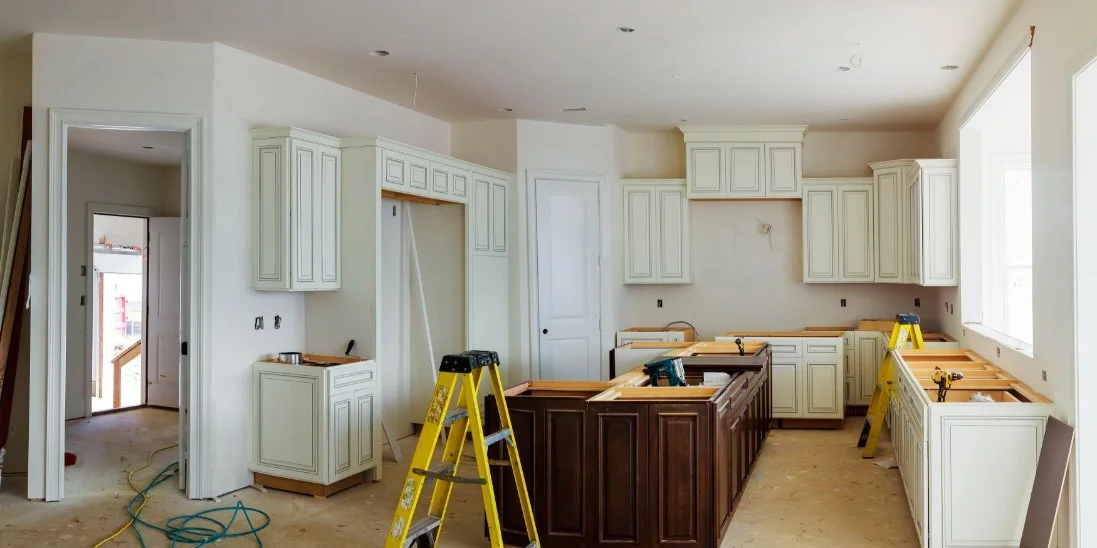
Remodeling can transform a dated or inefficient space into something that better fits the needs of the people using it. Whether the project involves updating a kitchen, renovating an entire home, or improving a commercial property, however, the finished result depends on much more than design choices. There are schedules to coordinate, materials to manage, contractors to communicate with, and unexpected problems to resolve along the way.
Without a clear organizational system, even a relatively straightforward renovation can become difficult to manage. Delayed deliveries, misplaced materials, accumulated debris, and scheduling conflicts can quickly affect both the timeline and budget. Keeping a remodeling project organized from start to finish helps reduce these disruptions while making it easier for everyone involved to understand what needs to happen next.
Establish the Scope Before Work Begins
Organization should begin well before demolition or construction starts. One of the first priorities is defining exactly what the remodel is intended to accomplish. A project without a clearly established scope can gradually expand as new ideas arise, creating additional expenses and complicating the original schedule.
Determine which areas will be renovated, which features will be replaced, and which elements will remain untouched. Decisions about finishes, fixtures, structural changes, and major appliances should also be made as early as practical. The more questions that can be answered before construction begins, the fewer decisions will need to be made under pressure later.
A defined scope also gives contractors a clearer understanding of the work involved. This can improve estimates, scheduling, material ordering, and coordination between different trades.
Build a Realistic Project Schedule
Remodeling work rarely consists of a single continuous task. Instead, projects typically move through several phases that depend on one another. Demolition may need to happen before electrical or plumbing work, for example, while drywall installation must be completed before certain finishing work can begin.
Creating a realistic schedule helps everyone understand these dependencies. Rather than simply establishing a desired completion date, break the project into phases and determine approximately when each one should occur.
Some flexibility should be built into the timeline. Hidden damage may be uncovered during demolition, materials may arrive later than expected, or a particular phase may require additional work. A schedule with no room for adjustments can become unrealistic as soon as the first unexpected issue appears.
Keep Project Information in One Place
A remodel can generate a surprising amount of information. Contracts, estimates, invoices, product specifications, measurements, warranties, permits, and design selections may all need to be referenced throughout the project.
Keeping these documents organized prevents time from being wasted searching for important details. Whether records are stored digitally, physically, or through a combination of both, everyone responsible for major decisions should know where essential information can be found.
It is also useful to keep records of significant changes made during construction. If a product is substituted, a design is modified, or additional work is approved, documenting the decision can prevent confusion later. This is particularly important when a change affects the project's cost or completion date.
Plan Material Deliveries Carefully
Ordering materials is only part of the challenge. Those materials also need to arrive at the appropriate time and have somewhere safe to go when they reach the property.
Deliveries that arrive too early can crowd the work area and increase the possibility of damage. Deliveries that arrive too late can leave contractors waiting and interrupt the construction sequence. Coordinating purchases with the project schedule can help maintain a steady workflow.
Consider storage requirements as well. Flooring, cabinetry, fixtures, lumber, tile, and other materials may need to remain on-site before installation. Designating storage areas protects these products while keeping walkways and active work zones clear.
Stay Ahead of Construction Debris
Demolition and construction produce waste quickly. Old cabinets, flooring, drywall, lumber, packaging, fixtures, and other discarded materials can consume valuable working space if they are not removed regularly.
A waste-management plan should therefore be established before demolition begins. Depending on the scale of the project, this may involve scheduled pickups or an on-site container. Working with a professional provider can simplify decisions surrounding container size, placement, pickup schedules, and disposal requirements. Understanding the advantages of professional dumpster rental services can be useful when determining how waste removal fits into the broader logistics of a remodeling project.
Keeping debris under control does more than improve appearances. Clear work areas make it easier for crews to move equipment and materials, locate what they need, and perform tasks without unnecessary obstructions.
Create Defined Work and Storage Zones
An active remodeling site can quickly become cluttered when tools, materials, debris, and personal belongings compete for the same space. Establishing specific zones can bring structure to an otherwise changing environment.
Materials awaiting installation can have a designated storage area, while tools can be returned to an established location when they are not being used. Items scheduled for removal should be separated from materials that need to remain on the property.
Defined pathways are equally important. Workers should be able to move between active areas without stepping over supplies or navigating unnecessary obstacles. This becomes especially valuable when multiple trades are working at the property simultaneously.
Maintain Consistent Communication
Good organization depends heavily on communication. Homeowners, property managers, contractors, subcontractors, designers, and suppliers may all be involved in different parts of the remodel. When information does not reach the appropriate people, minor misunderstandings can create substantial delays.
Establish how project updates will be communicated and who is responsible for making key decisions. Regular conversations about progress can identify concerns before they interfere with later phases of work.
Communication is particularly important when the original plan changes. If an unexpected plumbing issue affects cabinetry installation, for instance, the people responsible for both tasks need to understand the revised schedule. Keeping everyone informed reduces the likelihood that one adjustment will create problems elsewhere.
Finish With the Same Level of Organization
As construction nears completion, it can be tempting to treat the organizational work as finished. The final stage, however, often includes inspections, touch-ups, cleaning, documentation, warranty information, and final payments.
Walk through the remodeled area carefully and identify anything that still requires attention. Keep records related to installed products, contractor warranties, paint colors, flooring selections, and replacement components. These details may be valuable months or years after the project is complete.
Leftover materials should also be evaluated. Useful spare tile, flooring, paint, or hardware can be labeled and stored for future repairs, while unnecessary construction waste should be removed.
Ultimately, keeping a remodeling project organized from beginning through completion is about creating enough structure to manage a process that will inevitably involve moving parts. Clear plans, coordinated schedules, controlled work areas, consistent communication, and timely waste removal all contribute to smoother progress. When organization remains a priority throughout every phase, homeowners and contractors can spend less time untangling avoidable problems and more time moving the renovation toward completion.

Shag Carpet, Wood Paneling, and Other Flaws Cash Buyers Don't Care About
Selling a home can feel stressful when every outdated feature seems like another problem to fix. You may not need to spend thousands updating everything.
We partnered with a home improvement company for this post. The opinions in the post are honest. All reviews and opinions expressed in this post are based on our personal views. We are excited because we know you will love it.
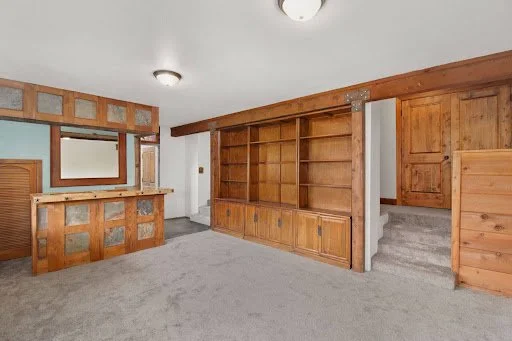
Selling a home can feel stressful when every outdated feature seems like another problem to fix. You may not need to spend thousands updating everything.
Cash buyers often look at a property differently from traditional buyers. They may consider location, structure, lot, potential, and overall condition. Cosmetic flaws can be part of the deal rather than a reason to walk away.
Why dated features may not scare cash buyers
Traditional buyers often imagine living in a home for years. They may prefer fresh flooring, modern colors, and renovated kitchens.
Cash buyers may have a different purpose. Some purchase homes that need work and renovate them for resale or rental.
An outdated appearance may simply be treated as a renovation cost rather than a deal-breaking flaw.
Shag carpet is rarely a deal breaker
Shag carpet can make a room look stuck in another decade. It may be worn or stained. Replacing it can also become expensive.
For a cash buyer, old carpet is often a straightforward improvement. They can remove it during renovation and install new flooring. If the carpet is unattractive yet the subfloor and structure are sound, the issue may remain largely cosmetic.
Before replacing every carpeted room, consider the numbers. Basic cleaning may be enough to make the home presentable for showings. If replacement costs several thousand dollars, compare that expense with the possible increase in your sale price.
Wood paneling can stay on the wall
Dark wood paneling is another feature that can make a home feel dated. Some buyers now prefer brighter walls and lighter finishes.
A cash buyer may see paneling as a manageable renovation item. They could paint it, cover it, remove it, or leave it in place. If it is secure and dry, changing it may not be necessary.
Cosmetic flaws vs. costly problems
Not every flaw carries the same weight. A useful way to look at an older property is to separate appearance issues from problems that can affect safety, structure, or major systems.
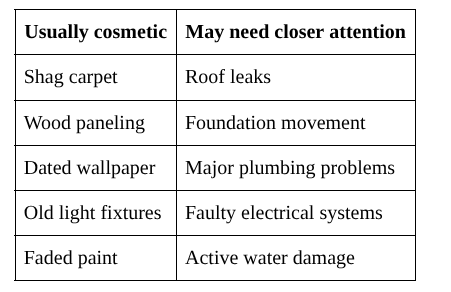
This distinction matters because fresh paint may improve a room's appearance, while repairing a leaking roof protects the property's underlying condition. Cash buyers may accept cosmetic imperfections more readily than serious defects that create uncertainty or expensive work.
Old kitchens do not always need a makeover
An outdated kitchen can make sellers nervous. Old cabinets, laminate countertops, mismatched appliances, or worn flooring may all need attention. A full kitchen renovation can quickly become one of the most expensive projects in a house.
For a cash buyer, an older kitchen can simply be part of the renovation plan. They may already have renovation plans. Spending heavily on a partial update before selling can limit your budget without producing a matching increase in the final offer.
If the kitchen is clean and functional, basic maintenance may be enough. Fixing small issues and cleaning surfaces can make the space easier to evaluate.
Where Signature Home Buyers fits in
Sellers who want to avoid spending months updating an older property can consider a direct cash sale as an alternative. Signature Home Buyers considers homes with dated finishes, cosmetic flaws, and other condition-related issues, depending on the property’s overall situation.
Share known problems, explain repairs you have completed, and provide relevant property information. A clear picture of the home's condition helps a buyer estimate renovation costs and make an offer based on the property as it stands.
Small fixes that can still help
You do not have to renovate a dated house to make it easier to sell. A few low-cost steps can improve the property.
Remove excessive furniture and personal belongings.
Clean carpets, floors, windows, and major surfaces.
Replace burned-out bulbs and broken switches.
Trim overgrown plants around entrances.
Fix loose handles, doors, and simple hardware.
Keep repair records available.
These tasks can make the property easier to inspect while keeping your spending under control. They also help buyers assess the home's condition.
A smarter way to judge repair costs
Before calling a contractor, make a short repair list. Put each item into three groups: must fix, useful if affordable, and leave for the buyer. Then estimate each project's cost and compare it with your expected selling price.
This approach can prevent emotional spending. A home does not need to look perfect. Location, size, layout, land, and systems may matter more.
Quick questions sellers often ask
Do cash buyers really purchase homes with shag carpet?
Yes, some cash buyers will consider homes with old carpet. They account for replacement costs when evaluating the property.
Should I remove wood paneling before selling?
Compare the removal cost with the likely effect on your sale price. If the paneling is sound and the issue is mainly cosmetic, leaving it may make financial sense.
What flaws are more likely to affect a cash offer?
Serious roof, foundation, plumbing, electrical, water, or structural problems can have a greater effect because they may require substantial repairs.
Can I sell an outdated house without renovating it?
Yes. Depending on your market and the buyer, you may be able to sell the property in its current condition. Companies such as Signature Home Buyers may evaluate the home's existing condition rather than requiring a full renovation first.