

A resource for those seeking information on organizing and transforming spaces.

The Eight-Week Countdown: Planning a London Move That Doesn't Fall Apart
Parking suspensions, lift bookings, completion chains and packing order — a week-by-week plan for moving house in London without the day falling apart
We partnered with a home improvement company. for this post. The opinions in the post are honest. All reviews and opinions expressed in this post are based on our personal views. We are excited because we know you will love it.
Moving house is stressful anywhere. Moving house in London is a logistics exercise wearing the costume of a domestic milestone.

The furniture is the same as anywhere else. Everything around it isn't. The streets are narrower, the parking is controlled to within an inch of its life, the staircases were built for households that owned considerably less, the lifts belong to a building manager with a booking sheet, and the completion chain that has to release your keys is spread across half the South East. A move that takes a morning in a market town can eat a day and a half in Zone 2 if nobody thought about where the van was going to stand.
The good news is that almost every London-specific problem is solvable in advance. Here's how the eight weeks before a move should actually run.
Eight weeks out: get quotes that are worth the paper
Start with surveys rather than prices. Any firm quoting a firm number off the back of a phone call and a postcode is guessing, and guesses get revised upwards on the day — usually while your possessions are already on the pavement.
A proper survey, whether in person or by video walkthrough, establishes the volume of your belongings, the access at both ends, whether anything needs dismantling, and whether specialist items — a piano, a large appliance, a full-height wardrobe that was assembled in the room — need particular handling. That's the difference between a quote and an estimate.
While you're comparing, check the substance behind the sales patter. Is the firm a member of a recognised trade body such as the British Association of Removers? What do its goods-in-transit and public liability policies actually cover, and to what limit per item? Are the crew employed, or subcontracted on the day? Companies offering professional home removals London households can rely on will answer all of that without hesitating, in writing. Vagueness about insurance is the single most useful red flag in the industry.
Get three quotes. Discard the cheapest if it can't explain why it's cheapest.
Six weeks out: measure things, and get rid of things
Two jobs, both boring, both worth hours later.
The first is decluttering. You're paying by volume, and London storage costs make hoarding expensive twice over. Charity shops, marketplace listings and a booked council bulky-waste collection will between them remove a surprising amount.
The second is measuring. Get the dimensions of every large item, and of every doorway, stairwell turn and lift car at the property you're moving into. Period conversions are the classic trap — a sofa that walked into a Victorian ground floor won't necessarily make a tight half-landing turn on the second. If something clearly won't go, you have six weeks to sell it, replace it, or arrange for it to come in through a window, which is a real service that needs booking and costs money.
Four weeks out: the London admin
This is the stage that separates smooth moves from chaotic ones, and it's the one most people skip.
Parking. If your street is controlled — most of inner London is — the removal van cannot simply arrive and stop outside. You'll usually need a suspended parking bay or a dispensation from the borough. Every council runs its own scheme, its own fee and its own notice period; several want at least five working days and some ask for considerably more, particularly in high-demand areas. Apply for both ends of the move, and apply early. A van forced to park eighty metres away doesn't just slow the job down — many firms charge a long-carry fee for it.
Lifts and loading bays. If either property is a flat in a managed block, contact the building manager now. Many require the lift to be booked, protective blankets fitted, moves restricted to weekday working hours, and proof of the removal firm's public liability insurance before they'll allow access at all. Blocks with a single service lift can be booked out weeks ahead on busy weekends.
Vehicle access and compliance. Large vehicles entering London are subject to emissions and safety schemes, and a reputable firm will have that covered as standard — but ask. Flag any low bridge, width restriction, gated mews, red route or bollarded street at either address, because the crew's route planning depends on knowing.
Two weeks out: pack like someone who has to unpack
Pack by room, not by category, and label every box on the side rather than the top — boxes get stacked, and a label on the lid is invisible in a loaded van.
Write the destination room on the label rather than the origin room. “Kitchen” is far more useful to a crew member holding the box at the far end than “under the stairs”.
Build an essentials box that travels with you in the car, not in the van: kettle, mugs, tea, phone chargers, toilet roll, hand soap, a towel each, medication, basic tools, scissors, and clean bedding for every bed. Someone always underestimates how late the last box gets unloaded.
Book professional packing if you're moving with small children, working full-time until the day before, or moving a household with a lot of fragile items. It is faster than you expect, and it is usually the difference between a firm's insurance covering breakages and not.
Finally: run down the freezer, book meter readings, redirect your post, and tell the council, your GP, your insurer, your bank and the DVLA that you're moving.
Moving week: understand the chain
If you're buying and selling, your move day is governed by completion, and completion is governed by money moving between solicitors along a chain of transactions. Keys are rarely released before late morning and sometimes not until mid-afternoon.
Plan for that rather than hoping around it. Ask your removal firm how they handle a delayed completion, whether the load can wait on the vehicle, and what it costs if it does. Confirm the crew size and arrival window in writing the week before. Make sure one named person at each end has a working phone and the authority to make decisions, and give the crew that number.
The day itself
A good crew arrives early, walks both properties before touching anything, protects floors and doorframes, dismantles what needs dismantling, wraps upholstery and mattresses, loads to a plan rather than to whatever fits, and keeps a running inventory.
Your job is to stay reachable, keep the kettle going, and make the destination decisions quickly — which room, which wall, upstairs or down. Experienced home removals London teams will keep the whole operation moving if you let them work; the single biggest cause of delay on the day is a household still deciding what goes where while the van is being emptied.
Before the crew leaves, walk the old property room by room — including the loft, the garden shed and the cupboard under the stairs. Check the inventory. Note any damage while everyone is still standing there, in writing, with photographs. Claims raised weeks later are far harder to resolve.
And then stop
Unpack the essentials box, make the beds, and leave the rest. You've just run a logistics operation across one of the most congested cities in Europe. The boxes will still be there tomorrow.

How Courier Services in Irvine Protect High-Value and Sensitive Packages
Courier services in Irvine play a critical role when businesses and individuals need to move valuable, confidential, or fragile items without taking unnecessary risks.
We partnered with a transport company for this post. The opinions in the post are honest. All reviews and opinions expressed in this post are based on our personal views. We are excited because we know you will love it.

Courier services in Irvine play a critical role when businesses and individuals need to move valuable, confidential, or fragile items without taking unnecessary risks.
Whether it's medical equipment, legal documents, luxury products, or sensitive electronics, secure delivery requires far more than simply transporting a package from one address to another.
The difference often comes down to careful handling, real-time visibility, trained drivers, and delivery processes designed to minimize every possible point of failure.
If you're comparing different options, it's worth understanding what professional courier services in Irvine do differently and why those extra safeguards matter when the contents of a shipment cannot be replaced easily.
Why High-Value Shipments Need Specialized Handling
Not every package can be treated the same way.
A box of office supplies can usually tolerate a few bumps along the journey, but expensive electronics, medical samples, artwork, legal paperwork, or prototype products often cannot.
Many valuable shipments are damaged long before they reach their destination because they pass through multiple sorting facilities, conveyor belts, trucks, and warehouses.
A dedicated local courier minimizes those transfer points, reducing opportunities for damage, theft, or delays.
For businesses, this level of protection also helps preserve customer trust.
A law firm delivering confidential contracts, for example, cannot afford to have paperworkmisplaced or delayed by several days.
Likewise, a jewelry retailer shipping custom orders expects every package to arrive exactly as it left.
Secure Chain of Custody Makes a Difference
Every Transfer Creates Risk
One of the biggest advantages of professional same-day delivery providers is maintaining a clear chain of custody.
Instead of handing a package between numerous facilities, the shipment often remains with a single driver from pickup to delivery.
That means there are fewer opportunities for loss, confusion, or accidental damage.
Tracking each stage also creates accountability throughout the delivery process.
If questions arise, businesses know exactly where the shipment has been and who handled it.
Signature Confirmation Adds Another Layer
Sensitive deliveries often require proof that the correct recipient accepted the package.
Digital signatures, photo confirmation, identity verification, and delivery timestamps provide documentation that standard shipping methods may not always offer.
This becomes especially valuable for financial institutions, healthcare providers, and legal professionals.
Proper Packaging Is Only Half the Equation
Many people assume that strong packaging alone guarantees safe delivery.
In reality, packaging and transportation work together.
A carefully packed laboratory instrument can still be damaged if it's repeatedly loaded, unloaded, or stacked beneath heavier freight.
Professional local delivery teams understand how different items should be secured inside vehicles.
Fragile equipment stays upright.
Temperature-sensitive materials remain protected.
Delicate products receive additional stabilization during transport.
Even something as simple as preventing excessive vibration during the trip can significantly reduce damage.
Real-Time Tracking Improves Security
Modern logistics relies heavily on visibility.
Knowing where a shipment is at any given moment helps businesses respond quickly if schedules change.
Real-time GPS tracking also provides reassurance for customers waiting on important deliveries.
Imagine an architecture firm sending signed construction permits to a contractor before an inspection.
Instead of wondering whether the documents will arrive on time, the office can monitor progress throughout the route.
That transparency reduces uncertainty for everyone involved.
Time-Sensitive Deliveries Demand Reliability
Delays Can Be More Costly Than Damage
Some shipments lose value simply because they arrive late.
Medical specimens may require strict delivery windows.
Replacement manufacturing parts can stop an entire production line until they arrive.
Legal filings often have court deadlines that cannot be missed.
Fast transportation isn't just about speed.
It's about dependable scheduling backed by experienced route planning.
Professional dispatch teams continuously evaluate traffic, weather conditions, and alternate routes to keep deliveries moving efficiently.
Driver Training Plays a Bigger Role Than Most People Realize
Drivers handling valuable shipments do much more than operate a vehicle.
They learn safe loading techniques, proper handling procedures, customer communication, and delivery verification.
For example, delivering sensitive medical equipment requires different handling practices than transporting architectural blueprints or confidential business records.
Experienced drivers recognize those differences and adjust accordingly.
That attention to detail significantly lowers the chances of mistakes.
Local Knowledge Helps Avoid Unexpected Problems
National shipping networks are excellent for moving packages across long distances.
However, local courier providers often have a better understanding of neighborhood traffic patterns, commercial buildings, restricted access locations, and delivery schedules.
Consider a delivery headed to a busy medical office complex during lunchtime.
An experienced local driver may already know which entrance offers the quickest access or which loading area avoids congestion.
Small details like these improve efficiency while reducing delays.
Industries That Depend on Secure Delivery
Many industries rely on dependable local transportation every day.
Healthcare providers frequently transport medical devices, prescriptions, and laboratory materials.
Law firms move contracts, evidence, and confidential legal documents.
Financial institutions exchange sensitive paperwork requiring secure handling.
Manufacturers ship replacement components needed to prevent production downtime.
Technology companies often send expensive hardware, servers, and prototype equipment that require extra protection.
Even photographers, event planners, and creative agencies regularly transport valuable gear that must arrive safely and on schedule.
Common Mistakes That Put Valuable Packages at Risk
Choosing Price Over Reliability
Selecting the lowest-priced delivery option isn't always the most economical decision.
A delayed prototype, damaged medical device, or lost legal document can cost significantly more than the shipping fee itself.
Ignoring Insurance Options
High-value shipments should have appropriate coverage.
Insurance provides additional financial protection if something unexpected occurs during transit.
Using Generic Packaging
Different products require different packaging methods.
Electronics, artwork, pharmaceuticals, and fragile instruments all benefit from customized protective materials.
Waiting Until the Last Minute
Planning deliveries early gives dispatch teams more flexibility to optimize routes and accommodate special handling requirements.
Last-minute requests can still be completed in many cases, but advanced scheduling often provides additional options.
How Businesses Build Customer Trust Through Better Delivery
Reliable delivery isn't just an operational task.
It's part of the customer experience.
When expensive purchases arrive on time and in perfect condition, customers remember the professionalism behind the transaction.
Imagine ordering a custom engagement ring before an important proposal.
Receiving it exactly when promised builds confidence not only in the courier but also in the retailer.
The same principle applies to businesses delivering medical supplies, confidential documents, or replacement equipment.
Consistent performance strengthens long-term relationships.
Choosing the Right Delivery Partner
Not every courier operates with the same standards.
Look for providers that offer shipment tracking, proof of delivery, experienced drivers, secure handling procedures, flexible scheduling, and responsive customer support.
Ask how fragile items are transported.
Understand their process for signature confirmation.
Learn what happens if weather or traffic creates unexpected delays.
These conversations reveal whether a provider has systems designed for valuable shipments or simply focuses on moving packages as quickly as possible.
Final Thoughts
Protecting valuable shipments requires more than fast transportation.
It involves careful handling, secure custody, experienced drivers, accurate tracking, and dependable communication from pickup through final delivery.
Whether you're sending confidential documents, medical equipment, luxury merchandise, or critical business materials, choosing the right delivery solution helps reduce risk while improving peace of mind.
When security, reliability, and timely service matter most, investing in professional local delivery is often the smartest decision for both businesses and individuals.
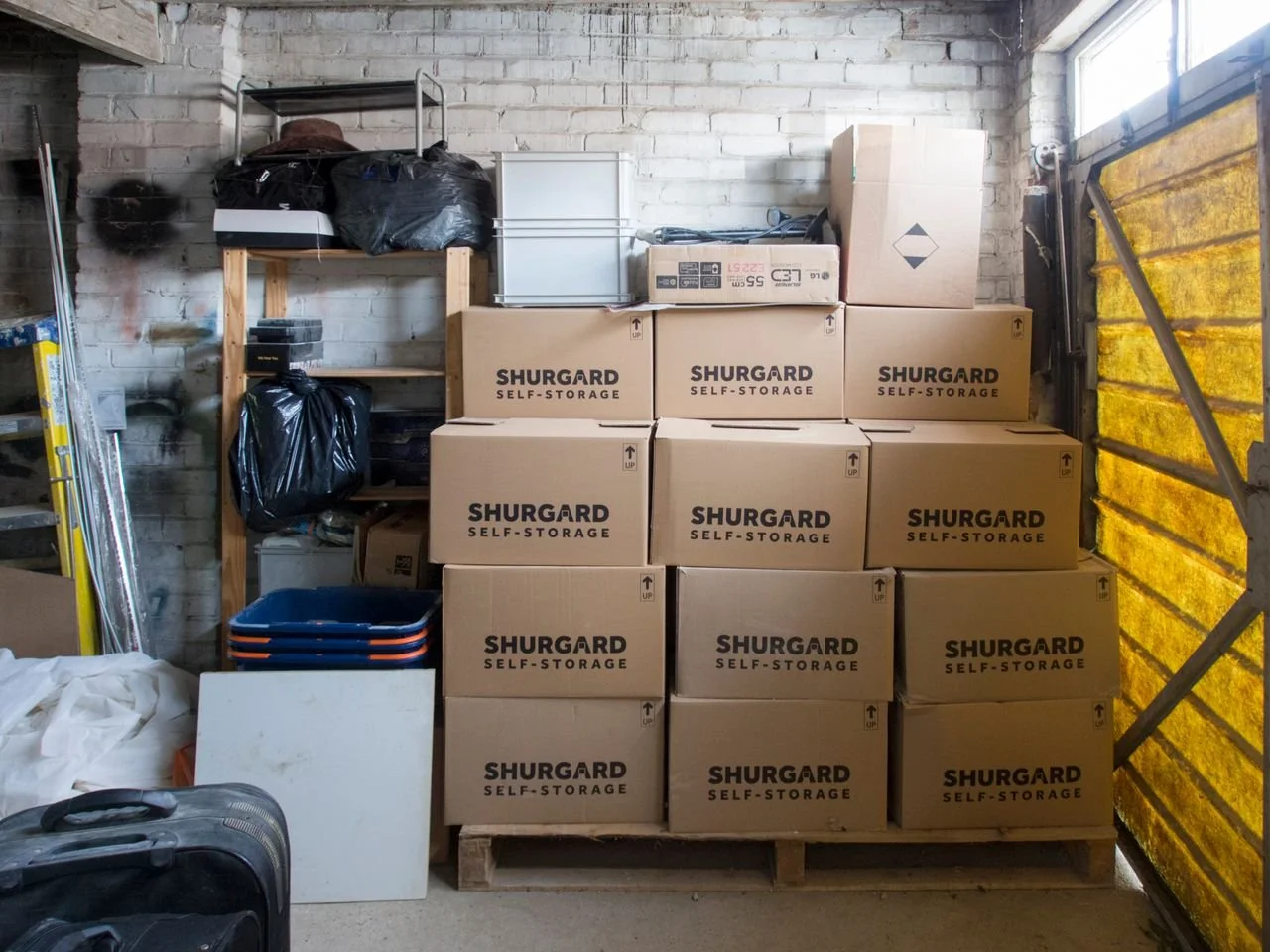
What your storage unit says about your decision-making
Storage units can be useful during many changes. You may need one while moving to a new home. It can also help during renovations or downsizing. Some people use storage during long trips. Others need extra space after a major family change. Some move often and need one to coordinate everything. Renting a unit does not mean you planned poorly. In many cases, it is simply a practical choice.
What can your storage unit reveal about your choices?
Storage units can be useful during many changes. You may need one while moving to a new home. It can also help during renovations or downsizing. Some people use storage during long trips. Others need extra space after a major family change. Some move often and need one to coordinate everything. Renting a unit does not mean you planned poorly. In many cases, it is simply a practical choice.
Still, the way you use that space may reveal certain habits. It can show how you respond to pressure or uncertainty. It may also highlight decisions you have postponed. Some people rent storage with a clear purpose and end date. Others keep paying because every box requires another choice. Understanding what your storage unit says about your decision-making can reveal useful patterns. The goal is not judgment. It is clarity.
Are you using storage to delay difficult decisions?
Sometimes, storage gives you valuable breathing room. That can help after a rushed move or sudden renovation. It may also help after a death, divorce, or family change. In those moments, you may need time before making permanent choices. There is nothing wrong with that.
However, temporary storage can become permanent without much notice. A few months can turn into several years. Meanwhile, the original reason for storing each item may disappear. Start with a simple question: Why did this item enter storage? Possible reasons include:
You lacked space at the time.
Your family could not agree about it.
You expected to move into a larger home.
Now ask whether that reason still applies. The answer may make your next step much clearer.
Does keeping everything protect you from future regret?
Many people keep belongings because they fear needing them later. A spare table might seem useful someday. Old clothes may feel worth saving. You may also worry about replacement costs. These concerns are understandable. However, possible usefulness is not the same as a realistic plan.
Ask when you last used the item. Then think about when you might use it again. “Next winter” gives you a clear timeline. “Someday” does not. Important items also deserve careful packing before storage. Use sturdy boxes, clear labels, and protective covers. These steps help keep everything safe and accessible.
You should also compare replacement costs with ongoing storage fees. Consider:
Monthly rent
Insurance
Transport
Packing supplies
Your time
Condition is another important factor. Stored items can suffer damage over time. Common risks include:
High temperatures that weaken some materials
Moisture that causes mold or warping
Pests that damage fabrics and boxes
In some cases, replacing an item later costs less.

Are emotional attachments affecting what you store?
Some belongings carry strong personal meaning. A dining table may remind you of a relative. Baby clothes may represent an important family stage. Awards or school papers can mark major achievements. These connections can make decisions feel much harder. Learning how to let go of sentimental clutter can make the process feel more manageable.
First, identify what the object represents. It may connect to:
A person
An event
A past identity
Then ask whether the item still supports that memory. You may not need every object connected with the same experience. Keeping one meaningful piece can sometimes feel more manageable.
You could photograph large items before letting them go. You might also write down the story behind them. These steps preserve the memory without keeping everything. Emotional attachment is normal. It should not be confused with hoarding disorder. That condition involves serious distress and ongoing difficulty discarding possessions. A full storage unit alone does not indicate it.
Does poor labeling make storage decisions harder?
Good decisions depend on knowing what you own. Unlabeled boxes hide useful information. You may forget what sits inside them. You may also lose track of where certain items are stored. As a result, you might buy duplicates or avoid the unit altogether.
A simple inventory can make the space easier to manage. For each container:
Add a number.
Record its main contents.
Include the storage date.
Set a future review date.
Add photographs when descriptions feel vague.
Next, organize your self-storage unit by category. Keep similar items in the same area, including:
Documents
Clothing
Tools
Seasonal decorations
Leave enough space to walk through the unit safely. Frequently used items belong near the entrance. Better visibility does not make decisions for you. However, it removes confusion and saves time.
Can too many choices make sorting more difficult?
A full storage unit can contain hundreds of small decisions. Every item needs some form of action. Having too many choices can feel exhausting during one long visit. After a while, your judgment may become slower. You may also start making choices simply to finish faster.
A smaller plan usually works better. Before entering the unit:
Choose one category.
Set a short time limit.
Prepare clear destinations for each item.
Arrange transport for outgoing belongings.
You might begin with old kitchen supplies. Unused clothing can also be an easier starting point. Thirty minutes may be enough for one focused session.
Some belongings may return to storage. Others may leave the unit. Without transport, outgoing items may end up back inside. Start with low-emotion categories. Save sentimental belongings for another day. Stop when your choices become less consistent.

Can clear storage rules improve your decisions?
Clear rules reduce repeated debates about the same items. Start by defining the unit’s purpose in one sentence. It may support:
An upcoming move
Seasonal equipment
Verified business stock
Once you define that purpose, compare every item against it.
Different categories need different rules:
Furniture should have a confirmed future location.
Valuable belongings need a realistic sales deadline.
Useful items without a clear purpose may be better elsewhere.
Damaged items need a safety review.
Electronics may require approved recycling services.
Sentimental belongings often need more time. Review them during a separate session. This prevents emotional choices from slowing every category. Your rules should also change when your life changes. Review them once each year. A new home, smaller budget, or growing family can affect what deserves storage. A thoughtful layout also matters because storage unit design can shape organization habits.
What should your next storage decision be?
Your storage unit may support a genuine and temporary need. It may also contain belongings that no longer fit your life. Start by reviewing the purpose of the space. Then look for old plans, forgotten purchases, duplicate items, and damaged goods. Unclear labels deserve attention too. Handle emotional belongings separately from ordinary household items. Work in short sessions and use clear rules. Compare each item’s usefulness with its ongoing cost. Understanding what your storage unit says about your decision-making can help you make calmer choices. Begin with one box or one category. Complete that decision before opening another. The goal is not always an empty unit. A well-managed space can still serve you. What matters most is whether the unit supports your current needs.
Meta descriptions: Learn what your storage unit says about your decision-making and create a clearer, calmer plan for what stays, moves, or leaves your space today, now.

When to Keep, Sell, or Donate Old Camera Gear During a Decluttering Project
Old camera gear tends to build up over time. Lenses, tripods, bags, and accessories often stay long after they stop being useful. During a decluttering project, it can be hard to decide what to keep and what to let go of. A clear plan helps you sort through items without second-guessing every choice.

Old camera gear tends to build up over time. Lenses, tripods, bags, and accessories often stay long after they stop being useful. During a decluttering project, it can be hard to decide what to keep and what to let go of. A clear plan helps you sort through items without second-guessing every choice.
Start With a Full Inventory
Begin by gathering all your camera gear in one place. This includes cameras, lenses, memory cards, batteries, and accessories. Seeing everything together gives a clear picture of what you own.
Check the condition of each item. Look for damage, missing parts, or outdated features. Then, make a simple list so you can track what you decide to keep, sell, or donate. This step makes the rest of the process much easier.
Decide What to Keep
Keep gear you actually use. If a camera, lens, or accessory has been part of your routine in the past few months, it likely belongs in your setup. Items you reach for without thinking are usually the most valuable.
Remove duplicates. If you own multiple items that serve the same purpose, keep the one that performs best. Extra versions often sit unused and take up space. They're better off being given away or sold for extra cash.
Check the condition and reliability of your gear. Equipment that works well and supports your workflow is worth keeping in your inventory. Items that cause delays or need frequent fixes may not be worth holding onto.
Identify Items Worth Selling
Some gear still holds value even if you no longer need it. Popular lenses, newer camera bodies, and well-kept accessories often sell well. Research current prices to get a sense of what your items are worth. This can help you decide if you want to sell or not.
Selling can also help recover some of your original costs. Listing items on a used camera marketplace allows you to reach buyers who are already looking for camera equipment and accessories. When listing, make sure to use clear photos and be honest in your descriptions. This will improve your chances of a sale and your overall experience.
Know When to Donate
Not every item needs to be sold. Donation is a viable option as well. Older, functioning gear or entry-level equipment can be incredibly useful to the right people in need. Donating reduces waste and gives your gear a second life. It can also simplify the decluttering process, especially for items that may not sell easily.
Look into schools, community groups, and photography classes or groups geared towards beginners. These places are a great place to start. Before you donate, make sure to call and see if they're accepting donations and what they might be searching for.
Handle Broken or Outdated Gear
Damaged equipment may not be viable for selling or donating. These items should be recycled or disposed of properly. Look for organizations or places that offer electronic recycling programs. These services handle parts in a safe way and prevent harmful materials from entering landfills. Safely removing these unusable items allows you to clear up space without harming the environment.
Organize What You Keep
Once you decide what stays, organize your gear in a way that supports easy use. Store cameras and lenses in protective cases. Keep small items like batteries and memory cards in labeled containers. A simple system helps you find what you need quickly. It also prevents items from getting lost or damaged over time.
Sorting through old camera gear can feel like a big task, but a clear plan makes it manageable. Keeping what you use, selling what still has value, and donating what others can benefit from helps create a balanced approach. With fewer, organized items, your space becomes more enjoyable to use.
Author Bio: Corey Reinker is the Director of Operations for UsedPhotoPro.com, an online marketplace for buying, selling, and trading camera equipment. With more than fifteen years of experience in the used camera industry, Corey bring expertise across all areas of buy, selling and trading used camera gear. His focus on sustainability and upcycling used camera equipment helps UsedPhotoPro to provide great options for photographers at all price points!