

A resource for those seeking information on organizing and transforming spaces.
How Storage Unit Design Shapes Organization Habits
Discover how storage unit design shapes daily organization, reduces stress, and helps you create lasting order in every part of life.
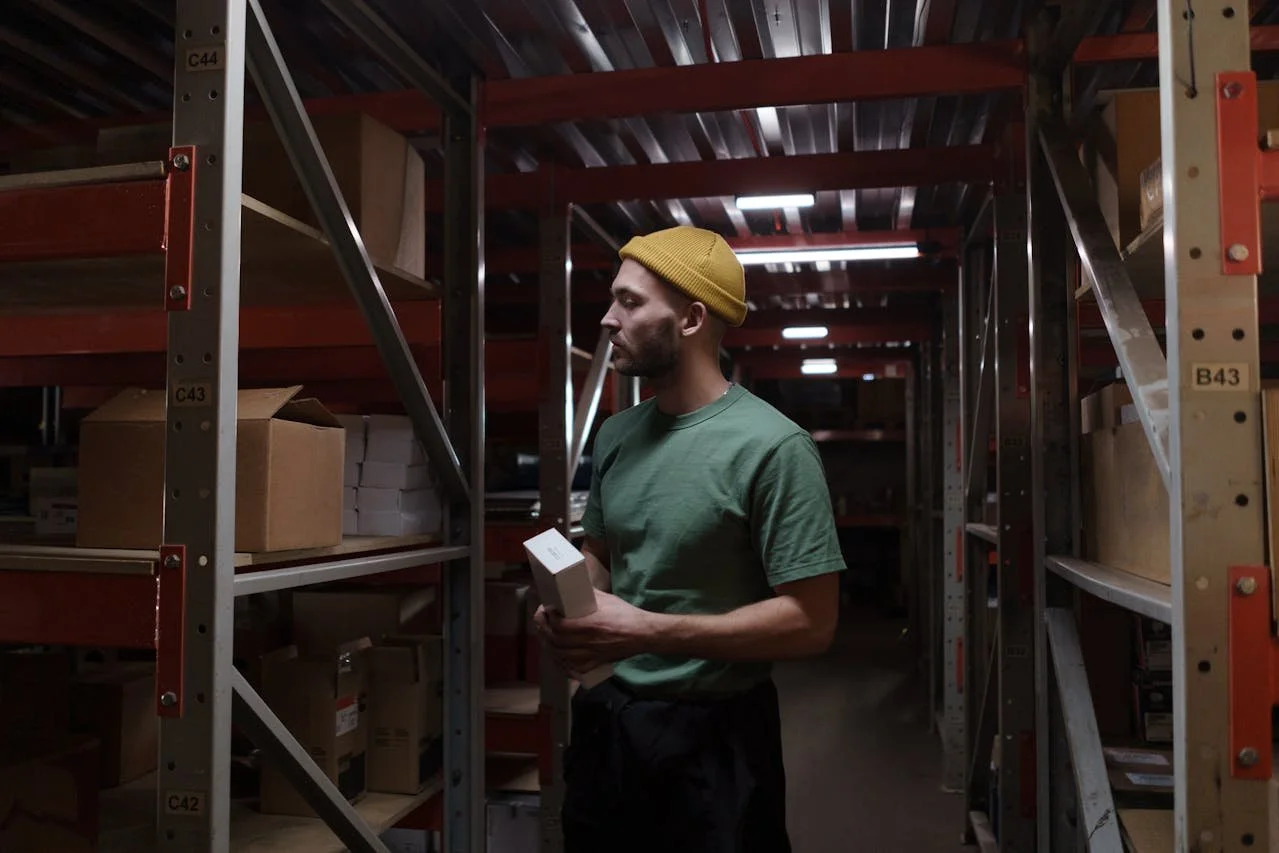
Staying organized often feels easier when your environment supports you. A well-arranged space reduces stress and saves time. This connection becomes clear when you consider how storage unit design influences your daily routines. The way a space is arranged changes how often you return items, how quickly you find them, and how consistently you maintain order. By looking at how physical structures affect personal habits, you can see why design matters more than simple storage capacity.
The Psychology of Organized Spaces
Your environment influences your choices more than you realize. A cluttered space creates distraction and makes it harder to focus. A clean, structured space encourages better decisions and motivates you to keep habits consistent.
Importantly, the brain responds to order by reducing stress hormones. When your surroundings feel tidy, you act with greater focus. By contrast, clutter makes even small tasks feel overwhelming. That isn’t only about how the space looks; it’s about how it works on a practical level.
When you step into an orderly environment, you know what to expect. That predictability strengthens your ability to repeat small routines. Whether you’re at home or managing a storage area, the setup influences the outcome.
Small Details That Drive Big Changes
Minor features often determine how well you maintain structure. Lighting is a clear example. A dark corner discourages use, while a well-lit area invites activity. Better visibility encourages you to use every part of a space effectively.
Labels are another small feature that brings large benefits. A clear label reduces hesitation and speeds up the process of returning or finding items. Without labels, you waste time checking boxes or guessing their contents.
Adjustable shelving also makes a difference. Your needs change over time, and flexible shelves adapt with you. Instead of leaving items stacked randomly, you create a room that fits your current situation. These details may appear small, but they support long-term organizational behavior.
Habits Built Through Consistency
Habits don’t form overnight. Repetition builds them. Returning items to the same location every time makes organizing automatic. Over weeks and months, that repetition creates lasting patterns.
Consistency is easier when the design supports it. A well-planned space encourages you to repeat small actions. If returning an item requires effort, you’ll skip it. If it takes seconds, you’ll do it without thinking. That’s how routines stick.
One detail matters here: storage unit design. When you prioritize layout, organization feels natural instead of forced. Habits become easier to repeat, and maintaining order requires less energy.
There are also moments in life where habits face stress, such as during a move. Packing and unpacking can feel overwhelming, but using storage solutions for a smooth relocation makes the process easier. They help you keep things organized while relocating and reduce the chance of losing track of belongings. A structure that supports you through change reinforces habits rather than breaking them.
Storage Unit Design and Your Daily Habits
The physical layout of a unit strongly affects how you use it. Poorly arranged spaces discourage consistent organization. A well-planned setup makes routines easier to follow. That is why storage unit design connects directly to your daily habits.
When items you need every day are at eye level, you grab them quickly and put them back without delay. If those same items are buried behind heavy boxes, you avoid using them. That avoidance turns into clutter over time.
Separating seasonal items from daily necessities helps too. A section for winter gear that doesn’t interfere with summer essentials means smoother transitions between seasons. Small shifts in layout encourage consistent patterns that stick with you.
Practical Layouts That Encourage Efficiency
A practical layout saves you from frustration. Vertical storage helps maximize space and keeps items accessible. Using wall-mounted shelves or tall racks reduces wasted floor area. You gain order without expanding square footage.
Grouping items by category also makes retrieval simple. Tools together, clothes together, and sports gear in one zone. This arrangement ensures you know exactly where to return things. Without grouping, items drift into random piles, creating disorder.
Maintaining a clear pathway is just as important. If you can’t walk through the space without moving objects, frustration builds quickly. A path makes every area accessible, so you’re more likely to use the entire space instead of ignoring harder-to-reach corners.
Digital Tools That Complement Physical Storage
Physical design works best when paired with simple tech support. Apps help you keep track of stored items by listing their location. You don’t waste time guessing what’s inside a box.
QR codes provide another solution. Attach one to a container, and you scan it to see the contents. This system reduces errors and ensures you find what you need quickly.
These digital methods remove unnecessary stress. Instead of opening every box, you check your phone. That consistency encourages you to return items properly since you know the effort will save time later.
At the same time, cloud storage links can improve access. You can create shared inventories that family members or coworkers update in real time. This way, everyone knows where items are, which reduces confusion and duplicate searches.
Voice assistants also help. By syncing your inventory with smart speakers, you can ask for item locations without lifting a finger. That turns your storage system into something interactive and easy to update.
Finally, reminders built into apps ensure you don’t forget seasonal rotations or overdue clean-ups. With alerts, you know when to swap out clothing, rotate tools, or re-check supplies. As a result, the organization remains consistent without requiring constant attention.
Closing Insights on Organized Living
Staying organized depends on consistent behavior, but behavior often depends on the setup of your space. Small features, practical layouts, and even digital tools all play a role. By creating an environment that supports easy choices, you reduce stress and save time. In the end, storage unit design is more than an arrangement of shelves and boxes. It shapes your daily actions, influences how you interact with your space, and makes habits easier to sustain. With a well-planned design, order becomes part of your routine, and staying organized feels effortless.
Your Home Tested Positive for Radon: What’s Next?
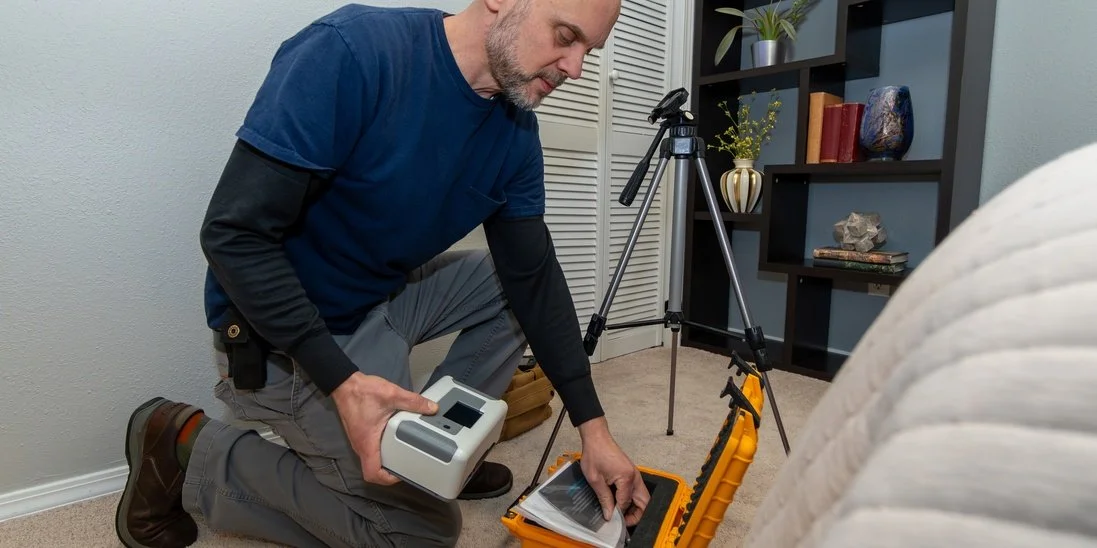
When your home tests positive for radon levels beyond comprehension, it’s natural to panic. Here’s what you should actually do instead of panicking.
Finding out your home has elevated radon levels can feel overwhelming. You might wonder how serious the problem is and what steps you need to take to protect your family. The good news is that radon problems are fixable, and knowing what to do next will help you create a safer living environment for everyone in your household.
Radon is a naturally occurring radioactive gas that seeps into homes through cracks in foundations, walls, and floors. When trapped indoors, it can accumulate to dangerous levels. The EPA recommends taking action when radon levels reach 4 picocuries per liter (pCi/L) or higher. So what’s next when your home tested positive for radon?
Take Immediate Action To Reduce Exposure
Your first priority is minimizing your family’s exposure while you work on a permanent solution. Open windows and doors on the lowest level of your home to increase ventilation. This simple step dilutes radon concentrations temporarily.
Turn on exhaust fans in bathrooms and kitchens to improve air circulation throughout your house. Avoid spending extended periods in basements or lower levels where radon typically concentrates most heavily.
Understand Your Mitigation Options
Several effective radon reduction systems can lower dangerous levels in your home. The most common method is sub-slab depressurization, which prevents radon from entering through your foundation. This system uses a fan and pipe to draw radon from beneath your home’s foundation and vent it safely outside.
Crawl space ventilation works well for homes without basements. This approach increases air circulation under your house to prevent radon accumulation. Sealing cracks and gaps in your foundation also reduces radon entry points, though this method alone rarely solves significant radon problems.
The right solution depends on your home’s construction, foundation type, and radon levels. A qualified radon professional can assess your specific situation and recommend the most effective approach.
Schedule Professional Installation
Contact a certified radon mitigation contractor to install your reduction system. These professionals have specialized training and equipment to design systems that work effectively for your home’s unique characteristics.
During installation, contractors typically drill small holes through your foundation slab and install pipes that connect to a fan system. The fan runs continuously to maintain negative pressure beneath your home, preventing radon from seeping indoors.
Most installations take one to two days to complete. The process involves minimal disruption to your daily routine, and contractors will explain how your new system operates.
Plan for Follow-Up Testing
After installation, wait at least 24 hours before conducting post-mitigation testing. This waiting period allows your system to establish proper airflow patterns. Test for a minimum of 48 hours using the same testing protocols you used initially.
Successful mitigation typically reduces radon levels to below 2 pCi/L, though any reduction below 4 pCi/L meets EPA guidelines. Keep detailed records of all testing results for the future.
Retest your home every two years to make sure your mitigation system continues working effectively. Consider brushing up on radon awareness and safety guides to stay informed about best practices for maintaining a radon-safe home.
Testing positive for radon in your home requires prompt action, but effective solutions exist to protect your family’s health. Professional mitigation systems successfully reduce radon levels in most homes, providing long-term peace of mind.
The Different Home Risks Associated With Bad Tree Roots
Bad tree roots come with a host of issues, from cracks in your home’s foundation to patchy grassy messes. We’re exploring these different risks in more detail.
Trees add beauty and value to your property, offering shade in the summer and a touch of nature. However, beneath the surface, their root systems can pose a significant threat to your home’s safety and stability. While healthy roots are essential for a tree’s survival, aggressive or poorly managed roots can silently cause extensive and expensive damage to your property.
This article will explore the different home risks associated with bad tree roots, from compromising its foundation to disrupting your plumbing and landscaping. By recognizing the potential for damage, you can take proactive steps to manage the trees on your property and safeguard your asset.
How Roots Can Damage Your Foundation
One of the most serious threats from invasive tree roots is damage to your home’s foundation. As roots grow, they seek out moisture and extend underneath your house. Over time, this growth exerts immense pressure on the concrete foundation.
The pressure can cause the soil to shift and lead to cracks, uneven settling, and significant structural instability. Initially, these cracks might be small, but they can widen, allowing moisture to seep in and cause even more problems.
When Roots Interfere With Plumbing
Tree roots are naturally drawn to the water and nutrients found in underground pipes. They can find their way into even the smallest cracks in your plumbing system. Once inside, the roots expand, blocking the flow of water and waste.
Infiltration often results in clogged drains, slow-draining sinks, and eventually, complete pipe blockages or bursts. Repairing this kind of damage is incredibly costly, often requiring excavation to access and replace the affected pipes.
Damage to Driveways and Walkways
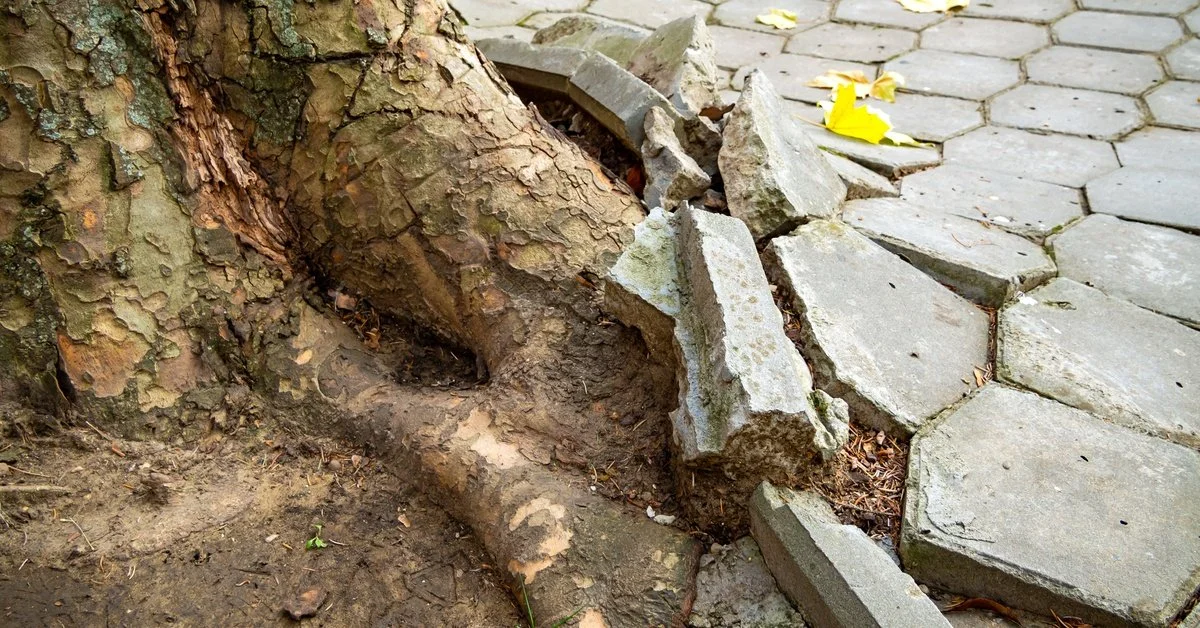
The same force that cracks a home’s foundation can also destroy your driveways, sidewalks, and patios. As tree roots grow and thicken just below the surface, they can lift and break apart concrete and asphalt.
This creates an unsightly appearance and poses a serious tripping hazard for you and your guests. The warning signs of tree root damage in these areas are often obvious, appearing as visible cracks or raised, uneven sections of pavement.
Disruptions to Your Landscaping
Aggressive tree roots can also wreak havoc on the rest of your yard. Surface roots can make mowing the lawn difficult and create an uneven, lumpy terrain. They also compete with surrounding grass, gardens, and other plants for water and nutrients, often stunting their growth or killing them entirely. What was once a lush, green lawn can quickly become patchy mess that’s difficult to maintain.
The key to preventing these issues is proactive management. When planting new trees, choose species with less invasive root systems and plant them a safe distance from your home, pipes, and paved surfaces. For existing trees, installing root barriers can redirect growth away from vulnerable areas.
Regular inspections by a professional arborist can help you identify potential home risks early and implement effective solutions before bad tree roots cause further damage. Taking these steps ensures you can enjoy the beauty of your trees without risking the integrity of your home.

How Roof Moss Impacts the Health and Safety of Your Home
Many homeowners view a fuzzy green blanket of moss on their roof as a charming, natural touch. Perhaps it adds a rustic appeal or blends in with the surrounding landscape. However, this seemingly harmless growth can conceal a host of hidden problems that directly threaten the integrity of your home and the well-being of your family. Understanding these dangers is the first step toward proactive home maintenance and protecting your most valuable asset.
We partnered with a home improvement company for this post. The opinions in the post are honest. All reviews and opinions expressed in this post are based on our personal views. We are excited because we know you will love it.
Many homeowners view a fuzzy green blanket of moss on their roof as a charming, natural touch. Perhaps it adds a rustic appeal or blends in with the surrounding landscape. However, this seemingly harmless growth can conceal a host of hidden problems that directly threaten the integrity of your home and the well-being of your family. Understanding these dangers is the first step toward proactive home maintenance and protecting your most valuable asset.
Roof Structure Risks
Moss doesn't just sit on your roof; it actively interacts with it, often to the detriment of your roofing materials. The primary issue stems from moss's ability to retain moisture. Like a sponge, it holds rainwater and dew against your shingles, creating a constantly damp environment. This prolonged moisture exposure can accelerate the deterioration of asphalt shingles, causing them to break down and become brittle more quickly than they should.
Furthermore, as moss grows, its root-like structures can work their way under shingles, lifting them slightly. This creates tiny gaps and vulnerabilities where water can penetrate, leading to leaks and compromising the protective barrier your roof is designed to provide. Over time, this constant moisture and physical intrusion can significantly shorten the lifespan of your roof, leading to premature aging and the need for costly replacements. Addressing roof moss early through proper roof cleaning can help mitigate these structural risks.
Indoor Health Concerns
The problems associated with roof moss extend far beyond the exterior of your home, directly impacting the indoor environment and your family's health. When moss compromises the integrity of your roof, even small amounts of water can begin to seep into your attic and walls. This dampness creates an ideal breeding ground for mold and mildew.
Mold spores, once established, can quickly spread throughout your home's interior, often unseen behind walls or under flooring. Exposure to mold can trigger a variety of health issues, including allergic reactions, respiratory problems, asthma attacks, and other chronic conditions, especially in sensitive individuals. Maintaining good indoor air quality is crucial, and preventing roof leaks caused by moss is a significant part of that effort. Effective moss removal not only protects your roof but also safeguards the air your family breathes.
Safety Issues
Beyond structural damage and indoor health, roof moss presents several safety hazards that homeowners should be aware of. The most immediate concern is the creation of dangerously slippery surfaces. When moss accumulates on walkways, patios, or even on the roof itself (during maintenance), it becomes incredibly slick, increasing the risk of falls and injuries. This is particularly true during wet weather.
Moreover, moss commonly grows into and clogs gutters and downspouts. When gutters are blocked, rainwater overflows, running down the sides of your house instead of being directed away from the foundation. This can lead to serious water damage to exterior walls, fascia boards, and window frames. In severe cases, the overflowing water can saturate the soil around your foundation, potentially leading to cracks or structural damage over time. Regular home maintenance, including gutter cleaning and addressing roof moss, is essential for preventing these cascading safety and damage issues.
Curb Appeal and Value

Your home's exterior is the first impression it makes, and a moss-covered roof can significantly detract from its curb appeal. A thick layer of green growth often makes a home look neglected, unkempt, and significantly older than it actually is. This visual impact can be a major disadvantage if you're considering selling your property.
Potential buyers are often wary of homes with visible signs of poor maintenance, and a mossy roof can signal underlying problems, leading to lower offers or even deterring interest altogether. Essentially, roof moss can lower your home's resale value, making it harder to get the price you deserve. Investing in roof cleaning and maintenance not only protects your home physically but also preserves its aesthetic and financial value.
Prevention and Solutions
The good news is that preventing and addressing roof moss is achievable with the right strategies. Proactive home maintenance can save you significant headaches and expenses down the line.
Here are some practical tips:
Trim Overhanging Branches: Moss thrives in damp, shaded conditions. Trimming trees and bushes that overhang your roof will increase sunlight exposure and improve air circulation, helping to dry out the roof surface more quickly.
Keep Gutters Clear: Regularly clean your gutters to ensure proper drainage. Blocked gutters can lead to standing water on the roof edges, providing an ideal environment for moss to take hold.
Regular Roof Inspections: Periodically inspect your roof, especially after heavy rains or strong winds. Catching early signs of moss growth or minor damage can prevent major problems.
Professional Roof Cleaning: For existing moss, gentle roof cleaning methods are crucial. Avoid high-pressure washing, which can damage shingles. Instead, consider specialized moss removal treatments or soft washing techniques. Always consult with professionals who understand how to safely and effectively remove moss without harming your roof.
Consider Zinc or Copper Strips: Installing zinc or copper strips along your roof ridge can help prevent moss growth. When it rains, small amounts of metal ions wash down the roof, creating an environment inhospitable to moss.
While some simple upkeep can be done by homeowners, for significant moss infestations or if you're unsure about the best approach, it's always wise to call professionals. They have the expertise and equipment to perform moss removal safely and effectively, ensuring the longevity of your roof.
Conclusion
What starts as an innocuous green patch on your roof can escalate into a complex web of problems affecting your home's structural integrity, indoor air quality, and overall safety. From loosening shingles and fostering mold growth to creating slippery surfaces and diminishing curb appeal, the impact of roof moss is far-reaching. By understanding these risks and implementing proactive home maintenance and roof cleaning strategies, you can protect your investment and ensure a healthier, safer living environment for everyone under your roof. Don't let a little moss become a big problem; a well-cared-for roof is the ultimate guardian of your home.

