

A resource for those seeking information on organizing and transforming spaces.

How to Organize a Home Gym That Actually Motivates You
A home gym sounds motivating in theory. You don’t have to waste time commuting; you just roll out of bed, and you’re ready to hit a new PR before the second breakfast is even ready. But the reality is a bit different. When a home gym is designed without care, the space can directly affect your motivation, making you avoid your workouts rather than fuelling them. This is why every design choice matters: it makes you either step into the room with a sense of purpose or quietly shut the door and promise tomorrow instead.
A home gym sounds motivating in theory. You don’t have to waste time commuting; you just roll out of bed, and you’re ready to hit a new PR before the second breakfast is even ready. But the reality is a bit different. When a home gym is designed without care, the space can directly affect your motivation, making you avoid your workouts rather than fuelling them. This is why every design choice matters: it makes you either step into the room with a sense of purpose or quietly shut the door and promise tomorrow instead.
Start With the Feeling You’re Trying to Evoke
A home gym that works does not begin with buying things, even though the internet insists otherwise. Motivation grows from the atmosphere and from the feeling that the room is on your side and not judging you for missing leg day last week. Following that logic, the most effective home gym is the one that’s organised around how movement feels, not how impressive the setup looks in a photo.
Your brain will stop searching for more entertaining alternatives when your fitness space starts feeling calm, intentional, and slightly inviting. That is why clutter is the first motivation killer. Equipment that does not serve a clear purpose should not live in the room, because every unnecessary object quietly drains energy before a workout even begins.
Design Around Real-Life Workouts
It is natural to want to make your home gym look like a professional fitness centre. But any gym accommodates hundreds of people a day; this one should accommodate you and your family only. That means it should be designed around your real-life workouts, not an ideal routine that only exists during highly motivated weeks.
Flooring should match the type of movement being done, because slipping or discomfort breaks momentum fast. For those investing in advanced leg exercise machines, placement matters more than brand. These machines need space to move safely, but also need to feel integrated rather than intimidating, otherwise they become expensive coat racks.
Give the Room a Clear Job

A space that tries to be everything usually becomes nothing. A home gym should not also be a dumping ground for suitcases, winter coats, or that chair everyone avoids throwing out. When a room has a clear role, the brain switches modes more easily.
Walking into this space should signal movement and effort, even on low-energy days. That signal becomes stronger when the room layout makes sense, with zones that reflect how workouts actually happen. Cardio areas benefit from openness, while strength areas feel better when grounded and stable.
Let Storage Do the Heavy Lifting
Motivation quietly lives inside convenience. You want the equipment to be easy to grab and easy to put away. This will subtly make your workouts feel lighter before they even begin. For that, you’ll need wall-mounted racks, vertical storage, and some type of closed cabinets. These storage options all reduce visual noise, making your home gym look both flawless and functional.
Frequently used items deserve the easiest access. These are usually dumbbells and things like cable attachments. Specialty tools like spare barbell clamps or belts can live higher or further away. This matters more than it sounds. A kettlebell that requires moving three boxes first will be skipped more often than admitted.
Make Progress Visible, Not Loud
Tracking progress can be a great motivator, but it doesn’t have to be aggressive or public to be effective. Subtle visual cues work better over time. A whiteboard with a few key numbers, a calendar with crossed-off days, or even neatly organised equipment that reflects strength gains all reinforce consistency.
The goal is quiet reinforcement, not pressure. Because once you make your progress visible, motivation will start to feel earned rather than demanded. This approach suits long-term fitness far better than hype-driven setups that burn bright and fade fast.
Let the Space Evolve When Necessary

The most successful home gyms are not static. They evolve as goals change, injuries happen, or interests shift. You should allow for that flexibility without shame.
Removing equipment that no longer serves a purpose may be hard, but you need to remind yourself that this is not a failure. Your motivation will stay alive when the space continues to reflect the present version of yourself, not an outdated version of ambition. Remember, a gym that adapts remains relevant, and relevance is what will keep you coming back.
Conclusion
A well-organised home gym does not shout or perform. It quietly supports effort, reduces resistance, and meets people where they are. When the way you organise your gym aligns with real life, motivation stops being something to chase and starts being something that shows up.
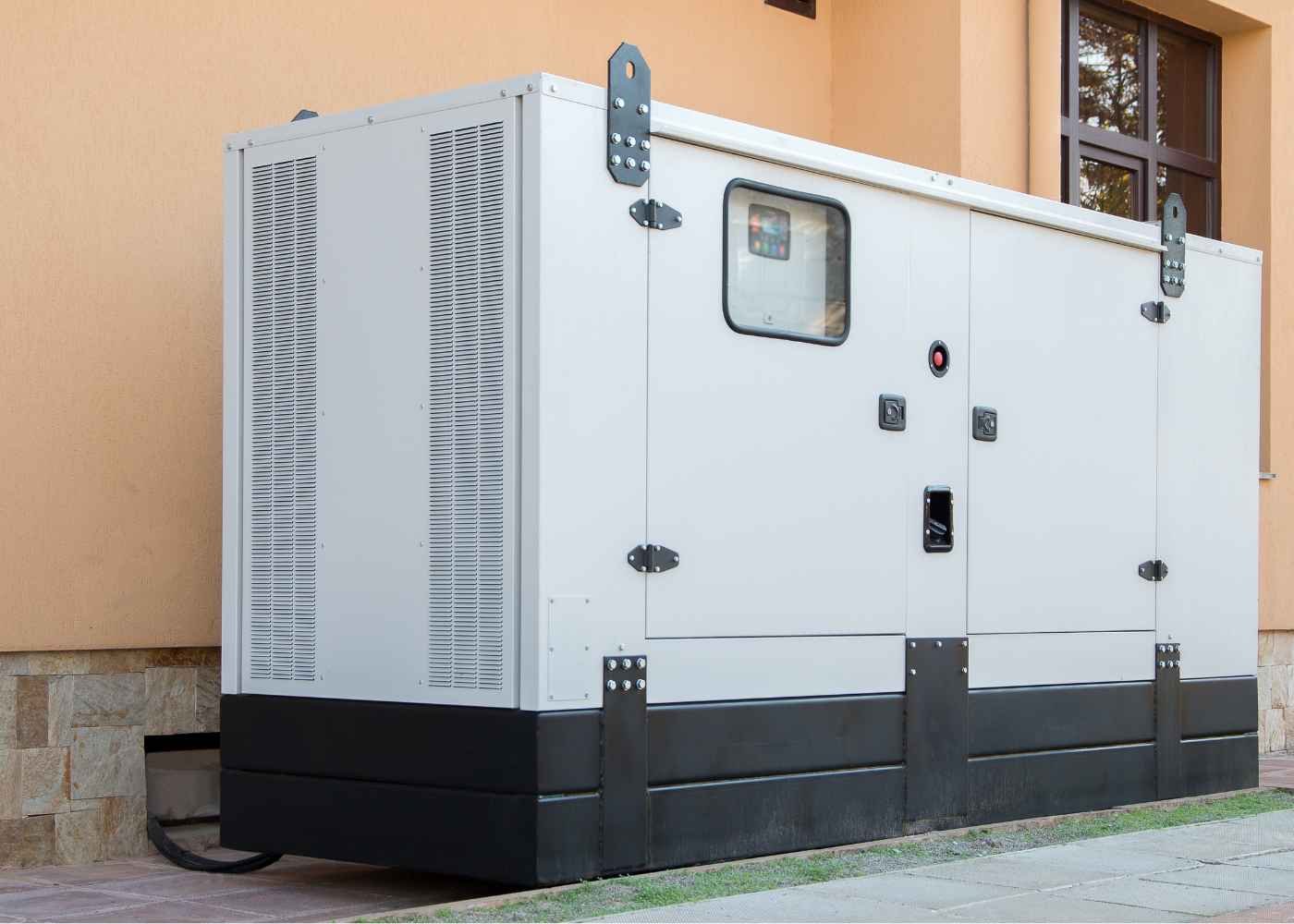
Why Residential Generator Installation Is a Smart Investment
Power outages have become increasingly common across the country as aging electrical infrastructure struggles to meet growing demand while severe weather events intensify in frequency and severity. What once might have been occasional inconveniences lasting a few hours now regularly extend into days or even weeks, particularly in areas affected by hurricanes, ice storms, wildfires, and other extreme weather.
Power outages have become increasingly common across the country as aging electrical infrastructure struggles to meet growing demand while severe weather events intensify in frequency and severity. What once might have been occasional inconveniences lasting a few hours now regularly extend into days or even weeks, particularly in areas affected by hurricanes, ice storms, wildfires, and other extreme weather.
The consequences of extended power loss extend far beyond simple discomfort, threatening food supplies, medical equipment functionality, home security systems, and even structural integrity when heating or cooling systems fail during temperature extremes. Understanding why residential generator installation represents a smart investment rather than a luxury expense reveals how backup power protects families, properties, and financial interests in ways that justify initial costs many times over.
Protection of Food and Medicine
Extended power outages result in total loss of refrigerated and frozen food, with typical families losing hundreds of dollars worth of groceries during outages exceeding 24 hours. Refrigerators maintain safe temperatures for only four hours without power, while freezers last approximately 48 hours if kept closed. Once these thresholds pass, perishable items must be discarded to prevent foodborne illness, creating both financial loss and the inconvenience of restocking entire kitchens.
For families with members requiring refrigerated medications like insulin, certain antibiotics, or biologics, power loss creates genuine medical emergencies. These medications become ineffective or dangerous when temperature-controlled storage is interrupted, potentially leaving patients without critical treatments. Residential generator installation eliminates these concerns by maintaining refrigeration indefinitely, protecting both food investments and essential medications regardless of outage duration.
The peace of mind knowing your family's nutritional needs and medical requirements remain secure during emergencies justifies generator investment for many homeowners. This protection proves particularly valuable in areas experiencing frequent outages or during extended storm seasons when multiple outages might occur within short periods.
Home Security and Safety System Functionality
Modern homes depend on electricity for security systems, cameras, smart locks, and lighting that deter criminal activity and protect families. Power outages disable these protective measures, leaving properties vulnerable precisely when neighborhood supervision decreases as residents evacuate or hunker down during storms. Criminals recognize these vulnerability windows and may target darkened neighborhoods, knowing alarm systems are non-functional.
Backup generators maintain security system operation, ensuring continuous monitoring, recording, and alerting capabilities throughout outages. Exterior lighting powered by generators signals that homes remain occupied and protected, discouraging opportunistic crime. Interior lighting provides safety for family members navigating homes in darkness, and projects an occupied appearance that deters break-ins.
Sump pumps protecting basements from flooding require power to function, with failures during storms potentially causing thousands of dollars in water damage. Generator power keeps these critical systems operational during the weather events most likely to create flooding conditions. Similarly, heating systems preventing frozen pipes during winter outages and air conditioning protecting vulnerable family members during summer power losses both depend on backup power for operation.
Preservation of Home Comfort and Normalcy
Extended power outages disrupt daily routines and create stress that affects entire households. Children unable to complete homework, adults unable to work remotely, and families without entertainment options or communication capabilities experience frustration that compounds as outages extend. Hot water for showers, cooking capabilities, climate control, and internet connectivity all disappear without power, reducing the quality of life significantly.
Residential generator installation maintains household normalcy during outages, allowing families to continue daily activities with minimal disruption. Remote workers can maintain productivity without losing income or using precious vacation days. Students complete assignments on schedule. Families remain connected to information sources and communication networks rather than feeling isolated during emergencies.
This continuation of normal life proves particularly valuable for families with young children, elderly members, or individuals with special needs who struggle with routine disruptions. The reduced stress and maintained comfort during already-challenging emergency situations provide psychological benefits complementing the practical advantages of backup power.
Property Value Enhancement and Market Appeal
Homes equipped with permanently installed generators command premium prices and attract serious buyers in competitive real estate markets. Prospective purchasers recognize the value of backup power, particularly in regions experiencing frequent outages or areas where climate-related power disruptions are projected to increase. Generator presence signals that homes are well-maintained and equipped to handle emergencies, appealing to safety-conscious buyers.
The investment in residential generator installation typically returns significant portions of initial costs through increased home values when properties sell. Even if homeowners never experience major outages requiring generator use, the installation enhances property marketability and provides selling points differentiating listings from competing properties.
Modern generators operating on natural gas or propane provide cost-effective, reliable backup power that activates automatically during outages without requiring homeowner intervention, delivering protection whether families are home or traveling when power failures occur.
How Construction Waste Management Services Improve Site Safety
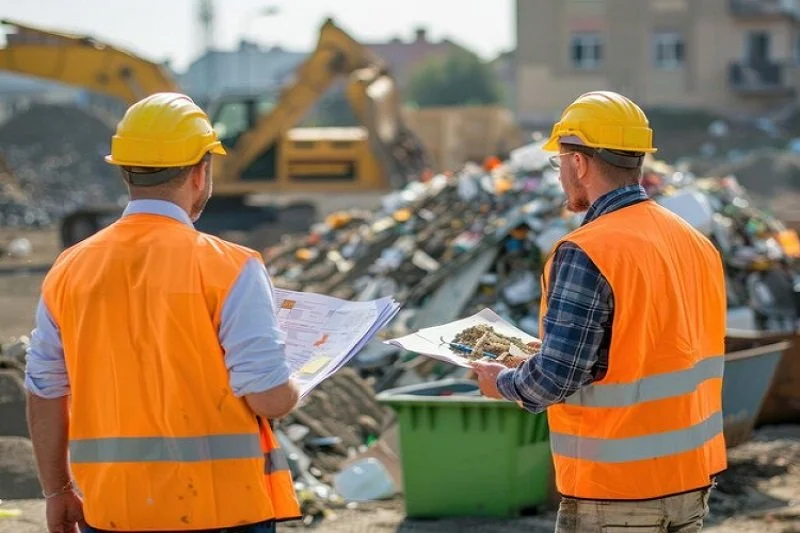
Have you ever walked onto a construction site and noticed piles of debris scattered everywhere? Does the sight of tangled materials, broken timber, and discarded packaging make you wonder how anyone works safely in such conditions? What if the key to reducing workplace injuries was simpler than you thought?
Have you ever walked onto a construction site and noticed piles of debris scattered everywhere? Does the sight of tangled materials, broken timber, and discarded packaging make you wonder how anyone works safely in such conditions? What if the key to reducing workplace injuries was simpler than you thought?
Construction sites are inherently busy, chaotic places. With multiple trades working simultaneously, heavy machinery operating constantly, and materials arriving daily, it's easy for waste to accumulate quickly. However, what many site managers overlook is the direct connection between proper waste management and worker safety. When rubbish piles up unchecked, it creates hidden dangers that can lead to serious injuries—or worse.
In this article, we'll explore how professional construction waste management services do far more than simply remove rubbish. You'll discover the real safety risks lurking in poorly managed waste, learn about your legal obligations under Australian law, and understand why investing in proper waste removal is one of the smartest decisions you can make for your project. Whether you're a site supervisor, project manager, or contractor, this guide will show you how smarter waste management leads to safer worksites.
Understanding Construction Waste Management Services
What Are Construction Waste Management Services?
Construction waste management services handle the collection, sorting, transport, and disposal of all materials generated during building projects. These providers work alongside construction teams to keep sites clean, compliant, and safe throughout every stage of a project.
Professional waste management goes beyond simply dropping off a skip bin and collecting it when full. Quality providers offer tailored solutions that include regular scheduled pickups, waste segregation assistance, and guidance on handling hazardous materials. They understand the unique challenges of construction environments and adapt their services accordingly.
Types of Waste Commonly Found on Australian Construction Sites
Australian construction sites generate an enormous variety of waste materials. Common types include concrete, bricks, timber offcuts, plasterboard, metal scraps, packaging materials, and soil. Each requires different handling and disposal methods.
Beyond these everyday materials, sites often produce hazardous waste such as asbestos, lead-based paint, chemicals, and contaminated soil. These substances demand specialised handling to protect workers and the environment. Understanding what waste your site generates is the first step toward managing it properly.
How Do Waste Management Companies Handle Construction Debris?
Professional waste management companies use systematic approaches to handle construction debris efficiently. They typically provide appropriately sized bins for different waste streams, arrange regular collection schedules, and transport materials to licensed facilities.
Many providers prioritise recycling, diverting materials like concrete, metals, and timber from landfill. This approach benefits both the environment and your project's sustainability credentials. The best providers also offer detailed reporting, helping you track waste volumes and demonstrate compliance with regulations.
The Real Safety Risks of Poor Waste Management on Site
Slip, Trip and Fall Hazards
Cluttered worksites are breeding grounds for slip, trip and fall accidents. Loose timber, tangled cables, scattered packaging, and debris-covered walkways create constant hazards for workers moving around the site.
These incidents aren't minor inconveniences—they're among the most common causes of construction injuries in Australia. A worker tripping over discarded materials could suffer anything from minor bruises to broken bones or head injuries. Regular waste removal eliminates these hazards before they cause harm.
Fire Risks from Combustible Materials
Accumulated combustible materials pose serious fire risks on construction sites. Timber offcuts, cardboard packaging, foam insulation, and chemical containers can ignite quickly, especially during hot work activities like welding or grinding.
Construction site fires spread rapidly and can cause devastating damage to partially completed structures. More importantly, they endanger everyone on site. Proper waste management ensures combustible materials are removed promptly, reducing fire risk significantly.
Exposure to Hazardous Substances
Poor waste management increases the risk of workers encountering hazardous substances unexpectedly. Asbestos-containing materials, chemical residues, and contaminated debris require careful handling by trained professionals using appropriate protective equipment.
When hazardous waste isn't properly identified, segregated, and removed, workers may be exposed unknowingly. The health consequences can be severe and long-lasting, including respiratory conditions, chemical burns, and cancer. Professional waste management services ensure hazardous materials are handled correctly from identification through to disposal.
Equipment and Machinery Accidents
Scattered waste creates dangerous obstacles for heavy machinery operators. Excavators, forklifts, and trucks require clear pathways to operate safely. Debris on the ground can cause equipment to tip, slip, or strike workers.
Additionally, materials piled haphazardly may fall unexpectedly when disturbed by passing machinery. Keeping sites clear through regular waste removal protects both equipment operators and nearby workers from these preventable accidents.
How Professional Waste Removal Reduces Workplace Injuries
Why Is Proper Waste Disposal Important on Construction Sites?
Proper waste disposal directly reduces injury rates by eliminating physical hazards before they cause accidents. Clean sites allow workers to move freely, see clearly, and focus on their tasks without navigating obstacle courses of debris.
Beyond immediate safety benefits, good waste management practices create a culture of professionalism and care. When workers see management prioritising site cleanliness, they're more likely to take safety seriously themselves. This positive cycle reinforces safe behaviours across the entire team.
Creating Clear Walkways and Emergency Access Points
Emergency situations require rapid response. Ambulances, fire crews, and rescue teams need unobstructed access to reach injured workers or control dangerous situations. Waste blocking pathways can delay critical responses when seconds matter.
Regular waste removal maintains clear walkways and access routes throughout the project. This ensures emergency services can reach any location quickly and workers can evacuate safely if necessary. It's a simple measure that could save lives.
Regular Skip Bin Collection and Site Cleanliness
Consistent skip bin collection prevents waste from accumulating to dangerous levels. Rather than allowing bins to overflow and debris to spread across the site, scheduled pickups maintain cleanliness continuously.
Professional providers work with you to determine appropriate collection frequencies based on your project's waste generation rates. During busy construction phases, more frequent collections keep pace with increased waste volumes, ensuring safety standards never slip.
Compliance and Legal Requirements in Australia
What Are the Legal Requirements for Construction Waste Disposal?
Australian environmental legislation sets strict requirements for construction waste disposal. The Environment Protection Acts in each state and territory regulate how waste must be handled, transported, and disposed of at licensed facilities.
Specific materials face additional regulations. Asbestos disposal, for example, requires licensed removalists and approved disposal sites. Chemical waste must be handled according to dangerous goods regulations. Working with professional waste management providers helps ensure you meet all applicable requirements.
Meeting Work Health and Safety (WHS) Obligations
Under WHS legislation, persons conducting a business or undertaking (PCBUs) must provide safe workplaces. This includes managing hazards created by construction waste. Failure to maintain clean, safe sites can result in regulatory action.
Safe Work Australia provides guidance on managing construction site hazards, including waste-related risks. Implementing proper waste management demonstrates your commitment to WHS obligations and protects workers from preventable injuries.
Avoiding Costly Fines and Project Delays
Non-compliance with waste disposal regulations can result in substantial fines. Environmental authorities actively monitor construction sites and investigate complaints. Penalties for illegal dumping or improper hazardous waste handling are severe.
Beyond financial penalties, regulatory investigations can delay projects significantly. Stop-work orders may halt construction entirely until issues are resolved. Investing in professional waste management avoids these costly disruptions.
The Role of Waste Segregation in Site Safety
How Does Separating Waste Improve Safety Outcomes?
Waste segregation involves separating different materials into distinct streams for appropriate handling. This practice improves safety by ensuring hazardous materials are identified and managed separately from general waste.
Segregation also reduces handling risks by keeping incompatible materials apart. Chemicals that might react dangerously are stored separately. Sharp materials go in designated containers. This systematic approach minimises accidents during waste handling and collection.
Handling Asbestos and Other Hazardous Materials Safely
Asbestos remains present in many Australian buildings undergoing renovation or demolition. Disturbing asbestos-containing materials releases dangerous fibres that cause serious lung diseases and cancer.
Professional waste management providers understand asbestos regulations and work with licensed removalists to ensure safe handling. They also manage other hazardous materials including lead paint, PCBs, and contaminated soils according to strict safety protocols.
Benefits Beyond Safety: Cost Savings and Sustainability
How Can Construction Waste Management Save Money?
Effective waste management reduces costs through multiple mechanisms. Fewer workplace injuries mean lower workers' compensation premiums and reduced project delays. Avoiding regulatory fines protects your bottom line directly.
Additionally, recycling valuable materials like metals, concrete, and timber generates returns that offset disposal costs. Some providers offer competitive pricing for recyclable waste streams, making responsible disposal economically attractive.
Environmental Responsibility and Recycling Initiatives
Modern construction waste management emphasises recycling and resource recovery. Concrete is crushed for road base, metals are melted for reuse, and timber is chipped for mulch or biomass energy.
These practices reduce landfill volumes and conserve natural resources. Clients increasingly value environmental responsibility, making sustainable waste management a competitive advantage for construction companies.
Choosing the Right Construction Waste Management Partner
What Should You Look for in a Waste Management Service?
Look for providers with experience in construction environments and appropriate licences for handling all waste types of your project generates. Check their safety record and ask about their approach to hazardous materials.
Reliability matters enormously missed collections create safety hazards quickly. Choose providers with proven track records for consistent, timely service. Flexible scheduling that adapts to your project's changing needs is also valuable.
Questions to Ask Before Hiring a Provider
Before engaging a waste management provider, ask about their licensing, insurance, and safety procedures. Request references from similar construction projects and follow up with those contacts.
Clarify pricing structures, including any additional charges for hazardous waste or emergency collections. Understand their recycling capabilities and ask for reporting on waste volumes and diversion rates.
Prioritising Safety Through Smarter Waste Management
Throughout this article, we’ve highlighted how effective construction waste management plays a vital role in maintaining safe worksites. From reducing trip and slip hazards to ensuring the compliant handling of hazardous materials, professional waste removal helps minimise risks that could otherwise lead to serious injuries or delays.
While the link between site cleanliness and safety is straightforward, it’s often underestimated when deadlines loom. Partnering with experienced waste management providers not only protects your workforce and supports compliance with Victorian regulations but can also improve efficiency and reduce unnecessary costs. Added environmental benefits make responsible waste handling an even stronger business decision.
If you’re reviewing your current approach, now is the right time to explore reliable construction waste management services in Melbourne that prioritise safety, compliance, and sustainability across every stage of your project.
Ultimately, every construction professional shares responsibility for creating safer working environments. Treating waste management as a core part of site operations—not an afterthought—shows genuine commitment to worker wellbeing. Take action today by assessing your waste processes and making improvements where needed. Your team—and your project outcomes—will benefit.

A Quick Guide to Spring Cleaning Your Home
Say goodbye to clutter this year with these tips on spring cleaning your home. Get the whole family involved, and work together to maintain a tidy space.
Finding time to deep clean can feel impossible between juggling work deadlines, school drop-offs, and endless laundry. You might spot dust bunnies under the sofa and overflowing closets, but the weekend flies by before you can tackle them. Our quick guide to spring cleaning your home will help you reclaim your space.
Create a Room-By-Room Plan
Attempting to clean the whole house in a single Saturday usually ends in burnout. Instead, break the project down into manageable chunks. Focus on high-traffic areas first, such as the kitchen or living room, as these spaces impact your daily mental load the most. After you finish one room, you’ll gain the momentum you need to tackle the next. Assign tasks to different days so the process fits into your busy schedule rather than overtaking it.
Declutter Before You Scrub
Deep cleaning makes little sense if you just move piles of junk from one corner to another. Start by sorting items into three simple categories: keep, donate, and trash. Be ruthless with broken toys, old papers, and clothes that no longer fit. If you find yourself with a lot of debris or large furniture items to discard, choose a dumpster rental service that can handle the heavy lifting. Clearing out the excess bulk makes the actual scrubbing process much faster and more rewarding.
Involve the Whole Family
You do not need to carry the burden of a clean home alone. Even young children can help with simple chores, turning a daunting task into a team effort. Assign age-appropriate tasks, such as matching socks or dusting baseboards. Set a timer for 15-minute “power cleaning” sessions to keep focus high. Try playing upbeat music to make the work feel like a dance party, and plan a fun family reward, such as a pizza night or a movie, for when the work finishes.
Establish Maintenance Habits
Once your home sparkles, you want to keep it that way with minimal effort. Implement small daily habits that prevent the mess from returning. Encourage everyone to put shoes away immediately upon entering or to wipe down counters right after dinner. These small actions stop clutter from piling up again. When in doubt, follow this guide to spring cleaning your home to live a more organized, peaceful life year-round.

