

A resource for those seeking information on organizing and transforming spaces.

Common Yard Habits That Could Attract Pests
Are bugs taking over your backyard? You might be accidentally inviting them in! Check out these simple tips to keep your outdoor space pest-free.
We all love spending time outside when the weather gets nice. Nothing beats a barbecue or just reading a book in the sun. But sometimes, unwanted guests decide to crash the party. You’ll be surprised to find out that some of your daily routines are actually rolling out the red carpet for bugs and rodents. Let’s look at a few common yard habits that could attract pests so you can get back to enjoying your outdoor space.
Ignoring Standing Water
Mosquitoes love water more than anything. If you leave water sitting around, you are basically building a nursery for them. Birdbaths look nice, but if the water sits stagnant for days, it becomes a massive breeding ground.
Clogged gutters are another major culprit because they trap moisture right up against your roof. You need to dump out standing water regularly to keep these biting insects away.
Letting the Grass Grow Too Tall
We all get busy, and sometimes mowing the lawn falls to the bottom of the to-do list. However, tall grass and overgrown bushes provide ideal hiding places for ticks and fleas. Thick vegetation also provides cover for larger predators.
If you are wondering what attracts snakes to a property, high grass and dense shrubbery are high on the list because they offer shelter and hunting grounds. Keeping your lawn trimmed helps discourage these visitors from settling in.
Stacking Firewood Against the House
Having a stack of firewood ready for a fire pit feels cozy, but where you store it matters. Piling wood right up against your home’s foundation creates a bridge for termites to march straight into your walls. Spiders and rodents also love the dark, protected spaces between logs.
You should store firewood at least twenty feet away from your house and keep it elevated off the ground. This simple change makes it much harder for pests to use your woodpile as a staging ground for a home invasion.
Keeping Mulch Too Close to the Foundation
Mulch helps your plants retain moisture and makes flower beds look tidy. However, applying it too thickly or right up against your foundation traps moisture against the house. This damp environment attracts termites, earwigs, and ants seeking a way inside.
Try to leave a barrier of crushed stone or bare soil between your mulch and the foundation wall. This dry zone acts as a deterrent for insects looking to migrate from the garden into your living room.
Take Back Your Backyard
Taking care of your yard takes work, but it pays off when you can relax without constantly swatting bugs. By tweaking a few of these routines, you make your property much less appealing to invaders. Pay attention to these common yard habits that could attract pests, and you will likely see a big difference in the number of creepy crawlies hanging around. Take a walk around your property today and see if any of these issues need your attention!

Before You Decorate: Essential Things to Consider When Moving into a New Home
Moving into a new home is exciting, but it can also be deceptively overwhelming. Between boxes, paperwork, and the urge to immediately start buying décor, it is easy to rush into decisions you will regret later. Before you hang artwork or order a sofa, take a breath and focus on a few smart steps that will make decorating easier, cheaper, and far more satisfying in the long run.
Moving into a new home is exciting, but it can also be deceptively overwhelming. Between boxes, paperwork, and the urge to immediately start buying décor, it is easy to rush into decisions you will regret later. Before you hang artwork or order a sofa, take a breath and focus on a few smart steps that will make decorating easier, cheaper, and far more satisfying in the long run.
Start With the Essentials First
Before you think about paint colors or statement lighting, make sure your home is functioning properly. This is the moment to check things like plumbing, electrical outlets, heating and cooling systems, smoke detectors, and any small repairs that could become bigger headaches later.
A good rule is to handle basic safety and maintenance before spending money on décor. It makes no sense to invest in a beautiful living room rug if you later discover a slow leak near the window that ruins it. Get the boring stuff done first so your decorating decisions are not interrupted by unexpected repairs.
Choose the Right Location (Because Décor Can’t Fix Everything)
Your home’s location impacts your daily life more than any furniture choice ever will. Consider commute times, public transport access, school districts, noise levels, and how the neighborhood feels at different times of day. A street that seems peaceful at noon may turn into a traffic nightmare during rush hour.
This is also why renters should think carefully before signing a lease. For instance, people searching for rentals in Applecross near Perth often choose the area because it offers a balance of riverfront scenery, walkable streets, and quick access to the city. These attributes make it a great example of how location can shape lifestyle. No amount of decorating can replace the convenience of living somewhere that genuinely works for your routine.
Unpack With Intention Instead of Chaos

Most people unpack in a panic, shoving items into random drawers to make the boxes disappear. But rushing the process can lead to cluttered spaces and permanent, messy storage. Instead, unpack room by room and set up the spaces you use daily first, such as the kitchen, bathroom, and bedroom.
Focus on functional organization before aesthetic choices. For example, decide where your everyday plates will go before buying decorative glassware, and set up a simple closet system before purchasing extra shelves. Once your essentials are logically placed, your home naturally starts feeling calmer and more livable.
Measure Everything (Yes, Even the Hallways)
It is surprisingly common for people to fall in love with furniture online, only to realize it does not fit through the front door. Before you buy anything major, measure your rooms, doorways, staircases, and awkward corners. Take note of ceiling height as well, especially if you are considering tall shelving units or statement lighting.
The key is realistic space planning. Let’s say that an oversized sectional might look stunning in a showroom. But if it blocks your living room walkway or covers half your windows, it will feel cramped instead of cozy. Even smaller choices like side tables can make a room feel crowded if the proportions are wrong.
Get to Know the Light Before Picking Colors

Paint samples can look completely different depending on lighting, and this is one of the most common decorating mistakes new homeowners make. Natural light shifts throughout the day, and artificial light can change the tone of everything from wall paint to flooring. A warm beige might look creamy in the morning and dull or yellow at night.
This is why lighting affects every design decision. Try living in your home for at least a few days before choosing paint colors, curtains, or even rugs. If possible, test paint swatches directly on the wall and observe them at different times. A shade that feels perfect at 2 PM may feel completely wrong under evening lamps.
Make the Space Work Before You Make It Pretty
Decorating a new home is not just about making it look good, it is about making it feel right. When you take time to handle essentials, plan your layout, understand lighting, and set a realistic budget, you create a foundation for a home that truly supports your life. Once the practical steps are done, you can focus on style choices with confidence and build a space that feels comfortable, personal, and genuinely yours.
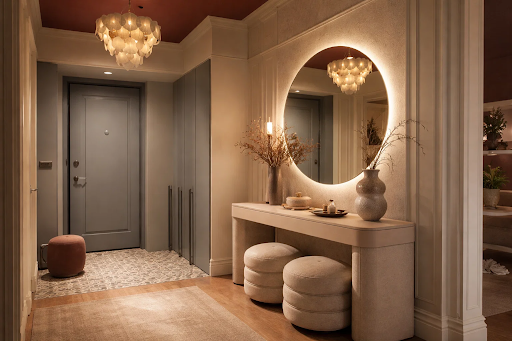
The Ultimate Guide to a Beautiful & Functional Entryway
Your entryway sets the tone for your entire home. It's the first thing you see when you walk in and the last impression as you head out the door. But more than aesthetics, a well-designed entryway needs to function for real life — welcoming your family, keeping essentials in place, and offering a moment of calm on a busy day. With a few thoughtful touches, your entryway can be both beautiful and practical.
We partnered with a home improvement company for this post. The opinions in the post are honest. All reviews and opinions expressed in this post are based on our personal views. We are excited because we know you will love it.
Your entryway sets the tone for your entire home. It's the first thing you see when you walk in and the last impression as you head out the door. But more than aesthetics, a well-designed entryway needs to function for real life — welcoming your family, keeping essentials in place, and offering a moment of calm on a busy day. With a few thoughtful touches, your entryway can be both beautiful and practical.
Start With Purpose
Every entryway should begin with intention. That means taking a moment to consider how your household uses this space before adding baskets, hooks, or other decorative elements.
Take note of where people naturally pause, where items tend to pile up, and what causes friction in your morning routine. For example, if shoes are scattered across the floor every morning, a simple cubby or bench with storage can solve more than just an aesthetic problem — it can save time and reduce stress.
Consider the atmosphere that you want to create in the entry area. Do you want it to be peaceful and serene when you come home? Or do you want it to be vibrant and energetic, matching the household's activity level? Your entry area sets the emotional tone for the day, so it's essential to consider this.
A Welcoming First Impression
Your entryway should greet you like a warm hello. High-end lighting plays a surprisingly big role. Soft, warm light can make even a small hallway feel inviting, while a well-placed overhead fixture or wall sconce ensures the space is functional for grabbing keys, checking the mail, or putting on shoes. If possible, natural light is ideal — even a small window or a glass panel in the door can transform the space's mood.
Mirrors are another key element. Beyond their practical use for a quick outfit check, mirrors reflect light and visually expand the space, making narrow or compact entryways feel larger and more open. Consider a full-length mirror if you have the room, or a decorative piece that doubles as art.
Organize Without Overwhelming
Begin by organizing items that already belong in this space. For example, daily-use items such as keys, bags, coats, and shoes need a designated place, while infrequently used items should be stored elsewhere. This level of simplicity is sure to help alleviate the situation and calm the space. The fewer areas that fight for one's attention, the more at peace one is in a space.
Premium furniture and smart storage solutions help maintain that balance. A small tray or bowl can catch keys and sunglasses without creating clutter. Mail organizers or baskets keep paperwork contained and prevent piles from forming on nearby surfaces. Hooks offer quick access for coats and bags, while benches or low cabinets provide hidden storage that keeps the floor clear. The key is choosing storage that feels effortless — if it's easy to put things away, it's far more likely to stay organized.
Family-Friendly Features
When an entryway works for the entire family, it becomes one of the most functional spaces in the home. Designing with kids in mind doesn't mean sacrificing style — it means creating systems that feel intuitive, accessible, and easy to maintain for everyone who uses them.
Start by thinking about independence. When children can easily reach hooks, bins, or cubbies, they're far more likely to use them. Lower hooks for backpacks and jackets encourage kids to put their things away as soon as they walk in the door, while labeled baskets or bins help them quickly identify where items belong. These small adjustments can make mornings smoother and afternoons less chaotic.
The entryway can sometimes become a "launching pad" for families, especially those with a lot going on. Sports equipment, library books, musical instruments, permission slips, and more can flow through this space. By creating a few storage "zones" using open baskets or a shared shelf, these items can reside in the entryway temporarily without overwhelming it.
Decorating With Purpose
Start with pieces that anchor the space. A runner rug instantly adds warmth and helps define the entryway, especially in open-concept homes. Beyond aesthetics, it protects floors from dirt and moisture while guiding traffic naturally through the space. Choose materials that are durable and easy to clean so beauty doesn't come at the cost of practicality.
Personal touches make it feel lived-in and cozy. A little greenery, a piece of art, or a framed family photo adds interest to a space. These personal touches give a feeling of home as soon as you step into a space, helping an entryway feel like a harmonic part of your living space rather than an add-on.
Ultimately, decorating with purpose means being thoughtful, not excessive. When decor supports function and reflects your style, the entryway becomes a place that feels balanced, welcoming, and effortlessly pulled together — a space that invites you to slow down for just a moment as you arrive home.
A well-planned entryway is more than a drop zone; it's the gateway to your home's energy and flow. By blending thoughtful organization with personal style, you can create an entryway that's both beautiful and functional, giving every family member a smoother start and end to their day.

Maintenance Oversights That Tank Your Home’s Resale Value
When you decide to sell your home, you’re suddenly going to realize all the things you should have done well in advance of starting the selling process. Maintenance can be a time-consuming and expensive chore, and there might be years when you invest less than you should. Once you’re ready to sell, however, that deferred maintenance can come to call in the form of a lower resale value. If you don’t want this to happen to you, prioritize low-cost maintenance to preserve your property value, even if you have no plans to sell anytime soon.

When you decide to sell your home, you’re suddenly going to realize all the things you should have done well in advance of starting the selling process. Maintenance can be a time-consuming and expensive chore, and there might be years when you invest less than you should. Once you’re ready to sell, however, that deferred maintenance can come to call in the form of a lower resale value. If you don’t want this to happen to you, prioritize low-cost maintenance to preserve your property value, even if you have no plans to sell anytime soon.
Why Does Maintenance Carry So Much Weight in Home Value?
You might not think that overgrown bushes or a few missing shingles are a big deal, but to home inspectors and appraisers, they can be. Think about the last time you saw a home with a dead lawn and sagging gutters. Even if it didn’t look uninhabitable, you probably made a negative judgment about the homeowner. Homebuyers, inspectors, appraisers, and even a real estate company may draw the same conclusion. An unkempt house could be a sign of deeper neglect, one that could tank value estimates or lead to aggressive price negotiations.
Key Maintenance Needs for Resale Value
Roof and Gutters
The roof is one of the primary sources of structural protection for the home and its inhabitants. Clogged gutters can create a breeding ground for pests in summer. In fall and winter, rotting debris can freeze and cause ice dams that damage the roof structure. Similarly, missing or damaged shingles can trigger water intrusion that leads to long-term structural damage. Routine roof inspections, cleaning, and prompt repair are key to keeping the roof in functional and protecting its appearance.
Home Exterior
Like your roof, your home exterior could be hiding some serious problems under the surface. Dirt or chipped paint on the siding might seem like a minor problem, but it hurts your curb appeal and makes your home seem older. Once a year, you should consider scheduling professional cleaning for the siding, using cleaning methods that don’t damage the surface. If applicable, add a coat of paint or sealant to ensure that the siding maintains both appearance and weather protection throughout the year.
Landscaping
Although your landscaping doesn’t have to look perfect, it should show up in good condition and well-maintained. Keep up your lawn, or create a landscape that is easier to maintain. Arrange to trim bushes and greenery multiple times a year, and remove diseased or dead trees to prevent further damage. When you make new landscaping plans, think about how the property will look in all seasons. Consider planting softscaping that will look great year-round, especially in winter.
HVAC and Plumbing
Buyers expect that your HVAC and plumbing will be relatively new, or otherwise in great condition. To meet this expectation, you’ll need to provide routine maintenance at least once a year. Schedule professional upkeep for your HVAC equipment to preserve energy efficiency and avoid expensive replacements when you decide to sell.
Slow plumbing leaks can trigger extensive water damage over time, especially if you don’t catch them early enough. Pay attention to signs like lower water pressure or discolorations in the walls or ceiling, and call a plumber when you observe them.
Bathrooms and Kitchens
You may not have to upgrade your bathrooms and kitchen every 10 years, but you should ensure that they stay in ideal condition. Replace chipped tiles and keep the grout clean. Update appliances and fixtures to modern models, especially if they look worn or are starting to malfunction. Instead of a full replacement, consider updating the flooring and door pulls, with a fresh coat of paint to brighten up the space. Even minor improvements can give a new look.
Deferred maintenance can seriously disrupt into your home-selling plans, which is why you should stay ahead of it whenever you can. Investing into low-cost maintenance for these high-value spots can help you improve your home’s value and decrease the likelihood of an unpleasant surprise at selling time.
AUTHOR BIO: Andy Pressley is the Owner and President of MECA Realty, a Charlotte-based real estate firm with six decades of roots in the region, providing residential and association management alongside sales and leasing services. A third-generation member of the Pressley family in the business, he leads MECA Into the age of AI and continues the company’s long-standing commitment to the Charlotte community.
Resources reviewed
https://www.neighborly.com/expert-tips/the-effect-of-maintenance-on-home-value
https://www.homeledger.app/resources/how-home-maintenance-impacts-property-value

