

A resource for those seeking information on organizing and transforming spaces.
Gun Safes Aren’t Just for Firearms — Benefits Most Owners Overloo
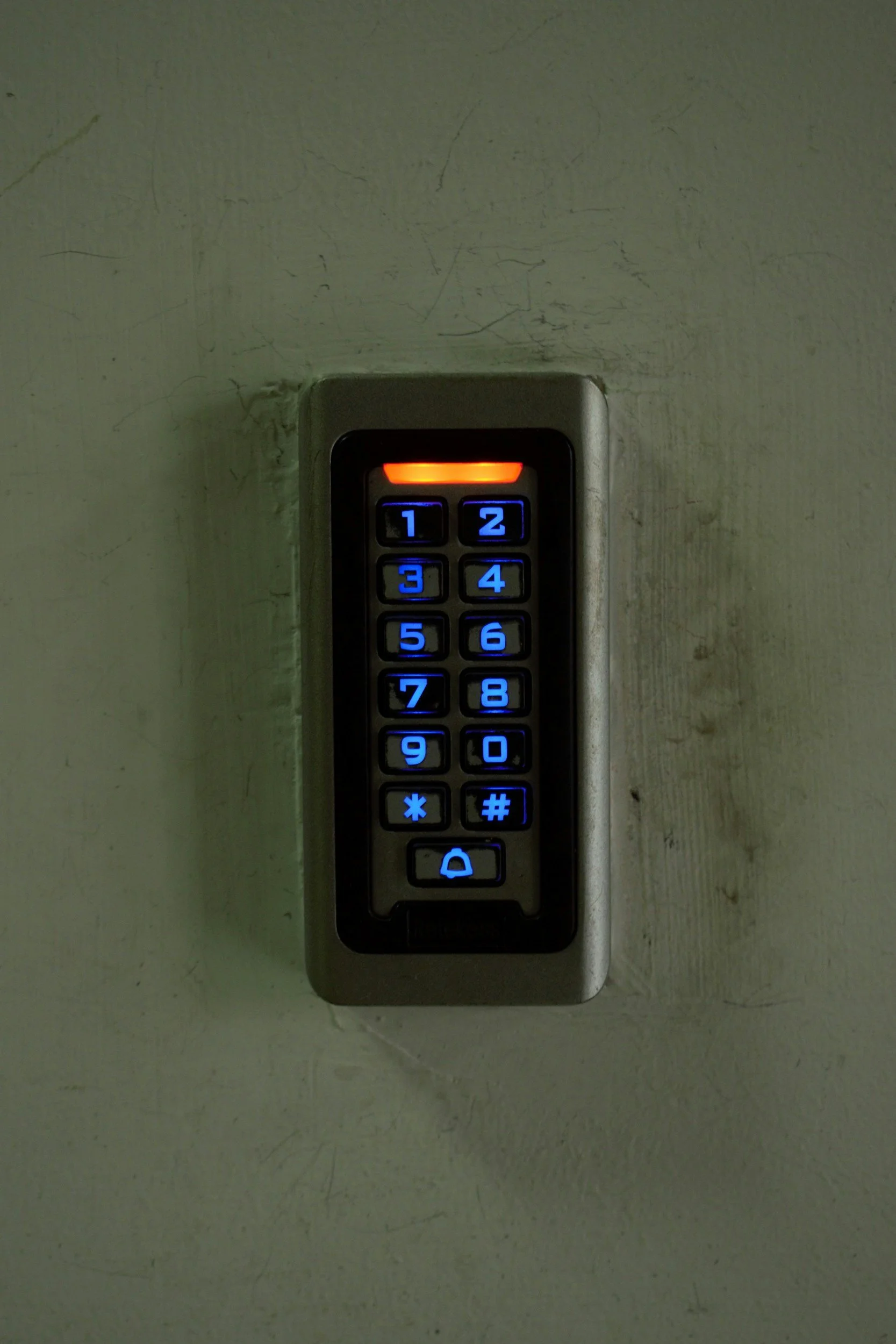
Gun safes are commonly associated with firearm storage, but modern designs support much broader use. Current models regularly protect passports, property records, external hard drives, and jewelry in one controlled space. Features such as adjustable shelving, interior materials, and humidity control directly affect how well sensitive items remain intact, readable, and accessible over long periods.
We partnered with a home improvement company for this post. The opinions in the post are honest. All reviews and opinions expressed in this post are based on our personal views. We are excited because we know you will love it.
Gun safes are commonly associated with firearm storage, but modern designs support much broader use. Current models regularly protect passports, property records, external hard drives, and jewelry in one controlled space. Features such as adjustable shelving, interior materials, and humidity control directly affect how well sensitive items remain intact, readable, and accessible over long periods.
Using a single safe for multiple valuables simplifies household security and reduces reliance on scattered storage locations. Fire exposure, moisture buildup, and unauthorized access create overlapping risks that benefit from centralized protection. Choosing the right size, placement, locking method, and interior configuration allows one safe to handle varied assets efficiently while staying practical for everyday access.
Multi-Asset Security Beyond Firearms
Adjustable shelving and compartments let owners separate passports, titles, and electronics from hardware that can scratch or trap moisture. Many gun safes for sale now include removable trays and dividers that prevent metal edges from contacting paper, while small desiccant packs reduce humidity risk inside sealed storage. Organizing contents by item type and access frequency cuts search time and removes the need for extra drawers or off-site boxes.
Labeling shelves and storing originals in protective sleeves speeds retrieval while preserving condition. Anchoring heavier sections near the floor lowers tipping risk and keeps delicate records away from tool-grade gear. Planning internal zones based on access frequency keeps the safe practical, organized, and easy to maintain over time.
Fire Ratings Applied to Real Loss Prevention
Label fire times such as 90 minutes at 1200°F appear on many safe spec sheets. Those test numbers are measured under controlled conditions and often omit heat transfer from steam or nearby burning materials.
Choose a rating that aligns with typical emergency response times in your area and add small fire-resistant pouches for papers and drives to reduce heat and steam damage. For example, a 60-90 minute rating paired with pouches often keeps documents readable after a structure fire. Exterior wall positions, basements, and garages expose a safe differently than interior closets. Add insulation around the unit and choose a location that limits exposure during local fires.
Physical Theft Resistance Through Delay
Heavy safes bolted into a concrete slab make removal impractical without power tools and teamwork, which makes intrusion take longer. Robust lock types such as high-security mechanical or UL-rated electronic locks limit common attack methods and slow forced-entry attempts. Wider bolts and reinforced hinge plates add measurable delay that deters opportunistic thieves.
Placing the unit against interior walls or inside closets reduces visibility from windows and street-level sight lines. Anchoring into reinforced framing prevents lifting, and connecting the safe to a monitored alarm shortens response windows. Pair placement with a visible deterrent such as security film on nearby windows to make attempts less practical.
Controlled Access for Shared Households
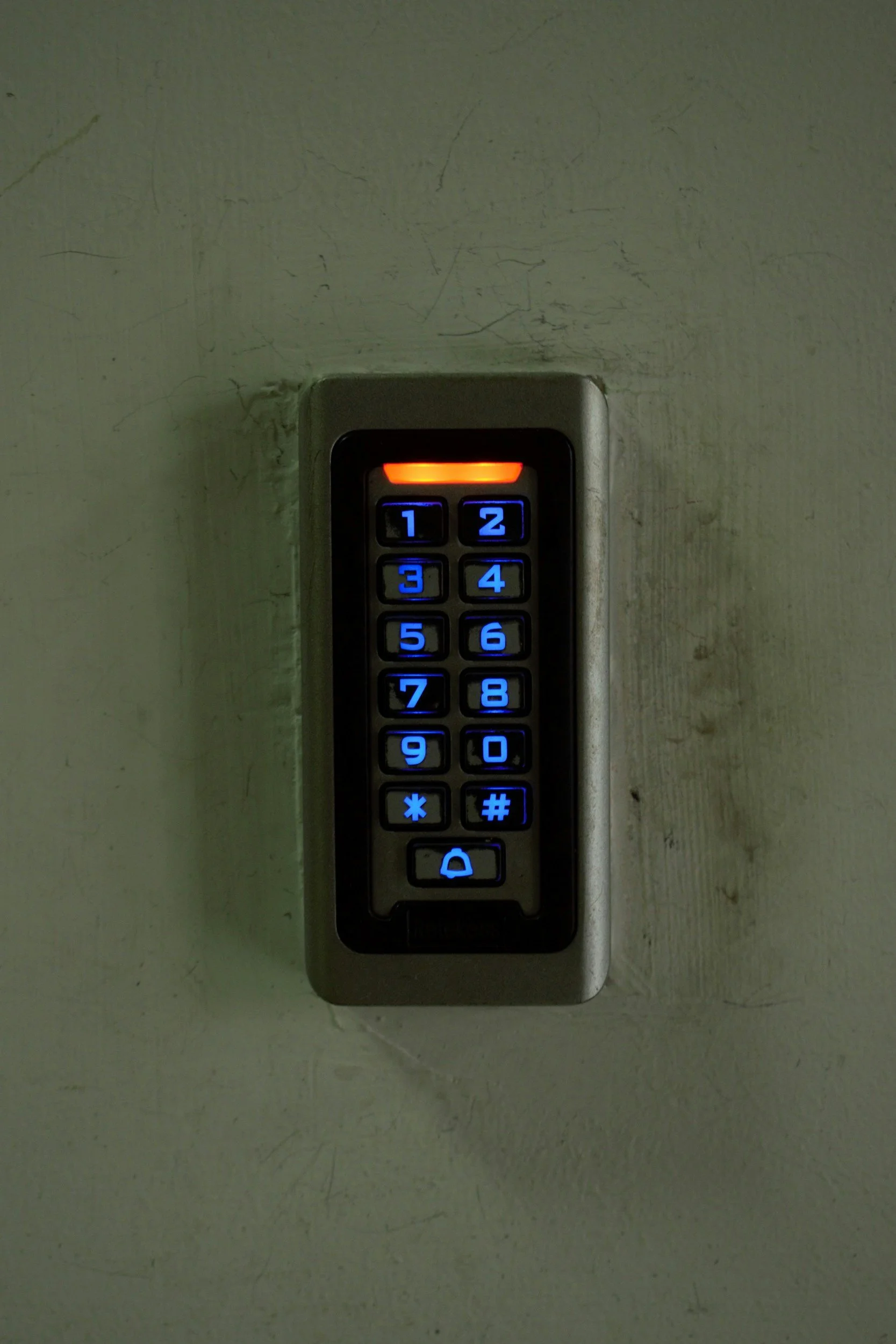
A keypad or biometric reader lets each adult use a personal code or fingerprint to open the safe. Use per-user credentials instead of a single shared combination so access can be revoked or tracked without changing mechanical locks, and give tiered permissions when needed so some users only reach specific internal zones.
Treat code assignment as part of household policy and record who has access, change codes when people leave, and use audit logs where available to verify access. Check batteries seasonally, keep a sealed backup key, and schedule quarterly code reviews as part of routine home maintenance, and document any access changes.
Ongoing Value From One-Time Investment
Long-term value improves when a safe supports reconfiguration without replacement. Modular interiors with adjustable shelves, removable trays, and accessory panels allow storage to shift as priorities change. Dedicated document sleeves, media drawers, and jewelry inserts protect mixed materials while keeping frequently used items accessible. Integrated humidity systems and space for rechargeable desiccants support stable conditions for paper and electronics.
Administrative planning reinforces durability and resale value. Keeping a dated inventory, purchase receipt, and serial numbers inside the unit supports insurance claims and ownership verification. For instance, recording added shelves, upgraded locks, or interior kits allows insurers to assess coverage accurately and helps future buyers evaluate condition. This approach preserves usability and financial value over time.
A well-planned safe setup supports far more than basic storage when key features are chosen intentionally. Appropriate fire ratings, secure anchoring, and dependable lock systems help limit loss from heat, moisture, and unauthorized access. Interior organization, modular shelving, and humidity management protect documents, electronics, and valuables while keeping retrieval simple. Clear access rules and routine code reviews maintain control in shared households. With periodic inventory updates and small interior adjustments, one properly selected unit continues to adapt as needs change, delivering consistent protection, better organization, and long-term value from a single investment.

How To Prevent Water Rings And Mold Under Planters
Potted plants are supposed to improve a space, not leave behind evidence. It’s enough to ruin a day when you lift up a plant and discover a water ring beneath the planter. Especially when you’ve bent over backward to prevent just that. And why and where is that mold coming from, anyway? It’s a mystery that needs to be solved.

Potted plants are supposed to improve a space, not leave behind evidence. It’s enough to ruin a day when you lift up a plant and discover a water ring beneath the planter. Especially when you’ve bent over backward to prevent just that. And why and where is that mold coming from, anyway? It’s a mystery that needs to be solved.
It’s not you. This problem is common, and it can happen both inside and outside of the house. Even a temporary display, like sympathy flowers placed near a front door or on a side table, can leave damage behind. The problem comes down to trapped water, and it has less to do with your watering technique than what happens afterward.
Why Water Collects Under Planters
Most planters are designed to drain. That’s helpful, but only if the water has somewhere to go. When a pot sits flat on a surface, drained water spreads out and stays there. Air cannot circulate. Moisture becomes persistent instead of temporary.
Many homeowners rely on saucers, assuming they offer protection. Sometimes they do. Often they make things worse. A saucer that stays wet holds water directly against the surface below it. Over time, finishes break down, stains deepen, and mold finds a cozy home.
How Pot Feet Solve a Common Problem
Pot feet are simple, which is exactly why they work. By lifting a planter slightly off the surface, they allow air to move underneath. That little bit of airflow is enough to encourage drying and reduces prolonged exposure to moisture.
You don’t even need much clearance. Even a small gap makes a huge difference. Water drains away from the base of the pot instead of spreading outward and sitting.
Pot feet work especially well on outdoor surfaces, where rain adds another layer of exposure. They also help indoors when paired with a proper saucer. Many designs are subtle enough that they disappear visually once the plant is in place.
Using Plant Stands for Added Protection
Plant stands offer a more comprehensive solution. Instead of slight elevation, they create full separation between planter and surface.
With a stand, airflow is constant. Cleaning becomes easier. Dust, moisture, and residue don’t get trapped in one hidden spot. If water drains out, it disperses rather than pooling.
Stands also reduce the temptation to overwater. When excess water is visible, people tend to adjust their habits. That small behavioral shift helps both the plant and the surface supporting it.
Choosing Saucers That Actually Help
Not all saucers are equal. Porous materials, like unglazed clay, absorb water and release it slowly. That moisture often transfers downward. Non-porous options behave differently.
Glazed ceramic, sealed metal, and dense composites hold water without absorbing it. When combined with elevation, they serve a clear purpose: the saucer catches runoff, airflow underneath allows evaporation, and the surface below stays dry more often than not.
Using a saucer without elevation rarely solves the problem. It simply changes where the water sits.
Placement and Watering Habits Matter More Than People Think
Even the best setup benefits from thoughtful placement. Planters pressed against walls dry slower because of less air circulation. Corners collect humidity. Shaded areas hold moisture longer than sunny ones.
Watering habits also play a role. Many homeowners water on a schedule rather than based on soil conditions. Most plants prefer soil that dries slightly between waterings, which reduces runoff and limits saturation underneath the pot.
Protecting Surfaces Comes Down to Air and Awareness
Water rings and mold aren’t signs you don’t have a green thumb. They’re just indicators of trapped moisture. When air can move, water leaves. Surfaces stay intact, and mold struggles to gain a foothold.
Pot feet, plant stands, and non-porous saucers work because they respect how water behaves. For homeowners who care about preserving their floors, patios, and furniture, preventing damage under planters is less about constant vigilance and more about setting things up correctly from the start.
AUTHOR BIO: Soha Fatma is the content and brand strategy writer for Top Florist, a floral delivery company known for creating thoughtfully curated arrangements for any occasion. It is based in The Woodlands, Texas. Soha specializes in content strategy and digital marketing, focusing on crafting editorial and SEO‑driven storytelling that amplifies the company’s brand voice, engages consumers, and drives business growth across digital platforms.
Common Yard Habits That Could Attract Pests
Are bugs taking over your backyard? You might be accidentally inviting them in! Check out these simple tips to keep your outdoor space pest-free.
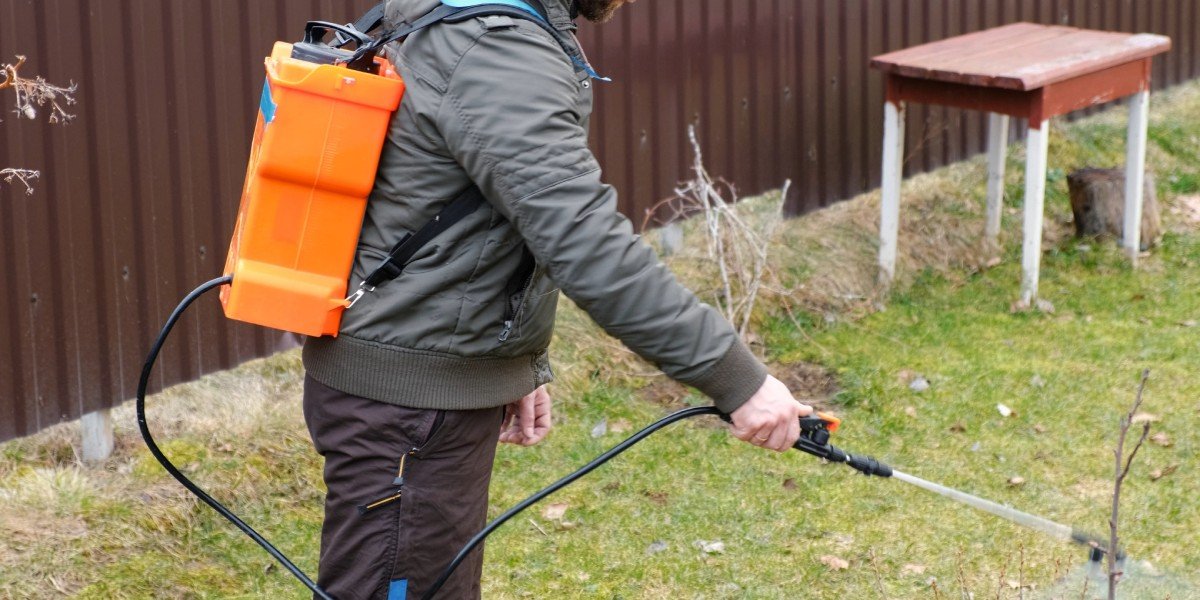
We all love spending time outside when the weather gets nice. Nothing beats a barbecue or just reading a book in the sun. But sometimes, unwanted guests decide to crash the party. You’ll be surprised to find out that some of your daily routines are actually rolling out the red carpet for bugs and rodents. Let’s look at a few common yard habits that could attract pests so you can get back to enjoying your outdoor space.
Ignoring Standing Water
Mosquitoes love water more than anything. If you leave water sitting around, you are basically building a nursery for them. Birdbaths look nice, but if the water sits stagnant for days, it becomes a massive breeding ground.
Clogged gutters are another major culprit because they trap moisture right up against your roof. You need to dump out standing water regularly to keep these biting insects away.
Letting the Grass Grow Too Tall
We all get busy, and sometimes mowing the lawn falls to the bottom of the to-do list. However, tall grass and overgrown bushes provide ideal hiding places for ticks and fleas. Thick vegetation also provides cover for larger predators.
If you are wondering what attracts snakes to a property, high grass and dense shrubbery are high on the list because they offer shelter and hunting grounds. Keeping your lawn trimmed helps discourage these visitors from settling in.
Stacking Firewood Against the House
Having a stack of firewood ready for a fire pit feels cozy, but where you store it matters. Piling wood right up against your home’s foundation creates a bridge for termites to march straight into your walls. Spiders and rodents also love the dark, protected spaces between logs.
You should store firewood at least twenty feet away from your house and keep it elevated off the ground. This simple change makes it much harder for pests to use your woodpile as a staging ground for a home invasion.
Keeping Mulch Too Close to the Foundation
Mulch helps your plants retain moisture and makes flower beds look tidy. However, applying it too thickly or right up against your foundation traps moisture against the house. This damp environment attracts termites, earwigs, and ants seeking a way inside.
Try to leave a barrier of crushed stone or bare soil between your mulch and the foundation wall. This dry zone acts as a deterrent for insects looking to migrate from the garden into your living room.
Take Back Your Backyard
Taking care of your yard takes work, but it pays off when you can relax without constantly swatting bugs. By tweaking a few of these routines, you make your property much less appealing to invaders. Pay attention to these common yard habits that could attract pests, and you will likely see a big difference in the number of creepy crawlies hanging around. Take a walk around your property today and see if any of these issues need your attention!

Before You Decorate: Essential Things to Consider When Moving into a New Home
Moving into a new home is exciting, but it can also be deceptively overwhelming. Between boxes, paperwork, and the urge to immediately start buying décor, it is easy to rush into decisions you will regret later. Before you hang artwork or order a sofa, take a breath and focus on a few smart steps that will make decorating easier, cheaper, and far more satisfying in the long run.
Moving into a new home is exciting, but it can also be deceptively overwhelming. Between boxes, paperwork, and the urge to immediately start buying décor, it is easy to rush into decisions you will regret later. Before you hang artwork or order a sofa, take a breath and focus on a few smart steps that will make decorating easier, cheaper, and far more satisfying in the long run.
Start With the Essentials First
Before you think about paint colors or statement lighting, make sure your home is functioning properly. This is the moment to check things like plumbing, electrical outlets, heating and cooling systems, smoke detectors, and any small repairs that could become bigger headaches later.
A good rule is to handle basic safety and maintenance before spending money on décor. It makes no sense to invest in a beautiful living room rug if you later discover a slow leak near the window that ruins it. Get the boring stuff done first so your decorating decisions are not interrupted by unexpected repairs.
Choose the Right Location (Because Décor Can’t Fix Everything)
Your home’s location impacts your daily life more than any furniture choice ever will. Consider commute times, public transport access, school districts, noise levels, and how the neighborhood feels at different times of day. A street that seems peaceful at noon may turn into a traffic nightmare during rush hour.
This is also why renters should think carefully before signing a lease. For instance, people searching for rentals in Applecross near Perth often choose the area because it offers a balance of riverfront scenery, walkable streets, and quick access to the city. These attributes make it a great example of how location can shape lifestyle. No amount of decorating can replace the convenience of living somewhere that genuinely works for your routine.
Unpack With Intention Instead of Chaos

Most people unpack in a panic, shoving items into random drawers to make the boxes disappear. But rushing the process can lead to cluttered spaces and permanent, messy storage. Instead, unpack room by room and set up the spaces you use daily first, such as the kitchen, bathroom, and bedroom.
Focus on functional organization before aesthetic choices. For example, decide where your everyday plates will go before buying decorative glassware, and set up a simple closet system before purchasing extra shelves. Once your essentials are logically placed, your home naturally starts feeling calmer and more livable.
Measure Everything (Yes, Even the Hallways)
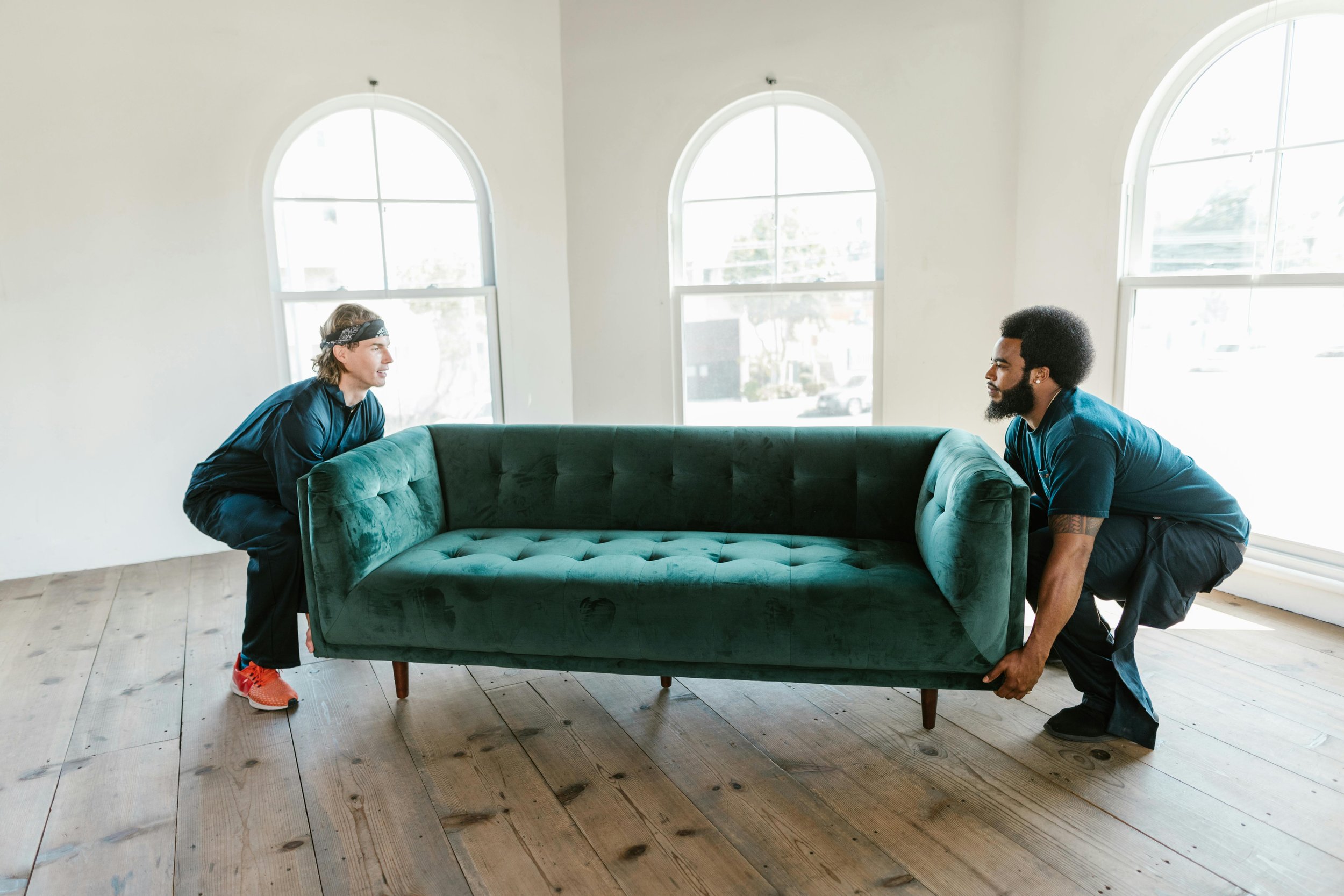
It is surprisingly common for people to fall in love with furniture online, only to realize it does not fit through the front door. Before you buy anything major, measure your rooms, doorways, staircases, and awkward corners. Take note of ceiling height as well, especially if you are considering tall shelving units or statement lighting.
The key is realistic space planning. Let’s say that an oversized sectional might look stunning in a showroom. But if it blocks your living room walkway or covers half your windows, it will feel cramped instead of cozy. Even smaller choices like side tables can make a room feel crowded if the proportions are wrong.
Get to Know the Light Before Picking Colors
Paint samples can look completely different depending on lighting, and this is one of the most common decorating mistakes new homeowners make. Natural light shifts throughout the day, and artificial light can change the tone of everything from wall paint to flooring. A warm beige might look creamy in the morning and dull or yellow at night.
This is why lighting affects every design decision. Try living in your home for at least a few days before choosing paint colors, curtains, or even rugs. If possible, test paint swatches directly on the wall and observe them at different times. A shade that feels perfect at 2 PM may feel completely wrong under evening lamps.
Make the Space Work Before You Make It Pretty
Decorating a new home is not just about making it look good, it is about making it feel right. When you take time to handle essentials, plan your layout, understand lighting, and set a realistic budget, you create a foundation for a home that truly supports your life. Once the practical steps are done, you can focus on style choices with confidence and build a space that feels comfortable, personal, and genuinely yours.

