

A resource for those seeking information on organizing and transforming spaces.

Simple Home Maintenance Tasks That Improve Indoor Comfort
Comfortable homes don’t always need major renovations. Minor maintenance tasks may make a great difference in how you make your home feel daily. If done properly, these tasks won’t just improve overall comfort. They will also enhance temperature control and air quality.
We partnered with a home improvement company for this post. The opinions in the post are honest. All reviews and opinions expressed in this post are based on our personal views. We are excited because we know you will love it.

Comfortable homes don’t always need major renovations. Minor maintenance tasks may make a great difference in how you make your home feel daily. If done properly, these tasks won’t just improve overall comfort. They will also enhance temperature control and air quality.
Most comfort issues start with minor problems that are simple to fix. Sparing a couple of minutes of your time to inspect your home will prevent major issues later. Some of the maintenance tasks that can improve indoor comfort are:
1. Keep Air Pathways Clean
Clean airflow can help all rooms in your home feel more comfortable and fresher. Debris and dust may accumulate inside vents. Not to mention, they may minimise the efficiency of your system. As a homeowner, schedule air duct cleaning as part of your routine maintenance. This won’t just support a cleaner indoor environment. It will also improve airflow.
2. Replace Filters on Time
Air filters in ventilation systems are made to trap dust. So, they should be in good condition. If they clog, the entire system will work harder. Replacing them regularly is crucial. It will help make indoor space feel comfortable.
3. Seal Drafts around Windows and Doors
Gaps around your windows or doors are an issue. They will let outdoor air enter the house. Sealing those openings is important. By doing so, you will maintain a stable indoor temperature.
4. Clean Ceiling Fans and Vent Covers
Dust collects on vent covers and ceilings over time. As fans operate, they spread dust throughout your home. Cleaning them regularly keeps air fresh. Not to mention, it ensures those fixtures work effectively.
5. Manage Indoor Humidity
The level of humidity matters. It can impact how comfortable your home feels. Excess moisture creates a sticky feeling. But dry air causes discomfort. Using exhaust fans in your bathroom is crucial. It will help to maintain a healthier balance indoors.
6. Keep Floors and Carpets Clean
Carpets and floors usually collect dust. This dust can affect the quality of indoor air. So, regular cleaning is crucial. It will help create a more comfortable living space.
7. Check Your Thermostat Settings
Thermostats control how ventilation systems operate. Incorrect settings don’t just result in uneven temperatures. They also lead to unnecessary energy use. Reviewing settings every season will keep you comfortable.
8. Maintain Bathroom and Kitchen Ventilation
Kitchens and bathrooms produce odours and moisture daily. Good ventilation doesn’t just keep indoor air fresh. It also removes excess humidity. Cleaning fans more regularly ensures they run more efficiently.
The bottom line is that indoor comfort depends on consistent maintenance. Minor tasks, like cleaning vents, make a great difference. By being proactive with these simple tasks, you will enjoy a more comfortable home.

WHAT TO DO IF YOU SMELL GAS NEAR YOUR FURNACE: A STEP-BY-STEP SAFETY GUIDE
A whiff of gas around a heater means trouble. So, act without delay! When leaks go unchecked, fires might start, health could suffer, and property damage may follow.
We partnered with a home improvement company for this post. The opinions in the post are honest. All reviews and opinions expressed in this post are based on our personal views. We are excited because we know you will love it.
A whiff of gas around a heater means trouble. So, act without delay! When leaks go unchecked, fires might start, health could suffer, and property damage may follow.
Here is what to do to ensure your safety.
Notice the early signals
That odd stench near your heater is a warning. Natural gas is usually odorless. But utility providers use a smelly additive so people spot leaks fast. Smells like spoiled eggs? Pay attention.
Other warning signs of a leak include:
A hissing noise near gas lines
Dead plants around a gas line
Unusual furnace performance
Strange physical symptoms like dizziness, headache, and nausea.
A technician should inspect the unit right away.
Do not use electrical devices
Get out the door fast if you smell gas. Don’t touch any switches. Even flipping a light might spark the air. Step away without messing with gadgets or power things. Get people out first, worry about stuff later.
Evacuate
Get everyone out of the house right away. Do not grab things on your way out. Staying alive matters most.
After getting out safely, reach out to a firm that handles emergency furnace repair Red Deer. An expert can spot where the problem started and get your home warm again without risk.
Leave doors open if safe
Open doors as you leave. But only if doing so is quick and safe. That might let gas escape. It lowers how much gas builds up inside. Still, getting out fast matters more than airing out the place. Risking your safety just to crack a window? Not worth it.
Contact emergency services and your gas provider
Reach out to your gas provider. Ask about the possible leak. Listen closely to what they tell you. Do exactly that.
Strong smell filling the air? Think things might go wrong fast? Get hold of emergency responders too.
Schedule a professional furnace inspection
Smells like gas might come from:
Worn parts
Shaky joints
An old unit that is falling apart
A comprehensive inspection can reveal why a problem happened. It can also stop risks later on. What you spot today might prevent trouble tomorrow.
Stop future gas leaks before they happen
Catch small issues early! This often prevents bigger troubles later. A yearly check is important. It gives experts time to:
Examine pieces that might be failing
Verify fuel ducts are secure
Confirm everything runs without waste or risk.
The takeaway
A whiff of gas by your furnace? Never treat that lightly. Get out fast instead. Reach out to emergency services once you are safe. Let trained experts handle fixes after that. Acting without delay helps lower danger. So does checking the system often.

Garage Organization Trends Homeowners Are Embracing in 2026
Garage organization trends homeowners are embracing in 2026 focus on smart storage, cleaner layouts, and stylish systems that maximize usable space.
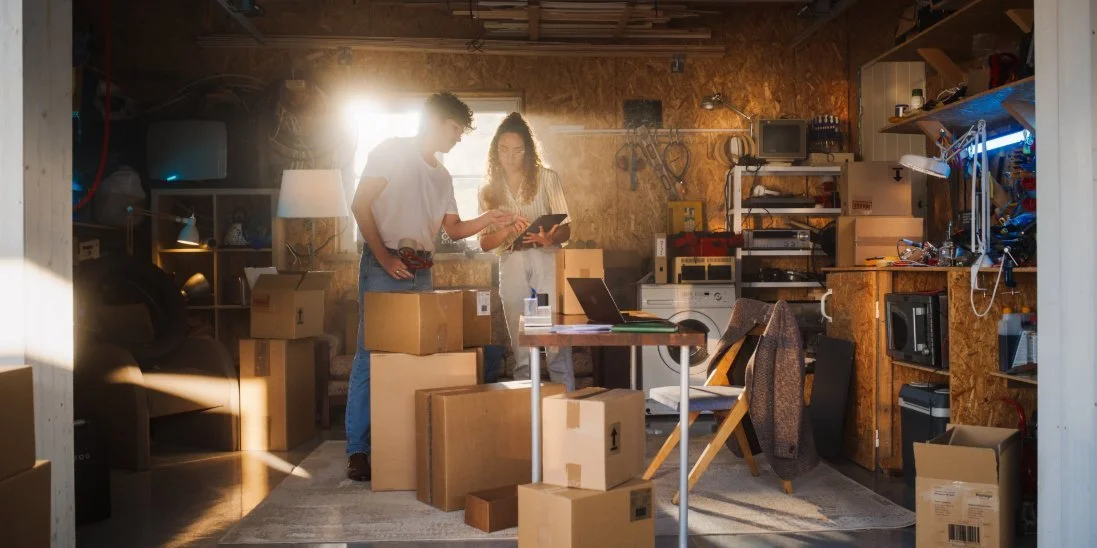
Garages are no longer treated as simple catchall spaces for tools, sports gear, seasonal décor, and forgotten boxes. More homeowners are viewing them as extensions of the home, where organization, design, and everyday function work together. Garage organization trends homeowners are embracing in 2026 reflect a growing interest in cleaner layouts and garage spaces that feel intentional rather than purely utilitarian.
More Vertical Storage
One of the biggest shifts in garage organization is the move toward vertical storage. Instead of relying on bulky cabinets or floor-stacked bins, homeowners are using wall-mounted systems to keep items visible, accessible, and off the ground. This approach helps free up floor space for parking, hobbies, fitness equipment, or workstations.
Slatwall systems, pegboards, hooks, and adjustable shelving make it easier to create storage zones for tools, yard equipment, bikes, and cleaning supplies. Homeowners interested in a more polished look are also turning to half wall slatwall designs for modern garage aesthetics because they combine organization with a finished, design-conscious appearance.
Garages With Defined Zones
Another popular trend is creating dedicated zones within the garage. Rather than mixing everything together, homeowners are separating areas for home maintenance, sports gear, automotive supplies, gardening tools, and seasonal storage. This makes the garage easier to navigate and helps prevent clutter from returning after a major cleanup.
Defined zones also support how families actually use the space. A household with children may need an easy-access area for bikes and outdoor toys, while another homeowner may prioritize a workbench or hobby station. The goal is to make the garage function like a well-planned room instead of an oversized closet.
Cleaner, More Modern Finishes
Aesthetics are becoming just as important as storage capacity. Homeowners are choosing garage upgrades that look cohesive with the rest of the home, including neutral wall colors, durable flooring, sleek cabinetry, and coordinated storage accessories. Even small design choices can make a garage feel more comfortable and organized.
Epoxy flooring, improved lighting, and streamlined wall storage all contribute to a cleaner appearance. These updates also make the space easier to maintain, which is especially important for garages used daily.
Flexible Storage for Changing Needs
Flexibility is another major part of garage organization trends homeowners are embracing. Families’ storage needs change over time, so adjustable systems are becoming more appealing than fixed solutions. Shelves that can move, hooks that can be rearranged, and modular cabinets allow homeowners to update the garage as their routines change.
This is especially useful for seasonal items, sports equipment, and growing hobby collections. A flexible system can adapt without requiring a full redesign every few years.
A More Intentional Garage
The modern garage is becoming cleaner, smarter, and more personalized. By focusing on vertical storage, defined zones, attractive finishes, and adaptable systems, homeowners can create a garage that supports everyday life while adding order to one of the busiest spaces in the home.

Sources of Indoor Air Pollution Most Homeowners Overlook
Indoor air can be affected by everyday items, habits, and hidden pollutants. See overlooked sources that may impact your home’s air quality.

Many people think of outdoor smog, pollen, or wildfire smoke when they hear the phrase air pollution, but the air inside a home can also contain a surprising number of irritants. Because people spend so much time indoors, it is important to understand the sources of indoor air pollution most homeowners overlook and how small household habits can affect overall air quality.
Cleaning Products and Fragrances
Household cleaners are designed to make a home feel fresh, but some sprays, disinfectants, air fresheners, and scented candles can release chemicals into the air.
Strong fragrances may mask odors, but they do not always remove the particles or compounds causing them. Using products with fewer harsh chemicals, opening windows when cleaning, and avoiding unnecessary fragrance sprays can help reduce buildup indoors.
Cooking Fumes and Kitchen Particles
Cooking is another common source of indoor pollutants. Gas stoves, high-heat frying, burnt food, and even normal meal preparation can release smoke, grease particles, moisture, and odors.
Without proper ventilation, these particles can linger long after dinner is over. Running a range hood, cracking a window, and cleaning grease from surfaces can help keep the kitchen from becoming a major contributor to poor indoor air.
Dust Trapped in Soft Surfaces
Carpets, rugs, curtains, upholstered furniture, and bedding can hold dust, pollen, pet dander, and other allergens. Even when a room looks clean, movement across soft surfaces can send particles back into the air.
Regular vacuuming with a quality filter, washing bedding, and reducing clutter can make it easier to manage dust. Air purifiers can also support cleaner air when used correctly, especially when homeowners know how to get the most out of their purifier to help the unit work more effectively.
Moisture, Mold, and Poor Ventilation
Bathrooms, basements, laundry areas, and kitchens often collect excess moisture. When humidity stays too high, mold and mildew can develop behind walls, under sinks, around windows, or in poorly ventilated corners.
These hidden growths can release spores into the air and create musty odors. Fixing leaks, using exhaust fans, and keeping indoor humidity under control can help prevent moisture-related air quality problems.
Pets, Shoes, and Everyday Traffic
Pets bring comfort and companionship, but they also contribute dander, hair, outdoor particles, and odors. Shoes can track in dirt, pesticides, pollen, and other contaminants from outside.
Creating a shoe-free entry area, grooming pets regularly, and washing pet bedding can reduce the amount of debris moving through the home.
Building Materials and Furnishings
New furniture, paint, flooring, cabinetry, and certain building materials can release volatile organic compounds over time. This process, often called off-gassing, may be most noticeable when a room has a “new” smell.
Ventilating after renovations, choosing low-VOC materials, and allowing new items to air out before heavy use can help reduce exposure.
Understanding the sources of indoor air pollution most homeowners overlook makes it easier to build healthier routines. Cleaner indoor air does not usually come from one solution alone. It often requires better ventilation, consistent cleaning, moisture control, thoughtful product choices, and proper use of filtration tools throughout the home.