

A resource for those seeking information on organizing and transforming spaces.

Easy Ways You Can Make Your Pool Deck Safer
Implement these easy ways you can make your pool deck safer right now so you can avoid creating a dangerous environment for you and your family.
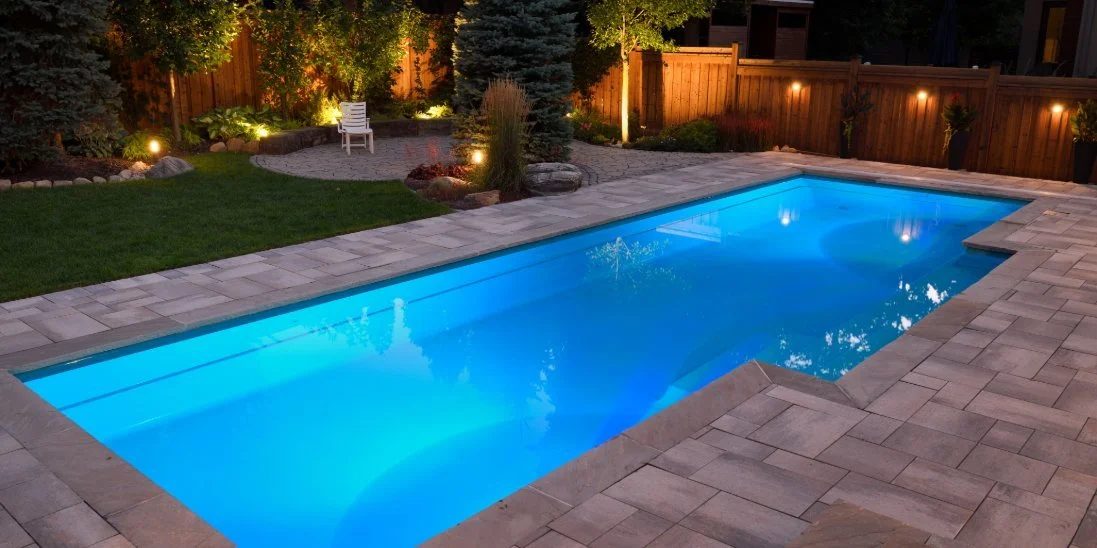
A pool deck should feel like a place to relax, not a spot filled with hazards. Professional concrete improvements can help create a cleaner, safer space that looks great, too. Try out these easy ways you can make your pool deck safer.
Keep Pool Toys in One Designated Area
Pool toys scattered across a deck create trip hazards in a hurry. Floats, balls, goggles, and pool noodles can end up exactly where people walk the most. A dedicated storage bench or shelving unit keeps these items out of the way.
This approach also helps the area look cleaner and more inviting. At the end of a swim session, everyone knows where items belong. Less clutter means fewer chances for accidents around wet concrete surfaces.
Create Clear Walkways Around the Pool
Inspections are important for spotting issues, especially if you know why full concrete pool deck replacement outlasts resurfacing. Besides inspecting for repair opportunities, you need to look out for items cluttering the pool deck. A crowded deck forces people to weave around furniture, decorations, and equipment. That can become risky when feet are wet. Arrange chairs, tables, and loungers so there are open paths around the entire pool perimeter.
Think about how people naturally move through the space. Guests should have a direct route from seating areas to the pool and back again. Open walkways reduce congestion and help everyone move comfortably.
Group Furniture Into Purpose Zones
Organization becomes easier when each section of the deck serves a specific purpose. Place lounge chairs together in one area and dining furniture in another. Keep grilling equipment separate from pool entry points. This layout prevents unnecessary traffic in busy locations. It also creates a more comfortable environment for guests. A deck with defined zones feels orderly and easier to navigate.
Store Pool Chemicals Away From Activity Areas
Another easy way to make your pool deck safer is to be more mindful of pool chemical placement. Pool chemicals should never sit out near seating areas or walkways. Even sealed containers can become obstacles if they occupy high-traffic spaces. A dedicated storage cabinet or shed provides a better solution.
This arrangement keeps supplies protected from weather and out of reach of children. It also frees up deck space for safer movement. Everything will have a designated location, which helps eliminate clutter.
Keep Hoses and Cords Organized
Pool vacuums, extension cords, and hoses can stretch across a deck before anyone notices. These items create some of the most common tripping hazards around pools. Reel systems, hooks, and storage racks help keep them contained.
When cleanup is complete, return equipment to its designated spot. A few extra minutes of organization can prevent injuries later. The deck also looks much neater as a result.
Many pool deck hazards come from clutter, poor layout choices, and items left where they don't belong. Small adjustments can improve how the entire space functions day after day. Use the tips above to make your home safer right now.

How to Organize a Home Music Practice Space Without Letting Accessories Take Over
A home music space can quickly fill with small items. Cables, sheet music, picks, and cases tend to spread across every surface. What starts as a simple setup can turn into a crowded area that makes practice harder. A clear system helps keep everything in place while still allowing easy access.

A home music space can quickly fill with small items. Cables, sheet music, picks, and cases tend to spread across every surface. What starts as a simple setup can turn into a crowded area that makes practice harder. A clear system helps keep everything in place while still allowing easy access.
Define a Clear Practice Zone
Start by choosing a dedicated area for music. This can be a corner of a room or a small section of a shared space. Keeping instruments and accessories in one place prevents them from spreading throughout the home.
The practice zone should have enough room for movement and storage. A defined space also makes it easier to maintain order over time.
A chair, stand, and instrument should fit comfortably without feeling cramped. This setup helps create a consistent routine and keeps distractions low.
Limit What Stays Out
Only keep essential items within reach during practice. This may include your instrument, a music stand, and current sheet music. Extra accessories should be stored away when not in use.
Leaving too many items out can make the space feel cluttered. It can also slow down practice, as time is spent searching for what you need. Rotating materials can help. Store older sheet music and bring out only what you are actively using. Keeping the area simple should be the goal.
Use Vertical Storage
Wall space is often underused in home setups. Hooks, shelves, and wall-mounted racks can hold instruments and accessories without taking up floor space. This keeps items visible and easy to access.
Using vertical storage also helps keep the space cleaner. Vacuuming and wiping down furniture become easier when there isn't clutter in the way.
Organize Small Accessories
Small items are often the hardest to manage. Picks, tuners, and cleaning tools can easily get lost. Using small containers or drawer organizers keeps these items grouped together.
Take the time to label containers to save time and reduce frustration. For example, store and label your platinum ligaturein one bin while keeping your reeds and reed cases in another. Knowing where each item belongs will make it easier for you to maintain and continue the system.
Manage Cables and Equipment
Cables can quickly make a room look and feel chaotic if left unmanaged. Using cable ties or clips helps keep them neat and easy to handle. Additionally, storing extra cables in a small container prevents them from tangling or becoming damaged.
Wired equipment, such as amps or speakers, should have a designated place with their cables neatly coiled. Keeping these items close to the practice area not only helps reduce set-up time but also protects them from misuse or damage.
Create a Simple Storage Routine
Organization works best when it becomes part of a routine. After each practice session, take a few minutes to return items to their place. Make a point to have weekly thorough checks for items that are not used daily. This keeps the system working without requiring large cleanups.
Keep the Space Flexible
Music needs can change over time. New instruments or accessories may be added, old ones may be given away or tossed out. Knowing this, avoid filling every storage space up. Leave room for future items to help maintain balance and peace of mind. This approach keeps the area functional and flexible for when needs evolve.
A well-organized music space does more than look neat. It supports focus, saves time, and protects equipment from being lost or damaged. Practice becomes smoother and more enjoyable. By maintaining this system along with some consistent habits, it's possible to keep the space functional without letting it fill up with clutter.
SOURCES
https://www.homesandgardens.com/solved/organize-a-music-room
https://fredberryconstruction.com/blog/music-room-design-guide/

Why All Terrain Cranes Are Essential for Modern Construction Sites
Have you ever wondered what makes a construction project run smoothly, even when the terrain looks impossible to navigate? Or perhaps you've asked yourself how massive steel beams get lifted into place on sites that seem barely accessible? The answer often lies in one remarkable piece of machinery: the all terrain crane.
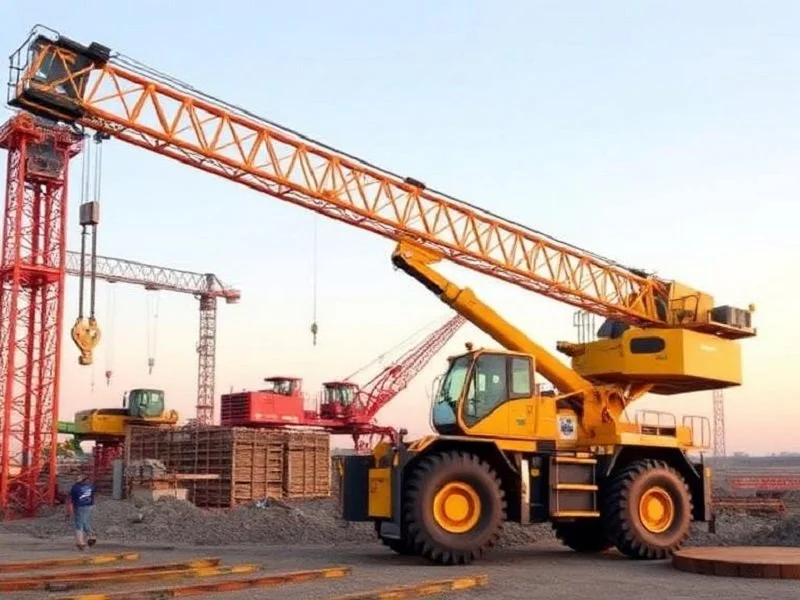
Have you ever wondered what makes a construction project run smoothly, even when the terrain looks impossible to navigate? Or perhaps you've asked yourself how massive steel beams get lifted into place on sites that seem barely accessible? The answer often lies in one remarkable piece of machinery: the all terrain crane.
These versatile workhorses have become the backbone of modern construction across Australia. From bustling city centres to remote mining sites, all terrain cranes are making the impossible possible. They combine the best features of various crane types into one powerful package, allowing construction teams to tackle challenges that would have been unthinkable just a few decades ago.
In this article, we'll explore exactly why all terrain cranes have become so vital to today's construction industry. You'll discover what sets them apart from other crane types, the incredible range of applications they're suited for, and how to choose the right one for your next project. Whether you're a project manager, a site supervisor, or simply curious about construction equipment, this guide will give you a clear understanding of why these machines are genuinely essential on modern construction sites.
What is an All Terrain Crane?
An all terrain crane is a mobile crane designed to operate on both public roads and rough, uneven ground. Think of it as the Swiss Army knife of the crane world. It combines the road-travelling capabilities of truck cranes with the off-road prowess of rough terrain cranes.
Key Features That Set All Terrain Cranes Apart
What makes these machines so special? First, they feature multiple axles—usually between two and nine—giving them exceptional stability and weight distribution. This design allows them to carry heavier loads while maintaining manoeuvrability.
They also come equipped with all-wheel steering and all-wheel drive systems. This means they can navigate tight spaces on construction sites and handle muddy, sandy, or rocky conditions without getting stuck. Plus, their adjustable suspension systems allow operators to level the crane on uneven ground quickly.
How Do All Terrain Cranes Differ from Mobile Cranes?
While all mobile cranes share some similarities, all terrain cranes stand out for their versatility. Standard truck-mounted cranes work brilliantly on paved surfaces but struggle off-road. Rough terrain cranes excel on challenging ground but can't legally travel on highways.
All terrain cranes bridge this gap perfectly. They can drive from one site to another on public roads, then roll straight onto unprepared ground and get to work. This dual capability saves significant time and eliminates the need for separate transport arrangements.
Why Are All Terrain Cranes So Popular on Construction Sites?
The popularity of these cranes isn't accidental. Construction professionals across Australia choose them for compelling practical reasons that directly impact project success.
Unmatched Versatility Across Job Sites
One crane, countless applications—that's the beauty of all terrain cranes. They perform equally well in urban environments with limited space and on sprawling rural sites. This flexibility means contractors don't need multiple crane types in their fleet.
Whether you're erecting structural steel, placing HVAC units on rooftops, or lifting prefabricated components, an all terrain crane can handle it. This adaptability makes them particularly valuable for companies working across diverse project types.
Superior Mobility on Challenging Ground Conditions
Australian construction sites aren't always conveniently flat and paved. Many projects involve uneven terrain, soft ground, or steep gradients. All terrain cranes thrive in these conditions.
Their powerful drive systems and specialised tyres grip surfaces that would defeat other crane types. Adjustable outriggers provide rock-solid stability even on slopes, ensuring safe lifting operations regardless of ground conditions.
Quick Setup and Reduced Downtime
Time is money on any construction site. All terrain cranes arrive ready to work with minimal setup requirements. Most can be fully operational within 15 to 30 minutes of arriving on site.
This quick deployment means more productive hours and faster project completion. When compared to crawler cranes that require significant assembly time, the efficiency gains become even more apparent.
What Are the Benefits of Using an All Terrain Crane?
Beyond versatility, these cranes deliver tangible benefits that justify their investment for construction companies of all sizes.
Cost-Effectiveness for Multi-Site Projects
For contractors managing multiple sites, all terrain cranes offer outstanding value. One crane can service several locations without needing expensive transport between jobs. This self-mobilisation capability significantly reduces logistics costs.
The reduced need for specialised transport trucks also means fewer permits, less coordination, and lower overall project expenses. For busy construction firms, these savings add up quickly over a year's worth of projects.
Enhanced Safety Features for Complex Lifts
Modern all terrain cranes come packed with safety technology. Load moment indicators prevent overloading, while anti-collision systems protect both the crane and surrounding structures. These features give operators confidence during complicated lifts.
Many models also include outrigger monitoring systems that alert operators to ground stability issues. This technology is particularly valuable on Australian sites where soil conditions can vary dramatically.
Impressive Lifting Capacities for Heavy Loads
Don't let their mobility fool you—these cranes pack serious lifting power. Modern all terrain cranes can handle loads ranging from 30 tonnes up to an incredible 1,200 tonnes for the largest models.
Telescopic booms extend to impressive heights, with some reaching over 100 metres. This combination of capacity and reach makes them suitable for high-rise construction and heavy industrial applications alike.
What Can All Terrain Cranes Be Used For?
The applications for all terrain cranes span nearly every sector of the construction industry. Their versatility makes them genuinely multi-purpose machines.
Commercial and Residential Construction
From apartment blocks to shopping centres, these cranes handle the heavy lifting that modern building projects demand. They're perfect for positioning structural elements, setting mechanical equipment, and installing facade panels.
On residential sites, they efficiently place roof trusses, modular bathroom pods, and prefabricated wall sections. Their compact footprint makes them especially useful on tight suburban building sites.
Infrastructure and Civil Engineering Projects
Bridge construction, road upgrades, and utility installation all benefit from all terrain crane capabilities. Their ability to work on unprepared ground makes them ideal for infrastructure projects in greenfield locations.
They're also brilliant for maintenance work on existing infrastructure, where access is often restricted and ground conditions are less than ideal.
Mining and Resource Industry Applications
Australia's mining sector relies heavily on all terrain cranes. These machines support equipment installation, maintenance activities, and construction of processing facilities across remote sites.
Their ability to travel independently to isolated locations reduces project costs significantly. When the nearest town might be hundreds of kilometres away, self-mobilisation becomes incredibly valuable.
Emergency Response and Disaster Recovery
When natural disasters strike, all terrain cranes are often among the first heavy equipment on scene. They clear debris, assist with rescue operations, and help rebuild damaged infrastructure.
Their ability to navigate damaged roads and unstable ground makes them essential for emergency response teams across Australia.
How Much Does It Cost to Hire an All Terrain Crane?
Understanding crane hire costs helps project managers budget accurately and choose the most cost-effective solution for their needs.
Factors That Influence Crane Hire Rates
Several variables affect hire prices. Crane capacity is the primary factor—larger cranes with greater lifting ability cost more. Hire duration also matters, with longer-term rentals typically offering better daily rates.
Location plays a role too. Remote sites may incur additional mobilisation fees. Operator requirements, insurance, and any specialised rigging equipment needed will also influence the final cost.
Hiring vs Purchasing: What Makes Sense for Your Project?
For occasional users, hiring makes clear financial sense. You avoid massive capital outlay, maintenance responsibilities, and storage costs. Hire companies also handle operator training and certification requirements.
However, companies with consistent, high-volume crane needs might find purchasing more economical over time. The decision depends on your specific usage patterns and financial situation.
How Do You Choose the Right All Terrain Crane for Your Project?
Selecting the appropriate crane requires careful consideration of several factors. Getting this decision right ensures safe, efficient operations.
Assessing Load Requirements and Reach
Start by determining your maximum lift weight and the height or distance required. Remember to factor in rigging equipment weight when calculating total load. Always choose a crane with capacity to spare—operating at maximum limits isn't wise practice.
Consider the number of lifts required too. If you're doing many lifts daily, efficiency features become more important than for occasional use.
Evaluating Site Conditions and Access
Examine your site thoroughly before selecting a crane. What's the ground condition like? Are there overhead obstacles? How much space is available for outrigger deployment?
Access routes matter as well. Measure any narrow passages or tight corners the crane must navigate to reach working positions.
Working with Experienced Crane Operators
Even the best crane is only as good as its operator. Insist on working with properly certified, experienced operators who understand both the equipment and your specific project requirements.
Good operators contribute significantly to project safety and efficiency. They can often suggest optimal crane positioning and lifting sequences that save time and reduce risk.
Common Challenges Solved by All Terrain Cranes
These machines regularly overcome obstacles that would stall projects using other equipment. Limited access? Their compact dimensions and steering capability handle tight spaces brilliantly. Variable ground conditions? No problem with their adjustable suspension and stabilisation systems.
Time pressure is another challenge they address effectively. Quick setup times and self-mobilisation mean projects stay on schedule even when crane requirements change unexpectedly.
The Future of All Terrain Cranes in Australian Construction
The future looks bright for all terrain cranes. Manufacturers continue developing cleaner, more efficient engines that meet tightening environmental standards. Electric and hybrid models are already entering the market.
Advanced telematics and remote monitoring capabilities are becoming standard features. These technologies improve maintenance scheduling, enhance safety oversight, and provide valuable operational data for project managers.
Making a Smart Choice for Your Next Project
All terrain cranes have earned their essential status on modern construction sites through proven performance, remarkable versatility, and genuine problem-solving capability. From remote mining operations to inner-city developments, they provide the lifting power and flexibility that today's projects demand.
When planning your next construction project, consider how an all terrain crane might streamline operations and reduce overall costs. Their ability to handle diverse conditions, quick setup times, and impressive lifting capacities make them smart choices for projects of all sizes. For businesses seeking reliable all terrain crane hire in Melbourne, these versatile machines offer an efficient solution for a wide range of construction and infrastructure projects.
So, whether you're managing a multi-storey commercial development or coordinating infrastructure upgrades across multiple sites, all terrain cranes deserve serious consideration. They're not just convenient—they're genuinely essential tools that help construction professionals deliver successful projects throughout Australia.

Plumbing Maintenance Checklist for Every Season
Your home's plumbing system works quietly in the background every single day, and like most things that do their job without complaint, it rarely gets the attention it deserves until something goes wrong. A burst pipe in January or a backed-up drain in July isn't just an inconvenience; it's a costly emergency that, in most cases, was entirely preventable.
We partnered with a home improvement company for this post. The opinions in the post are honest. All reviews and opinions expressed in this post are based on our personal views. We are excited because we know you will love it.
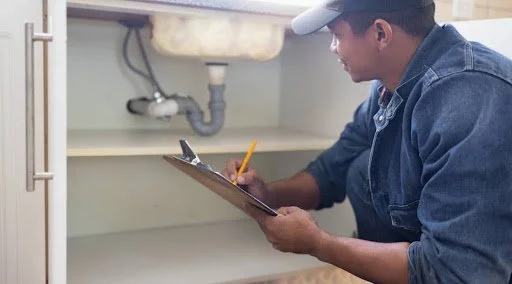
Your home's plumbing system works quietly in the background every single day, and like most things that do their job without complaint, it rarely gets the attention it deserves until something goes wrong. A burst pipe in January or a backed-up drain in July isn't just an inconvenience; it's a costly emergency that, in most cases, was entirely preventable.
The good news is that seasonal plumbing maintenance doesn't require a professional on speed dial or a toolbox full of specialized equipment. What it does require is consistency. This checklist walks you through what to inspect, test, and address each season so your plumbing stays reliable year-round.
Spring: Thaw Out and Inspect
After months of cold weather, spring is the ideal time to do a full audit of your plumbing system. Freezing temperatures can stress pipes, fittings, and outdoor fixtures in ways that aren't always immediately visible.
Outdoor Faucets and Hose Bibs
Turn on your exterior faucets and watch for drips, reduced pressure, or any sign of water coming from inside the wall rather than the spout. A freeze-damaged pipe may have cracked without your knowledge. If you spot anything unusual, call a plumber before warm weather turns a hairline crack into a flood.
Sump Pump Testing
If your home has a sump pump, spring is when it earns its keep. Pour a bucket of water into the sump pit to trigger the float switch and confirm the pump activates and drains properly. A failed test in March is far better news than a flooded basement in April.
Water Heater Check
Sediment builds up in water heater tanks over time, reducing efficiency and shortening the unit's lifespan. Flush the tank to clear any buildup and inspect the pressure relief valve by briefly lifting the lever. Water should flow freely, then stop when released. If it doesn't, the valve needs replacing. If you spot anything unusual, call a local plumber in Bergen County, NJ before warm weather turns a hairline crack into a flood.
Summer: High-Use Season Preparation
Summer brings house guests, more showers, backyard entertaining, and irrigation systems running on full. Your plumbing sees heavier use than any other time of year, making it worth a quick inspection before the season peaks.
Irrigation and Sprinkler Systems
Inspect all sprinkler heads for damage from winter and mowing season. Look for heads that spray sideways, don't retract properly, or leave dry patches in the lawn. These signal clogs or breaks that waste significant water. Check the system's timer and adjust the schedule to account for summer heat without overwatering.
Garbage Disposal
Summer cookouts mean more food waste going down the kitchen drain. Test your disposal's performance and listen for any grinding or labored sounds that suggest worn blades. Run cold water before and after each use, avoid putting fibrous foods or grease down the drain, and clean the unit monthly with ice cubes and coarse salt to break up buildup.
Washing Machine Hoses
With beach towels, sports uniforms, and outdoor gear cycling through the laundry constantly, it's worth inspecting the hoses behind your washing machine. Look for bulging, cracking, or corrosion near the connections. Rubber hoses have a typical lifespan of five years; if yours are older, consider upgrading to braided stainless steel hoses, which are significantly more durable.
Fall: Winterization Prep
Fall maintenance is arguably the most consequential of the four seasons. Getting your plumbing ready for freezing temperatures can be the difference between a normal winter and a catastrophic pipe burst.
Shut Off and Drain Outdoor Water Lines
Once temperatures begin dropping consistently below 40°F at night, it's time to shut off the water supply to outdoor faucets and drain the lines completely. Water left in uninsulated exterior pipes will freeze and expand, potentially splitting the pipe. Disconnect garden hoses from bibs before the first frost, a connected hose traps water right at the fitting, increasing the risk of damage.
Insulate Vulnerable Pipes
Walk through your basement, crawl space, and garage and identify any pipes that run along exterior walls or in unheated spaces. Foam pipe insulation is inexpensive and takes minutes to install. Pay particular attention to pipes near windows or in areas with consistent drafts.
Water Heater Efficiency
As temperatures drop, your water heater works harder to maintain temperature. If your unit is set above 120°F, consider dialing it back, you'll save energy without sacrificing comfort. Also check the unit's insulation blanket if it's an older model, and inspect the area around the base for any signs of slow leaking.
Winter: Monitor and Prevent
Winter plumbing maintenance is less about active repairs and more about vigilance and prevention. Most of the hard work has already been done in fall; now it's about protecting what you have.
Know Where Your Main Shutoff Is
Before the coldest months arrive, make sure every adult in your household knows where the main water shutoff valve is located and how to operate it. In the event of a burst pipe, getting to that valve quickly can save thousands of dollars in water damage.
Keep Heat Consistent
Resist the temptation to dramatically lower the thermostat when you leave the house for an extended period. Keeping indoor temperatures at or above 55°F helps prevent pipes in interior walls from freezing. For particularly vulnerable areas like cabinets under sinks on exterior walls, leaving the cabinet doors open allows warm air to circulate around the pipes.
Watch for Slow Drains
Winter is often when slow drains become noticeable as hair, soap scum, and grease accumulate. Rather than reaching for chemical drain cleaners which can damage older pipes, use a drain snake or call a plumber for stubborn clogs. Monthly maintenance with a baking soda and hot water flush can keep things moving without harsh chemicals.
A Final Word on Consistency
Plumbing problems rarely appear out of nowhere. They develop slowly, signaled by small clues, a minor drip, a little rust around a fitting, a drain that takes just slightly longer than it used to. Seasonal maintenance is really about training yourself to notice those signals before they escalate.
Set a reminder at the start of each season, work through your checklist methodically, and don't postpone the small fixes. The cost of a replacement washer or a tube of pipe insulation is a fraction of what an emergency plumber charges at midnight in February.
Your plumbing is a system. Treat it like one.