

A resource for those seeking information on organizing and transforming spaces.
What your storage unit says about your decision-making
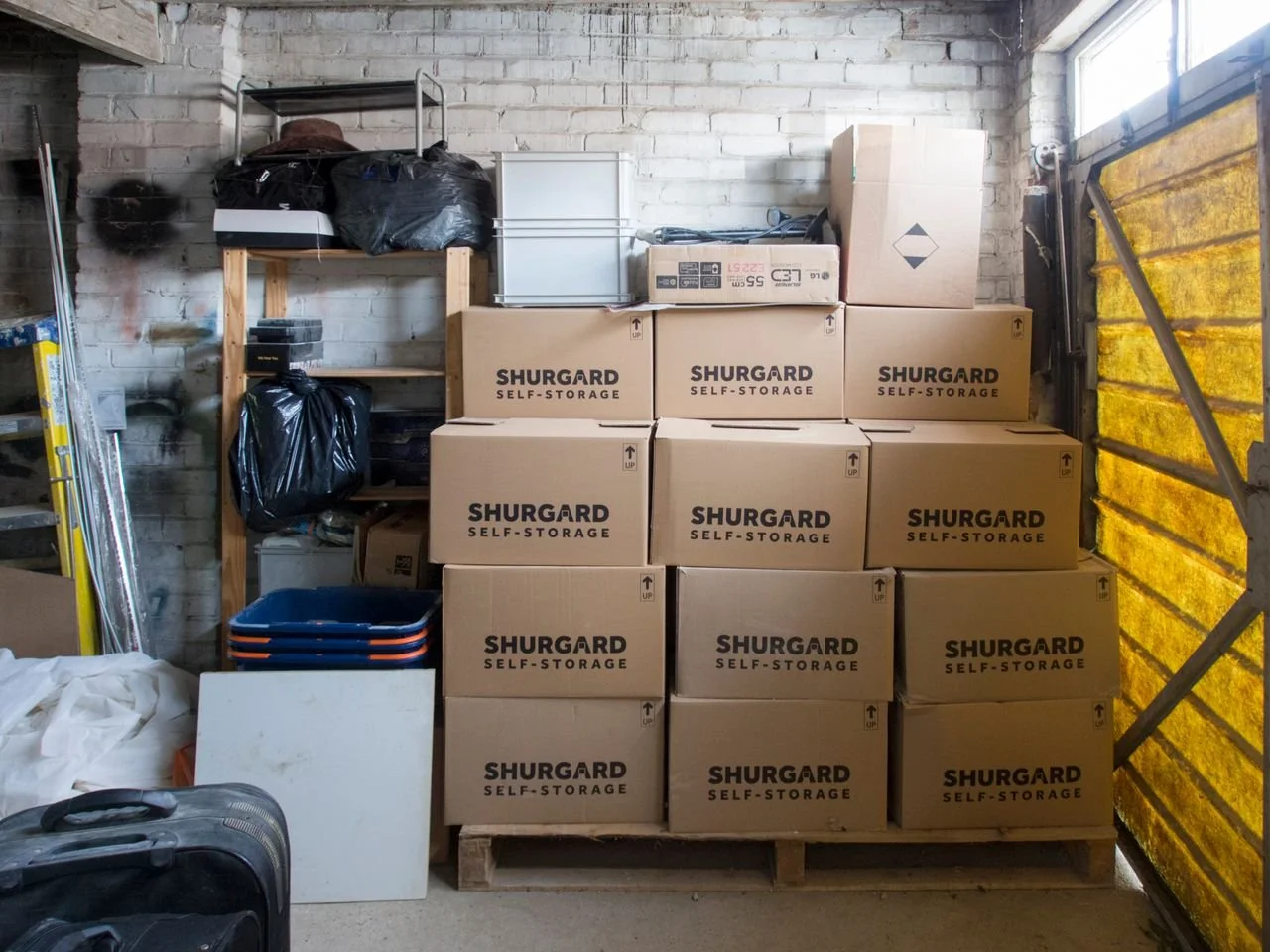
Storage units can be useful during many changes. You may need one while moving to a new home. It can also help during renovations or downsizing. Some people use storage during long trips. Others need extra space after a major family change. Some move often and need one to coordinate everything. Renting a unit does not mean you planned poorly. In many cases, it is simply a practical choice.
What can your storage unit reveal about your choices?
Storage units can be useful during many changes. You may need one while moving to a new home. It can also help during renovations or downsizing. Some people use storage during long trips. Others need extra space after a major family change. Some move often and need one to coordinate everything. Renting a unit does not mean you planned poorly. In many cases, it is simply a practical choice.
Still, the way you use that space may reveal certain habits. It can show how you respond to pressure or uncertainty. It may also highlight decisions you have postponed. Some people rent storage with a clear purpose and end date. Others keep paying because every box requires another choice. Understanding what your storage unit says about your decision-making can reveal useful patterns. The goal is not judgment. It is clarity.
Are you using storage to delay difficult decisions?
Sometimes, storage gives you valuable breathing room. That can help after a rushed move or sudden renovation. It may also help after a death, divorce, or family change. In those moments, you may need time before making permanent choices. There is nothing wrong with that.
However, temporary storage can become permanent without much notice. A few months can turn into several years. Meanwhile, the original reason for storing each item may disappear. Start with a simple question: Why did this item enter storage? Possible reasons include:
You lacked space at the time.
Your family could not agree about it.
You expected to move into a larger home.
Now ask whether that reason still applies. The answer may make your next step much clearer.
Does keeping everything protect you from future regret?
Many people keep belongings because they fear needing them later. A spare table might seem useful someday. Old clothes may feel worth saving. You may also worry about replacement costs. These concerns are understandable. However, possible usefulness is not the same as a realistic plan.
Ask when you last used the item. Then think about when you might use it again. “Next winter” gives you a clear timeline. “Someday” does not. Important items also deserve careful packing before storage. Use sturdy boxes, clear labels, and protective covers. These steps help keep everything safe and accessible.
You should also compare replacement costs with ongoing storage fees. Consider:
Monthly rent
Insurance
Transport
Packing supplies
Your time
Condition is another important factor. Stored items can suffer damage over time. Common risks include:
High temperatures that weaken some materials
Moisture that causes mold or warping
Pests that damage fabrics and boxes
In some cases, replacing an item later costs less.

Are emotional attachments affecting what you store?
Some belongings carry strong personal meaning. A dining table may remind you of a relative. Baby clothes may represent an important family stage. Awards or school papers can mark major achievements. These connections can make decisions feel much harder. Learning how to let go of sentimental clutter can make the process feel more manageable.
First, identify what the object represents. It may connect to:
A person
An event
A past identity
Then ask whether the item still supports that memory. You may not need every object connected with the same experience. Keeping one meaningful piece can sometimes feel more manageable.
You could photograph large items before letting them go. You might also write down the story behind them. These steps preserve the memory without keeping everything. Emotional attachment is normal. It should not be confused with hoarding disorder. That condition involves serious distress and ongoing difficulty discarding possessions. A full storage unit alone does not indicate it.
Does poor labeling make storage decisions harder?
Good decisions depend on knowing what you own. Unlabeled boxes hide useful information. You may forget what sits inside them. You may also lose track of where certain items are stored. As a result, you might buy duplicates or avoid the unit altogether.
A simple inventory can make the space easier to manage. For each container:
Add a number.
Record its main contents.
Include the storage date.
Set a future review date.
Add photographs when descriptions feel vague.
Next, organize your self-storage unit by category. Keep similar items in the same area, including:
Documents
Clothing
Tools
Seasonal decorations
Leave enough space to walk through the unit safely. Frequently used items belong near the entrance. Better visibility does not make decisions for you. However, it removes confusion and saves time.
Can too many choices make sorting more difficult?
A full storage unit can contain hundreds of small decisions. Every item needs some form of action. Having too many choices can feel exhausting during one long visit. After a while, your judgment may become slower. You may also start making choices simply to finish faster.
A smaller plan usually works better. Before entering the unit:
Choose one category.
Set a short time limit.
Prepare clear destinations for each item.
Arrange transport for outgoing belongings.
You might begin with old kitchen supplies. Unused clothing can also be an easier starting point. Thirty minutes may be enough for one focused session.
Some belongings may return to storage. Others may leave the unit. Without transport, outgoing items may end up back inside. Start with low-emotion categories. Save sentimental belongings for another day. Stop when your choices become less consistent.

Can clear storage rules improve your decisions?
Clear rules reduce repeated debates about the same items. Start by defining the unit’s purpose in one sentence. It may support:
An upcoming move
Seasonal equipment
Verified business stock
Once you define that purpose, compare every item against it.
Different categories need different rules:
Furniture should have a confirmed future location.
Valuable belongings need a realistic sales deadline.
Useful items without a clear purpose may be better elsewhere.
Damaged items need a safety review.
Electronics may require approved recycling services.
Sentimental belongings often need more time. Review them during a separate session. This prevents emotional choices from slowing every category. Your rules should also change when your life changes. Review them once each year. A new home, smaller budget, or growing family can affect what deserves storage. A thoughtful layout also matters because storage unit design can shape organization habits.
What should your next storage decision be?
Your storage unit may support a genuine and temporary need. It may also contain belongings that no longer fit your life. Start by reviewing the purpose of the space. Then look for old plans, forgotten purchases, duplicate items, and damaged goods. Unclear labels deserve attention too. Handle emotional belongings separately from ordinary household items. Work in short sessions and use clear rules. Compare each item’s usefulness with its ongoing cost. Understanding what your storage unit says about your decision-making can help you make calmer choices. Begin with one box or one category. Complete that decision before opening another. The goal is not always an empty unit. A well-managed space can still serve you. What matters most is whether the unit supports your current needs.
Meta descriptions: Learn what your storage unit says about your decision-making and create a clearer, calmer plan for what stays, moves, or leaves your space today, now.

What a Home's Exterior Paint Color Does to First Impressions in Sacramento
When buyers arrive at a home, they begin forming opinions before stepping through the front door. One of the first features they notice is the exterior paint colour. A fresh, attractive colour can make a property look well cared for, while faded or outdated paint may leave buyers wondering how much maintenance the home needs.
We partnered with a home improvement company for this post. The opinions in the post are honest. All reviews and opinions expressed in this post are based on our personal views. We are excited because we know you will love it.
When buyers arrive at a home, they begin forming opinions before stepping through the front door. One of the first features they notice is the exterior paint colour. A fresh, attractive colour can make a property look well cared for, while faded or outdated paint may leave buyers wondering how much maintenance the home needs.
In Sacramento's competitive housing market, first impressions often influence how buyers feel during the rest of the viewing. Although paint colour alone does not determine a home's value, it can affect buyer interest, confidence, and even the number of offers a property receives. Choosing the right colour and keeping the exterior in good condition can make a noticeable difference when preparing a home for sale.
Exterior Colours That Catch Buyer Attention
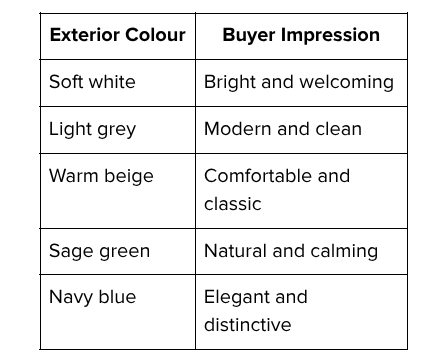
Neutral colours continue to appeal to many Sacramento buyers because they create a clean and timeless appearance. Shades such as light grey, soft beige, white, and warm taupe work well with many architectural styles and landscaping designs.
Some homeowners consider repainting before listing their property. Others prefer selling without making cosmetic updates by working with Laurel Buys Houses, allowing them to avoid renovation costs while still moving forward with their sale.
Curb Appeal Begins at the Street
Buyers often decide how excited they feel about a property within the first few moments of arriving. Exterior paint plays a major role in creating that initial reaction.
Fresh paint gives the impression that the home has been maintained over time. Even if buyers know they may repaint later, they often appreciate seeing a property that looks clean and cared for.
A well-painted exterior also photographs better in online listings. Since many buyers begin their search online, attractive listing photos can encourage more people to schedule a viewing.
Colour Can Highlight Architectural Features
Paint does more than cover walls. It also helps emphasise attractive architectural details that buyers may otherwise overlook.
Contrasting trim colours can make windows, doors, columns, and decorative moulding stand out. A carefully selected front door colour can create a welcoming focal point without overwhelming the home's appearance.
Simple combinations often work best because they allow buyers to appreciate the home's design instead of becoming distracted by bold colour choices.
Faded Paint May Raise Buyer Concerns
Exterior paint naturally fades over time due to sunlight, weather, and age. Peeling, cracking, or discoloured paint may suggest neglected maintenance, even if the home's structure remains solid.
Buyers sometimes associate visible exterior wear with hidden repair issues inside the property. This perception may reduce confidence during the viewing process.
Common signs buyers notice include:
Peeling paint
Faded colour
Water stains
Cracked trim
Chipped window frames
Weathered front doors
Repairing these visible issues before listing can improve buyer confidence and strengthen overall presentation.
Modern Colour Trends Continue to Evolve
Buyer preferences change gradually, though neutral tones remain popular because they appeal to a wider audience. Colours inspired by nature also continue to attract attention.
Current exterior colour preferences include:
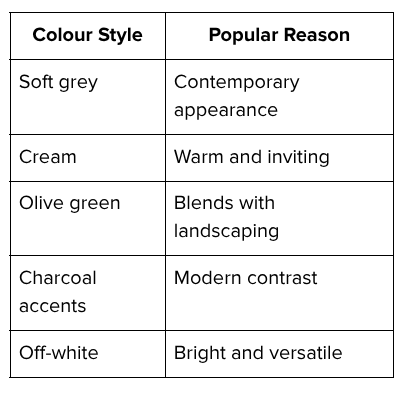
Selecting timeless colours may help the property appeal to more buyers than highly personalised colour schemes.
Paint Works Best Alongside Other Improvements
A fresh exterior colour delivers stronger results when combined with other curb appeal improvements.
Simple updates that complement new paint include trimming shrubs, mowing the lawn, cleaning walkways, cleaning windows, and replacing worn house numbers. These small details create a polished appearance without requiring major investment.
Outdoor lighting also contributes to buyer impressions during evening viewings. Clean fixtures and working lights improve both appearance and safety.
A coordinated exterior encourages buyers to expect similar care throughout the rest of the property.
Sacramento Weather Also Influences Paint Choices
Sacramento experiences long periods of sunshine, making paint durability an important consideration. Quality exterior paint resists fading, cracking, and moisture damage more effectively than lower-grade products.
Lighter colours often reflect more sunlight, helping homes maintain a fresh appearance for longer periods. They may also reduce visible heat absorption compared with darker shades.
Homeowners planning future maintenance should consider both appearance and long-term durability when selecting exterior paint.
Smart Colour Choices Leave a Lasting Memory
Exterior paint colour plays an important role in shaping first impressions for Sacramento buyers. While it cannot replace good location, thoughtful maintenance, or practical layouts, it helps create a positive emotional response before buyers even enter the home.
A clean, freshly painted exterior supported by tidy landscaping and well-maintained details encourages buyers to view the property with confidence. By choosing colours that appeal to a broad audience and keeping the home's exterior in excellent condition, sellers improve their chances of attracting stronger interest and creating memorable first impressions that last throughout the entire viewing experience.
Questions & Answers
1. Does exterior paint colour affect home value?
A fresh, attractive exterior can improve buyer interest and support stronger offers by creating a positive first impression.
2. Which exterior colours appeal to most buyers?
Neutral shades such as white, light grey, beige, and soft earth tones usually attract the widest range of buyers.
3. Should I repaint before selling my home?
If the existing paint is faded, peeling, or heavily worn, repainting may improve curb appeal and buyer confidence.
4. Can exterior paint influence online listing performance?
Yes. A well-painted home often looks more attractive in listing photos, encouraging more buyers to schedule viewings.
5 Stylish Ways to Screen Off Your Outdoor Space
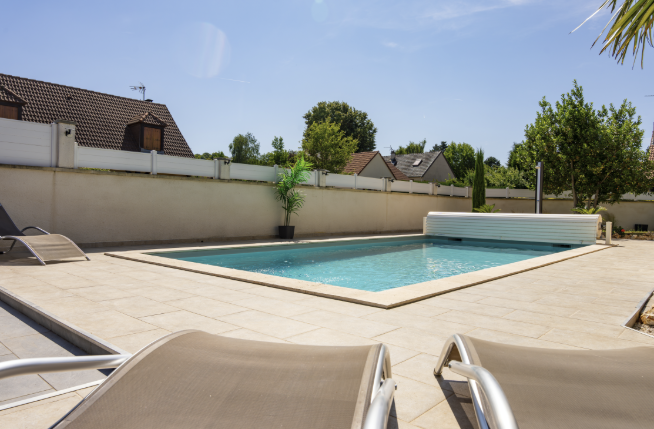
Creating a private and stylish outdoor retreat is one of the best ways to enjoy your yard without feeling exposed. If you’re looking for ways to block out neighbors or to add a decorative touch, there are many creative solutions that can be tailored to the lifestyle and needs of your household.
Creating a private and stylish outdoor retreat is one of the best ways to enjoy your yard without feeling exposed. If you’re looking for ways to block out neighbors or to add a decorative touch, there are many creative solutions that can be tailored to the lifestyle and needs of your household.
Below are five approaches that combine practicality with aesthetic appeal, transforming your outdoor space into a welcoming sanctuary.
Vertical Garden Walls for Natural Privacy
A vertical garden wall offers both beauty and seclusion. It’s a perfect choice for homeowners who want greenery to double as a screen by stacking planters or installing modular panels filled with lush plants. It’s a great way to create a living wall that softens harsh lines and adds vibrant color.
This option provides privacy and improves air quality while creating a calming atmosphere. With careful plant selection, such as ferns, ivy, grasses, or flowering vines, you can enjoy year-round coverage while maintaining a stylish, eco-friendly design.
Decorative Lattice Panels With Climbing Plants
Lattice panels are a timeless way to divide outdoor areas while still allowing light and airflow. When paired with climbing plants like jasmine or bougainvillea, they become a dynamic feature that evolves with the seasons, gradually filling in the open spaces with color and texture that change throughout the year.
The geometric patterns of latticework add visual interest, and the growing plants weave through the openings to create a natural curtain. This combination is ideal for patios or garden seating areas where you want a balance of openness and privacy, offering just enough separation to feel secluded while still letting in sunlight and breezes. Over time, the plants will mature and provide even more coverage, blending structure with nature.
Privacy Walls for Durability and Weather Resistance
For homeowners seeking a more permanent and polished solution, privacy walls built by professionals, like Floridas Foam Walls, deliver both durability and elegance. These walls can be customized to match your home’s architecture to enhance curb appeal. Unlike temporary screens, professional walls are engineered to withstand weather conditions and provide long-term value and stability.
They can be designed with textures, finishes, built-in seating, or integrated lighting to elevate the outdoor experience. Choosing a professional installation ensures that the wall is structurally sound and aesthetically refined, giving you confidence that it will stand the test of time while also complementing the design of your home.
Outdoor Curtains for Flexible Screening
Outdoor curtains are a versatile option that allows you to adjust privacy levels depending on the occasion. Hung from pergolas or gazebos, they can be drawn closed for intimate gatherings or pulled back to open up the space, giving you complete control over how open or secluded your outdoor retreat feels.
Available in a wide range of fabrics and colors, outdoor curtains let you personalize your setting. They are especially useful for covered patios or poolside cabanas, providing shade and protection from the wind as well as privacy, for a flexible and adjustable barrier. With weather-resistant materials, they remain functional and attractive throughout the seasons.
Modern Slatted Screens for Contemporary Style
Slatted screens are typically made from wood, composite, aluminum, or metal. They offer a sleek, modern look that complements contemporary homes, offering a balance of privacy and openness that feels functional and stylish. Their horizontal or vertical lines also create a clean aesthetic while still allowing airflow and light.
Slatted screens can be installed as standalone panels or integrated into fencing systems. You can choose finishes that match your outdoor furniture or architectural details for a cohesive garden, patio, balcony, or exterior. They are also particularly great in urban settings where privacy and style need to coexist without feeling heavy or closed off, allowing you to enjoy a sense of separation without losing the openness of the space outdoors.
Conclusion
Screening off your outdoor space doesn’t mean sacrificing style. You have versatile options, like lush vertical gardens, modern slatted panels, resilient privacy walls, and airy outdoor curtains, each providing unique ways to create privacy while enhancing the overall design of your yard.
Whether you prefer natural greenery or professional installations, the right choice will help you enjoy your outdoor retreat with comfort and confidence. Explore these stylish solutions and start building the private oasis you’ve always envisioned!

When to Keep, Sell, or Donate Old Camera Gear During a Decluttering Project
Old camera gear tends to build up over time. Lenses, tripods, bags, and accessories often stay long after they stop being useful. During a decluttering project, it can be hard to decide what to keep and what to let go of. A clear plan helps you sort through items without second-guessing every choice.

Old camera gear tends to build up over time. Lenses, tripods, bags, and accessories often stay long after they stop being useful. During a decluttering project, it can be hard to decide what to keep and what to let go of. A clear plan helps you sort through items without second-guessing every choice.
Start With a Full Inventory
Begin by gathering all your camera gear in one place. This includes cameras, lenses, memory cards, batteries, and accessories. Seeing everything together gives a clear picture of what you own.
Check the condition of each item. Look for damage, missing parts, or outdated features. Then, make a simple list so you can track what you decide to keep, sell, or donate. This step makes the rest of the process much easier.
Decide What to Keep
Keep gear you actually use. If a camera, lens, or accessory has been part of your routine in the past few months, it likely belongs in your setup. Items you reach for without thinking are usually the most valuable.
Remove duplicates. If you own multiple items that serve the same purpose, keep the one that performs best. Extra versions often sit unused and take up space. They're better off being given away or sold for extra cash.
Check the condition and reliability of your gear. Equipment that works well and supports your workflow is worth keeping in your inventory. Items that cause delays or need frequent fixes may not be worth holding onto.
Identify Items Worth Selling
Some gear still holds value even if you no longer need it. Popular lenses, newer camera bodies, and well-kept accessories often sell well. Research current prices to get a sense of what your items are worth. This can help you decide if you want to sell or not.
Selling can also help recover some of your original costs. Listing items on a used camera marketplace allows you to reach buyers who are already looking for camera equipment and accessories. When listing, make sure to use clear photos and be honest in your descriptions. This will improve your chances of a sale and your overall experience.
Know When to Donate
Not every item needs to be sold. Donation is a viable option as well. Older, functioning gear or entry-level equipment can be incredibly useful to the right people in need. Donating reduces waste and gives your gear a second life. It can also simplify the decluttering process, especially for items that may not sell easily.
Look into schools, community groups, and photography classes or groups geared towards beginners. These places are a great place to start. Before you donate, make sure to call and see if they're accepting donations and what they might be searching for.
Handle Broken or Outdated Gear
Damaged equipment may not be viable for selling or donating. These items should be recycled or disposed of properly. Look for organizations or places that offer electronic recycling programs. These services handle parts in a safe way and prevent harmful materials from entering landfills. Safely removing these unusable items allows you to clear up space without harming the environment.
Organize What You Keep
Once you decide what stays, organize your gear in a way that supports easy use. Store cameras and lenses in protective cases. Keep small items like batteries and memory cards in labeled containers. A simple system helps you find what you need quickly. It also prevents items from getting lost or damaged over time.
Sorting through old camera gear can feel like a big task, but a clear plan makes it manageable. Keeping what you use, selling what still has value, and donating what others can benefit from helps create a balanced approach. With fewer, organized items, your space becomes more enjoyable to use.
Author Bio: Corey Reinker is the Director of Operations for UsedPhotoPro.com, an online marketplace for buying, selling, and trading camera equipment. With more than fifteen years of experience in the used camera industry, Corey bring expertise across all areas of buy, selling and trading used camera gear. His focus on sustainability and upcycling used camera equipment helps UsedPhotoPro to provide great options for photographers at all price points!