

A resource for those seeking information on organizing and transforming spaces.

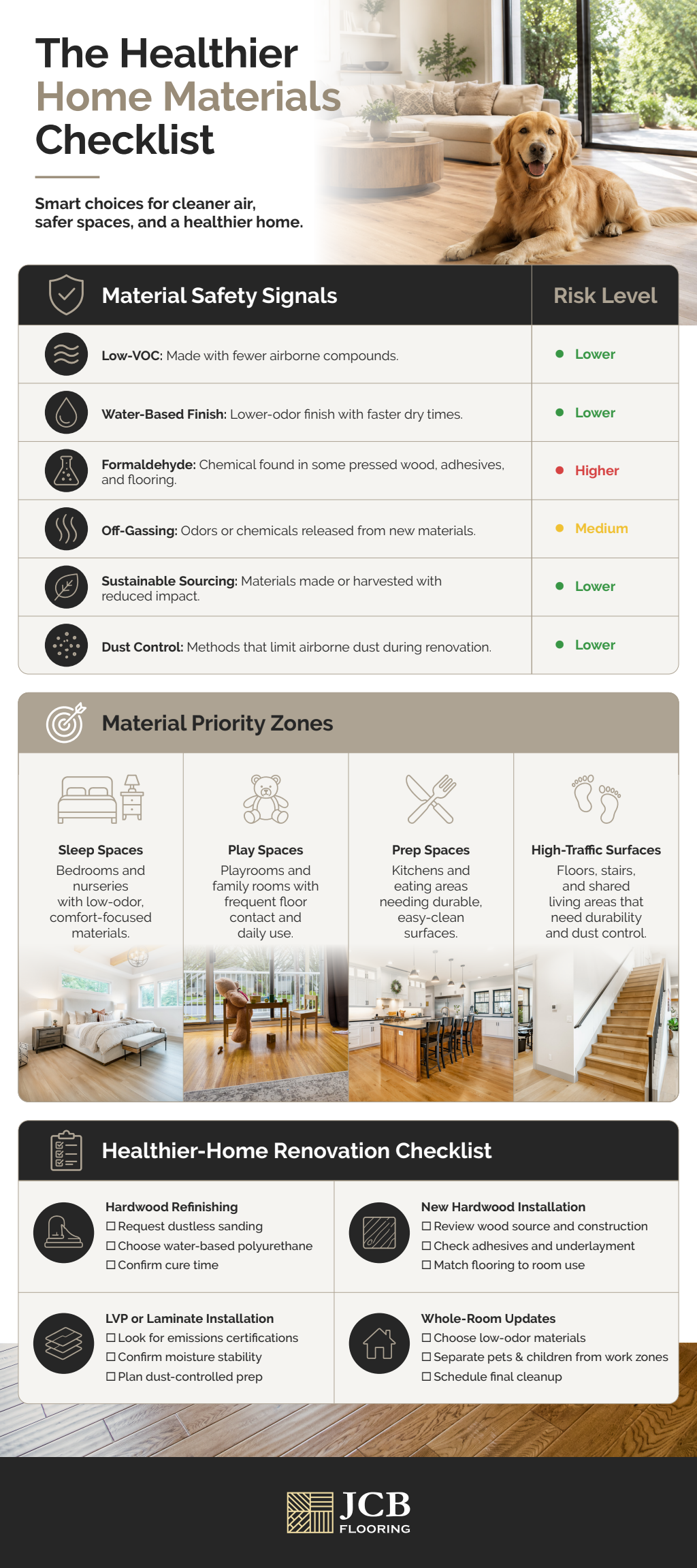
The Healthier Home Materials Checklist
The materials used throughout a home can influence indoor air quality, comfort, durability, and ongoing maintenance needs. Whether building, renovating, or making gradual improvements, selecting appropriate materials supports a healthier living environment while reducing future repair costs.
The materials used throughout a home can influence indoor air quality, comfort, durability, and ongoing maintenance needs. Whether building, renovating, or making gradual improvements, selecting appropriate materials supports a healthier living environment while reducing future repair costs.
Choose Low Emission Products
Paints, adhesives, sealants, and composite wood products may release volatile organic compounds, commonly known as VOCs. These emissions can affect indoor air quality, particularly during and immediately after installation.
Many manufacturers now offer low-VOC or zero-VOC alternatives that reduce indoor emissions while maintaining performance. Checking product labels and certifications allows homeowners to compare options before making purchasing decisions.
Prioritize Durable Surfaces
Durable materials often require fewer replacements, reducing long-term costs and construction waste. Countertops, cabinetry, flooring, and wall finishes should be selected based on expected household use rather than appearance alone.
Materials that resist moisture, scratches, and everyday wear typically perform better over time, especially in kitchens, bathrooms, and entryways where surfaces experience frequent use. Choosing products that are easy to clean also supports healthier indoor conditions by reducing the buildup of dust and allergens.
Evaluate Flooring Options
Flooring plays an important role in both comfort and maintenance. Hard surface materials can be easier to keep free of dust and pet dander, while carpeting may require more frequent cleaning to maintain indoor air quality.
Homeowners considering updates may benefit from consulting experienced flooring services to compare materials based on durability, maintenance requirements, moisture resistance, and suitability for different rooms. Professional guidance can also help ensure proper installation, which contributes to long-term performance.
Think Beyond Initial Costs
The least expensive material is not always the best long-term value. Maintenance requirements, expected lifespan, energy efficiency, and replacement frequency should all be considered before making purchasing decisions.
Reviewing manufacturer warranties and product testing information provides additional insight into long-term performance. Investing in quality materials often reduces future maintenance while improving the overall comfort and durability of the home.
Creating a healthier home begins with informed material selection. Low-emission products, durable finishes, practical flooring, and thoughtful long-term planning all contribute to improved indoor comfort and easier maintenance. Making careful choices during home improvement projects helps create living spaces that support both everyday well-being and lasting value. Look over the infographic below to learn more.

Grandkid-Proofing Your Home
Welcoming grandchildren into your home creates opportunities for memorable family moments, but it also introduces new safety considerations. Many homes are designed for adults, leaving everyday features that may present risks for young children. Taking time to prepare the living space helps create an environment where children can explore more safely while giving grandparents greater peace of mind.
Welcoming grandchildren into your home creates opportunities for memorable family moments, but it also introduces new safety considerations. Many homes are designed for adults, leaving everyday features that may present risks for young children. Taking time to prepare the living space helps create an environment where children can explore more safely while giving grandparents greater peace of mind.
Secure High-Risk Areas
Begin by identifying areas where accidents are most likely to occur. Kitchens, bathrooms, stairways, and garages deserve extra attention because they often contain sharp objects, cleaning products, medications, or slippery surfaces.
Install safety gates where appropriate, keep hazardous items in locked cabinets, and use non-slip mats in bathrooms. Furniture with sharp corners can also be fitted with protective guards to reduce the chance of injuries during active play.
Reduce Everyday Hazards
Children are naturally curious, making it important to secure items that adults may overlook. Anchor bookshelves and televisions to prevent tipping, cover unused electrical outlets, and keep cords out of reach whenever possible.
Smoke detectors and carbon monoxide alarms should be tested regularly to confirm they are working properly. Families completing electrical upgrades or adding child safety features may also consult licensed electricians to ensure home electrical systems continue meeting current safety standards.
Create Safe Play Spaces
A designated play area helps keep toys organized while reducing clutter in walkways. Choose age-appropriate toys and inspect them regularly for broken pieces that could create choking hazards.
Outdoor spaces deserve attention as well. Check fences, gates, decks, and playground equipment for signs of damage before children arrive. Removing tripping hazards from sidewalks and patios also helps create a safer environment for outdoor activities.
Prepare for Emergencies
Every household should have an emergency plan that all adults understand. Keep a well-stocked first aid kit in an easily accessible location and store emergency contact numbers where they can be found quickly.
If grandchildren visit frequently, learning basic first aid and CPR can provide additional confidence during unexpected situations. Reviewing emergency procedures with other caregivers also helps everyone respond consistently if an accident occurs.
Grandkid-proofing focuses on preventing common hazards while preserving a comfortable home for the entire family. Securing high-risk areas, reducing everyday dangers, creating dedicated play spaces, and preparing for emergencies all contribute to a safer environment. Look over the infographic below to learn more.


Home Exterior Water Trouble Map
Water is one of the most common causes of damage to residential properties. While heavy rain and snow are unavoidable, many moisture-related problems develop because water is not directed away from the home properly. Knowing where to look allows homeowners to identify early warning signs and address small issues before they become major repairs.
Water is one of the most common causes of damage to residential properties. While heavy rain and snow are unavoidable, many moisture-related problems develop because water is not directed away from the home properly. Knowing where to look allows homeowners to identify early warning signs and address small issues before they become major repairs.
Start at the Roof
The roof is the home’s first barrier against the weather. Missing shingles, damaged flashing, or worn roof vents can allow water to enter the attic and eventually affect ceilings, insulation, and interior walls.
After storms, homeowners should visually inspect the roof from the ground for obvious damage. Any signs of loose materials or sagging areas deserve prompt professional evaluation to prevent leaks from spreading.
Follow the Path of Rainwater
Water should move efficiently from the roof through gutters and downspouts before draining safely away from the foundation. Overflowing gutters, standing water, or downspouts that discharge too close to the house increase the risk of foundation moisture and soil erosion.
Many homeowners schedule seasonal inspections with experienced gutter companies to help keep drainage systems functioning properly throughout the year. Removing leaves, twigs, and other debris also reduces the chance of water backing up during heavy rainfall.
Check the Foundation and Landscaping
The ground surrounding a home should slope gently away from the foundation. Low spots where water collects may eventually contribute to basement moisture or crawl space problems.
Cracks in exterior foundation walls, peeling paint, or white mineral deposits can indicate that excess moisture has been present. Landscaping should also be monitored because large shrubs planted too close to the home may trap moisture against siding and reduce airflow.
Inspect Windows and Exterior Walls
Windows, doors, and siding have joints that rely on caulk and weatherstripping to block moisture. Cracked sealant, warped trim, or damaged siding panels create opportunities for water intrusion.
Regular inspections and timely repairs help preserve these protective barriers while improving energy efficiency. Looking for discoloration, soft wood, or peeling finishes around openings can reveal problems before interior damage develops.
Protecting a home’s exterior from water damage depends on consistent observation and preventive care. Inspecting the roof, drainage system, foundation, landscaping, siding, and windows throughout the year helps homeowners detect concerns early. Addressing small maintenance issues promptly reduces repair costs while supporting a drier home. Check out the infographic below for more information.

Smart Kitchen Zones That Save Time
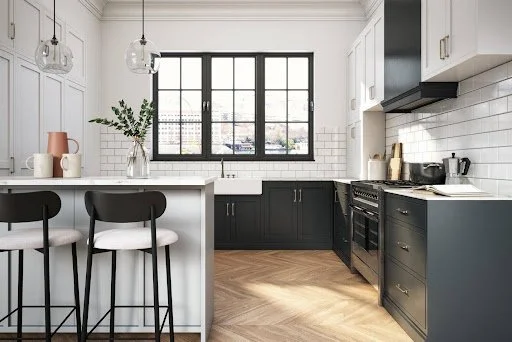
A well-organized kitchen supports faster meal preparation, easier cleanup, and a more enjoyable cooking experience. Instead of focusing only on appearance, an efficient kitchen is divided into practical work zones based on everyday tasks. This approach reduces unnecessary movement and keeps frequently used items within easy reach.
A well-organized kitchen supports faster meal preparation, easier cleanup, and a more enjoyable cooking experience. Instead of focusing only on appearance, an efficient kitchen is divided into practical work zones based on everyday tasks. This approach reduces unnecessary movement and keeps frequently used items within easy reach.
Create Dedicated Work Areas
Each kitchen activity benefits from its own designated space. A preparation zone should be located near cutting boards, knives, mixing bowls, and frequently used utensils. Keeping these items together reduces interruptions while cooking.
A cooking zone works best around the stove or cooktop with pots, pans, cooking oils, and spices stored nearby. Likewise, a cleanup zone should include dish soap, trash bins, recycling containers, and drying racks close to the sink and dishwasher. Grouping supplies by purpose makes daily routines more efficient.
Organize Storage by Frequency of Use
The most commonly used items deserve the easiest access. Everyday dishes, glasses, cookware, and pantry staples should be stored between waist and shoulder height whenever possible.
Seasonal serving dishes, specialty appliances, and rarely used cookware can be placed in higher cabinets or lower storage areas. Drawer organizers, pull-out shelves, and labeled containers also help reduce clutter while making items easier to locate.
Plan for Future Needs
Kitchen layouts should support both current routines and future household changes. Families may need additional food preparation space, while homeowners who enjoy entertaining often benefit from larger serving areas or expanded storage.
For larger renovation projects, consulting experienced home remodeling contractors can help homeowners evaluate layout improvements that increase workflow, storage capacity, and overall efficiency without sacrificing style. Planning ahead often reduces the need for costly modifications later.
An efficient kitchen depends more on organization than on size. Clearly defined work zones, practical storage solutions, and a layout that supports daily habits help save time while reducing frustration. Small improvements that simplify cooking, cleaning, and organization create a space that feels more comfortable and supports smoother routines for everyone in the household. Check out the infographic below to learn more.
