

A resource for those seeking information on organizing and transforming spaces.

Old Knob-and-Tube Wiring Killed My Sale Three Times Until I Found Another Way
Selling a home can be stressful under normal circumstances. When hidden property issues appear during inspections, the process can become even more frustrating. One problem that catches many homeowners by surprise is old knob-and-tube wiring.
We partnered with a real estate company for this post. The opinions in the post are honest. All reviews and opinions expressed in this post are based on our personal views. We are excited because we know you will love it.
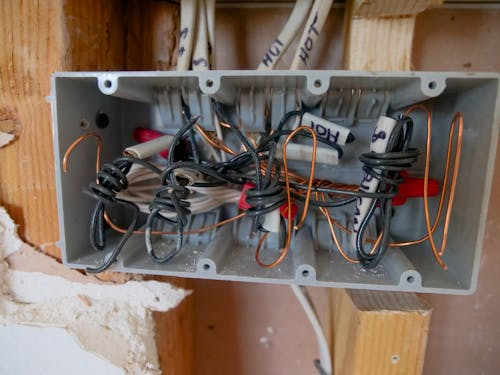
Selling a home can be stressful under normal circumstances. When hidden property issues appear during inspections, the process can become even more frustrating. One problem that catches many homeowners by surprise is old knob-and-tube wiring.
This type of electrical system was commonly installed in homes built before the 1950s. While some systems may still function, many buyers and lenders view them as a concern. As a result, sellers often find themselves facing canceled contracts, repair requests, or financing problems.
For one homeowner, old knob-and-tube wiring caused three separate sales to fall apart. Each buyer seemed excited at first. Once inspections revealed the outdated wiring, everything changed. After months of disappointment, a different approach finally led to a successful sale.
Three Deals Gone in a Matter of Months
The house attracted attention quickly. It had a desirable location, a spacious layout, and plenty of character. Showings generated interest almost immediately, leading to multiple offers.
The first buyer backed out after the home inspection. Their insurance company raised concerns about the knob-and-tube wiring and would not provide coverage under standard terms. Without insurance, securing financing became difficult.
The second buyer attempted to move forward. Their lender reviewed the inspection report and requested additional documentation regarding the electrical system. Delays followed, uncertainty grew, and the contract eventually ended.
The third buyer wanted significant electrical upgrades before closing. The estimated cost exceeded the seller's budget. At that point, it became clear that traditional buyers would continue seeing the wiring as a major obstacle.
After months of frustration, the seller began exploring alternatives and eventually learned about options such as Austin All Cash Home Buyers, which often purchase properties in their current condition without requiring extensive repairs.
Why Knob-and-Tube Wiring Creates Problems
Many homeowners do not realize how much impact old wiring can have on a sale until a buyer's inspection report arrives.
Knob-and-tube wiring was once considered standard. Over time, electrical demands increased dramatically. Modern homes use far more appliances, electronics, and devices than homes built decades ago.
Although some knob-and-tube systems may still operate safely when properly maintained, buyers often worry about future upgrades, insurance availability, and long-term safety concerns.
Lenders also tend to evaluate risk carefully. If a property's electrical system raises concerns, financing approval may become more complicated.
Common Buyer Concerns
Concern
Why It Matters
Insurance Coverage
Some insurers may require upgrades
Electrical Capacity
Older systems may not meet modern needs
Future Costs
Buyers anticipate expensive repairs
Safety Questions
Inspection reports often raise concerns
Lenders may request additional reviews
Inspection Day Changed Everything
Before each failed sale, everything appeared to be moving smoothly. Buyers toured the home, negotiated terms, and signed contracts.
Then, inspection day arrived.
Inspectors documented the presence of knob-and-tube wiring and explained potential concerns. Buyers who initially loved the home suddenly viewed it differently. Conversations shifted from excitement to risk management.
Many homeowners experience this same situation. A property can appear attractive until an inspection uncovers a feature that creates uncertainty. Once concerns enter the discussion, negotiations often become more challenging.
In some cases, buyers request credits. Others demand repairs. Some decide to walk away completely.
Repairing the System Was Not a Simple Choice
Replacing old wiring is possible, although it is often expensive and disruptive.
Electrical upgrades frequently involve opening walls, updating panels, replacing outlets, and bringing systems closer to current standards. Costs vary depending on the size and condition of the home.
For homeowners preparing to move, investing thousands of dollars into a major upgrade may not feel practical. Some people simply do not have room in their budget for such a project.
Others worry about spending money without knowing whether they will recover those costs through a higher sale price.
Factors Sellers Often Consider
Question
Impact
What will repairs cost?
Determines project feasibility
How long will upgrades take?
Affects the moving timeline
Will buyers pay more afterward?
Influences return on investment
Can the seller afford repairs?
Impacts financial planning
Finding a Different Path Forward
After three failed contracts, the homeowner stopped focusing on traditional solutions and started looking for alternatives.
Instead of investing in a major electrical renovation, they explored selling options designed for properties with repair challenges. This approach shifted attention away from fixing every issue before listing.
Some buyers specialize in purchasing homes with outdated systems, deferred maintenance, or inspection concerns. Their focus is often on a property's overall potential rather than requiring every component to meet modern standards before closing.
For the homeowner in this story, that change in strategy made a significant difference. The process became simpler, timelines shortened, and the wiring issue no longer prevented progress.
Lessons Other Homeowners Can Learn
One important lesson is that property issues do not automatically make a home unsellable.
Many sellers assume they must fix every problem before putting their home on the market. While repairs can help in some situations, they are not always necessary.
Knowing your options is valuable. A traditional listing may work well for one property, while another home may benefit from a different selling strategy.
Another lesson involves transparency. Being upfront about known issues helps create realistic expectations and reduces surprises during negotiations.
Most importantly, homeowners should not lose hope after a failed contract. A canceled sale often feels discouraging, though it does not mean a successful outcome is impossible.
Feeling Good About What’s Next
Old knob-and-tube wiring can create obstacles during a home sale. Buyers may hesitate, lenders may ask questions, and insurers may impose restrictions.
Despite these challenges, homeowners still have options. Whether through repairs, such as electrical maintenance, pricing adjustments, or alternative selling methods, there are multiple paths toward completing a sale.
The experience of losing three contracts taught one homeowner an important lesson: sometimes success comes from changing the approach rather than continuing to fight the same obstacle. When sellers understand their choices, they can move forward with greater confidence and less frustration.
FAQs
1. What is knob-and-tube wiring?
Knob-and-tube wiring is an older electrical system commonly installed in homes built before the 1950s. It uses ceramic knobs and tubes to support and protect electrical wires.
2. Can I sell a house that still has knob-and-tube wiring?
Yes. Many homes with knob-and-tube wiring are sold every year. The wiring may affect buyer interest, financing options, or insurance availability, though selling is still possible.
3. Will every buyer reject a home with knob-and-tube wiring?
No. Some buyers are comfortable purchasing homes with older electrical systems. Others may request repairs, credits, or price adjustments before proceeding.
4. Can Cash Home Buyers purchase homes with knob-and-tube wiring?
Yes. Many cash home buying companies may consider purchasing homes with outdated electrical systems and other property challenges, allowing homeowners to explore alternatives when traditional sales become difficult.

Making Big Property Maintenance Easier
Caring for a large property can feel both exciting and overwhelming. Big land gives you room to dream, but it also comes with real demands. Overgrowth creeps in fast, structures weather quickly, and small issues can spread across acres before you notice them. The key to keeping a large property manageable is approaching it with a clear plan, steady upkeep, and the right tools. With a thoughtful strategy, even the most neglected acreage can become organized, productive, and enjoyable again. The more intentional you are from the start, the easier it becomes to stay ahead of maintenance instead of constantly reacting to problems.

Caring for a large property can feel both exciting and overwhelming. Big land gives you room to dream, but it also comes with real demands. Overgrowth creeps in fast, structures weather quickly, and small issues can spread across acres before you notice them. The key to keeping a large property manageable is approaching it with a clear plan, steady upkeep, and the right tools. With a thoughtful strategy, even the most neglected acreage can become organized, productive, and enjoyable again. The more intentional you are from the start, the easier it becomes to stay ahead of maintenance instead of constantly reacting to problems.
Assessing the Condition of the Property
Before you start clearing or building, you need a clear picture of what you’re working with. A slow, deliberate walkthrough reveals far more than a quick glance from the driveway. You’ll spot things like erosion channels hidden behind brush, fallen limbs tucked into fence lines, or old structures that look stable from afar but show rot up close. Walking the land also helps you understand how it flows—where water collects, where access is tight, and which areas are easiest or hardest to reach. Many landowners are surprised by how much they miss until they take the time to explore every corner.
Mapping the property gives you a practical way to organize what you’ve found. It doesn’t need to be fancy; even a simple sketch helps you mark problem spots, note elevation changes, and identify areas that need clearing or grading. This map becomes your working plan as you decide where to start and how to move through the property efficiently. It also becomes a valuable reference over time, helping you track improvements and spot recurring issues.
Once you’ve documented everything, address the most urgent issues first. Safety hazards—unstable trees, damaged roofs on outbuildings, deep washouts—should be handled before anything else. After that, focus on improving access. If you can’t reach parts of your land easily, every other task becomes harder. Good access is the foundation of efficient property care.
Clearing Overgrowth and Reclaiming Land
Overgrowth is one of the biggest challenges on large properties. Brush, vines, and invasive plants can take over quickly, especially if the land has been idle for years. Mechanical clearing tools—brush mowers, skid‑steer attachments, and heavy‑duty trimmers—make a dramatic difference in a short amount of time. They allow you to reclaim large areas that would take days to clear by hand. Clearing also reveals the true shape of the land, making it easier to plan future improvements.
Trees often need attention as well. Dead limbs, storm damage, and overcrowded canopies create hazards and block airflow. Strategic trimming opens up sightlines, improves tree health, and makes the land feel more open and usable. In some cases, removing a few problem trees can transform how a space functions. Clearing around trees also helps prevent pests and reduces fire risk.
Debris disposal is a major part of reclaiming land. Branches, brush piles, and old fencing accumulate quickly. Chipping material into mulch, hauling debris to a disposal site, or creating a designated composting area keeps the property clean and prevents clutter from returning. A clean property is easier to maintain and far more enjoyable to use.
Establishing Functional Zones Across the Property
Once the land is cleared, you can start shaping it into something more intentional. Dividing a large property into functional zones makes it easier to manage and reduces wasted time and effort. Equipment and storage areas should sit on stable ground with easy access for trucks and machinery. These zones might include sheds, barns, lean‑tos, or pads for water tanks and fuel storage. Keeping tools and equipment centralized saves countless hours over the course of a year.
Recreation, gardening, and livestock areas should be placed where the land naturally supports them. Sunlight, soil quality, drainage, and proximity to water all influence where these zones make the most sense. Grouping similar activities together keeps the property organized and minimizes unnecessary travel. It also helps you plan utilities, fencing, and irrigation more efficiently.
Access routes tie everything together. Well‑planned drive paths, utility roads, and footpaths make it easier to move equipment, transport materials, and reach remote areas. Gravel or compacted soil helps prevent erosion and keeps routes usable year‑round. Good access is one of the most valuable improvements you can make.
Managing Water, Drainage, and Utility Infrastructure
Water management is an important and yet often overlooked parts of maintaining a large property. Poor drainage can wash out roads, drown plants, and damage structures. By studying how water naturally moves across your land, you can identify low spots, runoff channels, and areas prone to flooding. Simple grading adjustments, swales, or drainage ditches can dramatically improve water flow and protect the property from long‑term damage.
Water tanks are essential for many large properties, especially when water needs to be stored or distributed across long distances. Whether you’re irrigating gardens, supporting livestock, or keeping emergency reserves on hand, tanks require stable foundations and easy access for refilling. A vertical water tank is often a smart choice for properties with limited ground space, as its tall, narrow design provides high capacity without consuming a large footprint. Protective structures, such as shade covers or enclosures, help extend the lifespan of any tank and keep the water clean. A well‑placed tank can save hours of hauling water during busy seasons.
For properties that require water across long distances, pumps, gravity‑fed lines, and trenching create efficient distribution systems. Strategically placed spigots and irrigation lines save time and reduce the physical strain of hauling hoses or buckets. A well‑designed water system is one of the best long‑term investments you can make, improving both convenience and the overall health of your land.
Choosing Hardworking Equipment for Large‑Scale Maintenance
Large properties require equipment that can handle serious work. Zero‑turn mowers, compact tractors, brush cutters, and utility vehicles are often essential for maintaining fields, trails, and open spaces. These machines dramatically reduce labor and help you keep up with seasonal demands. For everyday upkeep, having reliable lawn equipment, such as walk‑behind mowers, edgers, and string trimmers, ensures you can maintain smaller areas and detailed spaces that larger machines can’t reach.
A dependable set of tools like chainsaws, augers, trimmers, and tow‑behind implements makes everyday tasks easier and safer. Investing in durable equipment pays off quickly when you’re managing acres instead of a backyard. Quality tools also reduce frustration and help you work more efficiently, especially when you’re juggling multiple zones across a large property.
Regular maintenance keeps your equipment reliable. Oil changes, blade sharpening, filter replacements, and seasonal inspections prevent breakdowns and extend the life of your machinery. A well‑maintained machine is safer, more efficient, and far less likely to fail when you need it most, ensuring your property stays manageable year‑round.
Developing a Long‑Term Maintenance Plan
A large property is never truly “finished.” It evolves over time, and a long‑term maintenance plan helps you stay ahead of that evolution. Breaking tasks into seasonal segments keeps the workload manageable and prevents important projects from slipping through the cracks. Spring might focus on soil preparation and planting, summer on mowing and irrigation, fall on cleanup and repairs, and winter on equipment care and planning.
Tracking maintenance ensures nothing gets overlooked. This helps prevent small issues from becoming expensive problems and gives you a clearer picture of your property’s overall condition. Over time, you’ll start to see patterns that help you plan more effectively.
Long‑term planning also keeps your property moving toward your vision. Whether you want to expand storage, add new access routes, or upgrade water systems, thoughtful planning ensures each improvement supports the next and contributes to a more efficient, well‑organized landscape. A clear plan turns big land into a manageable, rewarding investment.
Maintaining a large property takes commitment, but it doesn’t have to feel overwhelming. With a clear plan, the right tools, and steady upkeep, you can turn big land into a well‑organized, productive, and enjoyable space. By reclaiming overgrown areas, creating functional zones, managing water wisely, and investing in reliable equipment, you set your property up for long‑term success. With consistent care and thoughtful planning, your land will continue to thrive for years to come.

What to Expect When Repairing a Heater in an Older Home
Repairing a heater in an older home is rarely a simple tune‑up. These systems often carry decades of wear, outdated components, and design limitations that modern equipment no longer uses. Homeowners who understand the unique challenges of older heating systems are better prepared for the repair process, the potential costs, and the decisions that follow.

Repairing a heater in an older home is rarely a simple tune‑up. These systems often carry decades of wear, outdated components, and design limitations that modern equipment no longer uses. Homeowners who understand the unique challenges of older heating systems are better prepared for the repair process, the potential costs, and the decisions that follow.
System Overview
The first step in repairing an older heater is identifying exactly what type of system you have. Many older homes still rely on equipment such as gravity furnaces, early forced‑air units, or heaters with standing pilot assemblies—systems that operate very differently from today’s high‑efficiency models. Technicians look for clues such as the age of the blower motor, the presence of mercury thermostats, or ductwork sized for outdated fuel sources like coal or oil.
Outdated components are common. Older heaters may use wiring that predates modern grounding standards, burners that no longer ignite reliably, or heat exchangers that have weakened over time. These details matter because they influence both the system's safety and the feasibility of repair. Compatibility is another concern: older heaters may not integrate cleanly with updated electrical panels, gas lines, or ventilation systems, which can affect repair options.
Common Issues
Older heating systems tend to show predictable patterns of deterioration. Corrosion on burners, cracked heat exchangers, worn bearings in blower motors, and failing ignition systems are among the most frequent problems. These issues don’t just reduce performance as they can create serious safety hazards if ignored.
Airflow problems are also common in older homes. Ductwork may be undersized, poorly insulated, or leaking air through joints that have loosened over decades. In some cases, the heater itself is functional, but the duct system prevents it from distributing heat effectively. Technicians often find that improving airflow is just as important as repairing the heater.
Safety concerns deserve special attention. Older systems are more prone to carbon monoxide leaks, gas line deterioration, and electrical hazards. A thorough inspection is essential to ensure the system can operate safely after repairs.
Technician Evaluation
A professional repair visit, such as from a company like Legacy Plumbing and Heating, begins with a detailed inspection of the heating unit and its supporting components. Technicians examine burners, wiring, sensors, heat exchangers, and ventilation pathways. They test airflow, temperature rise, and fuel efficiency to determine how well the system is performing.
One of the most important outcomes of this evaluation is determining whether repair or replacement is the better long‑term choice. If the heater is structurally sound and parts are available, repair may be straightforward. But if the system is nearing the end of its lifespan, has significant safety issues, or relies on components that are no longer manufactured, replacement may be the more practical and cost‑effective option.
Repair Challenges
Repairing heaters in older homes often involves challenges that newer systems don’t present. Sourcing parts is one of the biggest obstacles. Many older components—such as specific ignition modules or blower assemblies—are discontinued, which can extend repair timelines or require retrofitting with modern alternatives.
Technicians may also need to address outdated wiring, ungrounded circuits, or aging gas lines before repairs can be completed safely. These upgrades are not optional; they ensure the system meets current safety standards. Structural limitations can also complicate repairs. Older basements, crawlspaces, and utility rooms often have tight access points, making removing or servicing equipment more time‑consuming.
Costs and Timelines
Because of these complexities, repair costs for older heaters can vary widely. Labor tends to be higher due to the additional diagnostic work and the difficulty of accessing components. If parts must be sourced from specialty suppliers or retrofitted, timelines may extend beyond a typical repair window.
Homeowners should also consider the long‑term financial picture. Repeated repairs on an aging system can quickly exceed the cost of a modern replacement. When efficiency, safety, and reliability are factored in, upgrading often becomes the more economical choice.
After‑Repair Steps
Once repairs are complete, older systems benefit greatly from consistent maintenance. Regular tune‑ups, filter changes, and safety inspections help extend the life of the equipment and reduce the likelihood of future breakdowns. Improving home efficiency, such as sealing ducts, upgrading insulation, or installing a modern thermostat, can also reduce strain on the heater.
Planning for eventual replacement is wise. Even well‑maintained older systems have a limited lifespan, and preparing ahead of time helps avoid emergency failures during peak heating season.
Repairing a heater in an older home requires a clear understanding of the system’s age, limitations, and safety concerns. With the right expectations and a qualified technician, homeowners can navigate the process confidently and make informed decisions about repair, maintenance, and future upgrades. A thoughtful approach ensures the home stays warm, safe, and efficient, no matter how old the heating system may be.

Security Systems Trends in 2026: Smarter and Safer Technology Solutions
Have you noticed how security technology has completely transformed over the past few years? Remember when a simple deadlock and maybe a basic alarm system felt like adequate protection for your home or business? Those days are well and truly behind us. So what's actually changing in the security landscape, and how can you stay ahead of potential threats in 2026?

Have you noticed how security technology has completely transformed over the past few years? Remember when a simple deadlock and maybe a basic alarm system felt like adequate protection for your home or business? Those days are well and truly behind us. So what's actually changing in the security landscape, and how can you stay ahead of potential threats in 2026?
The security industry is experiencing a remarkable shift towards intelligent, connected systems that do far more than just sound an alarm. We're talking about technology that learns your routines, spots unusual behaviour before it becomes a problem, and puts control directly in your hands—no matter where you are in the world. From artificial intelligence that can distinguish between your family pet and an intruder to cloud-based platforms managing multiple business locations, the options available to Australian homeowners and businesses have never been more sophisticated.
In this article, we'll explore the biggest security technology trends shaping 2026, examine how AI is revolutionising home protection, and help you determine whether smart security systems are worth your investment. Plus, we'll look at budget-friendly upgrades, address privacy concerns, and peek into what the future holds beyond 2026. Whether you're protecting a family home in suburban Melbourne or securing a commercial operation in Brisbane, you'll find practical insights to guide your security decisions.
What Are the Biggest Security Technology Trends for 2026?
AI-Powered Surveillance and Threat Detection
Artificial intelligence has moved well beyond the experimental phase. In 2026, AI-powered surveillance systems are becoming the standard rather than the exception. These clever systems analyse video footage in real-time, identifying potential threats with remarkable accuracy. They can differentiate between a delivery driver, a family member, and someone behaving suspiciously—reducing false alarms dramatically.
What makes this technology particularly impressive is its ability to learn and adapt. The more data these systems process, the better they become at recognising patterns specific to your property. This means fewer notifications about the neighbour's cat and more meaningful alerts when something genuinely requires your attention.
Cloud-Based Security Management
Gone are the days of bulky DVR systems tucked away in cupboards. Cloud-based security management has become the backbone of modern protection systems. This approach allows you to store footage securely off-site, access your cameras from anywhere, and receive automatic software updates without lifting a finger.
For Australian users, this means even if someone physically damages or steals your recording equipment during a break-in, your footage remains safe and accessible in the cloud. It's a game-changer for both evidence collection and peace of mind.
Integration of IoT Devices in Home and Business Security
The Internet of Things has created an interconnected security ecosystem that would have seemed like science fiction a decade ago. Your security cameras now communicate with smart locks, motion sensors, and lighting systems to create a coordinated defence network.
Imagine your outdoor lights automatically switching on when cameras detect movement, while simultaneously sending an alert to your phone and beginning video recording. This level of integration creates multiple layers of protection that work together rather than in isolation.
How Is Artificial Intelligence Changing Home Security Systems?
Smart Video Analytics and Facial Recognition
Smart video analytics have transformed passive cameras into active security partners. Modern systems can recognise familiar faces, alerting you when unexpected visitors arrive while allowing known family members to come and go without triggering notifications. This facial recognition technology has become increasingly reliable, even in challenging lighting conditions.
Beyond simply identifying faces, these systems analyse behaviour patterns. They can detect if someone is loitering near your property or attempting to conceal their identity—behaviours that often precede criminal activity.
Predictive Security: Stopping Threats Before They Happen
Perhaps the most exciting development in AI security is predictive capability. By analysing vast amounts of data, including local crime statistics, time patterns, and behavioural indicators, these systems can anticipate potential security risks and suggest preventive measures.
This proactive approach represents a fundamental shift from reactive security. Rather than simply documenting incidents after they occur, your system actively works to prevent them happening in the first place.
Voice-Activated Security Controls
Voice control has made security systems more accessible and convenient than ever. Integration with platforms like Google Home and Amazon Alexa means you can arm your system, check camera feeds, or lock doors using simple voice commands.
For Australian households, this hands-free control proves particularly useful when you're carrying groceries, managing children, or simply settling into bed for the night.
Are Smart Security Systems Worth the Investment in 2026?
Cost vs. Long-Term Savings
The upfront cost of smart security systems can seem significant, but the long-term picture tells a different story. Reduced false alarm callout fees, lower insurance premiums, and the prevention of costly break-ins all contribute to genuine savings over time.
Many Australian homeowners find their smart security investment pays for itself within a few years. Plus, these systems typically last longer than traditional alternatives due to regular software updates that keep them current.
Insurance Benefits for Australian Homeowners
Australian insurance providers increasingly recognise the value of smart security systems. Many offer premium discounts ranging from 5% to 20% for homes equipped with monitored alarm systems, security cameras, and smart locks.
Before purchasing, it's worth checking with your insurer about specific requirements and potential savings. Some providers have partnerships with particular security companies, offering additional benefits for approved systems.
Comparing Traditional vs. Smart Security Solutions
Traditional security systems still have their place, particularly for straightforward applications or extremely tight budgets. However, smart solutions offer flexibility, remote management, and intelligence that traditional systems simply cannot match.
The real question isn't whether smart security is better—it clearly offers more capabilities. The question is whether those additional features justify the investment for your specific situation.
What Features Should I Look for in a Modern Security System?
Remote Monitoring and Mobile App Integration
Any security system worth considering in 2026 must offer comprehensive mobile app integration. You should be able to view live and recorded footage, receive instant alerts, and control system settings from your smartphone wherever you are.
Look for apps with intuitive interfaces and reliable notification delivery. There's nothing more frustrating than a security alert that arrives ten minutes late or an app that crashes when you need it most.
Wireless and Battery-Powered Options
Wireless security devices have become incredibly reliable, eliminating the need for complex wiring throughout your property. Battery-powered cameras and sensors offer flexibility in placement and easier installation.
Modern batteries can last months or even years between charges, and many devices now support solar charging for truly maintenance-free operation. This is particularly appealing for Australian properties with plenty of sunshine.
Two-Way Communication and Real-Time Alerts
Two-way audio capability allows you to speak directly through your security cameras or video doorbells. This feature proves invaluable for everything from instructing delivery drivers where to leave packages to warning potential intruders that they're being recorded.
Real-time alerts ensure you're immediately informed of any activity, giving you the opportunity to respond appropriately—whether that means checking footage, contacting authorities, or simply acknowledging a false alarm.
Commercial Security Solutions: Protecting Australian Businesses
Access Control Systems and Biometric Technology
Modern commercial security extends far beyond traditional lock and key. Biometric access control—using fingerprints, facial recognition, or even iris scanning—provides precise control over who enters sensitive areas of your business.
These systems also create detailed access logs, helping with compliance requirements and investigating any security incidents.
Integrated Security Platforms for Multi-Site Operations
Businesses operating across multiple locations benefit enormously from integrated security platforms. Managing security for shops in Sydney, Melbourne, and Brisbane from a single dashboard streamlines operations and improves response times.
These platforms provide consistent security protocols across all sites while allowing for location-specific customisation where needed.
Cybersecurity and Physical Security Convergence
The line between physical and digital security has blurred considerably. Modern security strategies must address both domains, recognising that connected security devices can themselves become targets for cyber attacks.
Reputable security providers now incorporate robust cybersecurity measures, including encrypted communications and regular security updates, to protect both your physical premises and your data.
How Can I Improve My Home Security Without Breaking the Bank?
Budget-Friendly Smart Security Upgrades
You don't need to overhaul your entire security setup to benefit from smart technology. Start with high-impact, lower-cost additions like smart outdoor lighting, a video doorbell, or window and door sensors.
These entry-point devices often integrate with larger systems later, allowing you to build comprehensive protection gradually as your budget permits.
DIY Installation vs. Professional Security Installation
DIY installation has become increasingly viable thanks to wireless technology and user-friendly apps. Many modern systems are genuinely designed for self-installation, with clear instructions and responsive customer support.
However, professional installation remains worthwhile for complex setups or if you're uncomfortable with technology. Professionals can also advise on optimal camera placement and system configuration.
Privacy Concerns: Is Smart Security Technology Safe to Use?
Data Protection and Encryption Standards
Legitimate security providers employ bank-level encryption to protect your footage and personal data. When choosing a system, verify that it uses end-to-end encryption and stores data on secure, Australian-based servers where possible.
Regular software updates are essential for maintaining security, so choose providers with strong track records of ongoing support.
Australian Privacy Regulations and Compliance
Australian privacy laws govern how security footage can be collected, stored, and used. Understanding your obligations—particularly regarding recording public areas or neighbouring properties—helps ensure your security system remains compliant.
Reputable providers design their systems with Australian regulations in mind, making compliance straightforward for most users.
The Future of Security: What to Expect Beyond 2026
Looking ahead, we can expect even deeper AI integration, with systems becoming increasingly autonomous in their threat response. Drone-based security patrols, advanced predictive analytics, and seamless smart city integration are all on the horizon.
The fundamental direction is clear: security systems will continue becoming smarter, more connected, and more capable of protecting what matters most to you.
Choosing the Right Security System for Your Needs
We've covered considerable ground, from AI-powered surveillance and cloud-based management to budget-friendly upgrades and privacy considerations. The security landscape in 2026 offers more options than ever before, which can feel overwhelming but ultimately means there's a solution perfectly suited to your specific requirements.
The investment in smart security technology is worthwhile for most Australian homeowners and businesses. The combination of enhanced protection, convenience, and long-term savings makes a compelling case. However, the best system for you depends on your property, budget, and personal comfort with technology.
Start by assessing your most significant security concerns, then explore systems that address those specific needs. Whether you begin with a simple video doorbell or implement a comprehensive commercial solution, taking action to protect your property and loved ones is always a smart move. If you're looking for tailored security systems in Drouin, working with trusted local professionals can help you choose and install the right solution for your property. The technology has never been more accessible or effective—there's genuinely no better time to upgrade your security.