

A resource for those seeking information on organizing and transforming spaces.
WHAT TO DO IF YOU SMELL GAS NEAR YOUR FURNACE: A STEP-BY-STEP SAFETY GUIDE
A whiff of gas around a heater means trouble. So, act without delay! When leaks go unchecked, fires might start, health could suffer, and property damage may follow.
We partnered with a home improvement company for this post. The opinions in the post are honest. All reviews and opinions expressed in this post are based on our personal views. We are excited because we know you will love it.
A whiff of gas around a heater means trouble. So, act without delay! When leaks go unchecked, fires might start, health could suffer, and property damage may follow.
Here is what to do to ensure your safety.
Notice the early signals
That odd stench near your heater is a warning. Natural gas is usually odorless. But utility providers use a smelly additive so people spot leaks fast. Smells like spoiled eggs? Pay attention.
Other warning signs of a leak include:
A hissing noise near gas lines
Dead plants around a gas line
Unusual furnace performance
Strange physical symptoms like dizziness, headache, and nausea.
A technician should inspect the unit right away.
Do not use electrical devices
Get out the door fast if you smell gas. Don’t touch any switches. Even flipping a light might spark the air. Step away without messing with gadgets or power things. Get people out first, worry about stuff later.
Evacuate
Get everyone out of the house right away. Do not grab things on your way out. Staying alive matters most.
After getting out safely, reach out to a firm that handles emergency furnace repair Red Deer. An expert can spot where the problem started and get your home warm again without risk.
Leave doors open if safe
Open doors as you leave. But only if doing so is quick and safe. That might let gas escape. It lowers how much gas builds up inside. Still, getting out fast matters more than airing out the place. Risking your safety just to crack a window? Not worth it.
Contact emergency services and your gas provider
Reach out to your gas provider. Ask about the possible leak. Listen closely to what they tell you. Do exactly that.
Strong smell filling the air? Think things might go wrong fast? Get hold of emergency responders too.
Schedule a professional furnace inspection
Smells like gas might come from:
Worn parts
Shaky joints
An old unit that is falling apart
A comprehensive inspection can reveal why a problem happened. It can also stop risks later on. What you spot today might prevent trouble tomorrow.
Stop future gas leaks before they happen
Catch small issues early! This often prevents bigger troubles later. A yearly check is important. It gives experts time to:
Examine pieces that might be failing
Verify fuel ducts are secure
Confirm everything runs without waste or risk.
The takeaway
A whiff of gas by your furnace? Never treat that lightly. Get out fast instead. Reach out to emergency services once you are safe. Let trained experts handle fixes after that. Acting without delay helps lower danger. So does checking the system often.
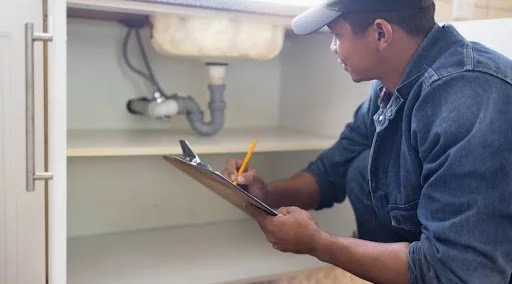
Plumbing Maintenance Checklist for Every Season
Your home's plumbing system works quietly in the background every single day, and like most things that do their job without complaint, it rarely gets the attention it deserves until something goes wrong. A burst pipe in January or a backed-up drain in July isn't just an inconvenience; it's a costly emergency that, in most cases, was entirely preventable.
We partnered with a home improvement company for this post. The opinions in the post are honest. All reviews and opinions expressed in this post are based on our personal views. We are excited because we know you will love it.
Your home's plumbing system works quietly in the background every single day, and like most things that do their job without complaint, it rarely gets the attention it deserves until something goes wrong. A burst pipe in January or a backed-up drain in July isn't just an inconvenience; it's a costly emergency that, in most cases, was entirely preventable.
The good news is that seasonal plumbing maintenance doesn't require a professional on speed dial or a toolbox full of specialized equipment. What it does require is consistency. This checklist walks you through what to inspect, test, and address each season so your plumbing stays reliable year-round.
Spring: Thaw Out and Inspect
After months of cold weather, spring is the ideal time to do a full audit of your plumbing system. Freezing temperatures can stress pipes, fittings, and outdoor fixtures in ways that aren't always immediately visible.
Outdoor Faucets and Hose Bibs
Turn on your exterior faucets and watch for drips, reduced pressure, or any sign of water coming from inside the wall rather than the spout. A freeze-damaged pipe may have cracked without your knowledge. If you spot anything unusual, call a plumber before warm weather turns a hairline crack into a flood.
Sump Pump Testing
If your home has a sump pump, spring is when it earns its keep. Pour a bucket of water into the sump pit to trigger the float switch and confirm the pump activates and drains properly. A failed test in March is far better news than a flooded basement in April.
Water Heater Check
Sediment builds up in water heater tanks over time, reducing efficiency and shortening the unit's lifespan. Flush the tank to clear any buildup and inspect the pressure relief valve by briefly lifting the lever. Water should flow freely, then stop when released. If it doesn't, the valve needs replacing. If you spot anything unusual, call a local plumber in Bergen County, NJ before warm weather turns a hairline crack into a flood.
Summer: High-Use Season Preparation
Summer brings house guests, more showers, backyard entertaining, and irrigation systems running on full. Your plumbing sees heavier use than any other time of year, making it worth a quick inspection before the season peaks.
Irrigation and Sprinkler Systems
Inspect all sprinkler heads for damage from winter and mowing season. Look for heads that spray sideways, don't retract properly, or leave dry patches in the lawn. These signal clogs or breaks that waste significant water. Check the system's timer and adjust the schedule to account for summer heat without overwatering.
Garbage Disposal
Summer cookouts mean more food waste going down the kitchen drain. Test your disposal's performance and listen for any grinding or labored sounds that suggest worn blades. Run cold water before and after each use, avoid putting fibrous foods or grease down the drain, and clean the unit monthly with ice cubes and coarse salt to break up buildup.
Washing Machine Hoses
With beach towels, sports uniforms, and outdoor gear cycling through the laundry constantly, it's worth inspecting the hoses behind your washing machine. Look for bulging, cracking, or corrosion near the connections. Rubber hoses have a typical lifespan of five years; if yours are older, consider upgrading to braided stainless steel hoses, which are significantly more durable.
Fall: Winterization Prep
Fall maintenance is arguably the most consequential of the four seasons. Getting your plumbing ready for freezing temperatures can be the difference between a normal winter and a catastrophic pipe burst.
Shut Off and Drain Outdoor Water Lines
Once temperatures begin dropping consistently below 40°F at night, it's time to shut off the water supply to outdoor faucets and drain the lines completely. Water left in uninsulated exterior pipes will freeze and expand, potentially splitting the pipe. Disconnect garden hoses from bibs before the first frost, a connected hose traps water right at the fitting, increasing the risk of damage.
Insulate Vulnerable Pipes
Walk through your basement, crawl space, and garage and identify any pipes that run along exterior walls or in unheated spaces. Foam pipe insulation is inexpensive and takes minutes to install. Pay particular attention to pipes near windows or in areas with consistent drafts.
Water Heater Efficiency
As temperatures drop, your water heater works harder to maintain temperature. If your unit is set above 120°F, consider dialing it back, you'll save energy without sacrificing comfort. Also check the unit's insulation blanket if it's an older model, and inspect the area around the base for any signs of slow leaking.
Winter: Monitor and Prevent
Winter plumbing maintenance is less about active repairs and more about vigilance and prevention. Most of the hard work has already been done in fall; now it's about protecting what you have.
Know Where Your Main Shutoff Is
Before the coldest months arrive, make sure every adult in your household knows where the main water shutoff valve is located and how to operate it. In the event of a burst pipe, getting to that valve quickly can save thousands of dollars in water damage.
Keep Heat Consistent
Resist the temptation to dramatically lower the thermostat when you leave the house for an extended period. Keeping indoor temperatures at or above 55°F helps prevent pipes in interior walls from freezing. For particularly vulnerable areas like cabinets under sinks on exterior walls, leaving the cabinet doors open allows warm air to circulate around the pipes.
Watch for Slow Drains
Winter is often when slow drains become noticeable as hair, soap scum, and grease accumulate. Rather than reaching for chemical drain cleaners which can damage older pipes, use a drain snake or call a plumber for stubborn clogs. Monthly maintenance with a baking soda and hot water flush can keep things moving without harsh chemicals.
A Final Word on Consistency
Plumbing problems rarely appear out of nowhere. They develop slowly, signaled by small clues, a minor drip, a little rust around a fitting, a drain that takes just slightly longer than it used to. Seasonal maintenance is really about training yourself to notice those signals before they escalate.
Set a reminder at the start of each season, work through your checklist methodically, and don't postpone the small fixes. The cost of a replacement washer or a tube of pipe insulation is a fraction of what an emergency plumber charges at midnight in February.
Your plumbing is a system. Treat it like one.
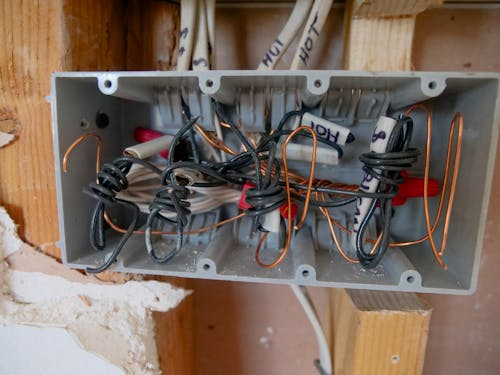
Old Knob-and-Tube Wiring Killed My Sale Three Times Until I Found Another Way
Selling a home can be stressful under normal circumstances. When hidden property issues appear during inspections, the process can become even more frustrating. One problem that catches many homeowners by surprise is old knob-and-tube wiring.
We partnered with a real estate company for this post. The opinions in the post are honest. All reviews and opinions expressed in this post are based on our personal views. We are excited because we know you will love it.
Selling a home can be stressful under normal circumstances. When hidden property issues appear during inspections, the process can become even more frustrating. One problem that catches many homeowners by surprise is old knob-and-tube wiring.
This type of electrical system was commonly installed in homes built before the 1950s. While some systems may still function, many buyers and lenders view them as a concern. As a result, sellers often find themselves facing canceled contracts, repair requests, or financing problems.
For one homeowner, old knob-and-tube wiring caused three separate sales to fall apart. Each buyer seemed excited at first. Once inspections revealed the outdated wiring, everything changed. After months of disappointment, a different approach finally led to a successful sale.
Three Deals Gone in a Matter of Months
The house attracted attention quickly. It had a desirable location, a spacious layout, and plenty of character. Showings generated interest almost immediately, leading to multiple offers.
The first buyer backed out after the home inspection. Their insurance company raised concerns about the knob-and-tube wiring and would not provide coverage under standard terms. Without insurance, securing financing became difficult.
The second buyer attempted to move forward. Their lender reviewed the inspection report and requested additional documentation regarding the electrical system. Delays followed, uncertainty grew, and the contract eventually ended.
The third buyer wanted significant electrical upgrades before closing. The estimated cost exceeded the seller's budget. At that point, it became clear that traditional buyers would continue seeing the wiring as a major obstacle.
After months of frustration, the seller began exploring alternatives and eventually learned about options such as Austin All Cash Home Buyers, which often purchase properties in their current condition without requiring extensive repairs.
Why Knob-and-Tube Wiring Creates Problems
Many homeowners do not realize how much impact old wiring can have on a sale until a buyer's inspection report arrives.
Knob-and-tube wiring was once considered standard. Over time, electrical demands increased dramatically. Modern homes use far more appliances, electronics, and devices than homes built decades ago.
Although some knob-and-tube systems may still operate safely when properly maintained, buyers often worry about future upgrades, insurance availability, and long-term safety concerns.
Lenders also tend to evaluate risk carefully. If a property's electrical system raises concerns, financing approval may become more complicated.
Common Buyer Concerns
Concern
Why It Matters
Insurance Coverage
Some insurers may require upgrades
Electrical Capacity
Older systems may not meet modern needs
Future Costs
Buyers anticipate expensive repairs
Safety Questions
Inspection reports often raise concerns
Lenders may request additional reviews
Inspection Day Changed Everything
Before each failed sale, everything appeared to be moving smoothly. Buyers toured the home, negotiated terms, and signed contracts.
Then, inspection day arrived.
Inspectors documented the presence of knob-and-tube wiring and explained potential concerns. Buyers who initially loved the home suddenly viewed it differently. Conversations shifted from excitement to risk management.
Many homeowners experience this same situation. A property can appear attractive until an inspection uncovers a feature that creates uncertainty. Once concerns enter the discussion, negotiations often become more challenging.
In some cases, buyers request credits. Others demand repairs. Some decide to walk away completely.
Repairing the System Was Not a Simple Choice
Replacing old wiring is possible, although it is often expensive and disruptive.
Electrical upgrades frequently involve opening walls, updating panels, replacing outlets, and bringing systems closer to current standards. Costs vary depending on the size and condition of the home.
For homeowners preparing to move, investing thousands of dollars into a major upgrade may not feel practical. Some people simply do not have room in their budget for such a project.
Others worry about spending money without knowing whether they will recover those costs through a higher sale price.
Factors Sellers Often Consider
Question
Impact
What will repairs cost?
Determines project feasibility
How long will upgrades take?
Affects the moving timeline
Will buyers pay more afterward?
Influences return on investment
Can the seller afford repairs?
Impacts financial planning
Finding a Different Path Forward
After three failed contracts, the homeowner stopped focusing on traditional solutions and started looking for alternatives.
Instead of investing in a major electrical renovation, they explored selling options designed for properties with repair challenges. This approach shifted attention away from fixing every issue before listing.
Some buyers specialize in purchasing homes with outdated systems, deferred maintenance, or inspection concerns. Their focus is often on a property's overall potential rather than requiring every component to meet modern standards before closing.
For the homeowner in this story, that change in strategy made a significant difference. The process became simpler, timelines shortened, and the wiring issue no longer prevented progress.
Lessons Other Homeowners Can Learn
One important lesson is that property issues do not automatically make a home unsellable.
Many sellers assume they must fix every problem before putting their home on the market. While repairs can help in some situations, they are not always necessary.
Knowing your options is valuable. A traditional listing may work well for one property, while another home may benefit from a different selling strategy.
Another lesson involves transparency. Being upfront about known issues helps create realistic expectations and reduces surprises during negotiations.
Most importantly, homeowners should not lose hope after a failed contract. A canceled sale often feels discouraging, though it does not mean a successful outcome is impossible.
Feeling Good About What’s Next
Old knob-and-tube wiring can create obstacles during a home sale. Buyers may hesitate, lenders may ask questions, and insurers may impose restrictions.
Despite these challenges, homeowners still have options. Whether through repairs, such as electrical maintenance, pricing adjustments, or alternative selling methods, there are multiple paths toward completing a sale.
The experience of losing three contracts taught one homeowner an important lesson: sometimes success comes from changing the approach rather than continuing to fight the same obstacle. When sellers understand their choices, they can move forward with greater confidence and less frustration.
FAQs
1. What is knob-and-tube wiring?
Knob-and-tube wiring is an older electrical system commonly installed in homes built before the 1950s. It uses ceramic knobs and tubes to support and protect electrical wires.
2. Can I sell a house that still has knob-and-tube wiring?
Yes. Many homes with knob-and-tube wiring are sold every year. The wiring may affect buyer interest, financing options, or insurance availability, though selling is still possible.
3. Will every buyer reject a home with knob-and-tube wiring?
No. Some buyers are comfortable purchasing homes with older electrical systems. Others may request repairs, credits, or price adjustments before proceeding.
4. Can Cash Home Buyers purchase homes with knob-and-tube wiring?
Yes. Many cash home buying companies may consider purchasing homes with outdated electrical systems and other property challenges, allowing homeowners to explore alternatives when traditional sales become difficult.

Making Big Property Maintenance Easier
Caring for a large property can feel both exciting and overwhelming. Big land gives you room to dream, but it also comes with real demands. Overgrowth creeps in fast, structures weather quickly, and small issues can spread across acres before you notice them. The key to keeping a large property manageable is approaching it with a clear plan, steady upkeep, and the right tools. With a thoughtful strategy, even the most neglected acreage can become organized, productive, and enjoyable again. The more intentional you are from the start, the easier it becomes to stay ahead of maintenance instead of constantly reacting to problems.
Caring for a large property can feel both exciting and overwhelming. Big land gives you room to dream, but it also comes with real demands. Overgrowth creeps in fast, structures weather quickly, and small issues can spread across acres before you notice them. The key to keeping a large property manageable is approaching it with a clear plan, steady upkeep, and the right tools. With a thoughtful strategy, even the most neglected acreage can become organized, productive, and enjoyable again. The more intentional you are from the start, the easier it becomes to stay ahead of maintenance instead of constantly reacting to problems.
Assessing the Condition of the Property
Before you start clearing or building, you need a clear picture of what you’re working with. A slow, deliberate walkthrough reveals far more than a quick glance from the driveway. You’ll spot things like erosion channels hidden behind brush, fallen limbs tucked into fence lines, or old structures that look stable from afar but show rot up close. Walking the land also helps you understand how it flows—where water collects, where access is tight, and which areas are easiest or hardest to reach. Many landowners are surprised by how much they miss until they take the time to explore every corner.
Mapping the property gives you a practical way to organize what you’ve found. It doesn’t need to be fancy; even a simple sketch helps you mark problem spots, note elevation changes, and identify areas that need clearing or grading. This map becomes your working plan as you decide where to start and how to move through the property efficiently. It also becomes a valuable reference over time, helping you track improvements and spot recurring issues.
Once you’ve documented everything, address the most urgent issues first. Safety hazards—unstable trees, damaged roofs on outbuildings, deep washouts—should be handled before anything else. After that, focus on improving access. If you can’t reach parts of your land easily, every other task becomes harder. Good access is the foundation of efficient property care.
Clearing Overgrowth and Reclaiming Land
Overgrowth is one of the biggest challenges on large properties. Brush, vines, and invasive plants can take over quickly, especially if the land has been idle for years. Mechanical clearing tools—brush mowers, skid‑steer attachments, and heavy‑duty trimmers—make a dramatic difference in a short amount of time. They allow you to reclaim large areas that would take days to clear by hand. Clearing also reveals the true shape of the land, making it easier to plan future improvements.
Trees often need attention as well. Dead limbs, storm damage, and overcrowded canopies create hazards and block airflow. Strategic trimming opens up sightlines, improves tree health, and makes the land feel more open and usable. In some cases, removing a few problem trees can transform how a space functions. Clearing around trees also helps prevent pests and reduces fire risk.
Debris disposal is a major part of reclaiming land. Branches, brush piles, and old fencing accumulate quickly. Chipping material into mulch, hauling debris to a disposal site, or creating a designated composting area keeps the property clean and prevents clutter from returning. A clean property is easier to maintain and far more enjoyable to use.
Establishing Functional Zones Across the Property
Once the land is cleared, you can start shaping it into something more intentional. Dividing a large property into functional zones makes it easier to manage and reduces wasted time and effort. Equipment and storage areas should sit on stable ground with easy access for trucks and machinery. These zones might include sheds, barns, lean‑tos, or pads for water tanks and fuel storage. Keeping tools and equipment centralized saves countless hours over the course of a year.
Recreation, gardening, and livestock areas should be placed where the land naturally supports them. Sunlight, soil quality, drainage, and proximity to water all influence where these zones make the most sense. Grouping similar activities together keeps the property organized and minimizes unnecessary travel. It also helps you plan utilities, fencing, and irrigation more efficiently.
Access routes tie everything together. Well‑planned drive paths, utility roads, and footpaths make it easier to move equipment, transport materials, and reach remote areas. Gravel or compacted soil helps prevent erosion and keeps routes usable year‑round. Good access is one of the most valuable improvements you can make.
Managing Water, Drainage, and Utility Infrastructure
Water management is an important and yet often overlooked parts of maintaining a large property. Poor drainage can wash out roads, drown plants, and damage structures. By studying how water naturally moves across your land, you can identify low spots, runoff channels, and areas prone to flooding. Simple grading adjustments, swales, or drainage ditches can dramatically improve water flow and protect the property from long‑term damage.
Water tanks are essential for many large properties, especially when water needs to be stored or distributed across long distances. Whether you’re irrigating gardens, supporting livestock, or keeping emergency reserves on hand, tanks require stable foundations and easy access for refilling. A vertical water tank is often a smart choice for properties with limited ground space, as its tall, narrow design provides high capacity without consuming a large footprint. Protective structures, such as shade covers or enclosures, help extend the lifespan of any tank and keep the water clean. A well‑placed tank can save hours of hauling water during busy seasons.
For properties that require water across long distances, pumps, gravity‑fed lines, and trenching create efficient distribution systems. Strategically placed spigots and irrigation lines save time and reduce the physical strain of hauling hoses or buckets. A well‑designed water system is one of the best long‑term investments you can make, improving both convenience and the overall health of your land.
Choosing Hardworking Equipment for Large‑Scale Maintenance
Large properties require equipment that can handle serious work. Zero‑turn mowers, compact tractors, brush cutters, and utility vehicles are often essential for maintaining fields, trails, and open spaces. These machines dramatically reduce labor and help you keep up with seasonal demands. For everyday upkeep, having reliable lawn equipment, such as walk‑behind mowers, edgers, and string trimmers, ensures you can maintain smaller areas and detailed spaces that larger machines can’t reach.
A dependable set of tools like chainsaws, augers, trimmers, and tow‑behind implements makes everyday tasks easier and safer. Investing in durable equipment pays off quickly when you’re managing acres instead of a backyard. Quality tools also reduce frustration and help you work more efficiently, especially when you’re juggling multiple zones across a large property.
Regular maintenance keeps your equipment reliable. Oil changes, blade sharpening, filter replacements, and seasonal inspections prevent breakdowns and extend the life of your machinery. A well‑maintained machine is safer, more efficient, and far less likely to fail when you need it most, ensuring your property stays manageable year‑round.
Developing a Long‑Term Maintenance Plan
A large property is never truly “finished.” It evolves over time, and a long‑term maintenance plan helps you stay ahead of that evolution. Breaking tasks into seasonal segments keeps the workload manageable and prevents important projects from slipping through the cracks. Spring might focus on soil preparation and planting, summer on mowing and irrigation, fall on cleanup and repairs, and winter on equipment care and planning.
Tracking maintenance ensures nothing gets overlooked. This helps prevent small issues from becoming expensive problems and gives you a clearer picture of your property’s overall condition. Over time, you’ll start to see patterns that help you plan more effectively.
Long‑term planning also keeps your property moving toward your vision. Whether you want to expand storage, add new access routes, or upgrade water systems, thoughtful planning ensures each improvement supports the next and contributes to a more efficient, well‑organized landscape. A clear plan turns big land into a manageable, rewarding investment.
Maintaining a large property takes commitment, but it doesn’t have to feel overwhelming. With a clear plan, the right tools, and steady upkeep, you can turn big land into a well‑organized, productive, and enjoyable space. By reclaiming overgrown areas, creating functional zones, managing water wisely, and investing in reliable equipment, you set your property up for long‑term success. With consistent care and thoughtful planning, your land will continue to thrive for years to come.