

A resource for those seeking information on organizing and transforming spaces.

The Most Valuable Home Improvements for Increasing Resale Value
Not every dollar you put into your home comes back when you sell it. Understanding which improvements actually move the needle on resale value is where smart homeownership starts.
We partnered with a construction company for this post. The opinions in the post are honest. All reviews and opinions expressed in this post are based on our personal views. We are excited because we know you will love it.
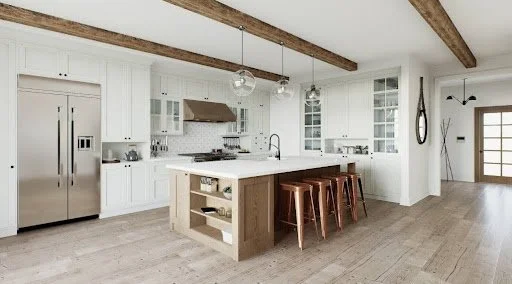
Not every dollar you put into your home comes back when you sell it. Understanding which improvements actually move the needle on resale value is where smart homeownership starts.
What's Actually Controlling Your Home's Resale Value
A lot of things affect how much a buyer will pay for your home. Location matters. Market timing matters. But the condition and features of the property itself? That's the one variable you actually control.
Some improvements are purely emotional. They make you love your home more, but buyers won't pay extra for them. Others directly translate to higher offers, faster sales, and more competitive positioning in your market.
The improvements that consistently deliver the best return are the ones that address what buyers notice first, what inspectors flag most often, and what lenders require before they'll approve a mortgage.
That last category matters more than most homeowners realize. If your home has deferred maintenance that causes a deal to fall apart during inspection, no amount of cosmetic upgrades will save it.
Why Not All Renovations Are Created Equal
This is something I walk through with almost every homeowner who's preparing to sell. The instinct is to renovate the things you've always wanted to fix: the master bath, the finished basement, the dream kitchen. And sometimes those are exactly the right calls. But sometimes they're not.
A full kitchen remodel in a $250,000 neighborhood does not produce the same return as a full kitchen remodel in a $700,000 neighborhood. The surrounding market sets a ceiling on what buyers will pay, and you can't renovate your way past it.
The renovations that consistently produce strong returns share a few traits: they appeal to the broadest pool of buyers, they address functional needs rather than personal taste, and they're priced appropriately relative to the home's overall value.
The longer your home sits on the market because buyers keep passing, the more you lose. Carrying costs add up, negotiating leverage shrinks, and the final sale price often suffers. Improvements that help you sell faster are just as valuable as improvements that help you sell for more.
What Buyers Notice Before They Ever Walk Through the Door
The first impression your home makes happens from the street. Curb appeal isn't a cliché. It's a real factor in whether buyers even schedule a showing, and it colors everything they think about the home before they step inside.
The good news is that curb appeal improvements are often among the least expensive with the highest return.
Fresh exterior paint or siding repair consistently ranks as one of the top ROI projects. A home that looks tired from the outside creates doubt before the buyer has seen a single room.
Landscaping and lawn condition matter more than most sellers expect. You don't need elaborate plantings. You need clean edges, healthy grass, trimmed shrubs, and a front entrance that feels welcoming rather than neglected.
The front door is worth paying attention to. Replacing or repainting a front door, adding new hardware, and updating exterior lighting are low-cost, high-visibility improvements that signal the home has been cared for.
These aren't glamorous projects. But they are the ones that get buyers in the door, which is the prerequisite for everything else.
The Renovations That Reliably Return the Most Value
Kitchen Updates
The kitchen remains the room buyers care most about. But the word "update" is doing a lot of work here. A full gut renovation rarely pays for itself. A targeted refresh often does.
Replacing outdated cabinet hardware, installing new countertops, updating lighting fixtures, and adding a modern backsplash can transform the feel of a kitchen for a fraction of the cost of a full remodel. If the cabinets are structurally sound, painting or refacing them rather than replacing them is often the smarter financial move.
Stainless appliances and stone or quartz countertops have become baseline expectations in many markets. If yours are lagging well behind, it's worth addressing.
Bathroom Improvements
Updated bathrooms rank alongside kitchens in buyer priorities. Again, the goal isn't a luxury spa renovation. It's removing the things that make buyers wince.
Dated tile, old fixtures, poor lighting, and visible mildew or water damage are the red flags to address. A bathroom that looks clean, bright, and functional will outperform a technically superior bathroom that shows signs of neglect.
If you have only one bathroom, adding a second, even a modest half bath, can meaningfully expand your buyer pool and command a higher sale price.
Flooring
Few things date a home faster than worn carpet or scratched hardwood. In most markets, hardwood floors (or quality engineered hardwood) are a strong selling feature, particularly on the main level of the home. Carpet in bedrooms is generally acceptable; carpet in living areas and kitchens is not.
Replacing flooring before listing is one of those improvements that rarely hurts and frequently helps. It's also one buyers can see and feel immediately. There's no uncertainty about condition the way there might be with a roof or HVAC.
Mechanical Systems: HVAC, Roof, and Windows
Here's the category that catches sellers off guard. Buyers, along with their inspectors and lenders, pay close attention to the age and condition of the major mechanical systems. A home with a 25-year-old roof, an aging HVAC system, and drafty windows is a harder sell, even if the kitchen was just renovated.
You don't necessarily need to replace everything. But you do need to know the condition of these systems, disclose appropriately, and price or credit accordingly. Replacing a failing HVAC system before listing can prevent a deal from collapsing. A new roof is one of the highest-return projects in terms of preventing buyer objections, even if it doesn't always add dollar-for-dollar value on paper.
Finished Basement or Additional Living Space
In markets where square footage is at a premium, a finished basement or converted bonus room can add meaningful value. The key is ensuring the space is properly permitted, insulated, and finished to a standard that feels livable and not like an afterthought.
Unfinished basements that are clean, dry, and well-maintained are far better than unfinished basements that look like they've been ignored for twenty years. Even without a full finish, addressing moisture, improving lighting, and cleaning up the space sends a message to buyers.
The Mistake That Costs Sellers the Most
The most expensive renovation decision is usually the one made too late or based on personal preference rather than market data.
Sellers who renovate their taste into a home, adding bold wallpaper, very specific tile choices, or room layouts that don't match how most buyers live, can actually make the home harder to sell. Neutralizing a highly personalized space is often more work for buyers than starting with a blank slate.
The second most common mistake is skipping the low-cost, high-visibility improvements in favor of expensive projects that most buyers won't even notice. Fresh paint in a neutral, consistent color is one of the highest-return investments a seller can make. It costs relatively little, it photographs well, and it removes one of the most common reasons buyers pass on a showing.
If you're not sure where to focus, here's a useful exercise: walk through your home as if you're seeing it for the first time. Better yet, ask a friend or real estate agent you trust to do the same and tell you honestly what they notice.
What to Check Before You List
If you're within twelve months of selling, there are a few fundamentals worth reviewing before you decide on any major improvement projects.
Start with a pre-listing inspection. Knowing what a buyer's inspector is going to find puts you in a position to address it on your timeline and your terms, rather than scrambling during the negotiation period or watching a deal fall apart.
Check the condition of your roof and HVAC. These are the items most likely to trigger repair requests or price reductions. If they're near the end of their useful life, factor that into your planning.
Look at comparable sales in your neighborhood. What are homes selling for? What features do the highest-selling homes have? This tells you where the ceiling is and helps you prioritize the improvements most likely to get you to the top of that range.
When Should You Hire a Professional?
Some improvements are genuinely DIY-friendly. Paint, landscaping, hardware replacement, and light fixture updates are within reach for most homeowners and can be done without professional help.
Others are not. Electrical, plumbing, roofing, and structural work should be permitted and professionally executed by a local contractor such as Payne Family Construction. Unpermitted work can come back to haunt a sale. Buyers and their lenders will want documentation, and work done without permits can complicate or derail a closing.
For large projects, get multiple quotes. For projects that affect the home's systems or structure, prioritize quality over cost. The goal isn't to spend as little as possible on the renovation. It's to maximize what comes back at closing.
The best home improvements aren't always the most dramatic ones. They're the ones that meet buyers where they are, remove obstacles to a purchase decision, and position your home competitively in your market.

5 Timeless Home Upgrades That Add Lasting Value
A home is more than just a structure - it’s a place where memories are made, and value is built over time. When you choose upgrades that are timeless, you enhance your everyday living experience. These improvements go beyond fleeting trends; they ensure that your property remains appealing and competitive in the housing market year after year.
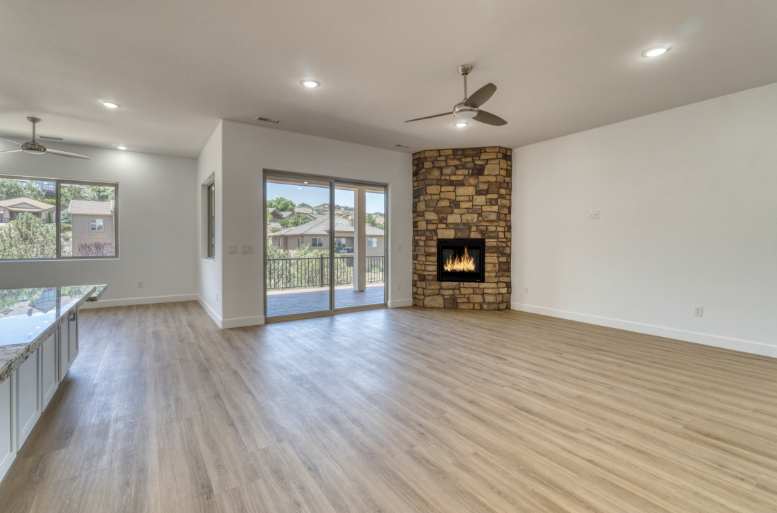
A home is more than just a structure - it’s a place where memories are made, and value is built over time. When you choose upgrades that are timeless, you enhance your everyday living experience. These improvements go beyond fleeting trends; they ensure that your property remains appealing and competitive in the housing market year after year.
Here, we’ll share five of the most timeless updates you can do for that timeless home value.
Enhance Your Kitchen With Classic Features
The kitchen has long been considered the centerpiece of the home. When you invest in upgrades in this room, you deliver immediate satisfaction and long-term value. Timeless features such as natural stone countertops, solid wood cabinetry, and well-planned layouts ensure that your kitchen remains functional and stylish even as design preferences shift.
A thoughtfully designed kitchen encourages gatherings and supports efficient cooking. By focusing on durable materials and finishes that balance elegance with practicality, you’re creating a space that will continue to impress and serve your household for decades.
Elevate Living Spaces With Hardwood Flooring
Few upgrades carry the same enduring appeal as hardwood flooring. Its natural warmth and ability to complement nearly any design style make it a favorite among homeowners and buyers alike. Residential hardwood flooring offers a balance of sophistication and practicality. You create a foundation for your home that enhances both traditional and modern interiors. Unlike many flooring options that may fade in popularity, hardwood remains a symbol of quality and permanence.
With proper care, it can last for generations. It’s an investment that retains its value and class for decades. And beyond durability, hardwood flooring also contributes to healthier indoor air quality compared to carpeting, and its timeless look ensures that it never feels outdated, no matter how often you refresh your décor.
Upgrade Bathrooms With Spa-Like Touches
Bathrooms have evolved from purely functional spaces into personal retreats. Timeless upgrades for the ultimate comfort and relaxation can be walk-in showers, elegant tile work, glass walls, and fixtures. By incorporating thoughtful lighting and high-quality materials, you can create a spa-like atmosphere that feels luxurious without being overly trendy.
These improvements elevate your daily routine and add significant appeal to potential buyers. Plenty of homeowners look for practicality and indulgence in a bathroom setting. So if you have a bathroom that feels like a sanctuary, it will enhance the overall perception of your home for buyers, making it more attractive and memorable.
Add Built-In Storage Solutions
Clutter-free living never goes out of style. Built-in storage solutions are a timeless way to achieve this, be it custom shelving or integrated cabinetry. These upgrades maximize space while maintaining a clean, cohesive look throughout the home.
Built-ins are especially valuable because they feel intentional and permanent, unlike temporary storage options that can disrupt the flow of a room. By investing in storage that blends seamlessly with your home’s architecture, you’re creating spaces that are both functional and aesthetically pleasing. Built-in storage solutions, like a wall of bookshelves in the living room or a mudroom with organized cubbies, enhance everyday convenience while adding lasting value
Improve Curb Appeal With Lasting Exterior Details
First impressions matter, and the exterior of your home sets the tone for everything inside. Timeless upgrades such as quality siding and well-maintained landscaping add immediate charm while protecting your investment long-term. These details enhance the beauty of your property and contribute to its durability against the elements.
If you have a home with strong curb appeal, it immediately feels welcoming and cared for. Future buyers will be more attracted to a home that’s well-kept and maintained. From a freshly painted front door to carefully chosen outdoor lighting, exterior improvements create a sense of pride and permanence that elevates the entire property.
Conclusion
Timeless home upgrades are about making thoughtful choices that blend beauty and longevity. If you’re considering adding warmth with hardwood flooring or making your bathroom more elegant, these improvements add lasting value that enriches your everyday life while strengthening your home’s appeal for years to come.
These upgrades endure the test of time, making them investments that continue to inspire confidence and pride.

Old Knob-and-Tube Wiring Killed My Sale Three Times Until I Found Another Way
Selling a home can be stressful under normal circumstances. When hidden property issues appear during inspections, the process can become even more frustrating. One problem that catches many homeowners by surprise is old knob-and-tube wiring.
We partnered with a real estate company for this post. The opinions in the post are honest. All reviews and opinions expressed in this post are based on our personal views. We are excited because we know you will love it.
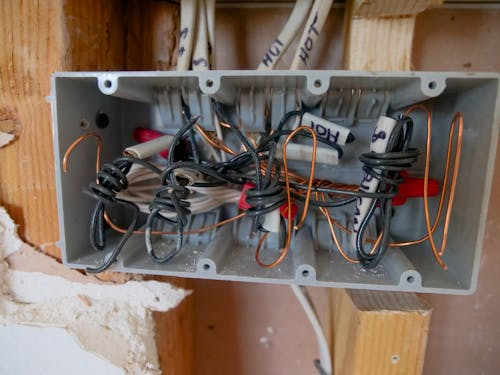
Selling a home can be stressful under normal circumstances. When hidden property issues appear during inspections, the process can become even more frustrating. One problem that catches many homeowners by surprise is old knob-and-tube wiring.
This type of electrical system was commonly installed in homes built before the 1950s. While some systems may still function, many buyers and lenders view them as a concern. As a result, sellers often find themselves facing canceled contracts, repair requests, or financing problems.
For one homeowner, old knob-and-tube wiring caused three separate sales to fall apart. Each buyer seemed excited at first. Once inspections revealed the outdated wiring, everything changed. After months of disappointment, a different approach finally led to a successful sale.
Three Deals Gone in a Matter of Months
The house attracted attention quickly. It had a desirable location, a spacious layout, and plenty of character. Showings generated interest almost immediately, leading to multiple offers.
The first buyer backed out after the home inspection. Their insurance company raised concerns about the knob-and-tube wiring and would not provide coverage under standard terms. Without insurance, securing financing became difficult.
The second buyer attempted to move forward. Their lender reviewed the inspection report and requested additional documentation regarding the electrical system. Delays followed, uncertainty grew, and the contract eventually ended.
The third buyer wanted significant electrical upgrades before closing. The estimated cost exceeded the seller's budget. At that point, it became clear that traditional buyers would continue seeing the wiring as a major obstacle.
After months of frustration, the seller began exploring alternatives and eventually learned about options such as Austin All Cash Home Buyers, which often purchase properties in their current condition without requiring extensive repairs.
Why Knob-and-Tube Wiring Creates Problems
Many homeowners do not realize how much impact old wiring can have on a sale until a buyer's inspection report arrives.
Knob-and-tube wiring was once considered standard. Over time, electrical demands increased dramatically. Modern homes use far more appliances, electronics, and devices than homes built decades ago.
Although some knob-and-tube systems may still operate safely when properly maintained, buyers often worry about future upgrades, insurance availability, and long-term safety concerns.
Lenders also tend to evaluate risk carefully. If a property's electrical system raises concerns, financing approval may become more complicated.
Common Buyer Concerns
Concern
Why It Matters
Insurance Coverage
Some insurers may require upgrades
Electrical Capacity
Older systems may not meet modern needs
Future Costs
Buyers anticipate expensive repairs
Safety Questions
Inspection reports often raise concerns
Lenders may request additional reviews
Inspection Day Changed Everything
Before each failed sale, everything appeared to be moving smoothly. Buyers toured the home, negotiated terms, and signed contracts.
Then, inspection day arrived.
Inspectors documented the presence of knob-and-tube wiring and explained potential concerns. Buyers who initially loved the home suddenly viewed it differently. Conversations shifted from excitement to risk management.
Many homeowners experience this same situation. A property can appear attractive until an inspection uncovers a feature that creates uncertainty. Once concerns enter the discussion, negotiations often become more challenging.
In some cases, buyers request credits. Others demand repairs. Some decide to walk away completely.
Repairing the System Was Not a Simple Choice
Replacing old wiring is possible, although it is often expensive and disruptive.
Electrical upgrades frequently involve opening walls, updating panels, replacing outlets, and bringing systems closer to current standards. Costs vary depending on the size and condition of the home.
For homeowners preparing to move, investing thousands of dollars into a major upgrade may not feel practical. Some people simply do not have room in their budget for such a project.
Others worry about spending money without knowing whether they will recover those costs through a higher sale price.
Factors Sellers Often Consider
Question
Impact
What will repairs cost?
Determines project feasibility
How long will upgrades take?
Affects the moving timeline
Will buyers pay more afterward?
Influences return on investment
Can the seller afford repairs?
Impacts financial planning
Finding a Different Path Forward
After three failed contracts, the homeowner stopped focusing on traditional solutions and started looking for alternatives.
Instead of investing in a major electrical renovation, they explored selling options designed for properties with repair challenges. This approach shifted attention away from fixing every issue before listing.
Some buyers specialize in purchasing homes with outdated systems, deferred maintenance, or inspection concerns. Their focus is often on a property's overall potential rather than requiring every component to meet modern standards before closing.
For the homeowner in this story, that change in strategy made a significant difference. The process became simpler, timelines shortened, and the wiring issue no longer prevented progress.
Lessons Other Homeowners Can Learn
One important lesson is that property issues do not automatically make a home unsellable.
Many sellers assume they must fix every problem before putting their home on the market. While repairs can help in some situations, they are not always necessary.
Knowing your options is valuable. A traditional listing may work well for one property, while another home may benefit from a different selling strategy.
Another lesson involves transparency. Being upfront about known issues helps create realistic expectations and reduces surprises during negotiations.
Most importantly, homeowners should not lose hope after a failed contract. A canceled sale often feels discouraging, though it does not mean a successful outcome is impossible.
Feeling Good About What’s Next
Old knob-and-tube wiring can create obstacles during a home sale. Buyers may hesitate, lenders may ask questions, and insurers may impose restrictions.
Despite these challenges, homeowners still have options. Whether through repairs, such as electrical maintenance, pricing adjustments, or alternative selling methods, there are multiple paths toward completing a sale.
The experience of losing three contracts taught one homeowner an important lesson: sometimes success comes from changing the approach rather than continuing to fight the same obstacle. When sellers understand their choices, they can move forward with greater confidence and less frustration.
FAQs
1. What is knob-and-tube wiring?
Knob-and-tube wiring is an older electrical system commonly installed in homes built before the 1950s. It uses ceramic knobs and tubes to support and protect electrical wires.
2. Can I sell a house that still has knob-and-tube wiring?
Yes. Many homes with knob-and-tube wiring are sold every year. The wiring may affect buyer interest, financing options, or insurance availability, though selling is still possible.
3. Will every buyer reject a home with knob-and-tube wiring?
No. Some buyers are comfortable purchasing homes with older electrical systems. Others may request repairs, credits, or price adjustments before proceeding.
4. Can Cash Home Buyers purchase homes with knob-and-tube wiring?
Yes. Many cash home buying companies may consider purchasing homes with outdated electrical systems and other property challenges, allowing homeowners to explore alternatives when traditional sales become difficult.

Making Big Property Maintenance Easier
Caring for a large property can feel both exciting and overwhelming. Big land gives you room to dream, but it also comes with real demands. Overgrowth creeps in fast, structures weather quickly, and small issues can spread across acres before you notice them. The key to keeping a large property manageable is approaching it with a clear plan, steady upkeep, and the right tools. With a thoughtful strategy, even the most neglected acreage can become organized, productive, and enjoyable again. The more intentional you are from the start, the easier it becomes to stay ahead of maintenance instead of constantly reacting to problems.

Caring for a large property can feel both exciting and overwhelming. Big land gives you room to dream, but it also comes with real demands. Overgrowth creeps in fast, structures weather quickly, and small issues can spread across acres before you notice them. The key to keeping a large property manageable is approaching it with a clear plan, steady upkeep, and the right tools. With a thoughtful strategy, even the most neglected acreage can become organized, productive, and enjoyable again. The more intentional you are from the start, the easier it becomes to stay ahead of maintenance instead of constantly reacting to problems.
Assessing the Condition of the Property
Before you start clearing or building, you need a clear picture of what you’re working with. A slow, deliberate walkthrough reveals far more than a quick glance from the driveway. You’ll spot things like erosion channels hidden behind brush, fallen limbs tucked into fence lines, or old structures that look stable from afar but show rot up close. Walking the land also helps you understand how it flows—where water collects, where access is tight, and which areas are easiest or hardest to reach. Many landowners are surprised by how much they miss until they take the time to explore every corner.
Mapping the property gives you a practical way to organize what you’ve found. It doesn’t need to be fancy; even a simple sketch helps you mark problem spots, note elevation changes, and identify areas that need clearing or grading. This map becomes your working plan as you decide where to start and how to move through the property efficiently. It also becomes a valuable reference over time, helping you track improvements and spot recurring issues.
Once you’ve documented everything, address the most urgent issues first. Safety hazards—unstable trees, damaged roofs on outbuildings, deep washouts—should be handled before anything else. After that, focus on improving access. If you can’t reach parts of your land easily, every other task becomes harder. Good access is the foundation of efficient property care.
Clearing Overgrowth and Reclaiming Land
Overgrowth is one of the biggest challenges on large properties. Brush, vines, and invasive plants can take over quickly, especially if the land has been idle for years. Mechanical clearing tools—brush mowers, skid‑steer attachments, and heavy‑duty trimmers—make a dramatic difference in a short amount of time. They allow you to reclaim large areas that would take days to clear by hand. Clearing also reveals the true shape of the land, making it easier to plan future improvements.
Trees often need attention as well. Dead limbs, storm damage, and overcrowded canopies create hazards and block airflow. Strategic trimming opens up sightlines, improves tree health, and makes the land feel more open and usable. In some cases, removing a few problem trees can transform how a space functions. Clearing around trees also helps prevent pests and reduces fire risk.
Debris disposal is a major part of reclaiming land. Branches, brush piles, and old fencing accumulate quickly. Chipping material into mulch, hauling debris to a disposal site, or creating a designated composting area keeps the property clean and prevents clutter from returning. A clean property is easier to maintain and far more enjoyable to use.
Establishing Functional Zones Across the Property
Once the land is cleared, you can start shaping it into something more intentional. Dividing a large property into functional zones makes it easier to manage and reduces wasted time and effort. Equipment and storage areas should sit on stable ground with easy access for trucks and machinery. These zones might include sheds, barns, lean‑tos, or pads for water tanks and fuel storage. Keeping tools and equipment centralized saves countless hours over the course of a year.
Recreation, gardening, and livestock areas should be placed where the land naturally supports them. Sunlight, soil quality, drainage, and proximity to water all influence where these zones make the most sense. Grouping similar activities together keeps the property organized and minimizes unnecessary travel. It also helps you plan utilities, fencing, and irrigation more efficiently.
Access routes tie everything together. Well‑planned drive paths, utility roads, and footpaths make it easier to move equipment, transport materials, and reach remote areas. Gravel or compacted soil helps prevent erosion and keeps routes usable year‑round. Good access is one of the most valuable improvements you can make.
Managing Water, Drainage, and Utility Infrastructure
Water management is an important and yet often overlooked parts of maintaining a large property. Poor drainage can wash out roads, drown plants, and damage structures. By studying how water naturally moves across your land, you can identify low spots, runoff channels, and areas prone to flooding. Simple grading adjustments, swales, or drainage ditches can dramatically improve water flow and protect the property from long‑term damage.
Water tanks are essential for many large properties, especially when water needs to be stored or distributed across long distances. Whether you’re irrigating gardens, supporting livestock, or keeping emergency reserves on hand, tanks require stable foundations and easy access for refilling. A vertical water tank is often a smart choice for properties with limited ground space, as its tall, narrow design provides high capacity without consuming a large footprint. Protective structures, such as shade covers or enclosures, help extend the lifespan of any tank and keep the water clean. A well‑placed tank can save hours of hauling water during busy seasons.
For properties that require water across long distances, pumps, gravity‑fed lines, and trenching create efficient distribution systems. Strategically placed spigots and irrigation lines save time and reduce the physical strain of hauling hoses or buckets. A well‑designed water system is one of the best long‑term investments you can make, improving both convenience and the overall health of your land.
Choosing Hardworking Equipment for Large‑Scale Maintenance
Large properties require equipment that can handle serious work. Zero‑turn mowers, compact tractors, brush cutters, and utility vehicles are often essential for maintaining fields, trails, and open spaces. These machines dramatically reduce labor and help you keep up with seasonal demands. For everyday upkeep, having reliable lawn equipment, such as walk‑behind mowers, edgers, and string trimmers, ensures you can maintain smaller areas and detailed spaces that larger machines can’t reach.
A dependable set of tools like chainsaws, augers, trimmers, and tow‑behind implements makes everyday tasks easier and safer. Investing in durable equipment pays off quickly when you’re managing acres instead of a backyard. Quality tools also reduce frustration and help you work more efficiently, especially when you’re juggling multiple zones across a large property.
Regular maintenance keeps your equipment reliable. Oil changes, blade sharpening, filter replacements, and seasonal inspections prevent breakdowns and extend the life of your machinery. A well‑maintained machine is safer, more efficient, and far less likely to fail when you need it most, ensuring your property stays manageable year‑round.
Developing a Long‑Term Maintenance Plan
A large property is never truly “finished.” It evolves over time, and a long‑term maintenance plan helps you stay ahead of that evolution. Breaking tasks into seasonal segments keeps the workload manageable and prevents important projects from slipping through the cracks. Spring might focus on soil preparation and planting, summer on mowing and irrigation, fall on cleanup and repairs, and winter on equipment care and planning.
Tracking maintenance ensures nothing gets overlooked. This helps prevent small issues from becoming expensive problems and gives you a clearer picture of your property’s overall condition. Over time, you’ll start to see patterns that help you plan more effectively.
Long‑term planning also keeps your property moving toward your vision. Whether you want to expand storage, add new access routes, or upgrade water systems, thoughtful planning ensures each improvement supports the next and contributes to a more efficient, well‑organized landscape. A clear plan turns big land into a manageable, rewarding investment.
Maintaining a large property takes commitment, but it doesn’t have to feel overwhelming. With a clear plan, the right tools, and steady upkeep, you can turn big land into a well‑organized, productive, and enjoyable space. By reclaiming overgrown areas, creating functional zones, managing water wisely, and investing in reliable equipment, you set your property up for long‑term success. With consistent care and thoughtful planning, your land will continue to thrive for years to come.