

A resource for those seeking information on organizing and transforming spaces.

7 Summer Cleaning Habits That Will Keep Your Home Looking Its Best
Summer brings longer days, warmer weather, and more opportunities to enjoy your home. It can also bring extra dust, humidity, outdoor dirt, and frequent foot traffic, especially when doors and windows are open more often.
Summer brings longer days, warmer weather, and more opportunities to enjoy your home. It can also bring extra dust, humidity, outdoor dirt, and frequent foot traffic, especially when doors and windows are open more often.
Keeping your home clean during summer does not have to mean spending hours cleaning every weekend. A few simple habits can prevent mess from building up and make everyday maintenance much easier. Whether you own your home or rent, these seven summer cleaning habits can help keep your space fresh, comfortable, and looking its best throughout the season.
1. Keep Dirt at the Door
Summer often means more time spent outside, which also means more opportunities for sand, grass, dust, and dirt to find their way indoors. One of the simplest ways to control this is to stop dirt before it travels through the house. Place a good doormat at frequently used entrances and make a habit of removing particularly dirty or sandy shoes before walking inside.
It is also useful to regularly shake out or clean your mats. Once they become covered in dirt, they become much less effective at keeping floors clean.
2. Give High-Traffic Floors Regular Attention
Floors can require a little more attention during summer, particularly in areas leading to the backyard, balcony, pool, or main entrance.Instead of waiting until floors visibly need cleaning, give high-traffic areas a quick sweep or vacuum every few days. Regular attention prevents dust, hair, crumbs, and outdoor debris from spreading into other rooms.
Hard floors can also be mopped when necessary, while carpets and rugs may benefit from more frequent vacuuming.If you have pets or children moving between indoor and outdoor spaces throughout the day, this simple routine can make an especially noticeable difference.
3. Stay Ahead of Kitchen Mess
Summer can mean more casual meals, cold drinks, entertaining, and people moving in and out of the kitchen throughout the day. Rather than leaving everything for one large clean, deal with small messes as they happen. Wipe benches after preparing food, put dishes away, and clean spills before they have time to dry. Pay particular attention to areas that are easy to overlook, including cabinet handles, the front of the refrigerator, and frequently touched surfaces.
If you are renting, keeping these everyday areas in good condition can also make general property care easier. Those using professional property management Buderim for rental homes, for example, may already be familiar with the importance of regular upkeep in maintaining a property over time.
4. Keep Bathrooms Fresh and Dry
Warm and moist conditions are waiting to make your bathrooms unpleasant places. After a warm shower, make sure that the warm air leaves the bathroom either via an exhaust fan or a window. You may want to dry the most wet surfaces with a towel.
In addition, do not forget about the most used surfaces in your bathroom. Spend some time this week paying extra attention to them. Try to wipe them more often as it is better than waiting for a thorough cleaning. Wash your bathmats and towels more often if they start to smell unpleasant or take too long to dry. The reason is simple: the dampness encourages the growth of mildew and other organisms.
5. Clean Windows and Glass Surfaces More Often
Sunlight makes all the dirt on glass surfaces visible. Therefore, spend some time cleaning windows and other surfaces made of glass in your home.
It is not necessary to clean all the windows in your home. Pick those that you usually look out of the most. Glass doors need special attention because people tend to lean on them often, and various marks, dirt, and fingerprints are visible on them. In addition, you may consider spending some time cleaning mirrors and other objects with glass surfaces.
6. Declutter as You Clean

It is challenging to clean dirty surfaces with various objects on them. This summer, try to develop the habit of decluttering as you clean. It is not necessary to declutter the whole house at once. Remove unnecessary objects from the surfaces while you clean them. For example, you can wipe the kitchen bench while putting away the objects that you have used. While cleaning your bedroom, you can hang or fold your clothes instead of throwing them on the floor or a bed.
You can declutter other surfaces in your home following the same principle. In addition, you can also designate some special places for the objects that you need to store during the summer season. It may include various bags, beach towels, and even sunscreen lotions. Having a place to put things reminds you of where to put them once you have finished using them.

Why a granny annexe could be a good investment for your property
Homeowners looking to add space and value to a property usually land on one of two options: extend the existing house, or build a self-contained annexe in the garden. Both routes can add real value, but they solve different problems and suit different budgets, timelines and long-term plans, so it's worth weighing them against each other rather than defaulting to whichever one comes up first in a search.
We partnered with a home improvement company. for this post. The opinions in the post are honest. All reviews and opinions expressed in this post are based on our personal views. We are excited because we know you will love it.
Framing the decision

Homeowners looking to add space and value to a property usually land on one of two options: extend the existing house, or build a self-contained annexe in the garden. Both routes can add real value, but they solve different problems and suit different budgets, timelines and long-term plans, so it's worth weighing them against each other rather than defaulting to whichever one comes up first in a search.
What each option actually costs
A single-storey house extension in the UK typically runs from around £22,500 up to £125,000, with a 10m² kitchen extension averaging roughly £80,000 to £100,000 once construction, VAT and professional fees are included, based on a 2025 survey of UK architects. A garden annexe sits in a similar bracket, generally costing between £80,000 and £100,000 for a fully self-contained build, though bespoke options can run higher depending on size and specification,Timberspecs' bespoke granny annexes, for example, start from around £99,845.
On cost alone, the two options are closer than most people expect. The real differences show up in what you get for that money and how the space performs afterwards.
What each option adds to your home
Nationwide's House Price Index special report from October 2025 found that an extension or loft conversion adding a large double bedroom and bathroom can increase the value of a three-bedroom, one-bathroom house by as much as 24%, while simply expanding the floor area by 10% can add up to 5% in value. That's a solid, well-evidenced return, but it comes with a caveat: an extension is permanently fused to the main house. It adds space, not flexibility.
An annexe's value case is argued differently. Multiple industry estimates put the value uplift from a self-contained garden annexe anywhere between 5% and 30%, depending heavily on location, build quality and how the figure is calculated (this is a wide range and worth flagging, different sources measure it differently, so treat any single number as indicative rather than exact for a specific property). What tends to matter more in practice is what the annexe unlocks rather than the percentage itself: a genuinely independent living space that can flex between guest accommodation, a home office, space for an adult child, or care for an elderly relative, all without the household losing privacy in the way an internal extension can.
This is really where the decision splits. An extension typically locks in one use, an extra bedroom, a bigger kitchen, a home office off the back of the house. An annexe stays useful as circumstances change. A family might use it for a returning adult child for a few years, then adapt it to support an ageing parent, and later let it as a source of income or leave it as a self-contained space that appeals to buyers who want the same flexibility. For families weighing up care options, that flexibility carries a financial dimension too, UK residential care home fees currently average between roughly £31,200 and £78,000 a year, based on typical weekly rates of £600 to £1,500, which reframes an annexe's upfront cost as an alternative to years of ongoing fees rather than a simple like-for-like comparison with an extension.
A few things worth weighing before committing either way:
Planning permission requirements differ. Many single-storey extensions fall under permitted development, while annexes can sometimes need planning consent depending on size, position and intended use, so it's worth checking with your local authority before assuming either route is the simpler one.
Disruption during the build is very different. An extension usually means living alongside construction for months. An annexe build largely happens away from the main house, which matters if you're not able to easily relocate during the works.
Resale expectations vary by buyer pool. An extension adds universal appeal (more space reads well to almost anyone). An annexe appeals strongly to a specific buyer, multigenerational families, those wanting rental income, or people planning ahead for elderly relatives, which can mean a faster sale to the right buyer, but a narrower pool overall.
Conclusion:
There's no single right answer here, it depends on whether the priority is maximising space within the existing house or creating an independent space that can adapt over time. For anyone leaning toward the annexe route, it's worth researching a few annexe builders directly to see what a self-contained build actually involves before comparing it against extension quotes.
Sources used for figures above (verify before publishing):
Design for Me, 2025 UK architects extension cost survey
Homehow, UK extension cost guide 2025
Which?/Nationwide House Price Index special report, October 2025
Grannexe, granny annexe cost and value guide 2025
Sold.co.uk / Checkatrade, annexe value estimates
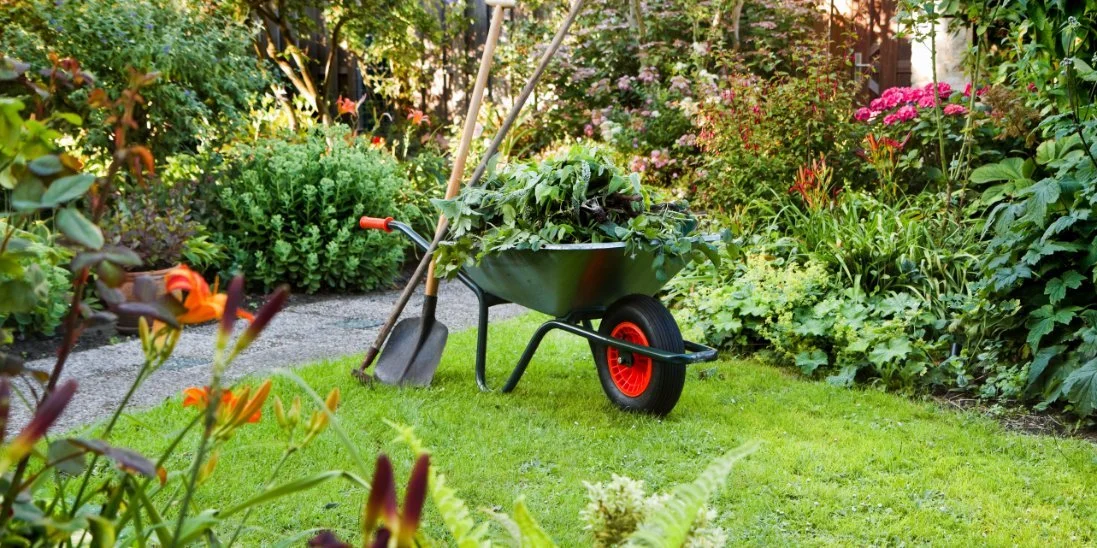
How Routine Yard Care Can Prevent Costly Damage
The damages that occur in your yard can be some of the costliest you experience. But routine yard care can help you prevent some of these damages.
A tidy yard does more than make your home look welcoming after a long workweek. Regular yard care can protect your roof, siding, foundation, driveway, fencing, and outdoor equipment from problems that grow more expensive with time. For working moms with already packed schedules, a simple maintenance routine can prevent stressful surprises and eliminate the need for marathon cleanup weekends. The goal doesn’t involve creating a perfect landscape but keeping small outdoor problems from becoming major household repairs.
The easiest approach treats yard maintenance much like organizing a busy home. Give common tasks a regular place on the calendar, focus on the areas that create the greatest risk, and handle manageable problems before they multiply. You can divide larger jobs into short seasonal tasks instead of trying to tackle the entire property in one weekend. This system makes your outdoor space easier to maintain while protecting the investment you have made in your home. Explore how routine yard care can prevent costly damage that takes a fun family weekend and turns it into a grumbling chore.
Keep Trees From Becoming a Household Hazard
Mature trees provide shade, privacy, and plenty of character, but neglected branches can threaten your home. Look for dead limbs, cracked branches, leaning trunks, exposed roots, or branches that hang directly over the roof. Limbs that repeatedly scrape shingles or siding can cause damage even when the weather remains relatively calm. Regular visual checks help you recognize changes before a falling branch creates an emergency.
Pay extra attention to trees before seasons that typically bring severe weather to your area. The reality that high winds create emergency storm damage risks makes weak or damaged trees especially important to address before a storm arrives. Homeowners can manage small pruning jobs from the ground when they have appropriate tools, but large branches and questionable trees deserve professional attention. Never climb a damaged tree or work near utility lines because those situations require specialized training and equipment.
Direct Water Away From the House
Water can create expensive problems when your yard repeatedly directs it toward your home instead of away from it. After a heavy rain, walk around the property and look for standing water near the foundation, patio, driveway, or other structures. Persistent puddles may indicate poor drainage, compacted soil, clogged drainage channels, or low areas that need attention. Addressing those patterns early can reduce moisture problems and protect landscaping from excessive saturation.
Keep leaves, mulch, soil, and other debris away from drainage openings so that water has somewhere to go. Check downspout outlets as part of your yard routine and make sure they send water away from the foundation. Avoid piling mulch against the house simply because a thick layer looks neat around planting beds. A clean border around the foundation also makes it easier to notice moisture, pests, cracks, or other changes.
Manage Leaves Before They Create Bigger Jobs
A few fallen leaves rarely create trouble, but thick layers can trap moisture against grass, patios, decks, and walkways. Wet leaves can also make hard surfaces slippery and clog outdoor drains when rain carries them across the yard. Regular cleanup keeps the workload manageable instead of leaving your family with an exhausting seasonal project. You don’t necessarily need to remove every leaf immediately, especially when appropriate mulching can benefit the lawn.
Create a simple leaf-management routine during the busiest part of autumn. Choose one manageable area at a time, such as the front walkway, patio, lawn, or driveway, rather than approaching the entire property as one giant task. Kids who are old enough can gather lightweight debris or handle other age-appropriate cleanup jobs. Breaking the work into small sections makes the yard easier to manage alongside jobs, school schedules, errands, and family commitments.
Protect Fences and Gates From Small Problems
Fences often receive attention only when something breaks, yet small maintenance checks can extend their useful life. Walk along your fence occasionally and look for loose boards, leaning posts, damaged panels, rusting hardware, or gates that no longer close correctly. Plants and vines can also hold moisture against some fencing materials or hide developing damage. Catching a loose component early usually creates a much simpler project than replacing a collapsed section later.
Keep shrubs and other heavy growth from pressing constantly against the fence. Check gate latches and hinges because frequent family use can loosen hardware over time. Wooden fences may also need cleaning, sealing, staining, or other care depending on the material and local climate. A few minutes of inspection can reveal exactly where you need to focus your next maintenance session.
Build a Quick Yard Inspection Routine
Routine care becomes much easier when you know what to look for each time you step outside. A short monthly walk around the property can reveal many developing problems before they require major repairs. Keep a simple note on your phone so that you can record tasks without trying to remember everything during a busy week. During your walk, check the following areas:
Look for dead or damaged tree branches.
Check fences and gates for loose hardware.
Clear debris from outdoor drains and drainage paths.
Watch for standing water near the house.
Notice cracked or uneven walkways and paving.
Trim plants that crowd siding or outdoor equipment.
Check outdoor furniture and equipment for damage.
Remove debris that could block frequently used paths.
Watch Walkways and Driveways for Changes
Driveways, paths, and patios experience weather, foot traffic, vehicle weight, plant growth, and changing soil conditions throughout the year. Small cracks may expand as water enters them and temperatures change, so keep an eye on areas that begin showing deterioration. Weeds growing through joints can also make an otherwise cared-for outdoor space look neglected surprisingly quickly. Routine cleaning makes cracks, movement, stains, and other problems easier to spot.
Pay particular attention to uneven surfaces along routes your family uses every day. A raised paver or damaged walkway can create a tripping hazard for children, guests, delivery drivers, and anyone rushing out the door. Address manageable issues promptly and contact an appropriate professional when you notice major movement or extensive cracking. Keeping paths clear and stable supports property maintenance and a smoother family routine.
Start with the outdoor areas that sit closest to your home, then gradually expand your routine as time allows. Schedule seasonal tasks, organize supplies, involve family members when appropriate, and call professionals when a project exceeds your abilities. These small habits can reduce surprise repairs while making your yard safer, tidier, and easier to enjoy. Routine yard care can prevent costly damage and ultimately give your family one less source of stress and one more place to feel at home.

Modern Bathroom Hand Basins with Premium Designs
Ever wondered what single element could completely transform your bathroom from ordinary to extraordinary? Have you been scrolling through endless renovation inspiration, dreaming of that perfect blend of style and functionality? What if the secret to achieving that luxurious bathroom aesthetic was simpler than you thought?
Ever wondered what single element could completely transform your bathroom from ordinary to extraordinary? Have you been scrolling through endless renovation inspiration, dreaming of that perfect blend of style and functionality? What if the secret to achieving that luxurious bathroom aesthetic was simpler than you thought?
The humble hand basin has evolved dramatically over the years. No longer just a functional necessity, it's become a genuine design statement that sets the tone for your entire bathroom. Homeowners are increasingly recognising that investing in a premium hand basin isn't just about washing hands—it's about creating an experience, a moment of daily luxury that elevates your morning routine.
In this guide, we'll explore everything you need to know about selecting the perfect modern bathroom hand basins for your home. From popular styles and materials to trending designs for 2024, sizing considerations for compact spaces, and where to find quality options locally—we've got you covered. Whether you're renovating a heritage Fitzroy terrace or fitting out a sleek South Yarra apartment, you'll discover how to match your basin with the right tapware, understand installation requirements, and maintain your investment for years to come.
Why Choose Premium Hand Basin Designs for Your Home?
The Impact of Quality Basins on Bathroom Aesthetics
Your bathroom hand basins is often the first thing guests notice when entering your bathroom. It anchors the space visually and creates an immediate impression. A well-chosen premium basin can turn an average bathroom into something genuinely memorable.
Quality basins feature superior finishes, cleaner lines, and more refined proportions than budget alternatives. These subtle differences add up to create a polished, cohesive look. Plus, premium designs often incorporate innovative features—like concealed overflows or integrated soap dishes—that streamline the overall appearance.
Long-Term Value and Durability
While premium basins require a higher initial investment, they typically offer far better value over time. Quality materials resist staining, chipping, and wear much more effectively than cheaper alternatives. Many homeowners find themselves replacing budget basins within a few years, whereas a premium piece can last decades with proper care.
Popular Types of Modern Hand Basins
Wall-Mounted Basins
Wall-mounted basins are perfect for creating a clean, minimalist aesthetic. They attach directly to the wall, leaving floor space visible beneath. This makes bathrooms feel more spacious and simplifies cleaning—no more awkward manoeuvring around pedestal bases.
Countertop and Vessel Basins
Vessel basins sit atop your vanity bench, creating a striking sculptural effect. They're incredibly versatile, available in everything from classic white ceramic to textured stone. Designers love them for their ability to serve as genuine focal points.
Semi-Recessed Basins
Semi-recessed basins offer a clever compromise between countertop and under-mount styles. Part of the basin sits within the vanity while the rest extends outward. They're ideal for narrower bathrooms where you need maximum bench space without sacrificing basin depth.
Pedestal and Freestanding Basins
For a more traditional or statement-making approach, pedestal basins remain popular. Modern interpretations feature sleeker columns and contemporary shapes. Freestanding versions take this further, with the entire basin and stand forming one unified piece.
Under-Counter Basins
Under-counter basins mount beneath your vanity top, creating seamless surfaces that are easy to clean. They're particularly popular in contemporary homes were streamlined aesthetics reign supreme.
What Are the Best Materials for Bathroom Hand Basins?
Ceramic and Porcelain
Ceramic and porcelain remain the most popular choices for good reason. They're durable, hygienic, and available at various price points. Premium porcelain features denser construction and more refined glazes that resist marks and staining.
Natural Stone
Natural stone basins—think marble, granite, or onyx—bring unmatched luxury to any bathroom. Each piece is unique, with natural variations in veining and colour. They do require more careful maintenance but reward you with timeless beauty.
Solid Surface and Composite Materials
Materials like Corian and various composites offer excellent versatility. They can be moulded into virtually any shape and repaired if damaged. Many features integrated antibacterial properties, making them particularly hygienic.
Glass and Concrete Options

For something truly distinctive, glass basins create stunning visual effects, especially when paired with creative lighting. Concrete basins, meanwhile, suit industrial or minimalist spaces perfectly—they're tough, unique, and increasingly popular in inner suburbs.
How Do I Choose the Right Size Hand Basin for a Small Bathroom?
Small bathrooms present unique challenges, but the right basin choice can make all the difference. Start by measuring your available space carefully, including clearances for doors and movement.
Compact wall-mounted basins work brilliantly in tight spaces, typically ranging from 400mm to 500mm wide. Corner basins maximise awkward spaces that might otherwise go unused. Semi-recessed options let you have a generous basin without the vanity protruding too far into the room.
Consider depth as well as width. A deeper basin prevents splashing even in compact dimensions. Many suppliers now offer specifically designed compact ranges that don't compromise on style or functionality.
Trending Hand Basin Designs for 2026
Minimalist and Scandinavian Styles
Clean lines, neutral palettes, and understated elegance continue dominating bathrooms. Think soft curves, matte white finishes, and uncluttered designs. These basins complement virtually any bathroom style while creating calm, spa-like atmospheres.
Curved and Organic Shapes
Angular designs are giving way to softer, more organic forms. Oval and pill-shaped basins are particularly popular, referencing natural shapes and creating gentler visual energy. These designs feel approachable and contemporary simultaneously.
Matte Black and Coloured Finishes
While white remains classic, coloured basins are making waves. Matte black creates dramatic contrast, while soft pastels—sage green, blush pink, warm grey—add personality without overwhelming. Terrazzo-inspired finishes are also trending for those wanting something truly unique.
Where Can I Buy Quality Bathroom Basins
Offers excellent options for sourcing premium hand basins. Many suppliers also offer design consultations to help you make the right choice.
Specialist bathroom retailers typically stock curated selections from reputable manufacturers. Building design centres, often located in industrial areas, provide broader selections alongside other bathroom components. For unique pieces, consider visiting architectural salvage yards or artisan studios specialising in handcrafted basins.
Online purchasing has expanded options further, though viewing products in person remains valuable for assessing quality and scale.
How Much Does a Premium Bathroom Hand Basin Cost in Australia?
Budget ceramic basins start around $150-300, while mid-range options from quality manufacturers typically fall between $400-800. Premium designer basins range from $800-2000, with luxury natural stone or artisan pieces potentially exceeding $3000.
Remember to factor in tapware, waste fittings, and installation costs when budgeting. A complete basin setup—including quality mixer tap and professional installation—might add $500-1500 to your basin purchase.
Installation Considerations for Homeowners
DIY vs Professional Installation
While wall-mounted basins might seem straightforward, professional installation ensures proper support and waterproofing. Plumbers understand specific building codes and can identify potential issues before they become problems.
DIY installation risks include incorrect mounting heights, inadequate wall support, and improper waste connections. Given basins are used multiple times daily, investing in professional installation protects your premium purchase.
Plumbing Requirements
Consider your existing plumbing locations before selecting a basin style. Moving waste or supply pipes adds significant cost. Wall-mounted basins require in-wall plumbing, while pedestal styles can sometimes hide pipework more easily.
How to Match Your Hand Basin with Bathroom Tapware
Your tapware should complement your basin aesthetically and functionally. Consider spout height and reach—vessel basins require taller tapware, while shallow basins need controlled water flow. Match finishes consistently throughout your bathroom for cohesive design.
Popular tapware finishes include chrome, brushed nickel, matte black, and brushed brass. Ensure your chosen taps align with your basin's tap hole configuration—single-hole, three-hole, or wall-mounted options each suit different basin styles.
Caring for and Maintaining Your Premium Hand Basin
Regular cleaning with non-abrasive products keeps your basin looking pristine. Avoid harsh chemicals that might damage finishes or glazes. Natural stone requires periodic sealing to prevent staining, while glass needs streak-free cleaning solutions.
Address any chips or cracks promptly to prevent water damage. Most quality manufacturers offer repair services or guidance for maintaining their products long-term.
Elevating Your Bathroom with the Perfect Hand Basin
Choosing the right bathroom hand basins transforms your bathroom from purely functional to genuinely beautiful. We've explored the many options available to homeowners—from wall-mounted minimalism to statement stone vessels—and the materials, sizes, and styles that might suit your space.
The perfect basin balances aesthetics, functionality, and practicality. Consider your bathroom's size, your design preferences, and your daily needs when making your selection. Don't forget that quality installation and appropriate tapware choices complete the picture.
Your bathroom deserves more than an afterthought basin. Take time to visit local showrooms, feel different materials, and imagine each option in your space. The right premium hand basin will reward you with daily moments of luxury—and that's something truly worthwhile investing in.