

A resource for those seeking information on organizing and transforming spaces.

Tips for Maintaining the More Out‑of‑the‑Way Areas of Your Home
Every home has areas that rarely get attention, such as the spaces that sit behind your large appliances, that are above eye level, require you to climb into unconventional areas, or that are tucked into corners you only notice when something goes wrong. These out‑of‑the‑way places often collect dust, moisture, pests, and debris long before homeowners realize there’s an issue. While routine cleaning keeps visible surfaces looking good, deep cleaning and ongoing maintenance of hidden areas also play a major role in protecting your home.

Every home has areas that rarely get attention, such as the spaces that sit behind your large appliances, that are above eye level, require you to climb into unconventional areas, or that are tucked into corners you only notice when something goes wrong. These out‑of‑the‑way places often collect dust, moisture, pests, and debris long before homeowners realize there’s an issue. While routine cleaning keeps visible surfaces looking good, deep cleaning and ongoing maintenance of hidden areas also play a major role in protecting your home.
Water Heater and Mechanical Area Maintenance
Mechanical areas such as water heater closets, furnace rooms, and utility spaces are often overlooked because they’re not part of everyday living spaces. However, these areas accumulate dust, lint, and moisture quickly, especially in tight or poorly ventilated corners. Regular cleaning around mechanical equipment helps prevent corrosion, improves airflow, and reduces fire hazards.
Deep cleaning this area includes removing debris from the floor, wiping down accessible surfaces, and ensuring the space remains dry. Moisture around a water heater can indicate a slow leak or condensation issue, both of which can lead to mold or structural damage if ignored. Ongoing maintenance involves checking for rust, inspecting connections, and keeping the area free from stored items that restrict ventilation. A clean, well‑maintained mechanical area helps your equipment operate safely and efficiently.
Narrow Gaps, Tracks, and Channels
Some of the most stubborn buildup occurs in narrow spaces that are easy to forget but hard to clean. Window tracks and door rails collect dirt, pollen, and moisture that can affect smooth operation and contribute to mold growth. These areas often require a deep clean using narrow brushes, cotton swabs, or vacuum attachments designed for tight spaces.
Baseboards and trim edges also accumulate dust quickly, especially in corners or behind furniture. Regular dusting helps, but deep cleaning with a damp cloth or gentle cleaner removes the grime that settles over time. Cabinet gaps and between‑appliance spaces are notorious for trapping crumbs, pet hair, and debris. These areas benefit from periodic deep cleaning using crevice tools or flexible dusters. Maintaining these small but important features helps preserve the appearance and function of your home’s interior.
Crawl Space Cleaning and Moisture Control
The crawl space is one of the most out‑of‑the‑way areas in any home, and it often goes years without attention. Because it is dark, enclosed, and difficult to access, it becomes a collection point for debris, pests, and moisture. Deep cleaning involves removing old insulation, organic material, and contaminants that affect air quality and structural health.
Once cleaned, crawl space waterproofing becomes essential for long‑term maintenance. Vapor barriers, drainage systems, and sealing techniques help prevent moisture from entering the space. Moisture in the crawl space can lead to mold, wood rot, and humidity migration into the living areas above. Waterproofing, something that can be done with the help of professionals like Josh Lowe's Dr. Energy Saver, protects the home’s foundation, improves indoor air quality, and reduces energy loss.
Ongoing crawl space maintenance includes monitoring humidity levels, checking for leaks, and ensuring the waterproofing system remains intact. A well‑maintained crawl space supports a healthier, more efficient home.
Attics and Insulation Surfaces
Attics are another area that homeowners rarely see, but that requires periodic deep cleaning and maintenance. Dust, insulation fibers, general debris from what you store, the age of your attic, and pest debris accumulate in attic corners and along insulation surfaces. Over time, this buildup can affect indoor air quality and reduce insulation performance.
Deep cleaning includes removing debris, vacuuming accessible surfaces, and checking for signs of pests or moisture. Maintaining the attic involves inspecting insulation for settling or damage, ensuring ventilation pathways remain open, and monitoring for roof leaks or condensation. Proper care of attic corners and insulation surfaces helps protect the home’s energy efficiency and structural integrity. A clean, well‑maintained attic also reduces the risk of mold growth and improves the overall comfort of your home.
Dryer Vent Cleaning and Maintenance
Dryer vents are one of the most important yet overlooked areas that require a deep cleaning. Lint accumulates not only in the lint trap but also in the vent line. This buildup restricts airflow, reduces dryer efficiency, and significantly increases fire risk.
A thorough dryer vent cleaning involves clearing the entire vent pathway, including elbows, long runs, and the exterior exit point. Regular dryer vent maintenance ensures safe operation and prevents lint from accumulating again. Homeowners should watch for warning signs such as longer drying times, excessive heat, or a burning smell. In many cases, especially when the vent line is long or difficult to access, professional cleaning is necessary to ensure the system is fully cleared.
Deep cleaning and maintaining the out‑of‑the‑way areas of your home is essential for long‑term comfort, safety, and efficiency. These hidden spaces influence everything from air quality to energy use, yet they are often the first to be forgotten. By understanding the importance of deep cleaning hidden areas and committing to regular maintenance, homeowners can prevent costly repairs, extend the life of their home’s systems, and create a healthier living environment. Proactive care ensures that even the most overlooked corners of the home remain clean, functional, and protected.

What to Expect With a Professional Heating Installation
A professional heating installation goes a long way towards keeping your home warm and comfortable. When done correctly, it ensures reliable performance, lower utility costs, and a system that lasts for years. That’s why it’s important that homeowners have an idea of what they’re getting into when they start looking to have a heater or furnace either replaced or newly installed in their home. Below is a walkthrough of what to expect when getting a heating element installed from start to finish.
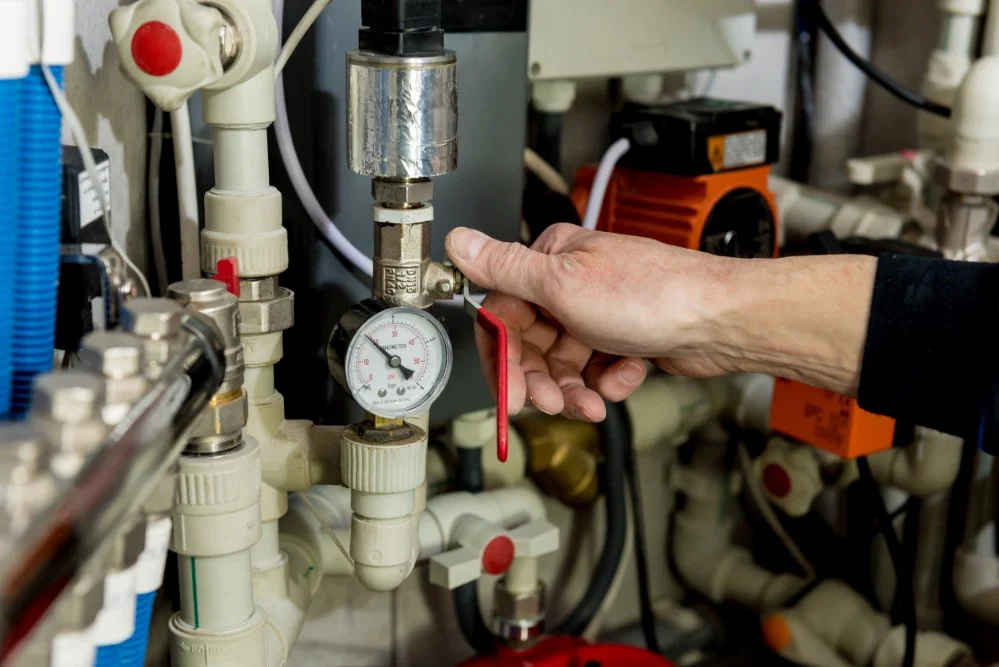
A professional heating installation goes a long way towards keeping your home warm and comfortable. When done correctly, it ensures reliable performance, lower utility costs, and a system that lasts for years. That’s why it’s important that homeowners have an idea of what they’re getting into when they start looking to have a heater or furnace either replaced or newly installed in their home. Below is a walkthrough of what to expect when getting a heating element installed from start to finish.
The Importance of Professional Installation
A good professional heating installation involves far more than placing a new furnace or heat pump in your home. Licensed HVAC technicians, such as those from BJ Heating & Cooling, follow strict safety standards and protocols to ensure your system operates correctly. Proper installation directly affects everything from system performance to energy efficiency, as well as your equipment’s lifespan. Homeowners who choose professional service benefit from more accurate sizing and safe connections, as well as the long‑term reliability that DIY or low‑cost shortcuts simply can’t match.
Initial Consultation and Home Assessment
The heating installation process begins with an in‑home consultation. During this visit, the technician performs a detailed evaluation to figure out your home’s heating needs. They assess things like square footage, insulation levels, window quality, ductwork condition, and the performance of any existing equipment. This information is essential for determining the correct system size.
A key part of this assessment is the load calculation. Using industry‑standard methods such as Manual J, the technician calculates the precise heating capacity your home requires. Oversized systems waste energy and cycle on and off too frequently, while undersized systems struggle to keep up on cold days. Accurate sizing ensures consistent comfort and efficient operation.
Based on the evaluation, the technician provides system recommendations tailored to your home and budget. They explain the differences between models, efficiency ratings, and features so you can make an informed decision. They can also provide transparent pricing, outlining what is included in the installation and avoiding vague or incomplete estimates.
Preparing the Home for Installation
Before the new system is installed, the team prepares the workspace to ensure safety and efficiency. If you have an older furnace or heat pump, the technicians handle the removal of the old system. They disconnect electrical wiring, gas lines, and ductwork, then remove the equipment safely and dispose of it according to environmental guidelines.
Next, the team inspects your ductwork. A ductwork inspection identifies any issues that could reduce the performance of your new system. Addressing these problems before installation ensures proper airflow and efficiency.
Professional installers also manage all code compliance requirements. They obtain necessary permits, schedule inspections, and ensure every part of the installation meets local building and safety standards.
The Installation Process
Once preparation is complete, the installation begins. The new equipment is positioned carefully to ensure proper clearance, ventilation, and accessibility for future maintenance. This equipment placement step is essential for safe operation and long‑term performance.
Technicians then complete the electrical and gas connections. These connections must be handled by licensed professionals to ensure safety and compliance with local codes. Proper wiring and gas line installation prevent hazards and ensure the system operates as designed.
Ventilation is another critical component. The team installs or adjusts the venting and flue system to ensure safe removal of combustion gases. Incorrect venting can lead to carbon monoxide risks, so this step is handled with precision.
If needed, the technicians make duct adjustments to improve airflow. This may include sealing leaks, resizing ducts, or modifying connections to support the new equipment.
The installation also includes thermostat setup. Whether you choose a standard programmable thermostat or a smart model, the technician ensures it is wired correctly and calibrated for accurate temperature control.
Before the installation is considered complete, the team performs a series of quality checks. These include verifying electrical connections, checking gas pressure, confirming proper airflow, and ensuring the system meets manufacturer specifications.
System Testing and Performance Verification
After installation, the technician conducts startup testing to ensure the system ignites safely and operates smoothly. They check fuel delivery, ignition timing, and temperature rise to confirm everything is functioning correctly.
Next, they perform airflow balancing. This involves adjusting registers and dampers to ensure even heating throughout the home. Proper balancing prevents hot and cold spots and improves overall comfort.
The technician also verifies the system’s efficiency. Through efficiency testing, they confirm the equipment is performing at its rated AFUE or heat pump efficiency level. Noise and vibration checks ensure the system runs quietly and without unnecessary strain.
Homeowner Walkthrough and Education
Once testing is complete, the technician provides a detailed system overview. They explain how the equipment works, what each component does, and how to operate it safely.
You also receive thermostat training. This includes programming schedules, adjusting settings, and using smart features to maximize comfort and efficiency.
The technician outlines maintenance expectations such as filter changes, annual tune‑ups, and signs that may indicate a problem. Proper maintenance protects your investment and ensures long‑term reliability.
Finally, they review warranty information and provide all necessary documentation, including manuals, inspection reports, and maintenance logs.
Safety, Compliance, and Long‑Term Reliability
Professional installation ensures full code adherence and reduces safety risks. Proper venting, sealed combustion, and correct gas connections protect your home from carbon monoxide and other hazards. These combustion safety measures are essential for any heating system.
Correct installation also improves system longevity. When equipment is installed according to the manufacturer specifications, it experiences less strain and fewer breakdowns. This leads to lower repair costs and a longer service life.
Energy efficiency is another major benefit. A properly installed system delivers optimal efficiency, reducing utility bills and improving comfort.
After‑Installation Support
Reputable HVAC companies provide ongoing support after installation. This may include follow‑up visits to verify performance or make adjustments. Many homeowners choose to enroll in maintenance plans to ensure regular tune‑ups and priority service. If issues arise, professional companies offer emergency support and responsive customer service to keep your home comfortable year‑round.
A professional heating installation provides long‑term comfort and efficiency for you and your family. With expert sizing, careful preparation, precise installation, and thorough testing, homeowners gain peace of mind knowing their system is built to perform. Choosing trained, certified technicians ensures your investment delivers reliable warmth and energy savings for years to come.

The Digital Tools Powering Modern Field Services
In today’s fast-paced market, field service teams face rising customer demands and tighter margins. Manual processes and paper forms no longer support the speed and accuracy needed to stay competitive. By integrating robust CRM softwarewith digital field service solutions, companies can bridge the gap by transforming scheduling, communication, and customer data management into seamless workflows.

In today’s fast-paced market, field service teams face rising customer demands and tighter margins. Manual processes and paper forms no longer support the speed and accuracy needed to stay competitive. By integrating robust CRM software with digital field service solutions, companies can bridge the gap by transforming scheduling, communication, and customer data management into seamless workflows.
In this article, you’ll learn how to leverage field service solutions to:
• Automate scheduling and dispatch to reduce drive time and boost first-time fix rates
• Empower customers with self-service portals and proactive alerts
• Track inventory and assets in real time, avoiding return trips
• Equip technicians with mobile apps for offline access and instant reporting
• Streamline billing and accelerate cash flow with automated invoicing
• Leverage analytics to monitor key performance metrics and drive continuous improvement
• Adopt specialized solutions for landscaping and pest control
• Prepare for emerging technologies such as AR, AI, and IoT
Next, we explore digital transformation in field service, evaluate key field service solutions, and review the core technologies driving this shift.
Understanding Digital Transformation in Field Service
Digital transformation in field service means replacing manual and paper-based workflows with integrated field service solutions or field service management software. This shift automates tasks such as scheduling, dispatching, and real-time tracking. It also enables streamlined customer communications through automated reminders and portals.
What Is Digital Transformation?
Digital transformation uses technology to connect back-office systems, mobile workforce tools, and customer data. Integrations between field service management (FSM) solutions, CRM systems, and ERP systems maintain consistent information and minimize data errors.
Key Benefits
Efficiency Gains
Automated scheduling and real-time monitoring can improve technician utilization by up to 50% and cut service delays by 30%.
Competitive Advantage
Data analytics and AI help optimize routes and resource allocation, lowering operational costs and boosting profitability.
Scalability
Scalable field service solutions enable businesses to add technicians, expand service areas, and incorporate new features without disrupting their workflows.
Customer Satisfaction
Self-service portals and live status updates build trust and improve transparency. Automated appointment reminders reduce no-shows and keep schedules on track.
Core Digital Tools Powering Field Service Operations
Modern field service providers rely on a suite of field service solutions and digital tools to streamline operations, boost productivity, and improve customer satisfaction.
Customer Self-Service Portals
• Schedule or reschedule appointments online
• View service history and invoices
• Track technician arrival windows
A well-designed portal reduces inbound calls and empowers customers to get instant updates. Integration with backend systems ensures that information stays accurate across all channels.
Intelligent Scheduling & Dispatch
• Route optimization based on traffic and skills
• Automated assignment rules tied to certifications or regions
• Real-time updates when jobs change
These features drive higher first-time fix rates and minimize drive time. Dispatchers gain visibility into technician status through intuitive dashboards.
Real-Time Inventory Management
• Automatic stock level alerts
• Integrated parts catalog with mobile lookup
• Synchronization between warehouse and vehicle inventory
By tracking parts in real time, companies reduce overstock and ensure technicians arrive prepared.
Mobile Workforce Empowerment
• Access job details, customer history, and manuals offline
• In-app time tracking and digital signature capture
• Photo and video uploads for issue verification
Mobile tools knit together office and field teams. Technicians stay informed and can report status instantly.
Automated Billing & Invoicing
• Auto-generation of invoices upon job completion
• Digital payment links embedded in notifications
• Integration with accounting or ERP systems
This streamlines revenue recognition and cuts error-prone data entry.
Customer Communication Tools
• SMS and email alerts for appointment reminders
• Two-way messaging to confirm details
• In-app chat or chatbot support
Consistent, timely updates keep customers informed and free up staff time.
Performance Analytics
• Technician utilization and first-time fix rates
• Average job durations and travel times
• Customer satisfaction scores and feedback trends
By monitoring key performance indicators, managers can identify training needs, refine processes, and optimize resource allocation.
Integrating Specialized Software for Landscaping and Pest Control
Specialized field service solutions and business software for landscaping and pest control address needs in plant design, chemical management, and regulatory compliance. By combining design, scheduling, and mobile dispatch, these tools improve accuracy, client communication, and ROI. Additionally, modern landscape software enables teams to generate digital designs, overlay GIS data, and collaborate with clients in real time.
Key Features of Landscaping Software
• Plant Database & Site Design
– Access plant libraries with filters for growth habits, water use, and climate
– Integrate GIS data to overlay designs on real-world topography and soil maps
– Import hand sketches via digital tools to refine conceptual layouts
• Visual Rendering & Analysis
– Generate photorealistic previews with Twinmotion, Lumion, or D5 Render
– Use AutoTURN integration to test vehicle paths for safe, code-compliant plans
– Leverage motion-sensor measurements for exact site dimensions, ensuring safety standards for both equipment and clothing used in the field
Key Features of Pest Control Software
• Automated appointment scheduling with customer reminders
• Chemical inventory tracking and batch labeling for safety and compliance
• Treatment plan templates and history logs for each client
• Route optimization to maximize technician time and fuel efficiency
• Offline mobile access to service records and payment processing
Comparing with General Field Service Solutions
Specialized software delivers industry-specific modules beyond core FSM features. Landscaping tools blend CAD design and plant data, while pest control platforms focus on chemical workflows and regulatory reporting. This focus can cut revisions, speed job costing, and raise first-time fix rates compared to general field service solutions.
Choosing the Right Field Service Provider
• Modular architecture lets teams pick needed features like CRM, scheduling, or reporting
• Mobile app support with offline access ensures uninterrupted work
• Scalability to add users and modules without disrupting operations
• Responsive vendor support and training streamlines onboarding and reduces downtime
• Integration APIs link to existing ERP or accounting systems for data consistency
By selecting a specialized platform, landscaping and pest control businesses can tackle sector challenges, streamline workflows, and boost profitability.
Emerging Technologies Shaping the Future of Field Service
New technologies extend core FSM capabilities to drive faster resolutions and greener operations. From live remote guidance to predictive diagnostics, these tools help teams adapt and innovate. By integrating energy-efficient asset management and low-emission routing, field service providers play a critical role in the maintenance and optimization of sustainable homes for environmentally conscious clients
AR/VR Remote Assistance
Augmented reality overlays diagrams and step-by-step instructions in a technician’s view. Remote experts guide on-site staff via AR annotations, cutting travel for specialists. Virtual reality simulations train teams for complex repairs before dispatch. Integration with field service platforms ensures documentation sync.
AI-Driven Image Recognition
Machine learning analyzes photos to spot equipment faults, turf diseases, or pest infestations. Fast on-device inference speeds diagnoses and suggests fixes. Mobile app integration streamlines inspection reports and automates recordkeeping. Insights feed proactive maintenance workflows.
IoT-Powered Predictive Maintenance
Sensors on mowers, sprayers, and other assets record metrics such as temperature and vibration. Analytics detect anomalies and issue maintenance alerts before failures occur. Predictive care reduces downtime and extends equipment life. Remote dashboards offer full asset visibility.
Sustainability & Carbon Tracking
Route optimization calculates low-emission paths that balance time and fuel efficiency. Carbon-tracking modules log fleet emissions and manage offset credits. Monitoring emissions trends drives continuous improvement. These features support sustainability targets and appeal to eco-conscious clients.
Best Practices for Implementing Field Service Software
Rolling out field service software requires strategic planning and stakeholder buy-in. By following proven practices in team leadership, KPI measurement, staff training, and vendor selection, you can unlock efficiency gains and boost customer satisfaction.
Assigning Digital Champions
• Advocate for the new platform across teams
• Bridge communication between IT and field staff
• Gather feedback for continuous improvement
Measuring KPIs & Analytics
Manual processes cost small businesses $600 billion annually and consume nearly 5% of administrative time. Tracking the right metrics shows the impact of automation.
• First-time fix rate, boosted by real-time communication and live inventory
• Technician utilization and drive-time reduction
• Customer satisfaction via automated notifications and e-signature rates Use dashboards to monitor these indicators and refine workflows.
Training & Workforce Empowerment
Leading vendors deliver professional services, gold-level support, regional training, and webinars to keep teams up to date. Offer structured training that includes:
• Hands-on mobile app exercises
• Role-specific workflows for landscaping and pest control tasks, including outdoor safety essentials like hydration, protective gear, and mineral sunscreen
• Ongoing support through help desks and user forums
Partnering with Field Service Providers
Choose a vendor that unifies scheduling, dispatching, inventory, and customer portals in a single workflow. Look for:
• Integration APIs that connect to ERP or accounting systems
• Professional services and gold-level support options
• Proven expertise in landscaping and pest control
By partnering with trusted field service providers, you reduce manual errors, save time, and align the solution with your operational needs.
Conclusion
Modern field service teams face higher customer expectations and tighter budgets. By adopting digital field service solutions, from intelligent scheduling and mobile apps to specialized landscaping and pest control software, you can streamline workflows, cut costs, and boost first-time fix rates.
Emerging technologies like AR guidance, AI image recognition, and IoT-based predictive maintenance will further sharpen your competitive edge. Implementing these solutions requires clear goals, strong leadership, and ongoing training.
Key takeaways:
• Automate scheduling and dispatch with field service solutions to reduce drive time and improve utilization
• Empower customers with self-service portals and proactive alerts
• Track inventory and assets in real time to avoid return trips
• Equip technicians with mobile access, offline support, and instant reporting
• Accelerate cash flow through automated billing and invoicing
• Leverage analytics to monitor KPIs and drive continuous improvement
• Adopt specialized modules for landscaping and pest control
• Prepare for AR, AI, IoT, and sustainability features to stay ahead
Step into the future of field service solutions and transform every customer interaction into a success story.
Ellie Williams
Ellie Williams studied at Miami State University and majored in Marketing with a minor in creative writing. She enjoys doing freelance writing on general business, wellness, and lifestyle tips. During her free time, she enjoys catching up with friends and family or attending local events.

How to Protect Your Home From Water Damage Without Creating More Clutter
Water damage is one of the most common problems homeowners face. A small leak can turn into a major issue if left unnoticed. Many owners try to be proactive by having the necessary supplies on hand in case a problem arises, but this can lead to crowded spaces. A better way to prepare is to focus on small, consistent habits and efficient solutions that protect your home without filling it with clutter.
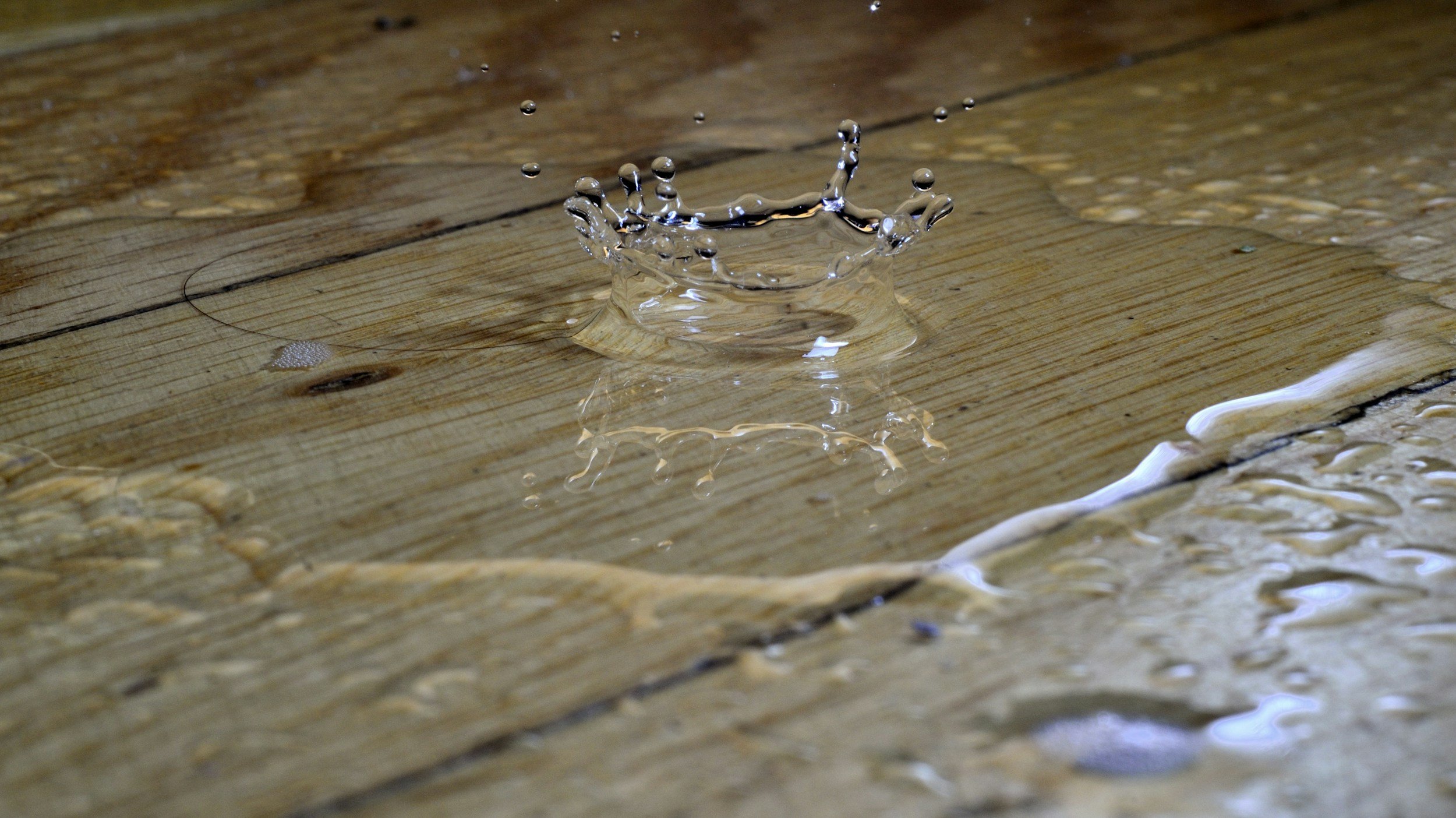
Water damage is one of the most common problems homeowners face. A small leak can turn into a major issue if left unnoticed. Many owners try to be proactive by having the necessary supplies on hand in case a problem arises, but this can lead to crowded spaces. A better way to prepare is to focus on small, consistent habits and efficient solutions that protect your home without filling it with clutter.
Start With Regular Inspections
Routine checks are one of the easiest ways to prevent water damage in your home. It only takes a few minutes and doesn’t require any extra tools or storage space. Walk through your home every few weeks and search for early signs of trouble. This can be water stains, peeling paint, or musty smells. Pay close attention to areas around sinks, appliances, and near windows. They’re often the first places where signs of water damage appear.
Focus on Key Problem Areas
Some parts of the home are more likely to develop water issues than others. For instance, bathrooms, kitchens, basements, and laundry room are more susceptible to show signs of water damage. Pay extra attention when inspecting or passing through these areas.
Check for loose connection or small drips. One minor leak can lead to major damage if left alone. Ensure that the fittings are tight and replace any parts that appear to be worn down or damaged. Keeping these items in good condition will reduce the need for costly emergency fixes down the line.
Use Built-In Storage for Supplies
Basic supplies are useful to have on hand when owning and maintaining a home. To avoid clutter and disorganized storage, store items like buckets, tape, and towels in cabinets or closets that already exist within the home. Chose multi-purpose items whenever possible. Invest in shelving, labeling, and bins as well. Taking these preemptive steps will not only keep the space clean but allow homeowners to react quickly when problems arise.
Install Simple Water Detection Tools
Technology is a great tool for preventing water damage without taking up too much space in the home. Sensors are a great example of this. Most of them are compact, easy to install, and don’t require constant maintenance. They can be placed near appliances, pipes, or areas of concern. If moisture is detected, these sensors will go off and alert the home. It’s a great choice for busy or large households.
Maintain Gutters and Drainage
Outdoor maintenance plays a key role in protecting homes from potential water damage. A home with proper drainage has a reduced risk of leaks and structural issues. Gutters and downspouts help direct water away from your foundation. If they become clogged, water can collect and cause damage.
To prevent issues from arising, it’s important to routinely clean gutters. In addition, make sure that water is flowing away from the home and not towards it. Downspouts should extend far enough to keep water from pooling near the base of the home.
Control Moisture Levels Indoors
Excess moisture inside the home can also lead to long-term damage. Bathrooms and kitchen are typical sources for humidity in the home. For instance, steaming vegetables in the kitchen or a hot shower in the bathroom. To reduce moisture, use exhaust fans during and after. Opening windows when weather allows it can also be beneficial.
If humidity levels remain unchecked or unresolved, mold growth and damage may incur. Targeted mold removal solutions can address affected areas without adding extra clutter to your home.
Keep Emergency Plans Simple
You don’t need large kits or complex systems to be prepared. A clear plan is often the most effective. Know where your main water shut-off valve is located and how to use it. Keep important contact numbers (plumbers and HVAC, for example) in one easy-to-find place. Having this information ready can save you vital time during an emergency.
Preventing water damage in your home doesn’t have to be overwhelmingly complex. You don’t need to use up precious storage or invest in complicated solutions. By regularly inspecting your home, keeping up with basic maintenance and being mindful of humidity and water usage, you can keep your home dry and clutter-free.