

A resource for those seeking information on organizing and transforming spaces.

Maintaining Your Outdoor Oasis All Season Long
An outdoor pool or water feature can turn your backyard into your own private escape, a spot for kicking back and making memories. But keeping that oasis sparkling and healthy means looking after it all year round. From those first warm spring days to the crisp air of autumn, a simple maintenance routine can stop big problems before they start and make sure your water is always ready for you to jump in.
We partnered with a home improvement company for this post. The opinions in the post are honest. All reviews and opinions expressed in this post are based on our personal views. We are excited because we know you will love it.

An outdoor pool or water feature can turn your backyard into your own private escape, a spot for kicking back and making memories. But keeping that oasis sparkling and healthy means looking after it all year round. From those first warm spring days to the crisp air of autumn, a simple maintenance routine can stop big problems before they start and make sure your water is always ready for you to jump in.
Seasonal Cleanup Strategies
Every season brings its own chores for keeping your outdoor features in tip-top shape. In spring, it's all about getting things open. That means taking off the winter cover, clearing out any leaves and gunk that built up, and giving everything a good scrub. You'll also want to check for any damage that might have happened over the colder months.
As summer rolls on, regularly skimming off floating leaves, bugs, and other debris is important. Then, in the fall, you'll do the opposite, getting ready for colder weather by clearing out fallen leaves more often so they don't sink and rot. Taking care of your outdoor water feature is something you do all year, and it really pays off with a beautiful, working space.
Water Chemistry Basics for Clear Water
Keeping your water chemistry balanced is probably the most important part of looking after your pool or fountain. Water that's out of whack won't just look gross; it can also mess up your equipment and irritate your skin and eyes. You'll want to keep an eye on three main things: pH, alkalinity, and sanitizer levels.
pH: This tells you how acidic or basic your water is. Aim for a range of 7.4 to 7.6, which is comfy for swimmers and helps your sanitizer do its job well.
Alkalinity: Think of this as a buffer for your pH. It helps stop those wild swings. Keeping it in the right range makes it way easier to keep your pH stable.
Sanitizer: Chlorine is the usual go-to for killing bacteria and stopping algae. You should check these levels often to make sure they're working effectively.
Testing your water a few times a week with a home kit can help you stay on top of these levels. If balancing chemicals feels like too much or you'd rather let a pro handle it, professional pool services can take care of your water chemistry for you, helping you keep your pool crystal clear without you having to lift a finger.
Essential Equipment Checks
Your pool's circulation system, which includes the pump, filter, and skimmers, works hard to keep the water moving and clean. Regular checks can catch little issues before they turn into pricey repairs. Listen to your pump motor; any new or strange noises could mean trouble. Check the pump and skimmer baskets every week and empty them when needed to keep the water flowing strong.
The filter is like the heart of the system, trapping dirt and debris. Whether you have a sand, cartridge, or diatomaceous earth (DE) filter, it needs to be cleaned every now and then. A pressure gauge on the filter will tell you when it's cleaning time. When the pressure reads 8-10 PSI higher than its normal clean level, it's time to backwash or clean the filter media.
Handling Common Issues
Even if you're diligent with maintenance, you might still run into problems like cloudy water or algae. Cloudy water often means your filter isn't working right or your chemicals are off. First, test the water and make sure your filter is clean and running properly. Sometimes, a water clarifier can help tiny particles stick together so the filter can catch them.
Algae blooms can turn your water green overnight. This usually happens when sanitizer levels are too low, especially when it's hot and sunny. To fix it, you'll need to scrub the pool surfaces really well, "shock" the water with a big dose of sanitizer, and run the filter constantly until the water clears up.
Winterizing Your Outdoor Features
Properly closing your pool or fountain for winter is crucial to protect it from freezing and getting damaged. When the temperature consistently drops, it's time to winterize. This means lowering the water level below the skimmer line and blowing all the water out of the plumbing lines so pipes don't freeze and crack.
Once the lines are clear, you'll add winterizing chemicals to the water to stop it from turning into a swamp during the off-season. Finally, cover the pool or feature with a strong, well-fitting safety cover. This not only keeps out debris but also prevents accidental falls.
Just a little bit of work each season is all it takes to protect your investment and make sure your outdoor oasis is ready for fun whenever you are.

Decluttering Your Home? It Might Be the Perfect Time to Refresh Your Walls
When you finally tackle that overflowing closet, organize the garage, or clear out years of accumulated clutter, something unexpected usually happens—you begin noticing everything else in the room.
We partnered with a home design company for this post. The opinions in the post are honest. All reviews and opinions expressed in this post are based on our personal views. We are excited because we know you will love it.

When you finally tackle that overflowing closet, organize the garage, or clear out years of accumulated clutter, something unexpected usually happens—you begin noticing everything else in the room.
Freshly organized shelves suddenly make worn paint stand out. Empty corners reveal walls that feel flat or unfinished. A cleaner, more functional room often highlights design elements that no longer match the space you've worked so hard to improve.
For many homeowners, that's the moment when wall finishes become part of the conversation.
Why Walls Matter More Than You Think
Decluttering isn't just about getting rid of unnecessary things. It's about creating a home that feels calmer, lighter, and easier to enjoy.
But even the most organized room can still feel incomplete if the walls don't contribute to that atmosphere.
Modern wallpaper has evolved far beyond the patterns many people still associate with it. Today's collections include natural grasscloth textures, linen-inspired finishes, subtle botanicals, contemporary murals, and refined geometric designs that introduce warmth and visual depth without making a room feel busy.
Instead of adding more visual noise, thoughtfully selected wallpaper creates a quieter, more intentional backdrop that complements a clean, organized interior.
A Smart Time to Update Your Walls
Decluttering naturally creates the ideal opportunity for other home improvements.
Furniture has already been moved. Shelves have been cleared. Rooms are easier to access. If you've been considering wallpaper or another decorative wall finish, this is often the most practical time to complete the project before everything goes back into place.
Rather than limiting yourself to whatever happens to be available locally, it's worth exploringdesigner wallpaper collections that offer a much broader selection of textures, colors, and patterns. Premium wallpaper brands make it easier to match your walls to the atmosphere you're creating—whether that's a peaceful primary bedroom, a welcoming entryway, or a focused home office.
Where Wallpaper Makes the Biggest Difference
Some rooms naturally benefit more than others after a major decluttering project.
Home offices — Once paperwork, cables, and unnecessary furniture are gone, a textured or patterned accent wall helps transform the room into a workspace that feels intentional instead of temporary.
Entryways — Often one of the first areas people organize, entryways are also perfect candidates for wallpaper because even a single feature wall can dramatically improve the first impression of the home.
Primary bedrooms — After simplifying furniture and decor, a calming wallpaper behind the bed adds warmth and depth without overwhelming the room.
If you're looking for a statement wall rather than wallpapering an entire space, premium brands such asMilton & King offer bold botanical, artistic, and large-scale designs that create visual impact while still allowing the room to feel clean, balanced, and uncluttered.
Organization Meets Design
Decluttering improves how a home functions. Updating the walls is often what makes it feel complete.
Once the unnecessary items are gone, every remaining design element becomes more noticeable—including the walls that frame the entire room. Refreshing them with thoughtfully selected wallpaper can introduce texture, warmth, and personality without sacrificing the calm feeling you've worked so hard to create.
Sometimes the biggest transformation isn't buying new furniture or adding more décor—it's simply giving your newly organized space a backdrop that finally feels as intentional as everything else.

How Courier Services in Irvine Protect High-Value and Sensitive Packages
Courier services in Irvine play a critical role when businesses and individuals need to move valuable, confidential, or fragile items without taking unnecessary risks.
We partnered with a transport company for this post. The opinions in the post are honest. All reviews and opinions expressed in this post are based on our personal views. We are excited because we know you will love it.

Courier services in Irvine play a critical role when businesses and individuals need to move valuable, confidential, or fragile items without taking unnecessary risks.
Whether it's medical equipment, legal documents, luxury products, or sensitive electronics, secure delivery requires far more than simply transporting a package from one address to another.
The difference often comes down to careful handling, real-time visibility, trained drivers, and delivery processes designed to minimize every possible point of failure.
If you're comparing different options, it's worth understanding what professional courier services in Irvine do differently and why those extra safeguards matter when the contents of a shipment cannot be replaced easily.
Why High-Value Shipments Need Specialized Handling
Not every package can be treated the same way.
A box of office supplies can usually tolerate a few bumps along the journey, but expensive electronics, medical samples, artwork, legal paperwork, or prototype products often cannot.
Many valuable shipments are damaged long before they reach their destination because they pass through multiple sorting facilities, conveyor belts, trucks, and warehouses.
A dedicated local courier minimizes those transfer points, reducing opportunities for damage, theft, or delays.
For businesses, this level of protection also helps preserve customer trust.
A law firm delivering confidential contracts, for example, cannot afford to have paperworkmisplaced or delayed by several days.
Likewise, a jewelry retailer shipping custom orders expects every package to arrive exactly as it left.
Secure Chain of Custody Makes a Difference
Every Transfer Creates Risk
One of the biggest advantages of professional same-day delivery providers is maintaining a clear chain of custody.
Instead of handing a package between numerous facilities, the shipment often remains with a single driver from pickup to delivery.
That means there are fewer opportunities for loss, confusion, or accidental damage.
Tracking each stage also creates accountability throughout the delivery process.
If questions arise, businesses know exactly where the shipment has been and who handled it.
Signature Confirmation Adds Another Layer
Sensitive deliveries often require proof that the correct recipient accepted the package.
Digital signatures, photo confirmation, identity verification, and delivery timestamps provide documentation that standard shipping methods may not always offer.
This becomes especially valuable for financial institutions, healthcare providers, and legal professionals.
Proper Packaging Is Only Half the Equation
Many people assume that strong packaging alone guarantees safe delivery.
In reality, packaging and transportation work together.
A carefully packed laboratory instrument can still be damaged if it's repeatedly loaded, unloaded, or stacked beneath heavier freight.
Professional local delivery teams understand how different items should be secured inside vehicles.
Fragile equipment stays upright.
Temperature-sensitive materials remain protected.
Delicate products receive additional stabilization during transport.
Even something as simple as preventing excessive vibration during the trip can significantly reduce damage.
Real-Time Tracking Improves Security
Modern logistics relies heavily on visibility.
Knowing where a shipment is at any given moment helps businesses respond quickly if schedules change.
Real-time GPS tracking also provides reassurance for customers waiting on important deliveries.
Imagine an architecture firm sending signed construction permits to a contractor before an inspection.
Instead of wondering whether the documents will arrive on time, the office can monitor progress throughout the route.
That transparency reduces uncertainty for everyone involved.
Time-Sensitive Deliveries Demand Reliability
Delays Can Be More Costly Than Damage
Some shipments lose value simply because they arrive late.
Medical specimens may require strict delivery windows.
Replacement manufacturing parts can stop an entire production line until they arrive.
Legal filings often have court deadlines that cannot be missed.
Fast transportation isn't just about speed.
It's about dependable scheduling backed by experienced route planning.
Professional dispatch teams continuously evaluate traffic, weather conditions, and alternate routes to keep deliveries moving efficiently.
Driver Training Plays a Bigger Role Than Most People Realize
Drivers handling valuable shipments do much more than operate a vehicle.
They learn safe loading techniques, proper handling procedures, customer communication, and delivery verification.
For example, delivering sensitive medical equipment requires different handling practices than transporting architectural blueprints or confidential business records.
Experienced drivers recognize those differences and adjust accordingly.
That attention to detail significantly lowers the chances of mistakes.
Local Knowledge Helps Avoid Unexpected Problems
National shipping networks are excellent for moving packages across long distances.
However, local courier providers often have a better understanding of neighborhood traffic patterns, commercial buildings, restricted access locations, and delivery schedules.
Consider a delivery headed to a busy medical office complex during lunchtime.
An experienced local driver may already know which entrance offers the quickest access or which loading area avoids congestion.
Small details like these improve efficiency while reducing delays.
Industries That Depend on Secure Delivery
Many industries rely on dependable local transportation every day.
Healthcare providers frequently transport medical devices, prescriptions, and laboratory materials.
Law firms move contracts, evidence, and confidential legal documents.
Financial institutions exchange sensitive paperwork requiring secure handling.
Manufacturers ship replacement components needed to prevent production downtime.
Technology companies often send expensive hardware, servers, and prototype equipment that require extra protection.
Even photographers, event planners, and creative agencies regularly transport valuable gear that must arrive safely and on schedule.
Common Mistakes That Put Valuable Packages at Risk
Choosing Price Over Reliability
Selecting the lowest-priced delivery option isn't always the most economical decision.
A delayed prototype, damaged medical device, or lost legal document can cost significantly more than the shipping fee itself.
Ignoring Insurance Options
High-value shipments should have appropriate coverage.
Insurance provides additional financial protection if something unexpected occurs during transit.
Using Generic Packaging
Different products require different packaging methods.
Electronics, artwork, pharmaceuticals, and fragile instruments all benefit from customized protective materials.
Waiting Until the Last Minute
Planning deliveries early gives dispatch teams more flexibility to optimize routes and accommodate special handling requirements.
Last-minute requests can still be completed in many cases, but advanced scheduling often provides additional options.
How Businesses Build Customer Trust Through Better Delivery
Reliable delivery isn't just an operational task.
It's part of the customer experience.
When expensive purchases arrive on time and in perfect condition, customers remember the professionalism behind the transaction.
Imagine ordering a custom engagement ring before an important proposal.
Receiving it exactly when promised builds confidence not only in the courier but also in the retailer.
The same principle applies to businesses delivering medical supplies, confidential documents, or replacement equipment.
Consistent performance strengthens long-term relationships.
Choosing the Right Delivery Partner
Not every courier operates with the same standards.
Look for providers that offer shipment tracking, proof of delivery, experienced drivers, secure handling procedures, flexible scheduling, and responsive customer support.
Ask how fragile items are transported.
Understand their process for signature confirmation.
Learn what happens if weather or traffic creates unexpected delays.
These conversations reveal whether a provider has systems designed for valuable shipments or simply focuses on moving packages as quickly as possible.
Final Thoughts
Protecting valuable shipments requires more than fast transportation.
It involves careful handling, secure custody, experienced drivers, accurate tracking, and dependable communication from pickup through final delivery.
Whether you're sending confidential documents, medical equipment, luxury merchandise, or critical business materials, choosing the right delivery solution helps reduce risk while improving peace of mind.
When security, reliability, and timely service matter most, investing in professional local delivery is often the smartest decision for both businesses and individuals.

What your storage unit says about your decision-making
Storage units can be useful during many changes. You may need one while moving to a new home. It can also help during renovations or downsizing. Some people use storage during long trips. Others need extra space after a major family change. Some move often and need one to coordinate everything. Renting a unit does not mean you planned poorly. In many cases, it is simply a practical choice.
What can your storage unit reveal about your choices?
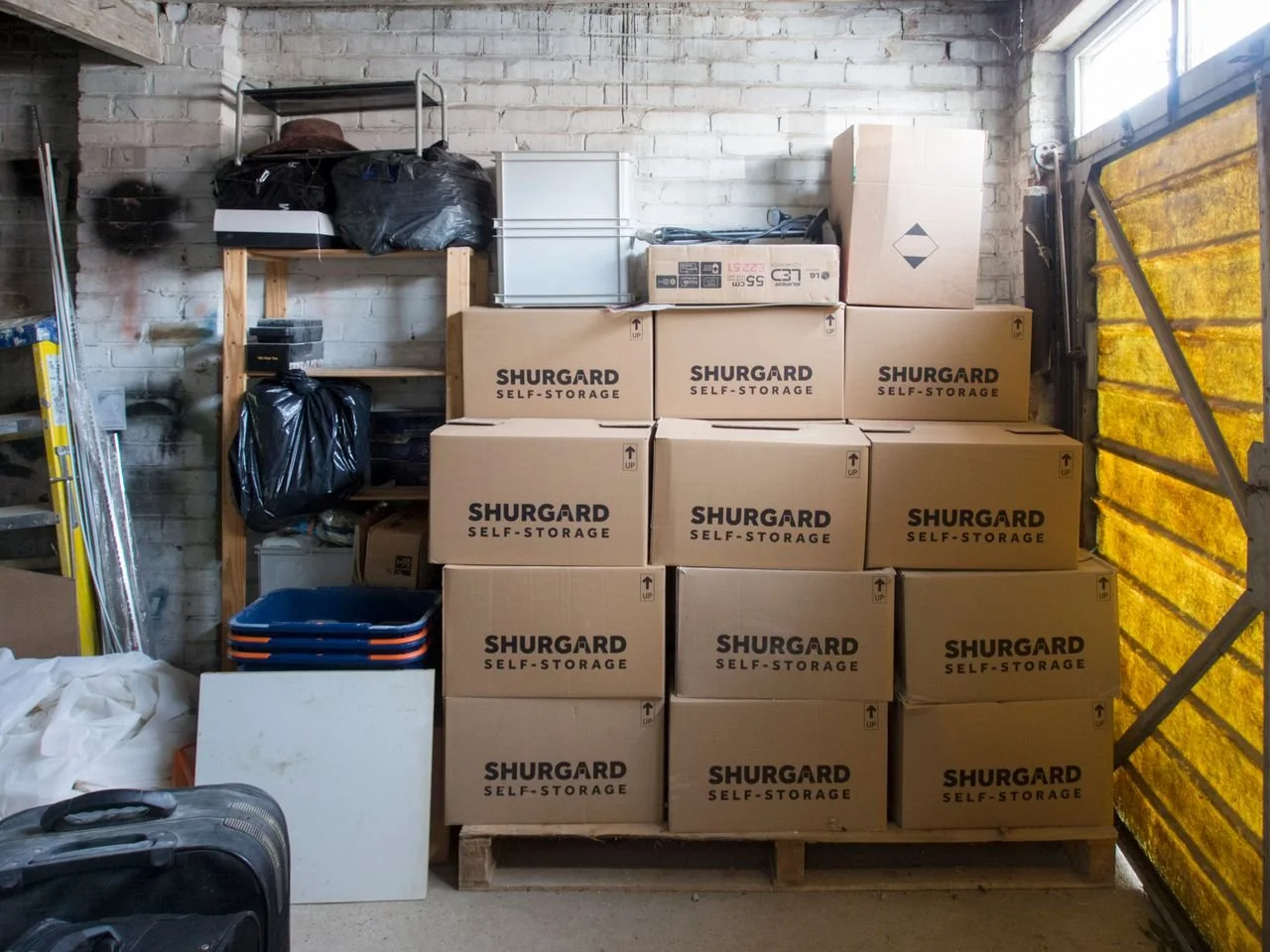
Storage units can be useful during many changes. You may need one while moving to a new home. It can also help during renovations or downsizing. Some people use storage during long trips. Others need extra space after a major family change. Some move often and need one to coordinate everything. Renting a unit does not mean you planned poorly. In many cases, it is simply a practical choice.
Still, the way you use that space may reveal certain habits. It can show how you respond to pressure or uncertainty. It may also highlight decisions you have postponed. Some people rent storage with a clear purpose and end date. Others keep paying because every box requires another choice. Understanding what your storage unit says about your decision-making can reveal useful patterns. The goal is not judgment. It is clarity.
Are you using storage to delay difficult decisions?
Sometimes, storage gives you valuable breathing room. That can help after a rushed move or sudden renovation. It may also help after a death, divorce, or family change. In those moments, you may need time before making permanent choices. There is nothing wrong with that.
However, temporary storage can become permanent without much notice. A few months can turn into several years. Meanwhile, the original reason for storing each item may disappear. Start with a simple question: Why did this item enter storage? Possible reasons include:
You lacked space at the time.
Your family could not agree about it.
You expected to move into a larger home.
Now ask whether that reason still applies. The answer may make your next step much clearer.
Does keeping everything protect you from future regret?
Many people keep belongings because they fear needing them later. A spare table might seem useful someday. Old clothes may feel worth saving. You may also worry about replacement costs. These concerns are understandable. However, possible usefulness is not the same as a realistic plan.
Ask when you last used the item. Then think about when you might use it again. “Next winter” gives you a clear timeline. “Someday” does not. Important items also deserve careful packing before storage. Use sturdy boxes, clear labels, and protective covers. These steps help keep everything safe and accessible.
You should also compare replacement costs with ongoing storage fees. Consider:
Monthly rent
Insurance
Transport
Packing supplies
Your time
Condition is another important factor. Stored items can suffer damage over time. Common risks include:
High temperatures that weaken some materials
Moisture that causes mold or warping
Pests that damage fabrics and boxes
In some cases, replacing an item later costs less.

Are emotional attachments affecting what you store?
Some belongings carry strong personal meaning. A dining table may remind you of a relative. Baby clothes may represent an important family stage. Awards or school papers can mark major achievements. These connections can make decisions feel much harder. Learning how to let go of sentimental clutter can make the process feel more manageable.
First, identify what the object represents. It may connect to:
A person
An event
A past identity
Then ask whether the item still supports that memory. You may not need every object connected with the same experience. Keeping one meaningful piece can sometimes feel more manageable.
You could photograph large items before letting them go. You might also write down the story behind them. These steps preserve the memory without keeping everything. Emotional attachment is normal. It should not be confused with hoarding disorder. That condition involves serious distress and ongoing difficulty discarding possessions. A full storage unit alone does not indicate it.
Does poor labeling make storage decisions harder?
Good decisions depend on knowing what you own. Unlabeled boxes hide useful information. You may forget what sits inside them. You may also lose track of where certain items are stored. As a result, you might buy duplicates or avoid the unit altogether.
A simple inventory can make the space easier to manage. For each container:
Add a number.
Record its main contents.
Include the storage date.
Set a future review date.
Add photographs when descriptions feel vague.
Next, organize your self-storage unit by category. Keep similar items in the same area, including:
Documents
Clothing
Tools
Seasonal decorations
Leave enough space to walk through the unit safely. Frequently used items belong near the entrance. Better visibility does not make decisions for you. However, it removes confusion and saves time.
Can too many choices make sorting more difficult?
A full storage unit can contain hundreds of small decisions. Every item needs some form of action. Having too many choices can feel exhausting during one long visit. After a while, your judgment may become slower. You may also start making choices simply to finish faster.
A smaller plan usually works better. Before entering the unit:
Choose one category.
Set a short time limit.
Prepare clear destinations for each item.
Arrange transport for outgoing belongings.
You might begin with old kitchen supplies. Unused clothing can also be an easier starting point. Thirty minutes may be enough for one focused session.
Some belongings may return to storage. Others may leave the unit. Without transport, outgoing items may end up back inside. Start with low-emotion categories. Save sentimental belongings for another day. Stop when your choices become less consistent.

Can clear storage rules improve your decisions?
Clear rules reduce repeated debates about the same items. Start by defining the unit’s purpose in one sentence. It may support:
An upcoming move
Seasonal equipment
Verified business stock
Once you define that purpose, compare every item against it.
Different categories need different rules:
Furniture should have a confirmed future location.
Valuable belongings need a realistic sales deadline.
Useful items without a clear purpose may be better elsewhere.
Damaged items need a safety review.
Electronics may require approved recycling services.
Sentimental belongings often need more time. Review them during a separate session. This prevents emotional choices from slowing every category. Your rules should also change when your life changes. Review them once each year. A new home, smaller budget, or growing family can affect what deserves storage. A thoughtful layout also matters because storage unit design can shape organization habits.
What should your next storage decision be?
Your storage unit may support a genuine and temporary need. It may also contain belongings that no longer fit your life. Start by reviewing the purpose of the space. Then look for old plans, forgotten purchases, duplicate items, and damaged goods. Unclear labels deserve attention too. Handle emotional belongings separately from ordinary household items. Work in short sessions and use clear rules. Compare each item’s usefulness with its ongoing cost. Understanding what your storage unit says about your decision-making can help you make calmer choices. Begin with one box or one category. Complete that decision before opening another. The goal is not always an empty unit. A well-managed space can still serve you. What matters most is whether the unit supports your current needs.
Meta descriptions: Learn what your storage unit says about your decision-making and create a clearer, calmer plan for what stays, moves, or leaves your space today, now.