

A resource for those seeking information on organizing and transforming spaces.
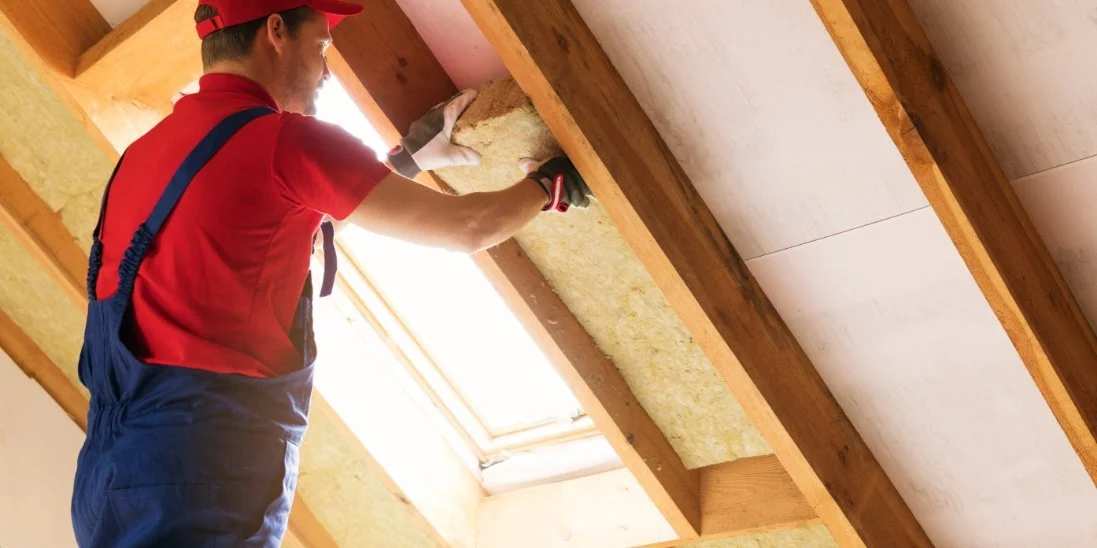
Signs Your Home’s Insulation May Need an Upgrade
Your home may need an upgrade with its insulation capabilities but if you miss the warning signs and red flags, you won’t know when or how to act.
A comfortable home makes busy family life easier, especially when everyone moves between work, school, meals, homework, and bedtime routines. Insulation plays an important role in maintaining that comfort because it keeps outdoor temperatures from affecting indoor spaces as quickly. Older, damaged, or insufficient insulation can make certain rooms uncomfortable and force heating or cooling systems to work harder.
Moreover, learning the common red flags of insulation trouble can help you decide when your home deserves a closer look. Below, we go into greater detail about the various signs your home’s insulation may need an upgrade.
Some Rooms Never Feel Comfortable
One room that always feels warmer or colder than the rest of the house can point to an insulation problem. Bedrooms above garages, finished attics, additions, and rooms along exterior walls may show temperature differences more clearly than central spaces. Poor insulation allows heat to move more easily between indoor and outdoor areas, which can make family comfort inconsistent. Before constantly adjusting the thermostat, pay attention to whether the same rooms cause problems throughout each season.
You can make a simple comparison by walking through the house while the heating or cooling system runs normally. Notice whether certain spaces feel dramatically different even though doors remain open and air can circulate freely. Windows, ductwork, and direct sunlight can also affect room temperatures, so insulation doesn’t always deserve the blame. However, consistent hot or cold spots provide a good reason to investigate the home's thermal barrier.
Energy Bills Keep Creeping Higher
Higher utility bills can signal that your heating and cooling equipment works harder than necessary. When insulation cannot slow heat movement effectively, your HVAC system may run longer to maintain the temperature your family prefers. Compare bills from similar seasons rather than comparing a mild spring month with the middle of winter. A noticeable increase without a major change in household habits can justify checking your insulation and other efficiency concerns.
Start with a little household detective work before assuming you need a major renovation. Look for changes in utility rates, thermostat settings, weather conditions, and appliance use that might explain the difference. If these factors don’t account for the increase, consider asking a qualified professional to evaluate insulation and possible air leaks. Finding the source can help you make a focused improvement instead of spending money on random energy-saving fixes.
Walls and Ceilings Feel Unusually Cold or Hot
Interior surfaces can offer clues about how well your home separates living spaces from outdoor temperatures. Exterior walls that feel noticeably cold during winter or unusually warm during summer may lack enough insulation for local conditions. Ceilings below an attic can show similar temperature differences when insulation has settled, shifted, or never provided adequate coverage. You don’t need special equipment to notice a surface that consistently feels different from nearby interior areas.
Avoid judging the entire home from one wall because sunlight, plumbing, vents, and room layouts can affect surface temperatures. Instead, look for patterns across several rooms and compare exterior surfaces with interior walls. Repeated differences can help you identify areas that deserve professional attention. This approach keeps the process manageable when you already have a packed family schedule.
Drafts Keep Showing Up Around the House
Drafts often make a home feel chilly even when the thermostat shows a comfortable temperature. Air can enter through gaps around windows, doors, attic openings, electrical penetrations, and other small spaces in the home's exterior shell. Insulation and air sealing work together, so fixing one issue without considering the other may leave comfort problems behind. A home energy assessment can identify where unwanted air movement occurs.
You might notice several clues during everyday routines, such as:
Cold air seems to move near exterior walls during winter.
Rooms near the attic or garage feel harder to keep comfortable.
Floors feel noticeably cold in particular parts of the house.
Indoor temperatures change quickly after the HVAC system stops running.
Certain family spaces need portable heaters or fans more often than others.
Furthermore, these signs don’t automatically prove that insulation needs replacement. They simply give you useful information about where the home's comfort problems appear most often. Write down recurring issues for a week or two instead of relying on what you remember during a busy day. A short record can make a future inspection more focused and productive.
Your HVAC System Seems To Run Constantly
Heating and cooling systems naturally cycle throughout the day, especially during very hot or cold weather. However, unusually long or frequent cycles can suggest that conditioned air escapes too quickly or outdoor heat enters too easily. Weak insulation can contribute to this problem because the house struggles to hold the temperature that the HVAC system creates. Frequent operation can also add unnecessary wear to equipment over time.
Several other issues can cause long HVAC cycles, including dirty filters, aging equipment, duct problems, and incorrect thermostat settings. Check simple maintenance items first and follow the manufacturer's recommendations for your system. If the equipment appears healthy but comfort problems continue, insulation may deserve a closer inspection. Looking at the home as one connected system can help you avoid treating symptoms instead of causes.
Older Insulation May No Longer Meet Your Needs
Older homes often contain insulation that reflects building practices from a different era. Previous owners may also have renovated certain areas while leaving attics, walls, crawl spaces, or additions with inconsistent coverage. Insulation can settle or sustain damage over time, and renovations can create new gaps that affect overall performance. An inspection can reveal whether the existing material still suits the home's current layout and your family's comfort needs.
You may encounter several insulation materials while researching an upgrade, which can make the subject feel more complicated than it needs to. Learning the science behind how spray foam insulation works can explain why some products insulate surfaces and reduce air movement through small gaps. Spray foam expands after application, allowing it to fill spaces that might otherwise allow unwanted airflow. A qualified installer can explain whether that option or another insulation type makes sense for a particular part of your home.
You don’t need to become an insulation expert to recognize the signs something is wrong and you may need to upgrade. Watch for uncomfortable rooms, rising energy use, frequent HVAC operation, drafts, attic concerns, and quick indoor temperature changes. Gather a few observations, rule out simple causes, and bring in a qualified professional when the pattern points toward a larger problem. Addressing insulation concerns at the right time can help your family enjoy a more comfortable and manageable home throughout the year.

How Clutter Can Hide Your Home’s Best Features
Don’t let clutter keep your home from feeling cozy and welcoming. Use this guide to begin addressing the common problem areas in your home.
Your home may have beautiful architectural details, generous rooms, and cozy family spaces, yet everyday clutter can quietly pull attention away from them. Busy working moms often manage schedules, school papers, laundry, groceries, and countless household items, so belongings naturally collect in convenient spots. Unfortunately, crowded surfaces and overfilled rooms can make a home feel smaller and less welcoming than it really is. Let’s explore how clutter can hide your home’s best features and a few ways to regain control over your space.
Clutter Changes How You See a Room
Clutter competes for attention because your eyes have more objects to process whenever you enter a room. A beautiful fireplace may disappear behind baskets, toys, decorations, or furniture that slowly gathered around it. Kitchen countertops can look smaller when appliances, mail, lunch supplies, and reusable bottles cover every available section. Clearing unnecessary items gives your eyes somewhere to rest and allows the room’s strongest features to become the focus again.
You don’t need an empty or perfectly styled house to achieve this effect. Instead, decide what deserves attention in each room and reduce the objects that compete with that feature. You might highlight a sunny window in the living room, attractive cabinets in the kitchen, or a comfortable reading corner in a bedroom. This simple organizing strategy helps your home feel intentional without making family spaces feel stiff or unrealistic.
Too Much Stuff Can Make Rooms Feel Smaller
A room often feels cramped when belongings cover the floor, furniture, and other visible surfaces. Extra furniture can create the same problem, especially when a family keeps pieces that no longer serve a clear purpose. Removing a few unnecessary objects can improve walking paths and reveal how much usable space the room actually provides. Better flow also makes mornings, cleanup sessions, and busy evenings easier for everyone in the household.
Start with the areas your family uses most instead of trying to organize the entire house during one exhausting weekend. A focused approach gives you visible progress and makes the project easier to fit around work and family responsibilities. Choose one problem area, finish it, and then move to the next space when your schedule allows. Small organizing sessions can create surprisingly noticeable changes when you tackle the places that collect clutter fastest.
Clear Surfaces Highlight Beautiful Details
Countertops, tables, shelves, and dressers naturally attract objects because they provide convenient landing spots. Over time, those items can cover attractive materials, interesting finishes, or decorative details that originally gave the room personality. Clear most of the surface and leave a few useful or meaningful pieces rather than filling every open section. Your favorite objects will stand out more when they don’t compete with piles of unrelated belongings.
Working moms can make this process easier by giving common items simple homes near the places where family members use them. School papers might go into a designated file, while keys and daily essentials can stay in a small entryway container. A basket can hold toys that children frequently use in the living room without allowing them to spread across the entire space. Easy systems encourage family participation because everyone knows where things belong.
Organization Can Reveal a Home’s Selling Points
Home organization becomes especially useful when you want visitors or potential buyers to notice what makes your property appealing. In fact, organization can increase your home’s value before selling by helping buyers clearly see available space, storage, architectural features, and practical room layouts. Even when you have no immediate plans to move, organizing with that mindset can help you appreciate features that clutter previously covered. You may rediscover generous closets, wide countertops, built-in shelving, or flexible corners that your family can use more effectively.
Pay particular attention to storage areas because packed closets can make available storage look limited. Remove items your family no longer uses, then arrange what remains so that shelves and floors remain partly visible. This approach shows the actual dimensions of the space and makes finding everyday belongings much easier. You gain a more functional home now while also protecting its visual appeal for the future.
Create Simple Systems for Busy Family Life
An organization system only works when your household can realistically maintain it. Complicated categories and picture-perfect storage arrangements may look impressive at first, but they can create more work during a hectic week. Choose broad categories, accessible containers, and convenient storage locations that match your family’s normal routines. The goal should involve reducing stress rather than creating another household standard that requires constant attention.
A few practical habits can prevent everyday belongings from hiding your home’s best features, such as:
Give frequently used items a clear and convenient home.
Keep a basket nearby for belongings that need to return to another room.
Sort incoming mail and school papers before they reach kitchen counters.
Ask family members to spend a few minutes resetting shared spaces each evening.
Donate or discard items when storage areas start becoming difficult to manage.
Make Your Favorite Features the Focus
Once you reduce clutter, decide which details you want each room to showcase. You might arrange seating toward a fireplace, clear decorations away from beautiful built-in shelves, or remove extra items from an attractive kitchen island. This approach gives every space a natural focal point and helps your home feel calmer without requiring expensive renovations. It also encourages you to decorate around features you already love rather than constantly adding more objects.
Remember that a family home should still look and function like a place where real people live. Children need accessible toys, parents need convenient work areas, and everyone needs storage that supports busy routines. Thoughtful decluttering simply creates enough breathing room for those necessities to coexist with the home’s strongest features. When organization supports your family’s habits, keeping rooms comfortable becomes much more manageable.
Clutter often builds gradually, which makes it easy to overlook just how much it changes the appearance and function of your home’s features. Clearing unnecessary belongings can reveal valuable storage, beautiful finishes, better room proportions, and family spaces that feel much easier to enjoy. Start with one visible area, create a simple system, and continue at a pace that works around your responsibilities. With practical home organization and regular decluttering, you can help your home’s best features shine while creating a calmer space for everyday family life.

Overlooked Home Maintenance After Severe Weather
Severe weather can leave hidden problems around your home. Know what to inspect afterward so minor damage doesn't turn into costly repairs over time.
Severe weather can leave behind obvious signs of trouble, from fallen tree limbs to damaged fences and missing shingles. Yet some of the most consequential problems are much easier to miss. Wind, hail, heavy rain, and flying debris can affect parts of a property that homeowners rarely inspect during everyday maintenance. Addressing overlooked home maintenance after severe weather can help prevent relatively minor vulnerabilities from developing into water damage, structural deterioration, mold growth, and costly repairs.
A quick walk around the yard is a useful starting point, but a thorough post-storm assessment should go further. Homeowners need to consider how different parts of the property work together to keep water out, direct runoff away from the foundation, and protect the home's structure. Knowing where less-obvious problems tend to develop makes it easier to catch them while repairs are still manageable.
Look Beyond Obvious Roof Damage
A roof does not have to be missing shingles or visibly leaking to have sustained damage during a storm. Strong winds can loosen roofing materials without completely removing them, while hail can create small impact points that compromise their protective surfaces. Flashing around chimneys, vents, and other penetrations can also shift enough to create opportunities for water intrusion.
Because much of this damage can be difficult to see from ground level, homeowners should pay attention to indirect warning signs as well. New stains on ceilings, damp insulation, musty odors in the attic, or unexplained moisture around upper walls can indicate that the roof is no longer keeping water out effectively.
Understanding how to spot hidden roof damage after a storm can help homeowners recognize problems that may not be immediately visible. Early attention is particularly important because even a relatively small opening can allow repeated rain events to affect decking, insulation, framing, and interior finishes.
Inspect Gutters and Downspouts
Gutters are easy to overlook after a storm unless they have visibly detached from the house. However, heavy rain, hail, wind, and debris can affect how effectively the entire drainage system works.
Leaves, twigs, roofing granules, and other debris may create blockages that cause water to spill over the sides of gutters rather than travel toward the downspouts. Sections can also become slightly bent or pulled away from the fascia, creating improper slopes that allow water to collect.
Downspouts deserve equal attention. Make sure they remain firmly connected and continue directing water away from the foundation. A disconnected or damaged downspout can deposit a large volume of water beside the house during the next heavy rainfall. Over time, excessive moisture around the foundation can contribute to soil movement, basement moisture, and other problems.
Check Siding and Exterior Walls
Wind-driven rain can expose weaknesses in siding and exterior finishes that might otherwise remain unnoticed. Even when siding panels remain attached, they may shift, crack, or separate slightly at seams. Hail and flying debris can create small punctures or fractures that are difficult to see without a closer inspection.
Pay particular attention to corners, areas around windows and doors, and places where different exterior materials meet. These transitions often depend on flashing, sealants, or trim to keep moisture out. Damage to these components can create pathways for water to move behind the visible exterior surface.
Painted and finished surfaces should also be examined for new peeling, bubbling, or cracking. These changes can indicate that moisture has reached areas where it does not belong.
Examine Windows and Doors
Windows and exterior doors may appear unaffected after a storm even when their seals have been compromised. High winds can place substantial pressure on frames, while wind-driven debris may damage glass, screens, weatherstripping, and exterior trim.
Check around window and door frames for gaps, cracks, loose caulk, or signs that components have shifted. From inside the home, look for new water stains, dampness, or discoloration around the openings. Drafts that were not noticeable before the storm can also indicate that seals have been damaged.
Small gaps deserve attention because they can gradually allow both moisture and outside air into the home. What begins as a minor maintenance concern can eventually affect surrounding materials and energy efficiency.
Document Damage Before Making Major Repairs
Photographs and written notes can be useful whenever a storm causes significant property damage. Take clear pictures of affected areas before removing damaged materials or completing substantial repairs, provided it is safe to do so.
Documentation can help homeowners keep track of what changed after the storm, particularly when several parts of the property require attention. It may also be useful when discussing repairs with contractors or communicating with an insurance provider.
This process should not delay emergency work necessary to prevent additional damage. Active water intrusion, broken windows, exposed openings, or other immediate hazards may require temporary protection as soon as possible.
Continue Watching for Delayed Warning Signs
Not every storm-related problem becomes apparent within the first day. Moisture may travel through building materials before producing a visible stain, and loosened exterior components may not fail until another period of wind or rain.
During the weeks following severe weather, remain alert for changes inside and outside the home. New odors, stains, peeling paint, damp areas, unusual drafts, or changes in doors and windows can all justify a closer look.
This is why overlooked home maintenance after severe weather should be treated as an ongoing process rather than a single inspection immediately after the skies clear. An initial assessment can identify urgent concerns, while continued observation can reveal problems that develop more gradually.
Give the Entire Property a Second Look
Severe weather tests numerous systems at once. Roofing, siding, drainage, windows, landscaping, and exterior equipment all contribute to keeping a home protected, and damage to one area can sometimes create problems elsewhere.
A deliberate inspection of the entire property makes it less likely that subtle warning signs will go unnoticed. Homeowners do not need to assume that every storm has caused serious damage, but they should avoid assuming that a property is unharmed simply because everything looks normal from the driveway.
By checking less-visible areas, maintaining drainage systems, monitoring for delayed signs of moisture, and addressing damage promptly, homeowners can reduce the likelihood that a short period of severe weather creates months or years of unnecessary repair problems.

Seasonal Timing and Budgeting for San Antonio Tree Disease Treatment
Tree diseases can spread rapidly in a warm, dry climate such as San Antonio's. Trees stressed by heat, soil compaction, or incorrect irrigation are susceptible to fungal diseases and opportunistic pests. Waiting until the leaves brown out or limbs decline might turn a simple problem into an expensive removal. With a good plan for timing, diagnosis, and budgeting, homeowners can swiftly triage issues, extend the life of precious shade trees, and prevent unnecessary expenses. This article covers what to look for, when to act according to the seasons in your area, how to pick between a DIY approach and expert care, and how to prevent recurrent outbreaks with consistent, sensible maintenance.
We partnered with a home improvement company. for this post. The opinions in the post are honest. All reviews and opinions expressed in this post are based on our personal views. We are excited because we know you will love it.

Tree diseases can spread rapidly in a warm, dry climate such as San Antonio's. Trees stressed by heat, soil compaction, or incorrect irrigation are susceptible to fungal diseases and opportunistic pests. Waiting until the leaves brown out or limbs decline might turn a simple problem into an expensive removal. With a good plan for timing, diagnosis, and budgeting, homeowners can swiftly triage issues, extend the life of precious shade trees, and prevent unnecessary expenses. This article covers what to look for, when to act according to the seasons in your area, how to pick between a DIY approach and expert care, and how to prevent recurrent outbreaks with consistent, sensible maintenance.
Spot Symptoms Early: What to Watch For
Most diseases begin very subtly. Look for uneven leaf discolouration, thinning canopies, dieback at branch tips, leaf spots that increase in size, sunken or cracked bark, and mushrooms or conks at the base that indicate internal decay or root problems. Many difficulties are mirrored, so look for patterns: Is it only one species? Are the symptoms related to a recent drought, lawn renovation, or pruning? Track when and how much change occurs, take clear pictures, and keep a weekly track of progress. If several nearby trees show the same signs of damage, a contagious virus may be at work, and quick action may be necessary. For additional context on local options, some homeowners review resources about San Antonio Tree Disease Treatment to understand next steps and common approaches better.
Watch for early warning signs and quarantine the affected area before it spreads. Disinfect pruning tools between cuts, and throw away diseased leaves or twigs in the garbage, not compost. Don't over-fertilize a stressed tree. This can promote poor new growth that is much more susceptible. Document symptoms and consider a diagnostic consultation if the decline increases. Early detection generally allows for focused pruning and cultural repairs, as opposed to more invasive or recurring operations.
Plan Actions Around San Antonio's Climate
Local seasons influence illness pressure and the time of appropriate treatment. Spring is quick flushes of new growth that are vulnerable to foliar fungus, while early summer heat stresses root systems and invites cankers and wilt pathogens. Sudden heavy rainfall may increase fungus activity after protracted dry spells. In general, schedule a full inspection toward the end of winter or very early in spring so you may schedule pruning and preventive maintenance before extreme heat hits. Many systemic therapies and cultural corrections (e.g., mulch refreshes, irrigation checks and soil additions) are most effective if provided in advance of active disease periods.
Heat management is important. During peak summer conditions, focus on deep, infrequent watering to the root zone and avoid nonessential pruning to minimize stress. "If you have to prune for safety reasons, make sure you make clean cuts on the outside of the branch collar and sanitize tools often to reduce the spread of disease." In early October, reevaluate mulch depth, and remove leaf litter from species prone to disease. Where winter dormancy occurs, it provides an opportunity for structural trimming and cleanliness without inducing new susceptible growth.
Treatment Paths: DIY Steps vs. Professional Care
Homeowners can solve some difficulties well. Proper watering, correct mulching, careful mowing to avoid trunk wounds, and cleaning up diseased debris are cultural controls that go a long way. Small ornamentals with mild foliar problems may benefit from over-the-counter products labeled for such problems when used exactly as directed. But if it is advanced, or if there are symptoms of interior rot or the canopy is disappearing rapidly, a professional assessment is required. Proper selective pruning of large trees requires particular equipment and training, and prescription-only treatments, when necessary, must be applied by a licensed professional.
Significant dieback, deep bark splits, fungal fruiting bodies on trunks, or a rapid decline in species known to be disease-susceptible should prompt an expert inspection. Experienced arborists can discern between look-alike conditions such as drought stress or fungal cankers and suggest a plan of action: sanitation pruning, root zone care, possible lab tests, and, if required, targeted treatments. This method helps eliminate guesswork and reduces the risk of wasting time and money on ineffective cures.
Budget Planning Without Surprises
Costs depend on the size of the tree, access, safety requirements, and the complexity of the treatment. To maintain control, break down your plan into phases and budget for assessment first. A thorough diagnosis saves you from splurging on wide, unfocused solutions. Then reserve cash to reduce immediate risk, e.g., remove dangerous deadwood or stabilize a weakened limb to prevent secondary damage. For immediate work, budget for cultural fixes (soil aeration, mulching, irrigation tune-ups) to aid recovery and reduce future disease pressure. Such steps tend to create lasting value, because they target fundamental issues, not symptoms.
Ask for written scopes that specify what is included, what success looks like, and what follow-up may be needed to avoid surprise charges. Talk about site logistics. Fence access, tight gates, and surrounding structures can create change orders. If you have many trees, prioritize them based on risk and importance: high-value shade trees that anchor the comfort and energy efficiency of your yard often warrant an earlier investment. Lastly, plan for monitoring. A brief seasonal check-up is cheaper than emergency work once a problem has worsened.
Prevention That Works Over Time
"The best defense is consistent fundamentals. Apply 2–4 inches of mulch around the drip line, but keep a few inches away from the trunk to prevent rot. Water deeply and rarely, especially in hot weather (soil surface dries significantly between waterings). Avoid frequent shallow watering; this will foster weak roots near the surface. Prevent mechanical damage from string trimmers and bumps from mowers create access places for microorganisms. Rake away leaf litter from disease-prone species and remove dead or infected twigs immediately, disinfecting instruments with a mild disinfectant between cuts.
The right plant in the right place is as important as anything. Select species that are appropriate for your local soils, sun exposure, and water availability. Space plants enough for mature size to prevent stress. Prune throughout the early life of the tree to maintain structure so fewer major cuts are needed later. Look for pattern changes in each season.
If the problems are localized in a limb, it might be a pruning repair. If the problems are throughout the canopy, it might be a root zone issue. By taking regular observations and documenting a few dated images, you can notice tiny adjustments before they become serious concerns.
Healthy trees provide shade, comfort, and curb appeal, but they don't stay resilient by accident. Learning the early signs of common problems, timing your activities with local weather patterns, and creating a realistic budget for diagnosis, immediate care, and prevention will reduce risk and retain the value of your environment. Make notes, re-evaluate, and solve issues as they arise. Long-term tree health and fewer costly shocks are best achieved with well-timed small steps based on observation and excellent procedures.