

A resource for those seeking information on organizing and transforming spaces.

How Hidden Technology Is Changing Kitchen Design
Kitchen design continues to evolve as consumer demand changes the way we live and function at home. Hidden technology is one of the key players in the kitchen.
Kitchen technology used to demand attention with bulky appliances, visible controls, tangled cords, and countertop gadgets. Today, designers increasingly hide advanced features inside surfaces, cabinetry, fixtures, and appliances to create calmer and more functional rooms. This approach can especially benefit busy working mothers who want a kitchen that supports family routines without creating more visual clutter.
Hidden technology combines convenience with thoughtful organization, helping the kitchen feel like a comfortable living space instead of a collection of appliances. We’re exploring how hidden technology is changing kitchen design, including what this means for your family home.
Why Are Kitchens Becoming More Streamlined?
Modern families expect their kitchens to handle far more than cooking meals. The kitchen might host breakfast before school, afternoon homework, family dinners, weekend baking, and quick work calls during a packed weekday. When too many appliances and accessories occupy the room, those overlapping activities can quickly create frustration. Streamlined design gives families more open space to move, prepare food, gather, and complete everyday tasks.
Hidden technology supports that goal by reducing the number of objects that constantly compete for countertop space. Designers can conceal charging stations, appliances, ventilation systems, outlets, and other practical features without sacrificing easy access. Instead of eliminating useful technology, homeowners simply integrate it more carefully into the room. The result can feel organized even when the kitchen works hard throughout the day.
How Are Appliances Disappearing Into Cabinetry?
Large appliances once created obvious breaks in kitchen cabinetry because manufacturers treated them as standalone features. Integrated refrigerators, dishwashers, beverage coolers, and other appliances can now sit behind panels that coordinate with surrounding cabinets. This approach creates a smoother visual rhythm and helps smaller kitchens feel less crowded. Families still receive the functionality they need without letting every appliance dominate the design.
Smaller appliances can disappear too when homeowners create dedicated storage areas for them. Appliance garages can hold coffee makers, mixers, blenders, and toasters behind doors while keeping them close to electrical outlets. Pullout shelves can make heavier appliances easier to access without requiring families to lift them from inconvenient locations. These features give busy parents faster access to everyday tools while making cleanup easier after the morning rush.
Can Countertops Become Part of the Technology?
Countertops no longer need to serve as simple work surfaces. New kitchen systems can integrate cooking and charging functions into areas that previously remained technologically inactive. This development gives families opportunities to preserve open preparation space while gaining additional functionality. It also encourages homeowners to think about the countertop as part of the kitchen’s overall operating system.
Material selection becomes particularly important when technology sits beneath or integrates with a work surface. Homeowners exploring countertop materials that work with Invisacook should consider compatibility alongside appearance, durability, cleaning needs, and their family’s cooking habits. A beautiful surface still needs to support the technology that homeowners expect to use every day. Coordinating materials and equipment early in the planning process can prevent awkward compromises later.
Which Hidden Features Make Family Life Easier?
The best technology solves routine problems instead of adding unnecessary complexity. Families should focus on features that save time, reduce clutter, simplify cleaning, or make frequently repeated tasks easier. A kitchen doesn’t need every available innovation to feel modern and efficient. A few carefully selected upgrades can improve everyday routines far more than an overloaded collection of smart devices.
Helpful hidden features can include:
Charging drawers that keep devices and cords together
Appliance garages for frequently used countertop equipment
Pop-up or under-cabinet outlets for flexible power access
Integrated lighting inside drawers, cabinets, and pantries
Touchless faucets for easier cleanup during food preparation
Concealed ventilation systems that preserve open sightlines
Built-in organization for recycling, trash, and compost containers
Families can choose from these ideas according to their routines, available space, and renovation budget. Someone who cooks every evening may value concealed ventilation more than a family that prepares simple meals. A household with several devices might prioritize charging drawers and hidden outlets instead. Personalized decisions keep technology focused on solving real organizational problems.
What Should Families Consider Before Remodeling?
Planning matters because hidden technology often requires specific electrical, ventilation, cabinetry, or material choices. Homeowners should discuss their technology plans with qualified professionals early instead of trying to fit specialized features into a nearly finished kitchen. Families should also consider maintenance, repair access, product longevity, and replacement options before committing to tightly integrated systems. Convenient technology should remain practical throughout the kitchen’s lifespan.
Budget deserves equal attention because hidden features can range from inexpensive organizational upgrades to major structural investments. Homeowners can prioritize changes according to how often they will use each feature and how much frustration it removes. A well-positioned charging drawer may improve daily routines more than an expensive feature that rarely leaves its settings menu. Smart kitchen planning focuses on useful improvements rather than technology for technology’s sake.
How Can Families Keep the Kitchen Flexible?
Family routines change as children grow, careers shift, and household priorities evolve. A kitchen designed around one highly specific routine can become frustrating when life moves in another direction. Flexible storage, accessible power sources, adjustable shelving, and multipurpose surfaces make future changes easier to manage. Homeowners can enjoy modern technology while preserving enough adaptability for whatever comes next.
Families should also leave some room for future innovations rather than integrating every device permanently. Accessible wiring, thoughtfully placed outlets, and adaptable cabinetry can make upgrades easier without requiring another major renovation. This flexibility protects the practical value and visual appeal of the kitchen. It also allows technology to change while the room continues serving the family comfortably.
Hidden technology is changing kitchen design by making advanced features less visually demanding and more naturally connected to everyday routines. Integrated appliances, concealed charging, smarter storage, multifunctional surfaces, and streamlined fixtures can help families create kitchens that feel organized without sacrificing convenience. For working mothers and busy households, the strongest designs focus on removing small frustrations and making repeated tasks easier. When homeowners combine thoughtful organization with carefully chosen technology, the kitchen can become a calmer, more flexible space that truly works for family life.

How To Plan A Fire-Smart Fence Line In Colorado
Colorado fences must handle more than privacy, pets, and property boundaries. Dry vegetation, wind, intense sun, snow, and freeze-thaw cycles can affect how a fence performs over time, especially on properties near open space or foothill vegetation. A fire-smart plan considers how the fence, the surrounding landscape, and the home work together.
We partnered with a home improvement company for this post. The opinions in the post are honest. All reviews and opinions expressed in this post are based on our personal views. We are excited because we know you will love it.
Key Takeaways
A fence should support property safety instead of creating a connected path for flames toward a structure.
The first five feet around a home, garage, deck, or porch need the closest attention.
Material selection matters, but fence placement, gates, posts, debris, and nearby plants matter too.
Fire-smart planning is ongoing work that includes inspection, cleanup, pruning, and repair.
Colorado fences must handle more than privacy, pets, and property boundaries. Dry vegetation, wind, intense sun, snow, and freeze-thaw cycles can affect how a fence performs over time, especially on properties near open space or foothill vegetation. A fire-smart plan considers how the fence, the surrounding landscape, and the home work together.
For homeowners comparing fence installation superior, CO options, GreenView Solutions offers a Superior-focused service page covering custom residential and commercial fencing, including wood, metal, vinyl, composite, gates, and fire-mitigation-oriented choices. As a family-owned contractor with more than 20 years of craftsmanship serving Superior and the Denver Metro area, GreenView Solutions brings practical experience with fence systems designed for Colorado sun, snow, wind, and changing seasonal conditions.
Why Fence Planning Matters In Colorado
A fence can define a yard, contain pets, add privacy, and control access. It can also connect combustible materials when it runs directly from dry grass, shrubs, mulch, or a wood pile to the house. The Colorado home ignition zone guidance explains why the structure and the immediately surrounding area should be evaluated together. Fire mitigation improves preparedness, but it does not guarantee that a home will survive a wildfire.
Start With The Fence's Main Job
Define the purpose before selecting a style or requesting estimates. A solid backyard privacy fence has different needs than an open front-yard boundary, pool barrier, pet enclosure, commercial perimeter, or driveway gate.
Privacy: Consider height, sightlines, panel style, and wind exposure.
Pet control: Check bottom clearance, gaps, digging risks, climbing points, and latch security.
Security: Review gate placement, locks, visibility, and lighting.
Property definition: Confirm the boundary before posts are set.
Wildfire readiness: Avoid a continuous combustible connection to buildings.
Review The First Five Feet Around Structures
The area nearest the home deserves the most careful review. Walk the perimeter and note where fencing touches siding, decks, porches, attached garages, or other connected features. Colorado wildfire guidance recommends replacing combustible fencing or gates within at least five feet of a home, so this transition area is an important place to consider metal, masonry, or another lower-combustibility approach.
Measure the gap between fence sections and each structure.
Remove leaves, needles, dry grass, and windblown debris at the fence base.
Move firewood, propane cylinders, planters, and combustible storage away from the fence.
Inspect connected gates and replace deteriorated sections promptly.
Compare Fence Materials By Location
No material is the best choice for every section of every lot. Matching the material to its location can improve durability and support broader defensible-space goals.
Steel: Strong and low-rot, with useful applications near structures, gates, and security-focused boundaries. Protect coatings and fasteners from corrosion.
Aluminum: Lightweight, corrosion-resistant, and often well-suited to open designs, front yards, and decorative gates.
Masonry: Sturdy and noncombustible, though it may require a larger budget and substantial footing design.
Wood: Adaptable and attractive for privacy, but it requires staining, repairs, and regular debris removal.
Vinyl and composite: Lower-maintenance options that should be evaluated by product specifications, installation requirements, and exposure conditions rather than treated as automatically fire-safe.
Think About Fence Shape, Wind, And Drainage
Tall, solid panels catch more wind than open designs. On an exposed property edge, spaced pickets, slatted panels, or open metal fencing may reduce pressure while still defining the property. Posts, footings, rail connections, slopes, drainage, frost movement, and snow accumulation can be just as important as the visible panel material. A sheltered backyard may support a solid privacy design, while a windy edge may benefit from more airflow.
Plan Gates, Posts, And Access
Gates are moving, weight-bearing parts of the system, so they need more planning than a standard fence panel. Use posts sized for the fence height and local exposure, and give wide driveway gates stronger support than walk-through gates. Choose outdoor-rated hinges, latches, and locks. Maintain enough access for mowing, repairs, waste removal, and emergency needs, particularly where narrow side yards could become difficult to navigate.
Pair Fencing With Defensible Space
Fence planning works best alongside landscape maintenance. The Colorado State Forest Service identifies defensible-space zones extending 0 to 5 feet, 5 to 30 feet, and 30 to 100 feet from structures. Homeowners can use the wildland-urban interface map as a neighborhood-level starting point, then seek property-specific guidance where needed. Separate grasses, shrubs, trees, sheds, wood piles, and fences when possible so they do not form one uninterrupted fuel path.
Questions To Ask Before Installation
Will any fence section connect to the home, deck, garage, or shed?
Which materials make sense near structures and which suit the farther property line?
How will posts and footings handle wind, snow, drainage, and freeze-thaw movement?
Are permits, utility locates, HOA approval, or a survey required?
What cleaning, staining, pruning, and repair work will be needed each year?
A Simple 2026 Fence Planning Checklist
Define the fence's purpose and desired access points.
Confirm property lines and local requirements.
Map the first five feet around each structure.
Choose materials, posts, gates, and fasteners as one complete system.
Plan annual debris removal, vegetation maintenance, and inspections.
Compare detailed estimates using the same scope of work.
Conclusion
A fire-smart fence line starts with placement and maintenance, not simply with a material choice. By reviewing the area closest to the home, reducing connected fuels, planning durable posts and gates, and accounting for Colorado weather, homeowners can build a fence that supports privacy, function, curb appeal, and wildfire-readiness goals.
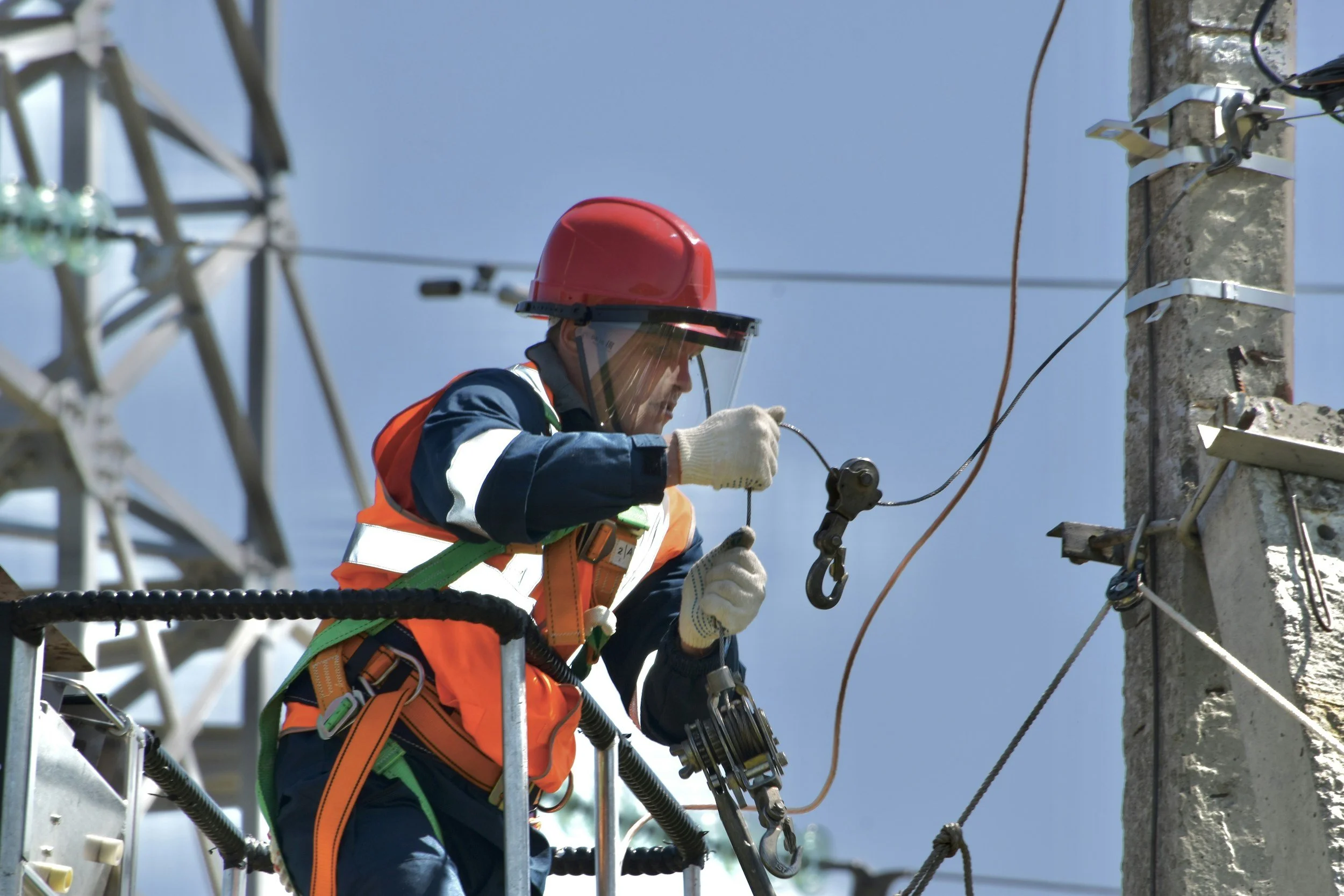
The Importance of Routine Electrical Inspections for Commercial Properties
Commercial electrical systems work harder than most people realize. Between HVAC systems running constantly, banks of lighting staying on for extended hours, and equipment cycling on and off throughout the day, commercial properties put far more strain on their electrical infrastructure than a typical home ever would.
We partnered with a home improvement company for this post. The opinions in the post are honest. All reviews and opinions expressed in this post are based on our personal views. We are excited because we know you will love it.
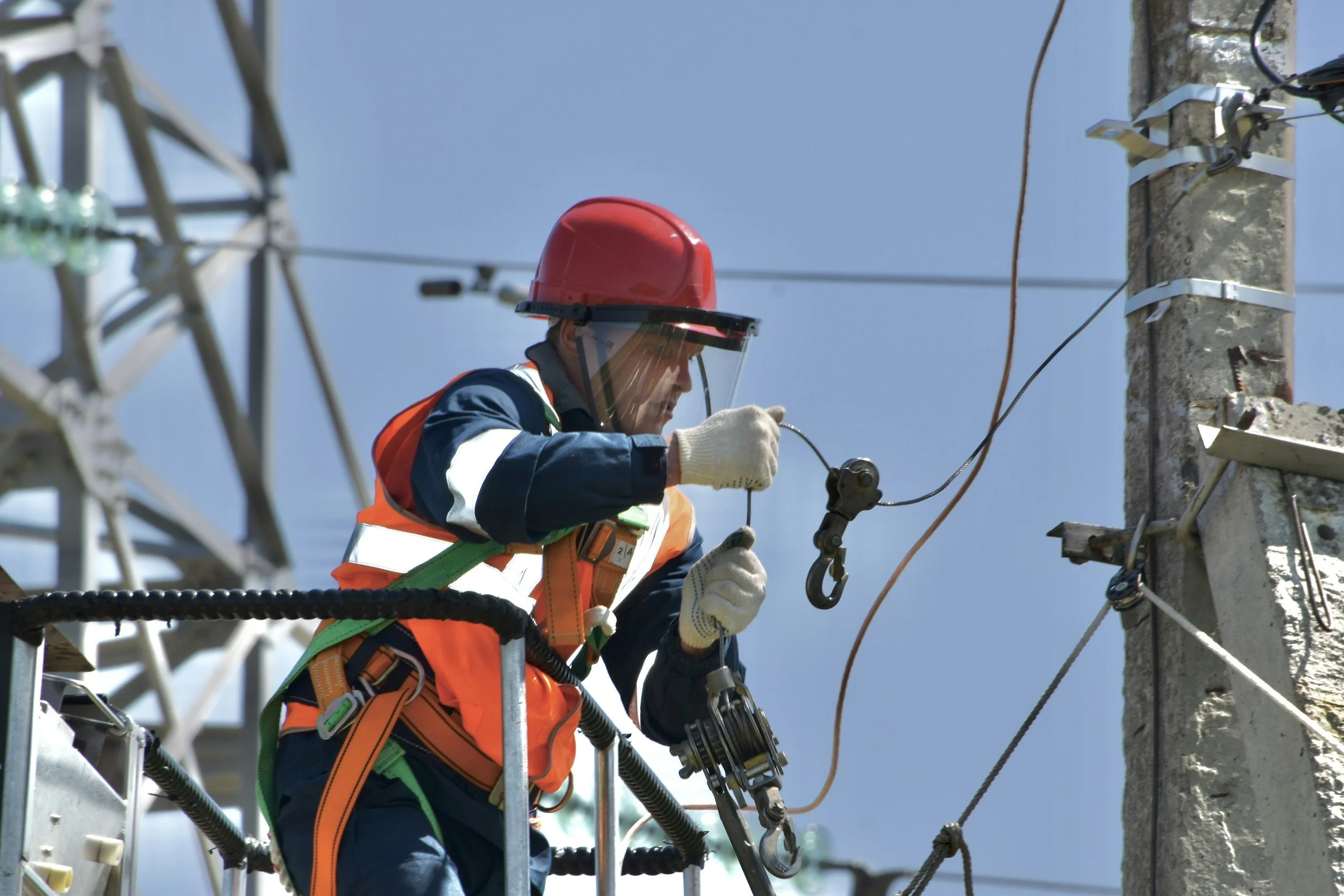
Commercial electrical systems work harder than most people realize. Between HVAC systems running constantly, banks of lighting staying on for extended hours, and equipment cycling on and off throughout the day, commercial properties put far more strain on their electrical infrastructure than a typical home ever would.
Despite that, electrical inspections often get pushed down the priority list until something actually breaks. That reactive approach tends to cost more in the long run, both in repair costs and in the disruption an unexpected failure causes to daily operations.
Why Do Commercial Properties Need More Frequent Inspections?
Commercial buildings typically have higher electrical loads, more complex wiring layouts, and equipment that residential systems were never designed to handle. A single retail space might run refrigeration units, point of sale systems, security equipment, and lighting all on the same panel.
That kind of constant demand wears down components faster than in a home. Breakers, panels, and wiring connections that might last decades in a residential setting can show wear much sooner in a commercial environment simply because they are working harder, more consistently, for more hours a day.
Routine inspections catch this wear before it becomes a failure. A loose connection found during a scheduled inspection is a quick fix. That same loose connection ignored for another year could mean an unplanned shutdown during business hours.
What Do Commercial Electrical Inspections Typically Cover?
A thorough inspection usually starts with the panel itself, checking for signs of overheating, corrosion, or connections that have loosened over time. From there, inspectors typically look at:
Circuit breakers, confirming they are sized correctly for current loads and tripping properly when tested.
Wiring throughout the property, checking for wear, damage, or outdated wiring types that may no longer meet code.
Grounding systems, since commercial properties often have more complex grounding requirements than residential ones, especially with sensitive equipment involved.
Emergency lighting and exit signage, which typically fall under separate code requirements and need regular testing to stay compliant.
Outlets and fixtures throughout the space, checking for damage or wear that might not be obvious during daily operations.
How Do Electrical Issues Affect Business Operations?
An electrical failure at a commercial property rarely stays contained to a single inconvenience. A tripped breaker in a restaurant can mean spoiled inventory. A panel failure in a retail space can mean a full day of lost sales. A wiring issue in an office building can shut down computers, phone systems, and security all at once.
Beyond the immediate disruption, there is also the cost of emergency repairs, which almost always run higher than scheduled maintenance work. Emergency electrical work often means paying premium rates for immediate service, on top of whatever revenue was lost while the issue was being resolved.
Routine inspections shift electrical maintenance from something reactive and expensive into something predictable and budgeted, which matters a great deal for a business trying to manage costs and avoid surprises.
How Often Should Commercial Properties Schedule Inspections?
The right frequency depends on the type of property and how it is used. Properties with heavy equipment use, like restaurants or manufacturing spaces, generally benefit from annual inspections at minimum. Office spaces with lighter electrical demands might be fine on a slightly longer cycle, though anything beyond two to three years starts to leave real gaps in oversight.
Certain triggers should prompt an inspection regardless of schedule. Adding new equipment, expanding a space, noticing flickering lights or frequent breaker trips, or preparing for a change in occupancy are all good reasons to have a professional take a closer look sooner rather than later.
What Should You Look for in an Electrical Contractor?
Not every electrical contractor has equal experience with commercial properties. Commercial work often involves different code requirements, higher voltage systems, and equipment that residential electricians may not encounter regularly.
Bates Electric has handled a wide range of commercial projects, giving them familiarity with the kind of complex systems and code requirements that come up in retail spaces, restaurants, offices, and industrial properties. That kind of hands-on experience across different property types tends to matter more than a generic electrical license when it comes to spotting issues specific to commercial environments.
Asking a potential contractor about their experience with properties similar to yours, and reviewing examples of past commercial work, gives a clearer picture of whether they are a good fit than a general sales pitch would.
What Happens If Inspections Get Skipped?
Skipping inspections does not mean nothing is happening behind the scenes. Wear continues regardless of whether anyone is checking for it. The difference is simply whether problems get caught early, when they are inexpensive to fix, or later, when they have turned into something more serious.
Insurance can also become a factor. Some policies have specific requirements around electrical maintenance, and unaddressed issues discovered after a fire or major incident can complicate claims in ways that regular inspections would have prevented.
Final Thoughts
Commercial electrical systems do not get the luxury of downtime the way a home system might. They run constantly, under real demand, which means the wear adds up faster and the consequences of ignoring it are more immediate.
Routine inspections turn potential emergencies into scheduled maintenance, protecting both the property and the business operating inside it. For property owners who have not had an inspection recently, it is one of the more straightforward ways to reduce risk without a major investment.
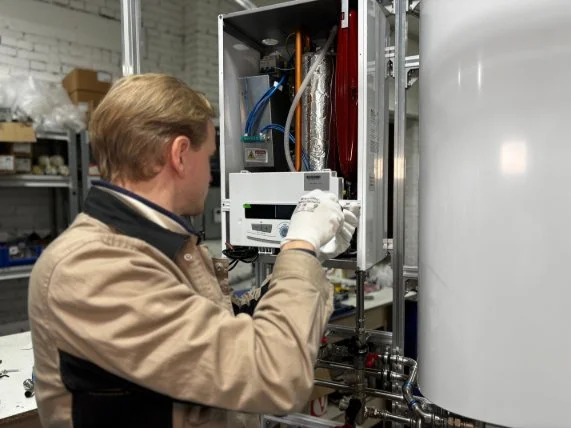
How to Spot Heating Problems That Make Your Home Colder
A home that never quite feels warm enough can be frustrating, especially when the heating system seems to be running nonstop. Many homeowners assume the heater itself is failing, but cold rooms often come from a mix of airflow issues, thermostat problems, worn components, or hidden structural factors. Spotting these trouble signs early keeps your home comfortable and prevents small issues from turning into expensive repairs.
A home that never quite feels warm enough can be frustrating, especially when the heating system seems to be running nonstop. Many homeowners assume the heater itself is failing, but cold rooms often come from a mix of airflow issues, thermostat problems, worn components, or hidden structural factors. Spotting these trouble signs early keeps your home comfortable and prevents small issues from turning into expensive repairs.
Spotting Early Signs of Heating Trouble
The first clues that your heating system is struggling often show up in how your home feels. If certain rooms stay cold no matter how high you set the thermostat, or if the system runs longer than usual, those are early indicators that something isn’t working correctly. Rising energy bills are another sign, especially if the weather hasn’t changed much. Unusual noises, burning smells, or weak airflow from vents can also point to internal problems.
These symptoms don’t always mean the entire system is failing, but they do mean something is off. When these issues continue for more than a few days, it’s smart to bring in a professional who can diagnose the root cause before the problem grows.
Checking Airflow and Key Components
Warm air needs a clear path to move through your home. When airflow is blocked or weakened, even a perfectly functioning heating system will struggle. Start by checking vents and returns. Furniture, rugs, or storage boxes can accidentally block airflow, reducing how much warm air reaches a room. Make sure vents are fully open, and returns aren’t obstructed.
Ductwork also plays a major role. Leaks in the ducts let warm air escape into attics, crawl spaces, or basements before it ever reaches your living areas. If you notice weak airflow from certain vents, duct leaks or blower issues may be the cause.
Filters and coils are another common trouble spot. A clogged filter forces the system to work harder, reducing airflow and heat output. Dirty coils can’t transfer heat efficiently, which makes the system run longer and still fail to warm the home. These are simple fixes, but if airflow remains weak after replacing filters or cleaning vents, a technician should inspect the blower motor and internal components.
Evaluating Thermostat Issues
Your thermostat is the command center of your heating system. When it sends incorrect signals, the entire home feels the impact. Thermostats placed near windows, direct sunlight, or drafts can misread the temperature and shut the system off too early. Faulty sensors or calibration problems can also cause the system to cycle at the wrong times.
If your heating system turns on and off frequently, or if the temperature on the thermostat doesn’t match how the home feels, the thermostat may be the culprit. Wiring issues can also interrupt communication between the thermostat and the heating unit. While some thermostat problems are easy to fix, deeper electrical or sensor issues should be checked by a professional.
Spotting Furnace Problems
Older furnaces often show clear signs that they’re no longer keeping up with your home’s heating needs. Weak ignition, burner issues, inconsistent heating cycles, or a blower motor that struggles to push warm air can all leave rooms feeling colder than they should. A worn heat exchanger can also reduce performance and create safety concerns, while fuel‑related problems, like low gas pressure or malfunctioning burners, can cause the furnace to run without producing enough heat. When these symptoms persist, it’s a strong indication that the system is reaching the end of its lifespan.
When repairs become frequent, or the furnace can no longer heat your home evenly, replacing the old unit with a new one is often the most efficient solution. A properly sized and well‑installed furnace ensures correct airflow, venting, and heat distribution throughout the home. Working with a professional HVAC company, such as someone like Steele Brothers Heating Inc, helps ensure the installation is done safely and correctly, preventing issues like short cycling, cold spots, and premature wear. High‑quality furnace installation restores reliable warmth, improves energy efficiency, and supports long‑term comfort throughout the home.
Identifying Water Heater Issues
Your water heater plays a bigger role in home comfort than many people realize. When it begins to struggle, showers feel colder, dishes don’t rinse well, and the whole home can feel less comfortable during winter. Sediment buildup inside the tank reduces heating efficiency, forcing the system to work harder for lukewarm results. Failing heating elements or burners can also cause inconsistent temperatures, and poorly insulated pipes or tanks lose heat quickly, especially in basements, garages, or other unconditioned areas. If your water heater frequently runs out of hot water or produces uneven temperatures, these symptoms often point to underlying issues that need attention.
When problems persist, water heater repair is often the best way to restore consistent performance and prevent further wear. A professional, such as someone from a company like Mullin Plumbing, can flush sediment, replace failing components, improve insulation, and verify that the system is heating efficiently. Addressing these issues early helps your water heater support overall home comfort, reduces energy waste, and ensures reliable hot water throughout the colder months.
Checking Areas Inside and Outside
Sometimes the heating system isn’t the problem—your home’s structure and layout can play an even bigger role in how warm it feels. Attics, crawl spaces, and basements often hide insulation gaps that let warm air escape and cold air creep in. Entryways and mudrooms can funnel cold air through the home if doors don’t seal properly, while open staircases, drafty hallways, or blocked interior pathways can disrupt how warm air moves from room to room. Cold spots near exterior walls or floors that feel unusually chilly often point to hidden structural heat loss that needs attention.
Exterior issues can amplify these problems. Drafty windows, worn weatherstripping, cracked siding, or gaps around doors let cold air enter and warm air escape. Attic bypasses—small openings around pipes, wiring, or vents—can pull warm air upward and out of the home, making even a strong heating system seem weak. If you’ve already addressed airflow, thermostat settings, and basic maintenance but the home still feels cold, exterior heat loss may be the culprit. A professional energy audit can pinpoint exactly where warm air is escaping and recommend targeted insulation or air‑sealing improvements to restore comfort and efficiency.
Keeping your home warm starts with paying attention to the early signs of heating trouble. When you catch airflow issues, thermostat problems, furnace symptoms, or structural heat loss early, you prevent bigger repairs and keep your home comfortable all winter. When problems persist, calling a professional ensures your home gets the care it needs. After all, proactive attention is the best way to stay ahead of heating problems and maintain a warm, efficient home.